
Container Loading for Bulky Goods
A container of wheelbarrows runs out of space long before it runs out of payload. Landed cost is a volume problem, not a price problem.
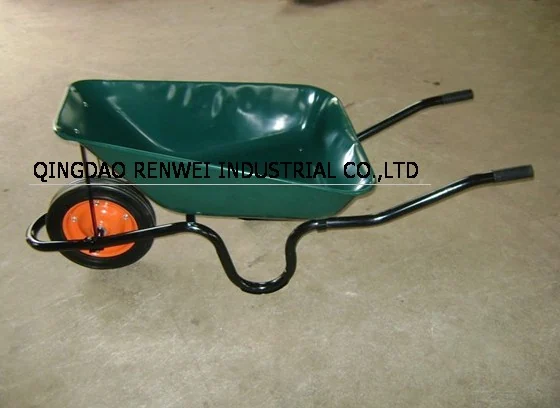
When a buyer compares two quotations on carts, barrows or wagons, the unit price is rarely what decides the landed cost. The packing method is.
Two factories can quote within a few percent of each other and land twenty percent apart because one packs knocked down and the other packs assembled.
Volume, Not Weight
A 40ft high cube container has roughly 76 cubic metres of usable space and a payload measured in tonnes. Fill it with wheelbarrows and the space runs out first, by a wide margin.
That means the number you need from a supplier is not the unit weight but the carton cube, and ideally the loading quantity per container.
Use Published Loading Quantities
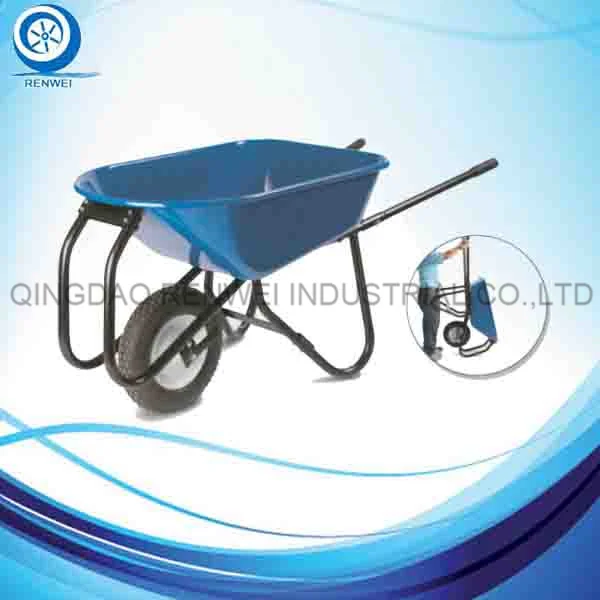
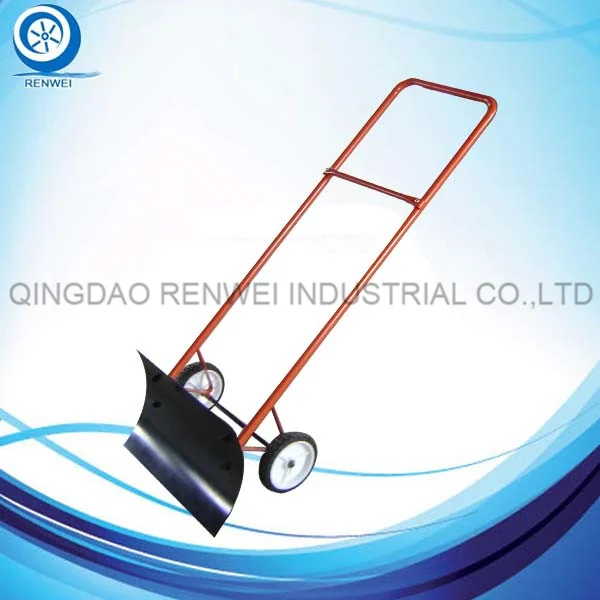
Where a model publishes a container quantity, it removes the guesswork. The source catalogue behind this site publishes 740 pieces per 40ft for the WB3800 wheelbarrow and 1188 pieces per 40ft high cube for the SP3010 snow pusher, among others.
Where no figure is published, ask for it with the packing method you want rather than estimating from a similar model — carton design varies more than the products do.
| Model | Published quantity | Source |
|---|---|---|
| WB3800 wheelbarrow | 740 pieces per 40ft | Source catalogue |
| SP3010 snow pusher | 1188 pieces per 40ft high cube | Source catalogue |
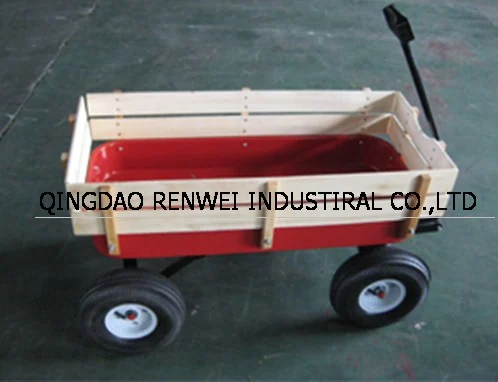
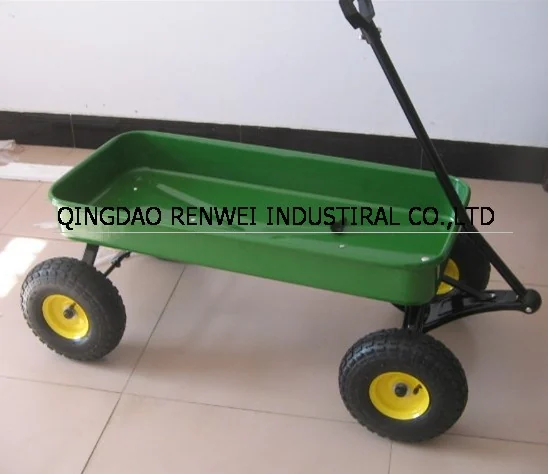
| CV1831 kids wagon | 650 pieces per 40ft high cube | Source catalogue |
Knocked Down Versus Assembled
Knocked-down packing can double or triple the units in a container. The cost is assembly time at the far end, which the importer or the customer pays for.
For trade and contractor products, assembled usually wins because the buyer values the time. For consumer retail, knocked down usually wins because the shelf and the shipping both favour a flat carton.
Mixing Dense and Bulky
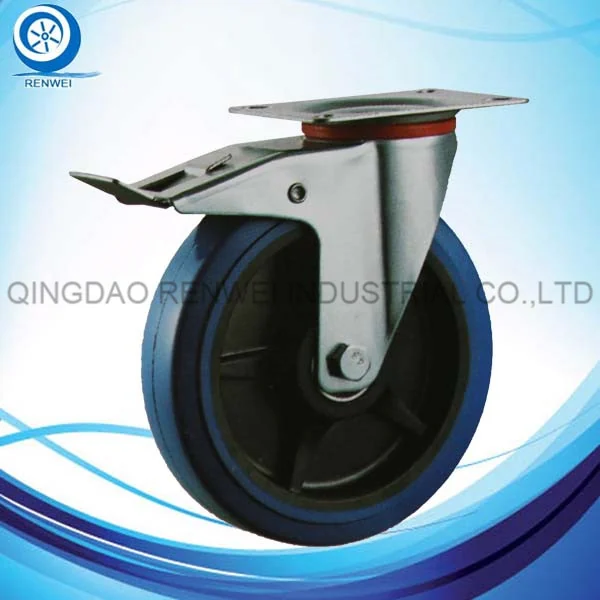
Wheels, casters, rubber chocks and buckets are dense. Carts, barrows, wagons and greenhouse frames are bulky. A container with only bulky goods wastes payload; a container with only dense goods wastes volume.
Mixing the two across families is the most reliable way to improve landed cost on this kind of range, and it has the useful side effect of landing your first spares with the equipment.
Get It in Writing
Loading quantity is part of the commercial offer, not a detail to settle later. Have it confirmed alongside the price and the packing method before you place the order.
The same applies to carton dimensions and gross weight, which is what your freight forwarder will ask for first.
Key Takeaways
- Bulky goods are volume limited, so carton cube drives landed cost
- Use published loading quantities where they exist
- Knocked-down packing trades assembly labour for container space
- Mix dense and bulky goods to use both payload and volume
- Confirm loading quantity in writing with the price
Products Mentioned in This Guide
Where to Go Next in the Catalogue
Wheelbarrow
Snow Pusher
Child Vehicle
The Most Popular Products
Solutions Related to This Guide
Container Load Planning
Sample and First Order
Export Packing and Documentation
Questions About This Guide
How many wheelbarrows fit a 40ft container?
The source catalogue publishes 740 pieces per 40ft for the WB3800. Other models do not publish a figure, so ask against your packing method.
Why do two suppliers quote the same price but land differently?
Almost always packing. A different carton or a knocked-down option changes the units per container, and that moves the landed cost far more than the unit price does.
Can I combine categories in one container?
Yes, and for this kind of range it is usually the right approach — dense wheels and casters alongside bulky carts use the payload and the volume together.
Continue Reading
Rubber Products and Moulding Basics
OEM and Private Label Checklist
Greenhouse Frame and Cover Specification Guide
Apply This to Your Own Specification
Send the measurements, loads and surfaces described in this guide and the sales desk will come back with model numbers rather than a brochure.