
How to Read a Wheel Size
Three numbers, one dash and a lot of failed replacements. What 13*3.50-8 actually means and which figure people get wrong.
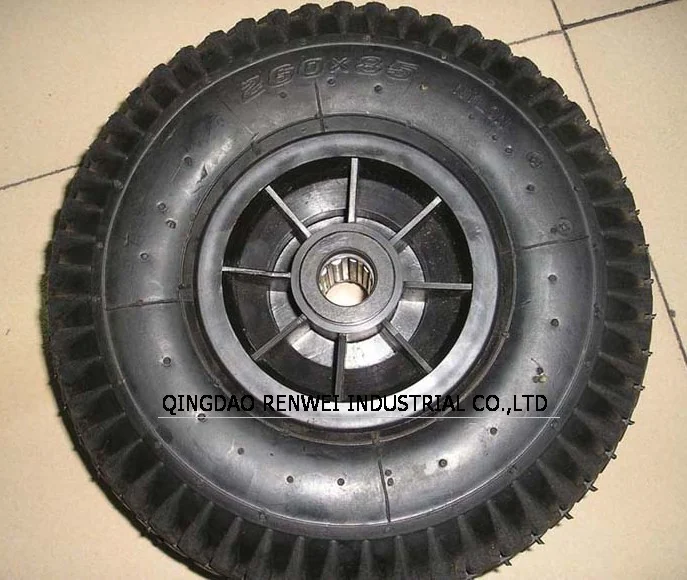
Wheel sizes look cryptic until you know that they are just three measurements printed in a fixed order. Once you can read them, cross-referencing a replacement becomes arithmetic rather than guesswork.
The mistake that causes most wrong deliveries is simple: somebody matches the first number and assumes the rest will follow. It will not.
The Three Numbers
Take a size like 13*3.50-8. The first number, 13, is the overall diameter of the assembled wheel in inches — tyre included, not the rim. The second number, 3.50, is the section width of the tyre, again in inches. The number after the dash, 8, is the rim diameter the tyre is mounted on.
So a 13*3.50-8 is a thirteen inch wheel with a three and a half inch wide tyre sitting on an eight inch rim. Change any one of those and it is a different wheel.
Why Diameter Alone Is Not Enough
Two wheels can both be ten inches overall and still be incompatible. A 10*3.00-4 and a 10*4.10/3.50-4 share a diameter and a rim, but the second has a much wider tyre. Fit it to a fork designed for the first and it will foul the frame.
Equally, the same tyre section can appear on different rim sizes. The rim number is what decides whether the tyre and tube you already hold will fit at all.
Reading Metric Caster Sizes
Casters are usually published in millimetres rather than the imperial tyre notation. A caster listing that reads 100/125/150/200 for wheel diameter with 200/280/350/450 for capacity is giving you four wheels and four ratings, read in parallel: the 100mm wheel carries 200kg, the 200mm wheel carries 450kg.
This is the second most common misreading in the trade. The headline capacity in a caster catalogue almost always belongs to the largest wheel in the family.
| Wheel diameter | 100mm | 125mm | 150mm | 200mm |
|---|---|---|---|---|
| Published capacity | 200kg | 280kg | 350kg | 450kg |
The Two Dimensions Nobody Publishes
Diameter, section and rim get you the right wheel. Bore and hub length get it onto your axle.
The bore is the hole through the centre of the hub, and the hub length is how wide the hub is across the bearing faces. Neither is published in most catalogues, including the source data behind this site. Measure both on the wheel you are replacing and send them with your enquiry.
A Practical Checklist
Before you order a replacement wheel, write down five things: overall diameter, section width, rim diameter, bore diameter and hub length. For a caster, add the axle length across the fork and the overall fitted height.
Photograph the wheel next to a tape measure and the sidewall marking if it is still legible. Five numbers and one photograph resolve almost every matching question in a single exchange.
Key Takeaways
- Read wheel sizes as diameter, section and rim — all three have to match
- Caster capacity lists run in parallel with diameter lists; the headline figure is the biggest wheel
- Bore and hub length are rarely published — measure them yourself
- Send five measurements and a photograph rather than a description
Products Mentioned in This Guide
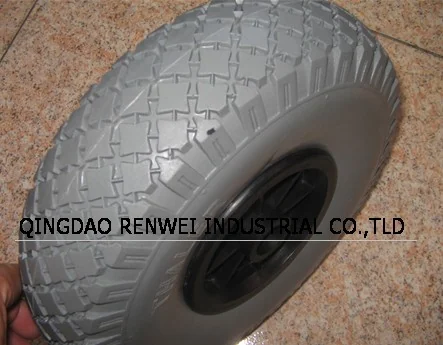
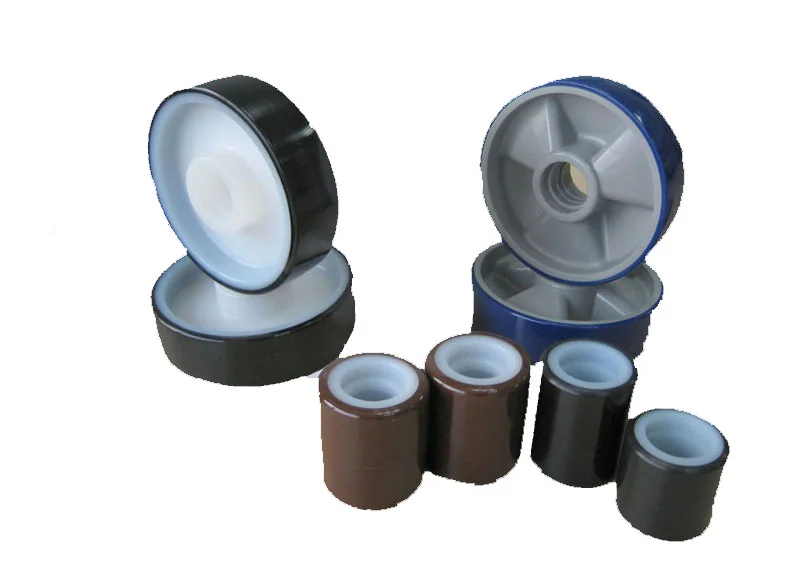
Where to Go Next in the Catalogue
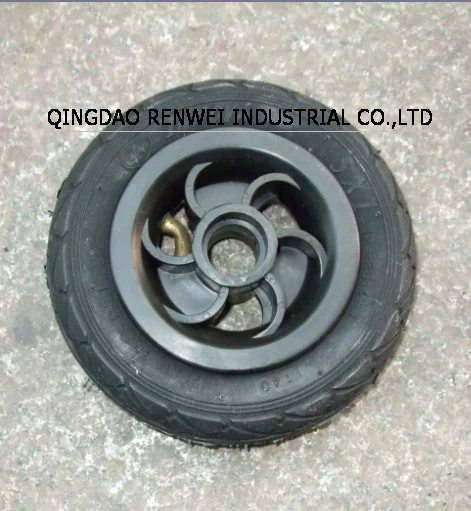
Rubber Wheel
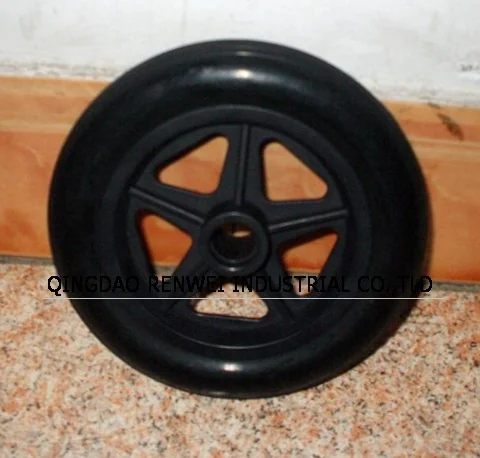
PU Wheel
EVA Wheel
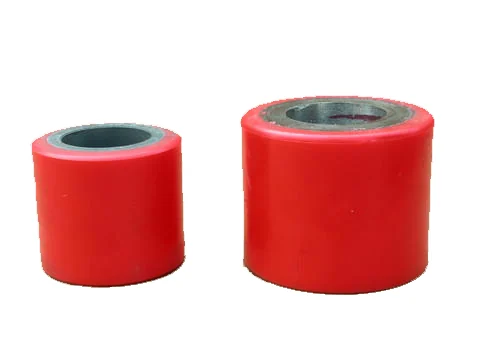
Caster Wheel
Questions About This Guide
What does the dash mean in a wheel size?
It separates the tyre dimensions from the rim diameter. In 13*3.50-8, the 8 after the dash is the rim the tyre mounts on.
Is the first number the rim or the whole wheel?
The overall diameter of the assembled wheel including the tyre. The rim is the number after the dash.
Why does my new wheel not fit the axle?
Almost always the bore or the hub length. Both are separate from the tyre size and neither is usually printed on the wheel.
Continue Reading
Rubber Products and Moulding Basics
OEM and Private Label Checklist
Container Loading for Bulky Goods
Apply This to Your Own Specification
Send the measurements, loads and surfaces described in this guide and the sales desk will come back with model numbers rather than a brochure.