
Brass Turning Part
Brass turning parts are machined to customer print for assemblies that demand close fits, corrosion resistance, and stable conductivity. NOWARUN turns and mills these custom components from brass and copper down to a machining tolerance of +/-0.01 mm. Secondary finishing options include blasting and oxidizing depending on your enclosure or assembly requirements. Every batch is manufactured to order from your technical drawing rather than delivered from ready stock.
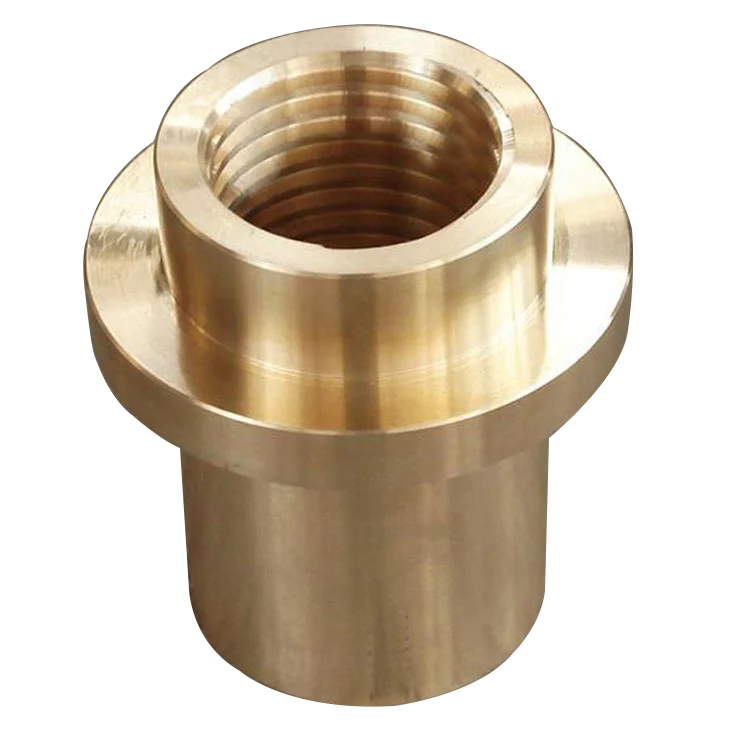
Published Data for Brass Turning Part
Every value below is taken from NOWARUN's own specification for this part.
| Tolerance | +/-0.01 mm |
|---|---|
| Materials | Brass, Copper |
| Processes | CNC turning, milling, grinding |
| Surface Treatment | Blasting, oxidizing |
| Certifications | ISO 9001:2008, ISO/TS 16949 / ISO/TS 16949, SGS, ROHS |
| Packaging | PP bag, carton, crate, box or according to customer's requirements |
| Origin | Hangzhou, Zhejiang, China |
Key Benefits
- Machining tolerance of +/-0.01 mm keeps concentricity and critical seating dimensions accurate on turned features
- Manufactured from brass or copper to ensure corrosion resistance, thermal transfer, and consistent electrical conductivity
- Turned, milled, and ground to your exact drawing rather than restricted to fixed catalogue dimensions
- Surface finishing options like blasting and oxidizing give clean finishes for visible or sealed assemblies
- Multiple export packaging options protect bare threads and tight tolerances during overseas transport
- Certified quality management systems ensure batch consistency and dimensional adherence on every production run
Problems It Solves
- Stock brass hardware does not meet custom interior thread profiles or external seating steps
- Inconsistent turning tolerances lead to leaks or loose assembly fits in non-ferrous housings
- Off-the-shelf catalog brass parts use unknown alloy standards that fail in service
- Burrs and rough surface finishes damage mating seals and o-rings during field assembly
Who It Is For
- Procurement engineers sourcing custom turned brass parts directly from an OEM drawing
- Mechanical design engineers who need non-ferrous components with +/-0.01 mm dimensional tolerances
- Equipment builders replacing proprietary turned brass fittings that are unavailable in standard catalogues
- Contract assembly operations requiring repeatable batches of finished brass or copper precision parts
Application Scenarios
- Fluid and pneumatic assemblies requiring corrosion-resistant brass turned fittings and tight seal faces
- Electrical equipment needing turned copper and brass components with stable conductivity and precise mounting threads
- Machine construction applications requiring custom non-ferrous bushings, standoffs, or threaded inserts
- Food processing equipment parts needing clean, non-corroding brass turned components machined to print
- Agricultural equipment sensors and instrumentation assemblies requiring +/-0.01 mm turned brass bodies
Technical Features
- CNC turning combined with secondary milling and grinding operations
- Precision tolerance capability held down to +/-0.01 mm
- Material processing across brass and copper alloys to customer specification
- Surface finishing capabilities including abrasive blasting and oxidizing treatments
- Clean-cut threads, tapers, and stepped internal bores machined to drawing
Materials
- Brass for general machinability, mechanical wear resistance, and corrosion-resistant hardware
- Copper for assemblies demanding elevated electrical conductivity and thermal dissipation properties
- Custom alloy compositions processed according to the mechanical specifications on your engineering print
How It Is Made
- 1
Technical drawing and dimensional tolerance review before raw bar stock procurement
- 2
CNC precision turning of outer diameters, faces, internal bores, and thread geometry
- 3
Secondary CNC milling and grinding for off-axis features, flats, or tighter fits
- 4
Surface treatment application including blasting or oxidizing to match customer finish requirements
- 5
Final dimensional inspection and thread gauging before packing for export shipment
Quality Control
- Critical dimensions and tolerances checked against drawing requirements down to +/-0.01 mm
- Surface finish verification following blasting or oxidizing treatments
- Thread integrity and bore fit checked using standard GO/NO-GO gauges
- Compliance verification aligned with ISO 9001:2008, ISO/TS 16949, SGS, and ROHS standards
Customization Options
- Machined directly to custom 2D prints or 3D CAD files
- Choice of base material between brass, copper, or customer-specified grades
- Custom surface preparation including media blasting or oxidizing finishes
- Flexible export packaging configurations using cartons, crates, boxes, or PP bags
Compared With the Alternatives
| Alternative | Honest trade off |
|---|---|
| Standard catalogue brass parts | Stock hardware is ready immediately, but custom turned parts match your exact stepped bore and thread geometry |
| Stainless steel turned parts | Stainless steel provides higher mechanical yield strength, but brass cuts faster, reduces tool wear, and conducts heat better |
| Die cast brass components | Die casting is cost-effective for huge volumes, but CNC turning achieves +/-0.01 mm precision without expensive tooling fees |
Use Guide
- Provide complete 2D engineering drawings with dimensional tolerances and thread standards marked
- Specify the exact brass or copper material grade needed for your application
- Indicate whether surface blasting, oxidizing, or bare turned finish is required
- Confirm the delivery packaging type to prevent thread dinging during ocean or air transit
- Inspect mating chamfers and sealing faces before torquing into final mechanical assemblies
Brass Turning Part Questions
What tolerance can you hold on brass turned parts?
We hold machining tolerances down to +/-0.01 mm on brass turned parts and 5-axis components.
What materials are available for this turning service?
We process brass and copper, as well as customer-specified alloys to your drawings.
Which secondary surface treatments can be applied?
Available surface finishing options include abrasive blasting and oxidizing, alongside standard as-turned finishes.
What manufacturing certifications apply to these parts?
Production complies with ISO 9001:2008, ISO/TS 16949 / ISO/TS 16949, SGS, and ROHS requirements.
How are turned brass parts packaged for shipment?
Parts are packed in PP bags, cartons, crates, or boxes according to your specification to prevent transit damage.
Can you handle secondary milling on turned brass components?
Yes. Our processes cover CNC turning, milling, and grinding to complete multi-feature parts to print.
Related Products
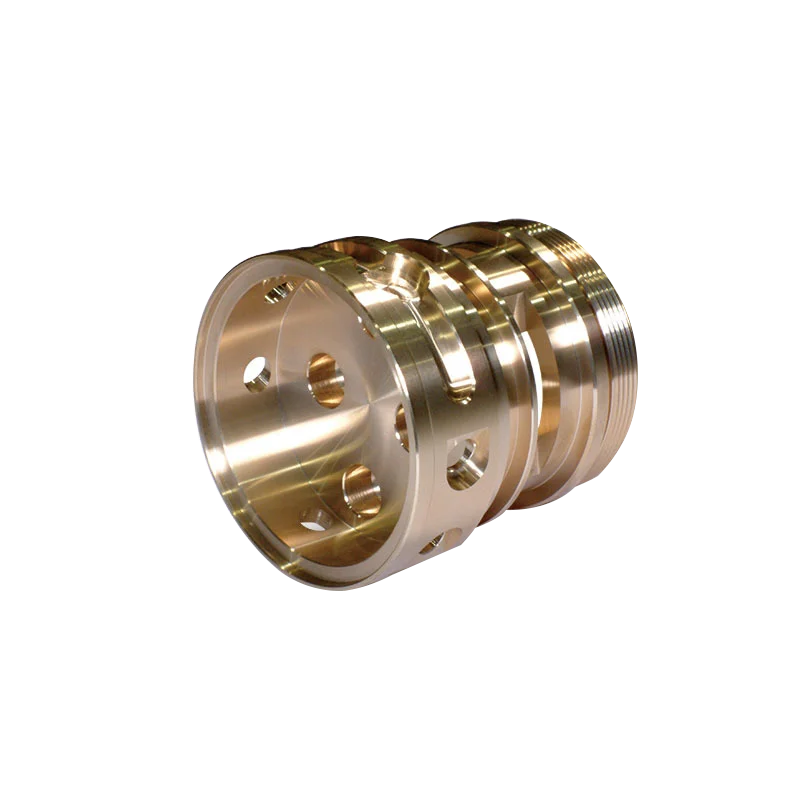
Brass Machining Part
Brass machining parts are manufactured to customer print using CNC turning, milling, and grinding processes to…
View specifications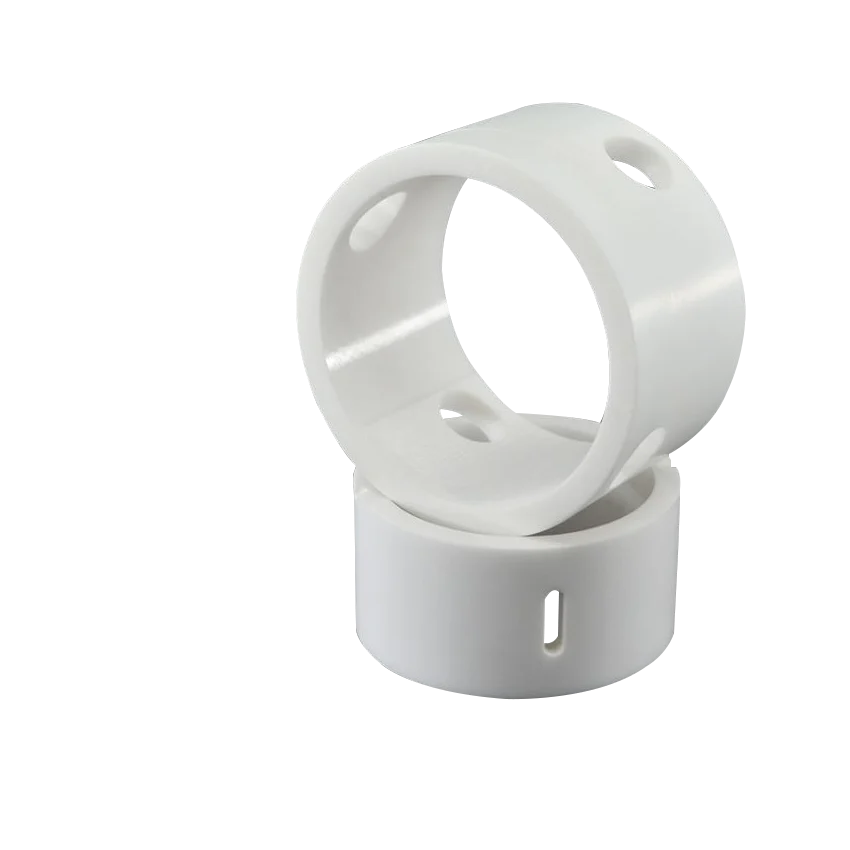
Alumina Ceramic
NOWARUN manufactures custom alumina ceramic plates from aluminium oxide (Al2O3) to customer drawings and data…
View specifications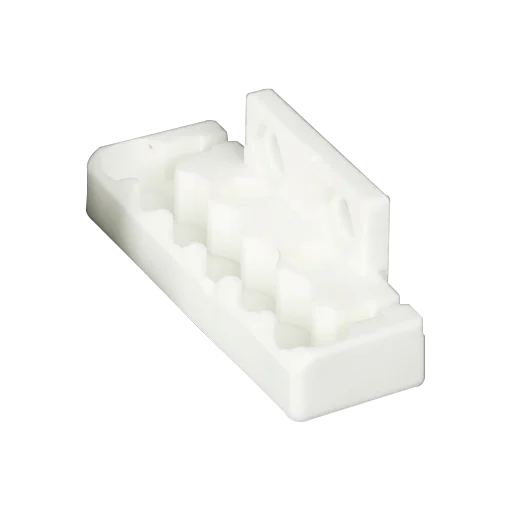
Ceremic terminal block
Ceramic terminal blocks, also termed porcelain connectors or 2 pole ceramic connecting terminals, are produced in 2…
View specifications
Ceramic insulator
Ceramic insulators manufactured by NOWARUN are produced from alumina ceramic based on aluminium oxide (Al2O3) to…
View specificationsQuote Brass Turning Part to Your Drawing
Send the print with the quantity, material, tolerance and surface treatment. Missing details get asked about, not assumed.