
Brass Machining Part
Brass machining parts are manufactured to customer print using CNC turning, milling, and grinding processes to achieve tolerances down to ±0.01 mm. NOWARUN machines these components from brass or copper alloys with surface finishing options including blasting and oxidizing. Every batch is produced under an ISO 9001 and ISO/TS 16949 certified quality management system to support demanding fluid handling, electrical, and mechanical assemblies.
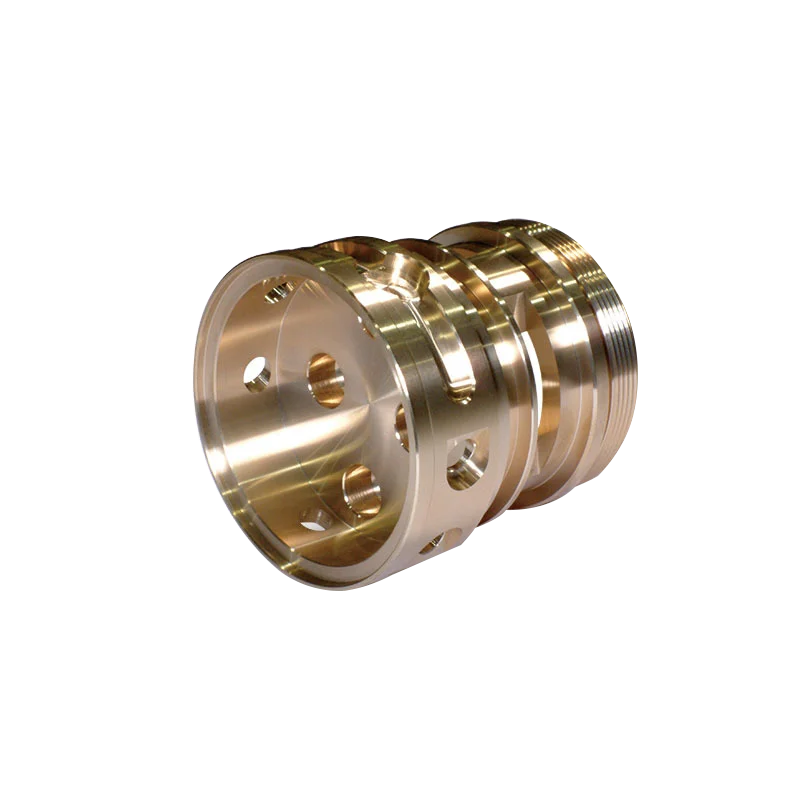
Published Data for Brass Machining Part
Every value below is taken from NOWARUN's own specification for this part.
| Tolerance | ±0.01 mm |
|---|---|
| Material | Brass, copper, or customer specified |
| Processes | CNC turning, milling, grinding |
| Surface Treatment | Blasting, oxidizing, or per requirement |
| Certifications | ISO 9001:2008, ISO/TS 16949, SGS, ROHS |
| Packaging | PP bag, carton, crate, box, or per customer requirement |
| Origin | Hangzhou, Zhejiang, China |
Key Benefits
- Machining tolerance held to ±0.01 mm keeps tight fits reliable across brass turned and milled profiles
- Choice of brass and copper stock accommodates specific mechanical, corrosion, and conductivity needs
- Combined turning, milling, and grinding capabilities allow complex prismatic and turned shapes in one shop
- Surface finishing options like blasting and oxidizing provide specified cosmetic appearance or surface protection
- Production certified to ISO 9001 and ISO/TS 16949 ensures traceable and repeatable manufacturing processes
- Custom components made entirely to drawing rather than limited by catalogue stock sizes
Problems It Solves
- Catalogue brass fittings do not fit custom housing envelopes or proprietary thread configurations
- Loose tolerances from standard turned part vendors cause fluid leaks or inconsistent sub-assembly fit
- Sourcing turned and milled brass parts separately creates coordination issues and mismatched mating interfaces
- Uncertified suppliers fail to provide documentation compliant with ISO 9001 and ISO/TS 16949 audit rules
Who It Is For
- Procurement engineers sourcing custom brass and copper machined components to technical drawings
- Machine builders needing consistent ±0.01 mm tolerances on precision brass turned parts
- Equipment OEMs replacing catalogue brass fittings with custom-profile non-ferrous components
- Project managers requiring contract machining verified against ISO 9001 or ISO/TS 16949 standards
Application Scenarios
- Machine construction where tight-tolerance brass bushings or guide components require precise fits
- Fluid control and valve assemblies requiring leak-tight turned brass fittings and milled bodies
- Electrical and grounding assemblies taking advantage of copper or brass conductivity and tight tolerances
- Food processing and agricultural machinery requiring non-sparking or corrosion-resistant non-ferrous parts
- Replacement brass parts machined to drawing for equipment rebuilds and maintenance overhauls
Technical Features
- Machining capability across CNC turning, milling, and grinding operations
- Dimensional tolerance down to ±0.01 mm on brass turned parts
- Material processing for both brass and copper alloys
- Surface treatments including media blasting and oxidizing per specification
- Manufactured according to ISO 9001, ISO/TS 16949, SGS, and ROHS compliance standards
Materials
- Brass for precision turned bushings, valves, and wear-resistant machinery components
- Copper for parts demanding high thermal and electrical conductivity alongside accurate tolerances
- Customer specified grades of brass and copper alloys based on technical prints
How It Is Made
- 1
Drawing evaluation to verify dimensions, ±0.01 mm tolerances, and material specifications
- 2
Raw brass or copper bar stock preparation and cutting
- 3
CNC turning of outer diameters, bores, and critical sealing surfaces
- 4
CNC milling of flats, slots, cross-holes, or complex mounting contours
- 5
Precision grinding when surface finish or tighter diameter control is indicated
- 6
Surface treatment application such as blasting or oxidizing followed by final inspection
Quality Control
- Dimensional verification against drawing limits ensuring tolerance held within ±0.01 mm
- Compliance management maintained under certified ISO 9001:2008 and ISO/TS 16949 systems
- ROHS and SGS compliance verified for export non-ferrous material requirements
- Protective packaging in PP bags, cartons, or crates to prevent thread and surface damage
Customization Options
- Manufactured entirely to 2D prints or 3D CAD files provided by the customer
- Choice of raw material between various brass grades and pure copper
- Surface finishing matched to drawing requirements including blasting and oxidizing
- Custom packaging configuration ranging from individual PP bags to wooden crates
Compared With the Alternatives
| Alternative | Honest trade off |
|---|---|
| Off-the-shelf standard brass fittings | Custom machining matches non-standard threads and compact envelopes but requires drawing review and setup lead time |
| Die cast brass components | CNC turned and milled parts achieve tight ±0.01 mm tolerances without the upfront tooling expense of casting molds |
| Stainless steel machined parts | Brass offers easier machinability and natural corrosion resistance, but lower tensile strength under extreme structural loads |
Use Guide
- Provide a detailed 2D engineering drawing indicating critical dimensions and ±0.01 mm tolerance zones
- Specify the exact brass or copper alloy grade needed for your application
- Indicate whether surface treatment such as blasting or oxidizing is required
- State packaging preferences such as individual PP bags to protect sensitive threads during transit
- Confirm any compliance documentation requirements such as ROHS, SGS, or ISO/TS 16949 certificates
Brass Machining Part Questions
What tolerance can you maintain on custom brass machining parts?
We hold tolerances down to ±0.01 mm on brass turned parts, verified according to your technical drawings.
What materials are available for this machining service?
We process brass and copper alloys, tailored to the specific grade requested on your engineering print.
What surface treatments can be applied to brass parts?
Options include blasting and oxidizing, as well as treatments matched to your specific part drawing.
What quality certifications cover your brass machining operations?
Our manufacturing operations are certified to ISO 9001:2008 and ISO/TS 16949, with materials compliant to SGS and ROHS standards.
How are precision brass machined parts packed for export shipping?
Parts are packed in PP bags, cartons, crates, or boxes to protect threads and machined faces from handling damage.
Related Products
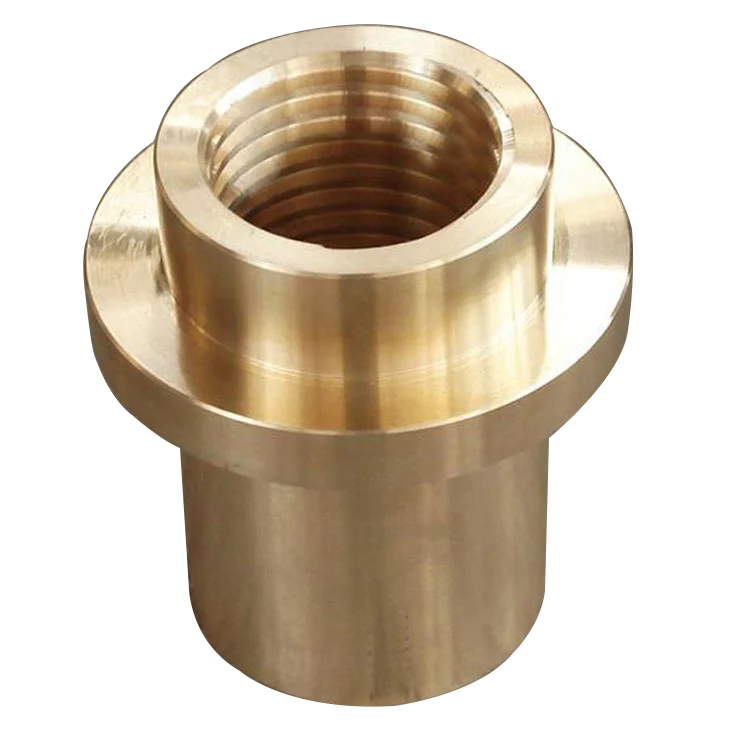
Brass Turning Part
Brass turning parts are machined to customer print for assemblies that demand close fits, corrosion resistance, and…
View specifications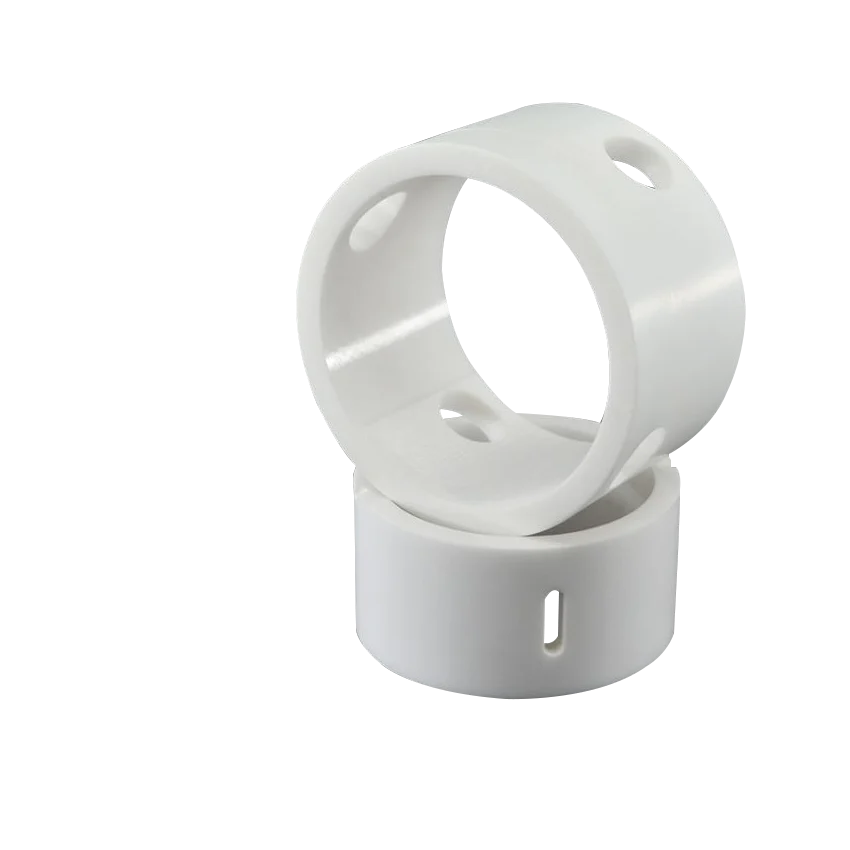
Alumina Ceramic
NOWARUN manufactures custom alumina ceramic plates from aluminium oxide (Al2O3) to customer drawings and data…
View specifications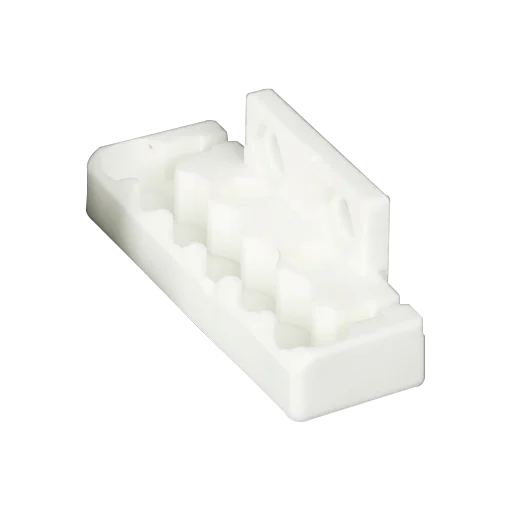
Ceremic terminal block
Ceramic terminal blocks, also termed porcelain connectors or 2 pole ceramic connecting terminals, are produced in 2…
View specifications
Ceramic insulator
Ceramic insulators manufactured by NOWARUN are produced from alumina ceramic based on aluminium oxide (Al2O3) to…
View specificationsQuote Brass Machining Part to Your Drawing
Send the print with the quantity, material, tolerance and surface treatment. Missing details get asked about, not assumed.