
Ceramic insulator
Ceramic insulators manufactured by NOWARUN are produced from alumina ceramic based on aluminium oxide (Al2O3) to provide electrical insulation, mechanical strength, and high temperature resistance. Engineered for thick film integrated circuits and demanding industrial assemblies, each ceramic insulator offers high hardness, wear resistance, and corrosion resistance. Parts are custom fabricated to drawing specifications rather than supplied from a standard catalogue.
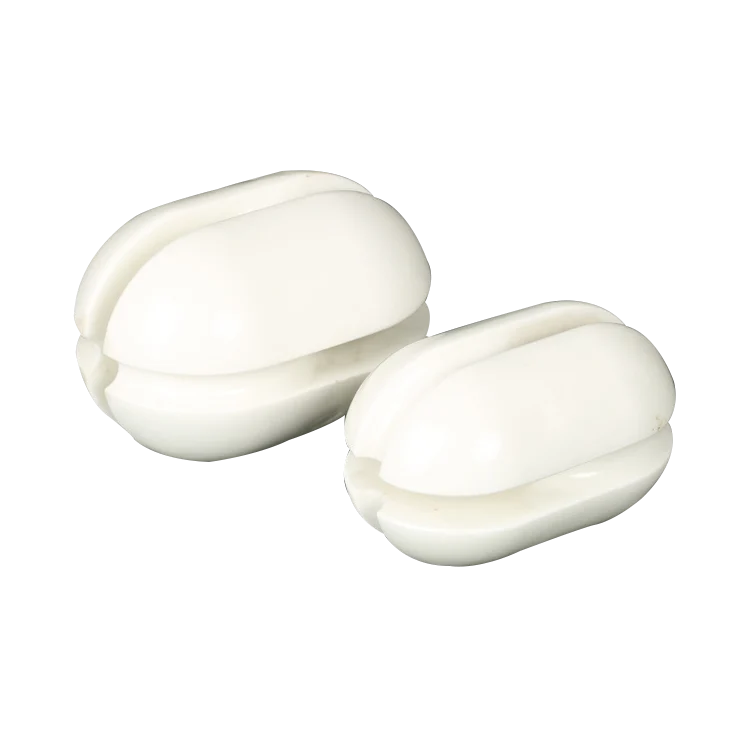
Published Data for Ceramic insulator
Every value below is taken from NOWARUN's own specification for this part.
| Material | Alumina ceramic (Al2O3) |
|---|---|
| Primary Application | Thick film integrated circuit |
| Cleaning Process | Ultrasonic cleaning |
| Key Properties | High hardness, wear resistance, corrosion resistance, high temperature resistance |
| Packaging | PP bag, carton, crate, box or to customer requirement |
| Origin | Hangzhou, Zhejiang, China |
Key Benefits
- High temperature resistance ensures structural integrity and electrical insulation in thermally demanding operating environments
- High hardness and wear resistance prevent mechanical degradation during continuous operation in abrasive conditions
- Corrosion resistance prevents surface erosion when exposed to chemical attack or aggressive operational atmospheres
- Good conductivity characteristics and mechanical strength support demanding thick film integrated circuit applications
- Ultrasonic cleaning is applied to remove residual particulates from the finished ceramic surfaces
- Custom manufactured to drawing geometry to fit specific electrical housings and electronic assemblies
Problems It Solves
- Polymer insulators failing or melting in operating environments with sustained high working temperatures
- Rapid surface degradation of insulating components exposed to corrosive chemicals or friction wear
- Catalogue ceramic insulators lacking the exact mounting geometry needed for custom circuit enclosures
- Particulate contamination on ceramic surfaces resolved through required ultrasonic cleaning processing
Who It Is For
- Electronics hardware engineers designing thick film integrated circuit modules requiring alumina substrates
- Procurement engineers sourcing custom alumina ceramic insulators according to specific part drawings
- Machine builders needing wear-resistant and corrosion-resistant electrical isolation components
- Industrial equipment OEMs seeking custom ceramic parts packaged for export and transit safety
Application Scenarios
- Thick film integrated circuits requiring alumina ceramic substrates for thermal and electrical insulation
- Machine construction applications needing non-conductive, wear-resistant insulating components near moving parts
- Food processing and agricultural machinery requiring chemically inert, corrosion-resistant electrical isolation parts
- High-temperature electronic assemblies where standard polymer or plastic insulators degrade and fail
Technical Features
- Base material formulation using alumina (Al2O3) ceramic
- High material hardness delivering strong resistance to mechanical wear
- Inherent chemical corrosion resistance across demanding industrial operating environments
- Thermal stability maintaining electrical insulation properties under elevated temperatures
- Integration of ultrasonic cleaning during post-processing to maintain component cleanliness
Materials
- Alumina ceramic based on Al2O3 offering high hardness, wear resistance, and chemical corrosion resistance
How It Is Made
- 1
Drawing and dimensional review for custom alumina ceramic insulator specifications
- 2
Ceramic forming and sintering to establish required mechanical strength and hardness
- 3
Precision machining and finishing to achieve final insulator drawing dimensions
- 4
Ultrasonic cleaning to thoroughly remove manufacturing residues and particulates
- 5
Final dimensional inspection and secure packaging in PP bags, cartons, or crates
Quality Control
- Visual and dimensional inspection against customer technical drawings
- Verification of ultrasonic cleaning to ensure surfaces are free of loose ceramic dust
- Verification of material properties including wear and corrosion resistance
- Protective packaging in cartons, crates, or boxes to prevent transit breakage
Customization Options
- Dimensions and mounting features produced directly to customer mechanical drawings
- Geometry tailored for integration into thick film integrated circuits
- Packaging configurations arranged in PP bags, cartons, crates, or custom boxes
Compared With the Alternatives
| Alternative | Honest trade off |
|---|---|
| Polymer insulators | Alumina ceramic provides far higher temperature and wear resistance, but ceramic lacks the impact flexibility of plastics |
| Standard catalogue ceramic insulators | Custom alumina insulators match proprietary housing dimensions precisely, though they require drawing review before production |
Use Guide
- Submit your technical part drawing detailing dimensions, mounting features, and application requirements
- Ensure mating assemblies accommodate the rigid mechanical tolerances of sintered alumina ceramics
- Maintain the cleanliness achieved via ultrasonic cleaning during final board or machine assembly
- Specify export packaging preferences such as individual cartons or wooden crates to prevent transit impact
Ceramic insulator Questions
What base material is used for this ceramic insulator?
It is manufactured from alumina ceramic based on aluminium oxide (Al2O3), which provides high hardness and thermal stability.
What primary applications are these alumina ceramic insulators designed for?
They are used in thick film integrated circuits as well as industrial assemblies requiring electrical isolation under high temperatures.
How are the ceramic insulators cleaned before delivery?
Ultrasonic cleaning is used to ensure the ceramic parts are thoroughly cleaned of processing contaminants.
What mechanical and thermal advantages does alumina ceramic provide?
Alumina ceramic delivers high hardness, excellent wear resistance, corrosion resistance, mechanical strength, and high temperature resistance.
How are the ceramic insulators packaged for shipment?
They are packaged in PP bags, cartons, crates, boxes, or arranged according to customer packaging specifications.
Related Products
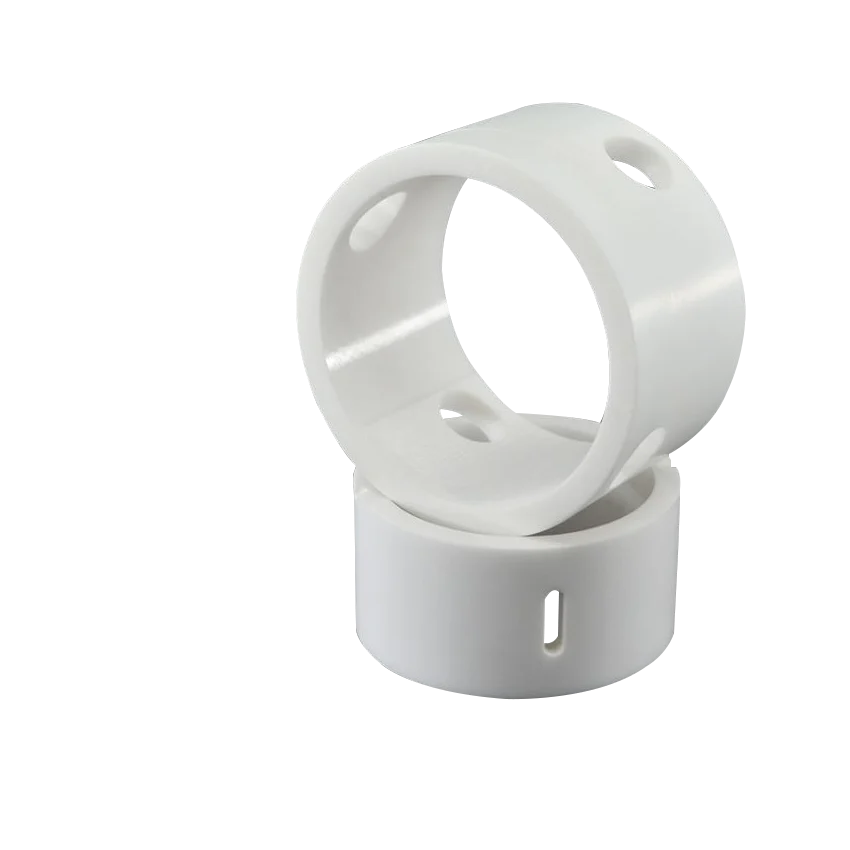
Alumina Ceramic
NOWARUN manufactures custom alumina ceramic plates from aluminium oxide (Al2O3) to customer drawings and data…
View specifications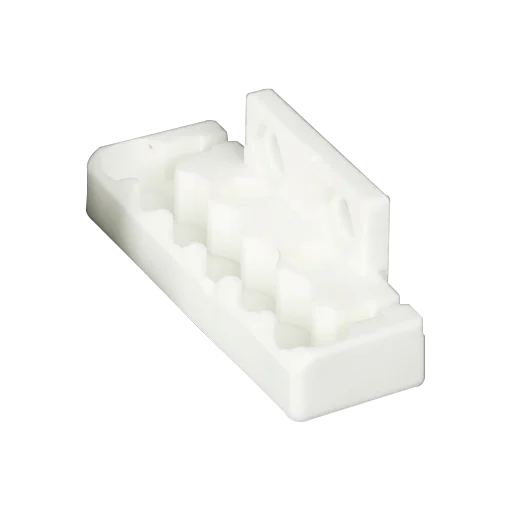
Ceremic terminal block
Ceramic terminal blocks, also termed porcelain connectors or 2 pole ceramic connecting terminals, are produced in 2…
View specifications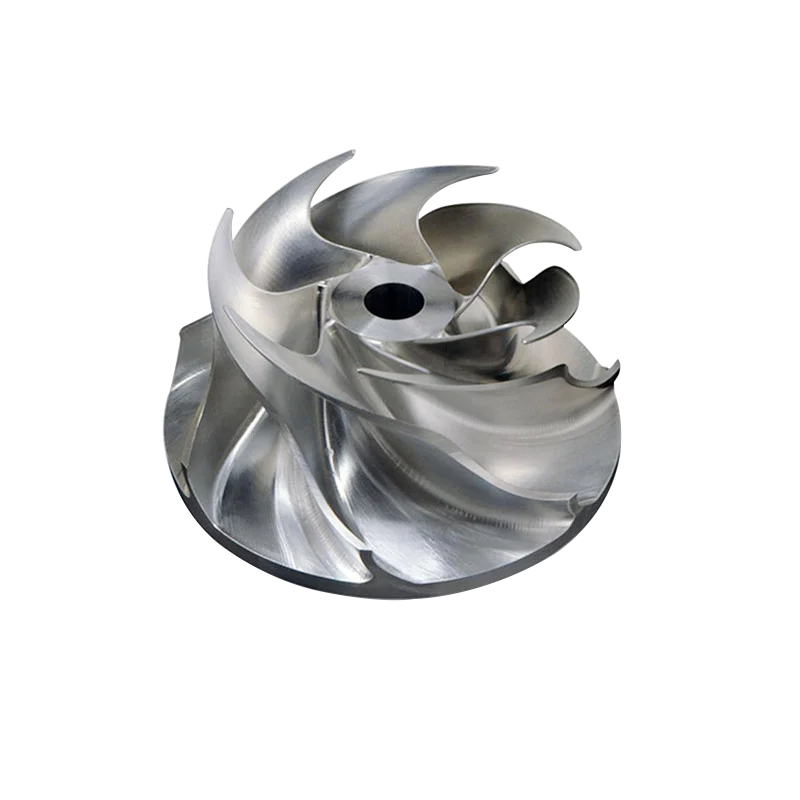
5 Axes CNC parts
5 axes CNC machining handles complex geometry, curved surfaces and multi-angle features in fewer setups, keeping…
View specifications
Shaft
Precision shafts transmit torque and locate rotating components, and NOWARUN machines them directly to customer…
View specificationsQuote Ceramic insulator to Your Drawing
Send the print with the quantity, material, tolerance and surface treatment. Missing details get asked about, not assumed.