
Lighting Design And Photometric Support
IES files and Dialux calculations before you commit to a head count, so the layout is proved on paper first.
The expensive mistake in commercial lighting is buying the fixture count from a rule of thumb and finding out on site that the lux level is wrong. We supply IES files for our fixtures and run Dialux calculations against your reflected ceiling plan, so beam angle, spacing and quantity are settled before the order is placed rather than after the container lands.
Every Step And What Can Go Wrong In It
Plan review
Problem: Fixture quantity guessed from floor area ignores ceiling height and display geometry
How we handle it: Send the reflected ceiling plan with ceiling heights and we work from the actual geometry
Photometric data
Problem: Without an IES file, no lighting designer can model your fixture
How we handle it: We supply IES files for our fixtures so they can be dropped straight into your own model
Dialux calculation
Problem: Lux levels and uniformity are argued about instead of calculated
How we handle it: We run a Dialux calculation and return lux at working plane, uniformity and the resulting fixture count
Beam angle selection
Problem: The wrong beam angle cannot be fixed after production on a fixed-beam head
How we handle it: Beam angle is chosen per zone from the calculation, or a zoomable head is specified where the layout is still uncertain
Specification freeze
Problem: Late changes to CCT or beam angle split a batch
How we handle it: The agreed specification is written into the order so the whole batch is built to one standard
Sample check
Problem: Calculations do not capture how a finish looks under the beam
How we handle it: A mock-up sample within 3 days lets you check the real material under the real fixture
From Enquiry To Shipment
Fixtures This Applies To
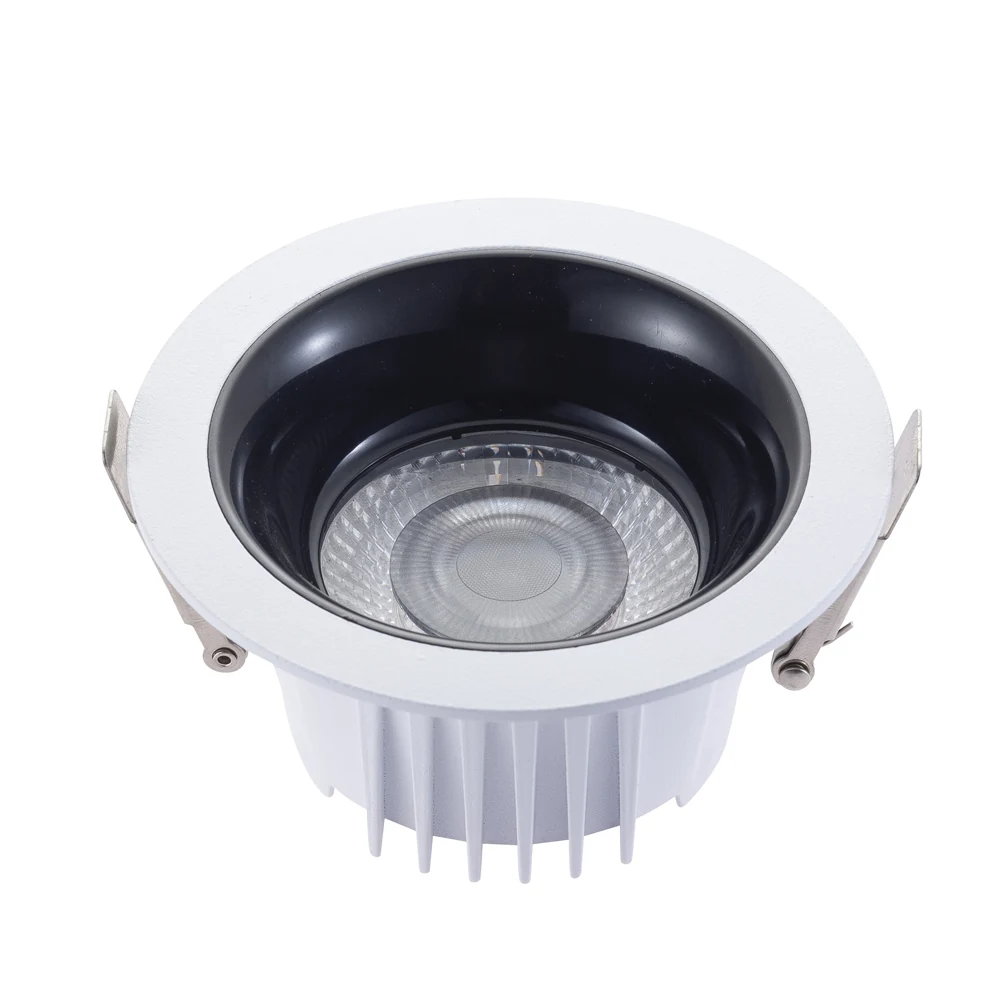
COB Recessed LED Downlight
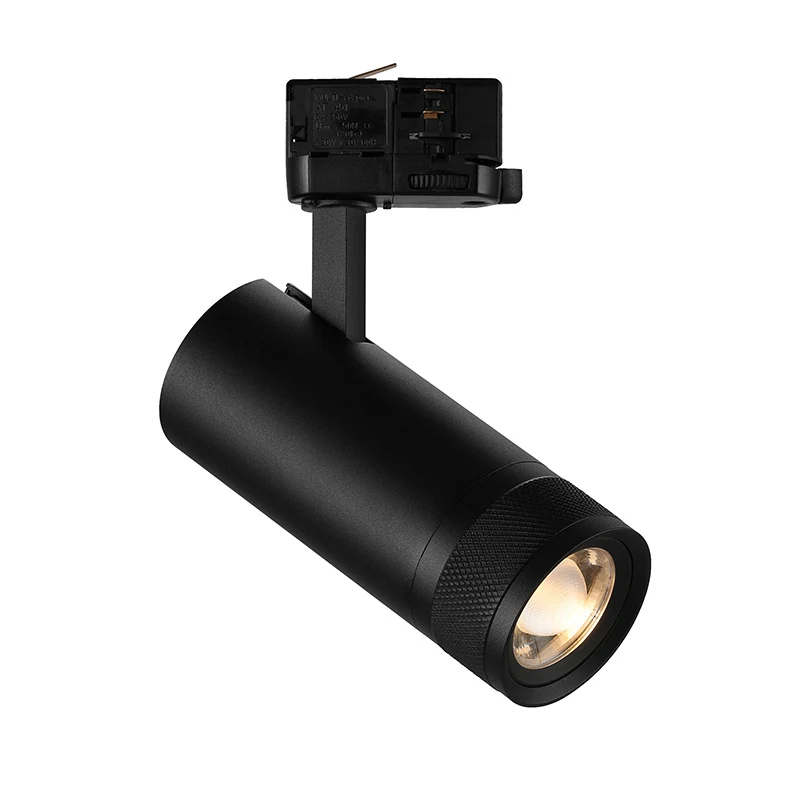
20W Zoomable LED Track Light
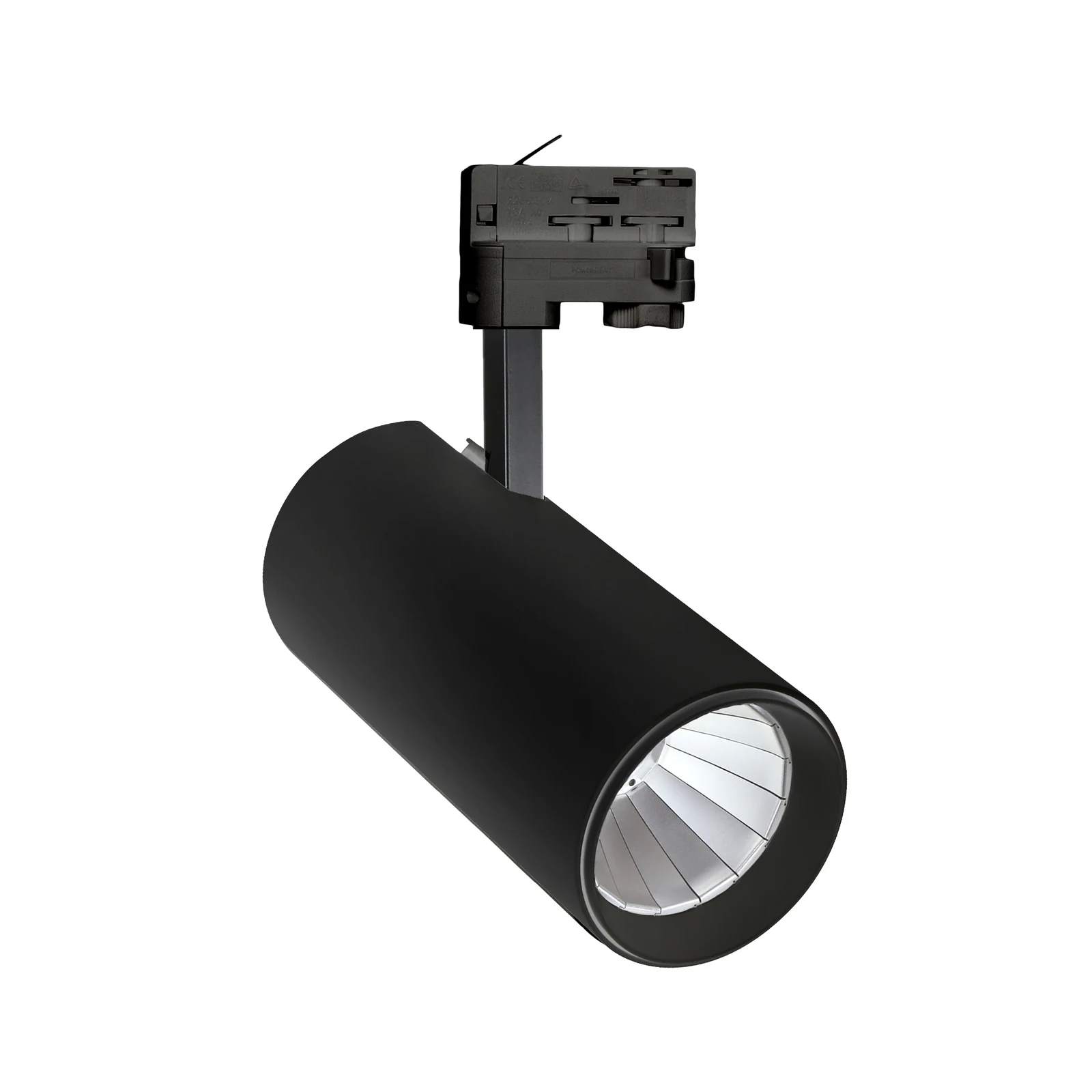
30W 3900lm LED Track Light
Read More
How To Choose The Beam Angle For A LED Track Light
Beam angle decides whether a display reads as an accent or a wash. This guide works from ceiling height and display width to the angle you should order.
What CRI Means For Retail And Hospitality Lighting
CRI is the number that decides whether merchandise looks like the catalogue. Here is what to specify and why the difference between 80 and 90 is visible.
UGR And Glare Control In Recessed LED Downlights
UGR below 19 is written into most office and hospitality specifications. This explains what produces the figure and how to hit it.
Frequently Asked Questions
Do you supply IES files?
Yes, for our fixtures, so your own designer can model them in Dialux or Relux.
Can you run the calculation for me?
Yes. Send the reflected ceiling plan with ceiling heights and the target lux level, and we will run a Dialux calculation.
What do you need from me to start?
The ceiling plan, the ceiling height, the target lux level or the standard you are working to, and what is on display in each zone.
What if I do not know the beam angle yet?
Specify a zoomable head for those zones. The installer sets the beam between roughly 15 and 60 degrees on site.
Is there a charge for the calculation?
Ask on WhatsApp with the project details. We handle this as part of quoting a project rather than as a separate service.
Start A Project With Lighting Design And Photometric Support
Send what you have, whether that is a sketch, a competitor fitting or a full ceiling plan. We will tell you what we need next.