
How to Read an X-Ray Scanner Specification Sheet
AWG, penetration resolution, typical versus guaranteed, and measurement distance. The four places specification sheets hide the real answer.
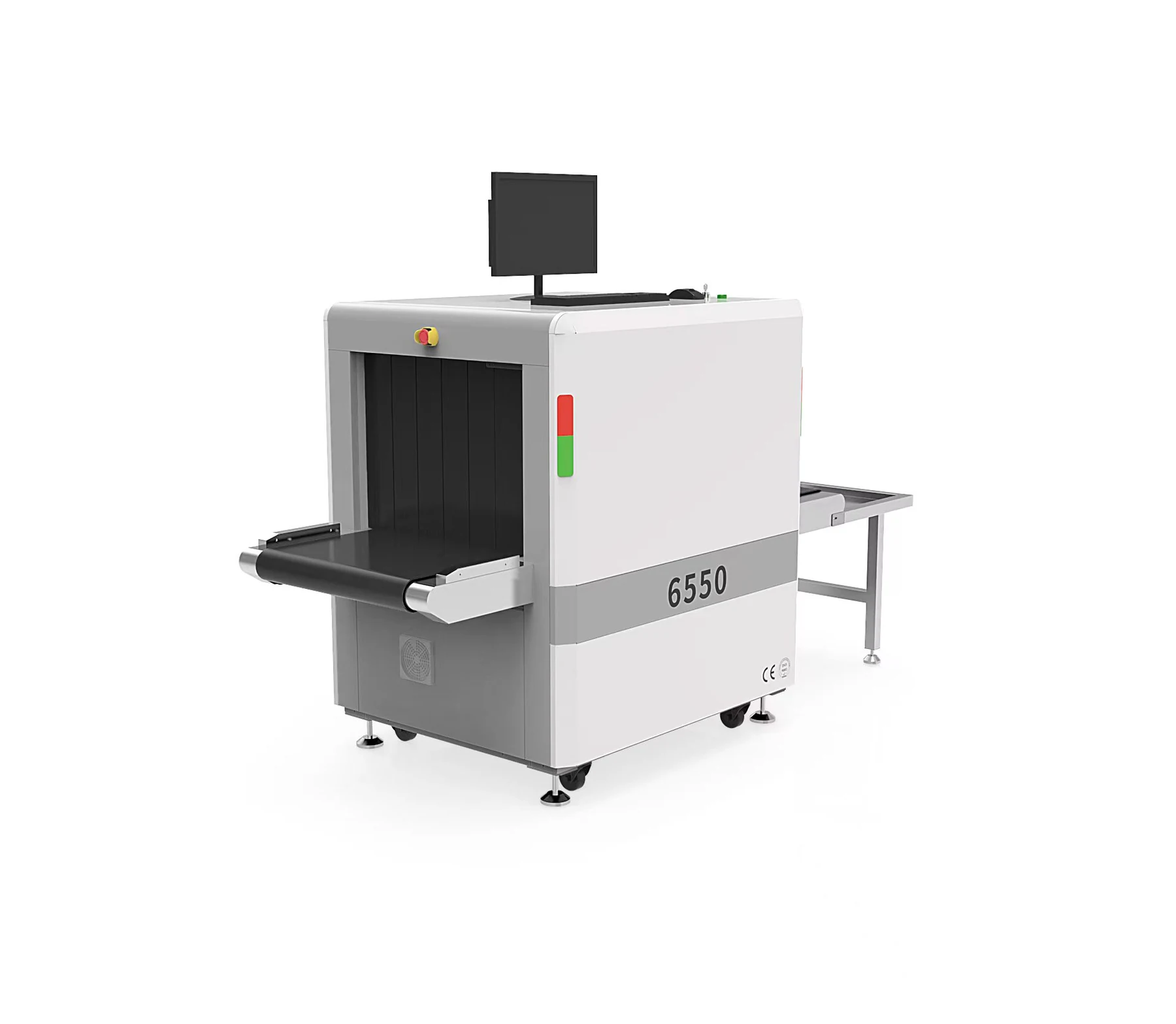
Wire resolution and penetration resolution are different tests
Wire resolution is the thinnest wire visible in open air, typically quoted as 38 AWG or 40 AWG, equal to 0.0787 mm of copper. Penetration resolution is the thinnest wire still visible behind a steel plate, typically 32 to 34 AWG, and it is the harder and more useful test. A scanner quoting only wire resolution is quoting the easier number.
Penetration always comes with a voltage
Steel penetration is meaningless without the tube voltage it was measured at. The VKJ-BK6040E states 30 mm at 140 kV and 38 mm at 160 kV, which is the correct way to publish it. If a figure appears with no voltage attached, ask for the voltage before comparing it against anything.
Typical versus guaranteed
The VKX 6040 publishes both throughout: 38 mm penetration typical against 34 mm guaranteed, AWG40 typical against AWG38 guaranteed, 2.5 microgray per inspection typical against 3.5 guaranteed. Typical is what it usually achieves; guaranteed is what it is warranted to achieve. Use guaranteed figures in a contract, and treat a sheet that publishes only typical figures as quoting its best day.
Leakage figures need a measurement distance
Radiation leakage is quoted at a stated distance from the housing, commonly 5 cm or 10 cm. The same machine produces a very different figure at each. Comparing a 5 cm figure from one supplier against a 10 cm figure from another is comparing nothing. Always normalise the distance first.
Duty cycle is a real constraint
A 100% duty cycle means the machine runs continuously. Anything less means it needs rest periods, which on a busy lane becomes a throughput limit nobody planned for. Sealed oil cooling, sometimes with fan dissipation, is what delivers 100% on the models in this range.
Conveyor load and belt height are the forgotten figures
Conveyor maximum loads here range from 100 kg to 2000 kg, and belt heights from 304 mm to 752 mm. A scanner that takes your bags but sits at the wrong height forces manual lifting all shift, and one rated for 100 kg will not take freight. Both figures are on the sheet and both are routinely skipped.
Frequently Asked Questions
Which resolution figure should we compare
Penetration resolution. It is the harder test and closer to real screening conditions.
A supplier quoted penetration with no voltage. Is that useful
No. Ask for the tube voltage before comparing it with anything.
Should we specify typical or guaranteed figures
Guaranteed, in any contract or tender. Typical figures are not enforceable.
Why do leakage figures vary so much between suppliers
Usually because they are measured at different distances. Normalise before comparing.
What does duty cycle mean for our lane
Below 100%, the scanner needs rest periods, which becomes a throughput ceiling during peaks.
Have a specific requirement
Send the dimensions, throughput and conditions. We will answer against your case rather than in general.