Industrial equipment and custom parts sourced from vetted Chinese factories since 2007
[email protected]Mon-Fri 09:00-18:00 GMT+8
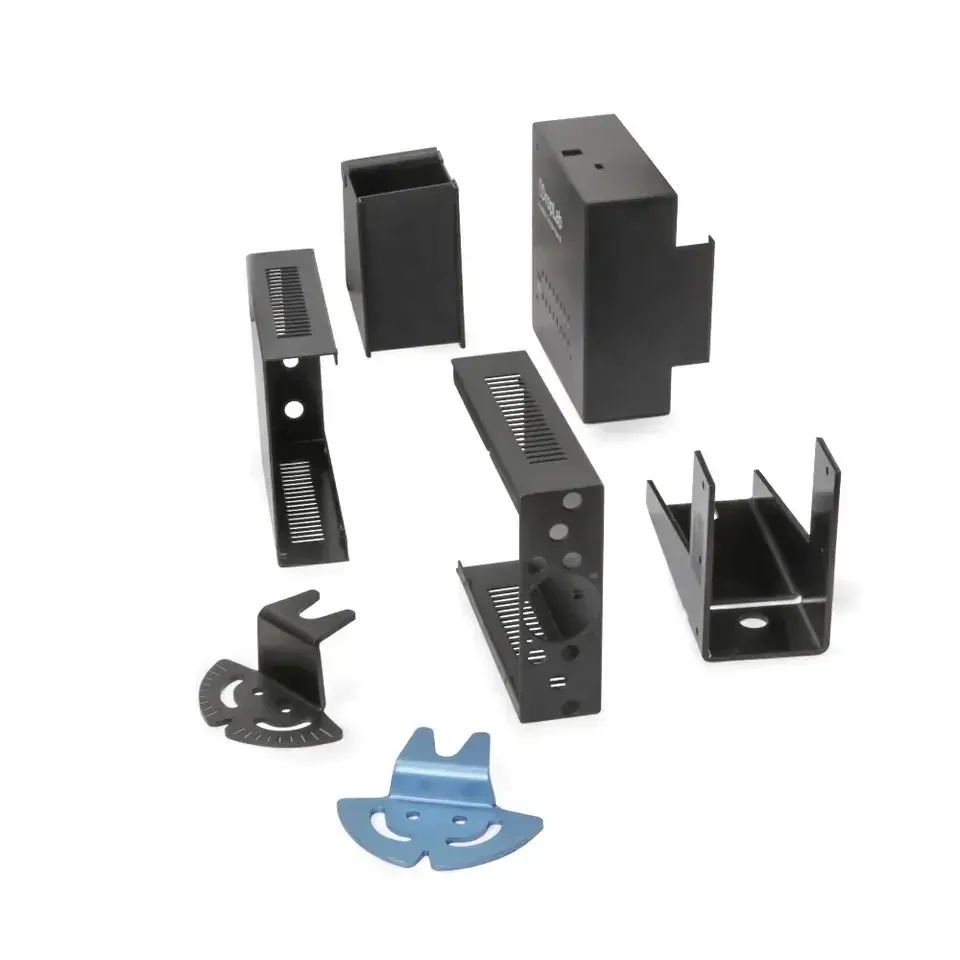
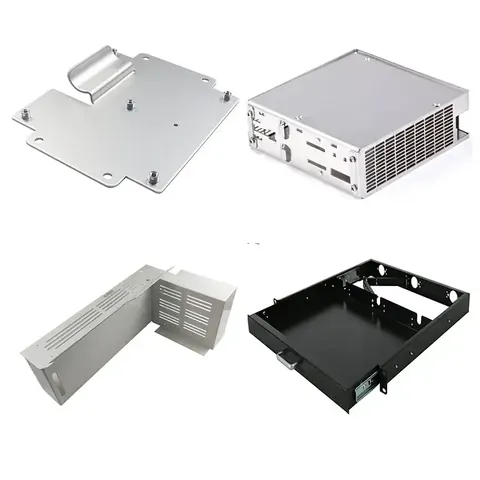
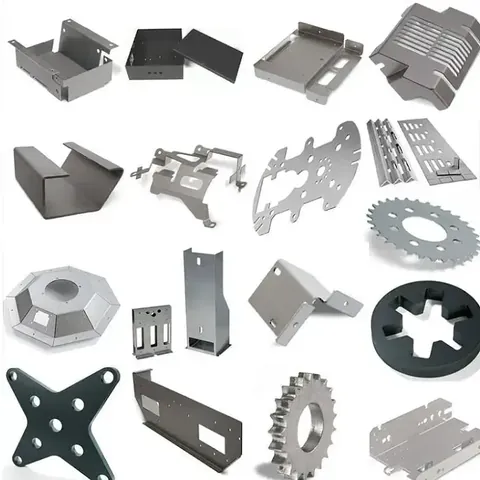
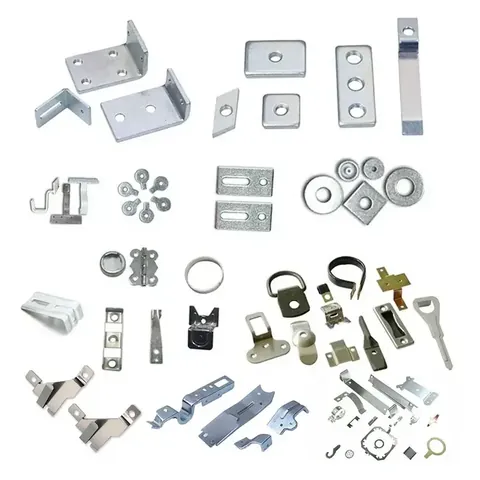
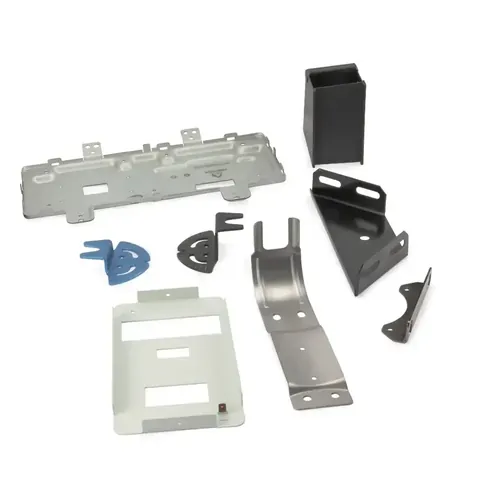
Sheet metal parts bent on computer controlled machines so the same angle is repeated across the batch rather than set up by hand each time. Bend radius is treated as a design decision and agreed before forming, because it decides whether an edge comes out sharp or smooth and whether the material survives the bend. Aluminum and 304 stainless are both handled, and the bending programme is written from your drawing so intricate formed parts, including those used in the electronics sector, come out to the same profile every run.
Computer controlled forming repeats the same bend angle across the batch so assemblies stop needing manual adjustment
Bend radius is confirmed with you before forming which prevents cracking and unexpected sharp edges
Aluminum and 304 stainless are both covered so a mixed material assembly can stay with one supplier
Tailored solutions are written from your drawing rather than forced into a standard bend library
Intricate formed designs including electronics sector parts are accepted as regular work
Hand set press brake work drifts between batches so parts no longer drop into the fixture
An unconsidered bend radius cracks the material or leaves an edge sharper than the design allows
Shops set up for simple bends decline intricate formed geometry
Splitting aluminum and stainless bending between suppliers doubles the qualification work
| Product Type | CNC bending parts |
|---|---|
| Process | Computer controlled bending of metal |
| Materials | Aluminum 304 stainless steel |
| Key Design Parameter | Bend radius set per drawing |
Figures shown are taken from the supplying factory documentation. Anything not listed here is confirmed in writing before order.
A manual setup is re-established by the operator each run while the programmed cycle repeats the same angle
Bending forms the shape from one blank so there is no weld seam to dress or inspect
Stock brackets fix the bend positions whereas a formed part follows the hole and flange layout you designed
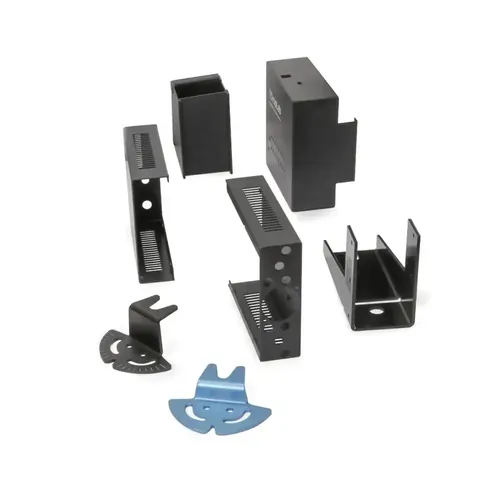
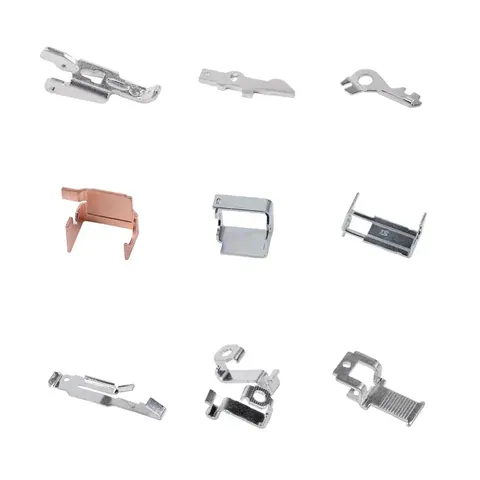
punching parts
Bespoke CNC punching produced against the client requirement rather than a fixed catalogue, covering both OEM ...
View Details →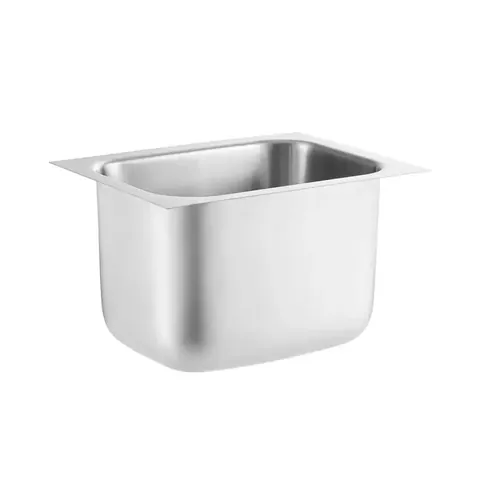
Deep Drawn Components
Deep drawing is a metal forming process in which a sheet metal blank is radially drawn into a forming die and ...
View Details →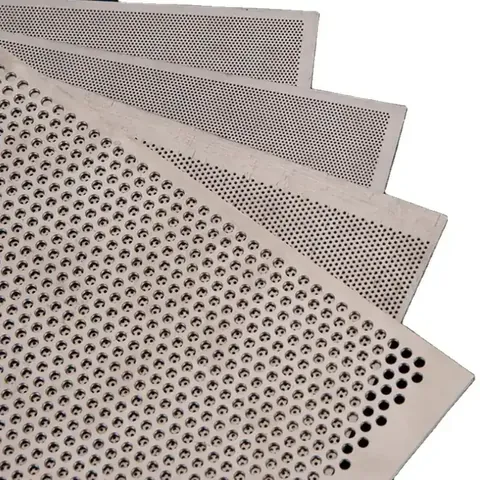
Decorative Perforated Metal Sheet
A perforated metal sheet is a sheet of metal that has been manually or mechanically stamped to create a patter...
View Details →Aluminum and 304 stainless steel are handled as standard. Tell us the grade and thickness so the bend radius can be checked against the material.
Bend radius decides how sharp or smooth a bend is and is agreed before forming, either from your drawing or recommended for the material you have chosen.
Intricate formed designs, including parts used in the electronics sector, are within scope. The geometry is reviewed from your drawing before quotation.
Angle tolerance depends on material, thickness and part size, so it is reviewed against your drawing and confirmed in writing with the quotation.
Minimum quantity depends on setup and part complexity and is confirmed with the quotation, including whether a sample run makes sense first.
Lead time follows material availability, quantity and part complexity and is stated in the written quotation rather than as a standing figure.
Send the drawing, capacity or duty cycle you need and we will come back with the factory match, the build detail and the commercial terms.
Email Our Sourcing TeamView Category