Industrial equipment and custom parts sourced from vetted Chinese factories since 2007
[email protected]Mon-Fri 09:00-18:00 GMT+8
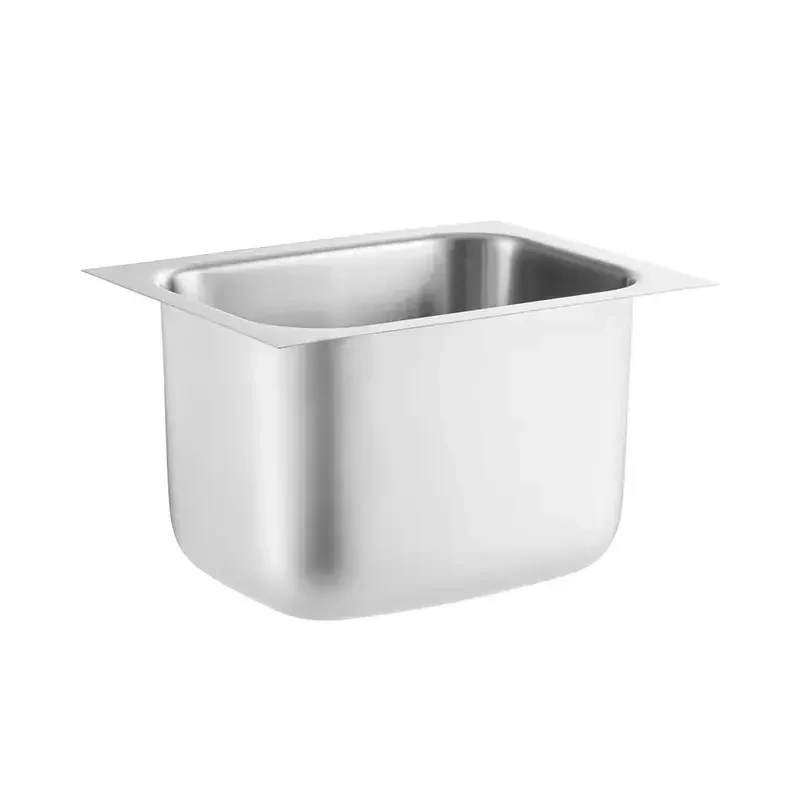
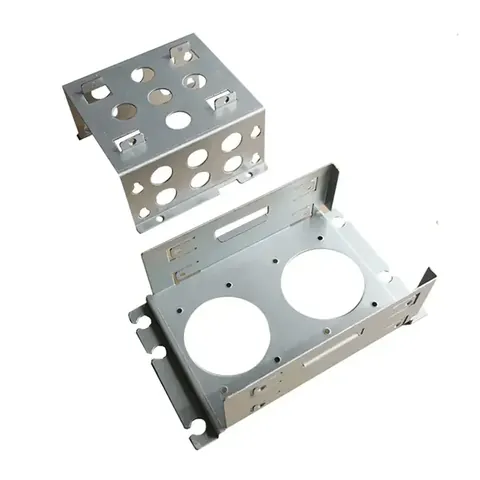
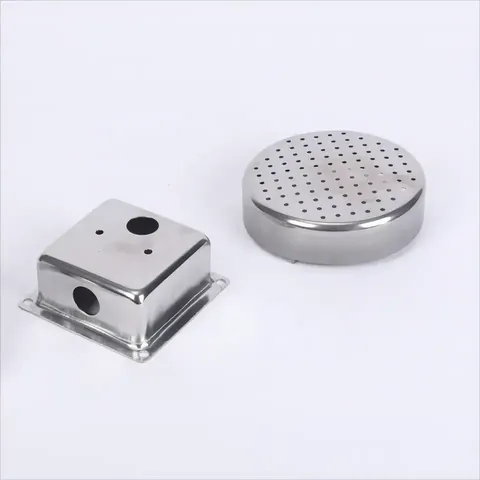
Deep drawing is a metal forming process in which a sheet metal blank is radially drawn into a forming die and transformed into a cavity, cylinder or cup. It produces intricate and precise components with high repeatability, which is why it is used for automotive fuel tanks and body parts, cooking pots, sinks and bathtubs, soda and beer cans and faucets and fixtures. Components are formed in aluminum, brass, stainless steel and titanium and can be welded and assembled where the finished part requires it.
Drawing a part from one blank removes the joints and seams that a fabricated equivalent would need
High repeatability across a run keeps later assembly and sealing operations consistent
Seamless drawn walls suit containers that must hold liquid without a welded joint to leak
Material options across aluminum brass stainless steel and titanium let one shape serve several product grades
Forming rather than machining the shape keeps material use and cycle time down on volume parts
Welded seams on a container create a leak path and an inspection burden
Machining a deep shape from solid wastes material and machine hours
Variation between formed parts causes problems at the sealing or assembly stage
A material change on a drawn part often means finding a new supplier
| Process | Deep drawing of sheet metal blanks |
|---|---|
| Formed Shapes | Cavity cylinder or cup |
| Typical Applications | Automotive household packaging construction |
| Materials | Aluminum brass stainless steel titanium |
Figures shown are taken from the supplying factory documentation. Anything not listed here is confirmed in writing before order.
A drawn part has no side seam so there is no weld to leak or inspect
Drawing forms the shape without removing the material a cavity would waste
Deep drawing reaches depths that a single stamping operation cannot form
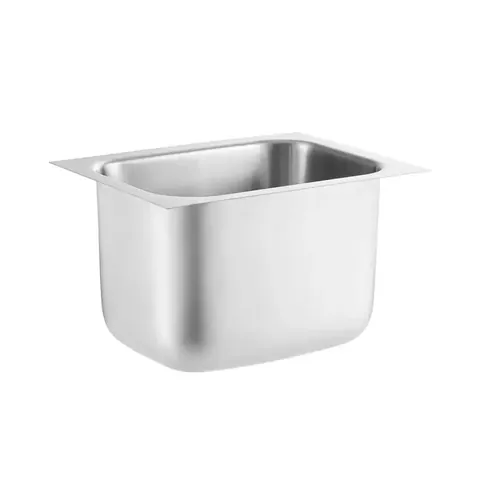
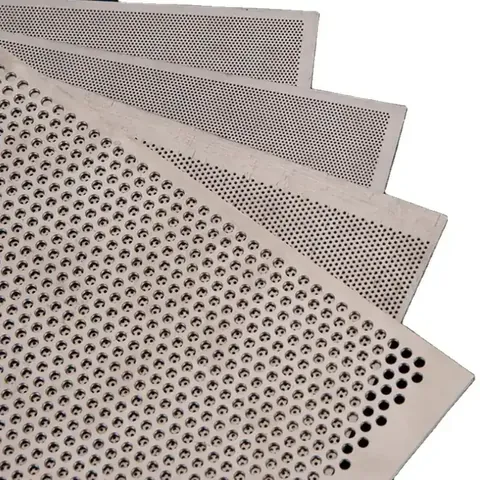
Decorative Perforated Metal Sheet
A perforated metal sheet is a sheet of metal that has been manually or mechanically stamped to create a patter...
View Details →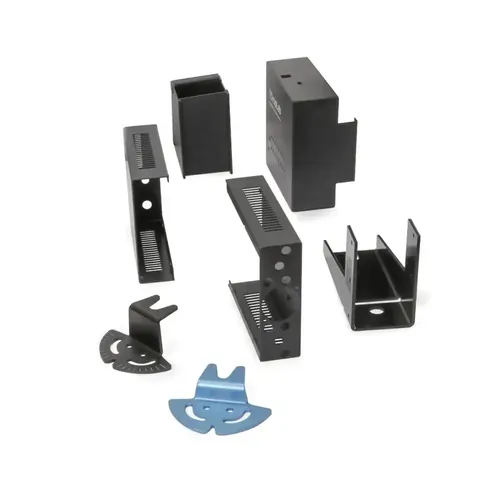
CNC Bending Parts
Sheet metal parts bent on computer controlled machines so the same angle is repeated across the batch rather t...
View Details →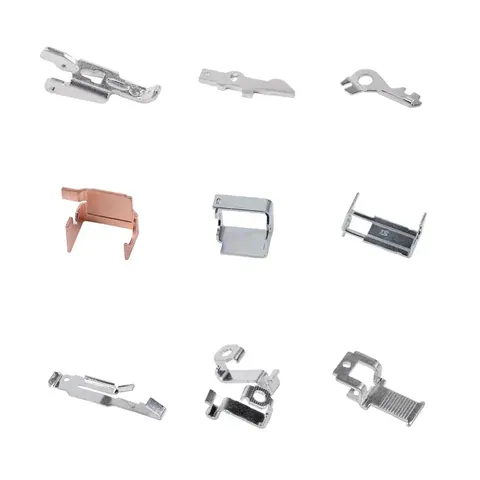
punching parts
Bespoke CNC punching produced against the client requirement rather than a fixed catalogue, covering both OEM ...
View Details →It is a metal forming process where a sheet metal blank is radially drawn into a forming die and transformed into a cavity, cylinder or cup.
Automotive fuel tanks and body parts, cooking pots, sinks and bathtubs, soda and beer cans, and faucets and fixtures are typical examples.
Aluminum, brass, stainless steel and titanium are used, and the choice depends on the part function and finish.
Yes. Deep drawing has limitations related to material and geometry, and the feasibility of your shape is reviewed before quotation.
Achievable tolerance depends on the material, depth and number of draw stages and is confirmed against your drawing with the quotation.
Lead time depends on tooling requirements and quantity and is confirmed in writing with the quotation.
Send the drawing, capacity or duty cycle you need and we will come back with the factory match, the build detail and the commercial terms.
Email Our Sourcing TeamView Category