Industrial equipment and custom parts sourced from vetted Chinese factories since 2007
[email protected]Mon-Fri 09:00-18:00 GMT+8
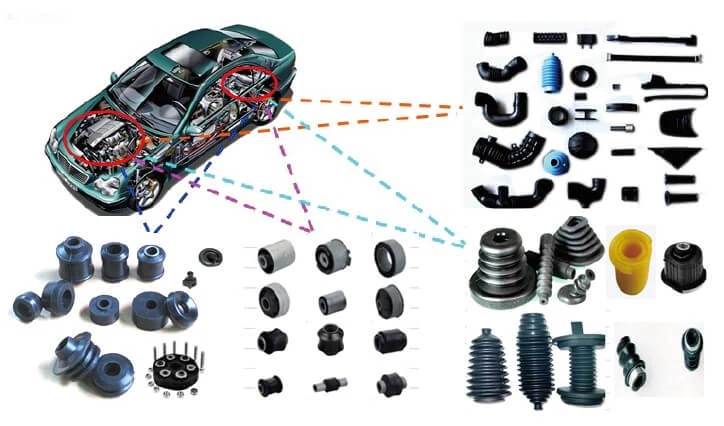
Automotive shock absorbers, bushings and shocker bushes produced as bonded rubber to metal assemblies rather than assembled from bought-in halves. The work runs through an in-house machining workshop and a coating workshop, so metal parts are machined on site, coated and then have the rubber produced directly onto them. Keeping the metal work, the coating and the rubber bonding under one roof is what controls the bond line, which is where this type of part usually fails. The bushes are made from materials chosen to resist wear and tear so the vehicle suspension keeps working as designed rather than loosening over service life.
Machining coating and rubber bonding in one plant removes the handover where bond defects usually originate
Metal parts machined in house means the bush interface is made to the drawing instead of to a supplier substitute
Coating applied before bonding protects the metal core so the part does not corrode from inside the joint
Wear resistant bush material keeps suspension geometry stable rather than developing play
One supplier covers shock absorbers and their bushes so the mating parts are dimensioned together
Bushes that separate at the rubber to metal bond fail early and take the shock absorber out with them
Metal cores bought in from a separate supplier do not always match the bush drawing
Uncoated metal corrodes at the bond interface and weakens the joint in service
Worn bushes let suspension geometry drift, which shows as noise and poor handling
Splitting absorber and bush supply across vendors leaves the fit between them unverified
| Product Range | Automotive shock absorbers bushings and shocker bushes |
|---|---|
| Construction | Rubber produced onto machined metal parts |
| In-house Capability | Machining workshop and coating workshop |
| Application | Vehicle suspension systems |
Figures shown are taken from the supplying factory documentation. Anything not listed here is confirmed in writing before order.
A bonded assembly made in one plant controls the bond line rather than relying on two suppliers matching
A rubber bonded bush absorbs road input instead of transmitting it into the vehicle body
A coated core resists corrosion at the bond interface, which is where an untreated part starts to fail
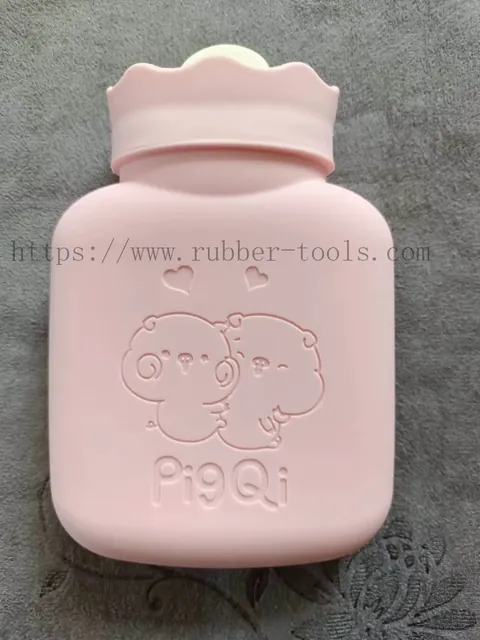
Silicone Hot Water Bag
A silicone hot water bag measuring 13.8cm by 10cm by 3.5cm with a capacity of 300ml, built from silica gel wit...
View Details →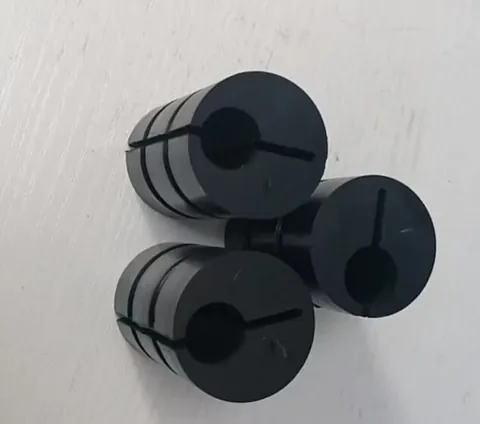
SBR Rubber Products
All kinds of rubber products can be supplied in SBR material, including counterweight blocks of the type produ...
View Details →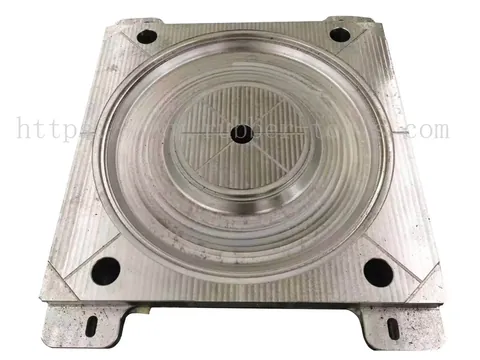
Rubber Mold
Rubber molds are designed and made in an in-house mold manufacturing workshop staffed by an experienced struct...
View Details →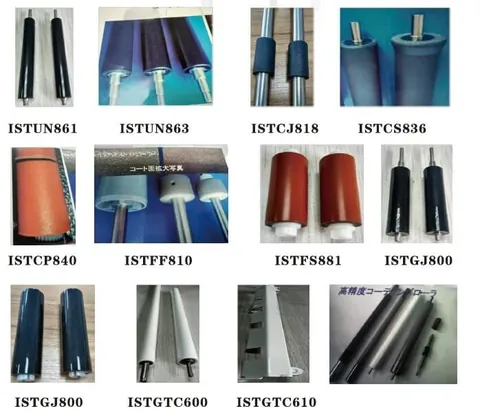
Industrial Rubber Rollers
Rubber covered rollers made for the transport and surface contact positions inside production machinery. The r...
View Details →Yes. There is an in-house machining workshop and a coating workshop, and the rubber is then produced onto the machined metal parts.
Automotive shock absorbers, bushings and shocker bushes.
Yes. The metal core is machined to your drawing and the rubber is bonded onto it, so the bush matches your mounting interface.
It is coated in the coating workshop before the rubber is produced onto it, which protects the metal at the bond interface.
Machining, coating and bonding all happen in the same plant, and the bond is verified before the part is released.
Both depend on the part, the tooling status and the coating specification, and both are confirmed in writing with the quotation.
Send the drawing, capacity or duty cycle you need and we will come back with the factory match, the build detail and the commercial terms.
Email Our Sourcing TeamView Category