Industrial equipment and custom parts sourced from vetted Chinese factories since 2007
[email protected]Mon-Fri 09:00-18:00 GMT+8
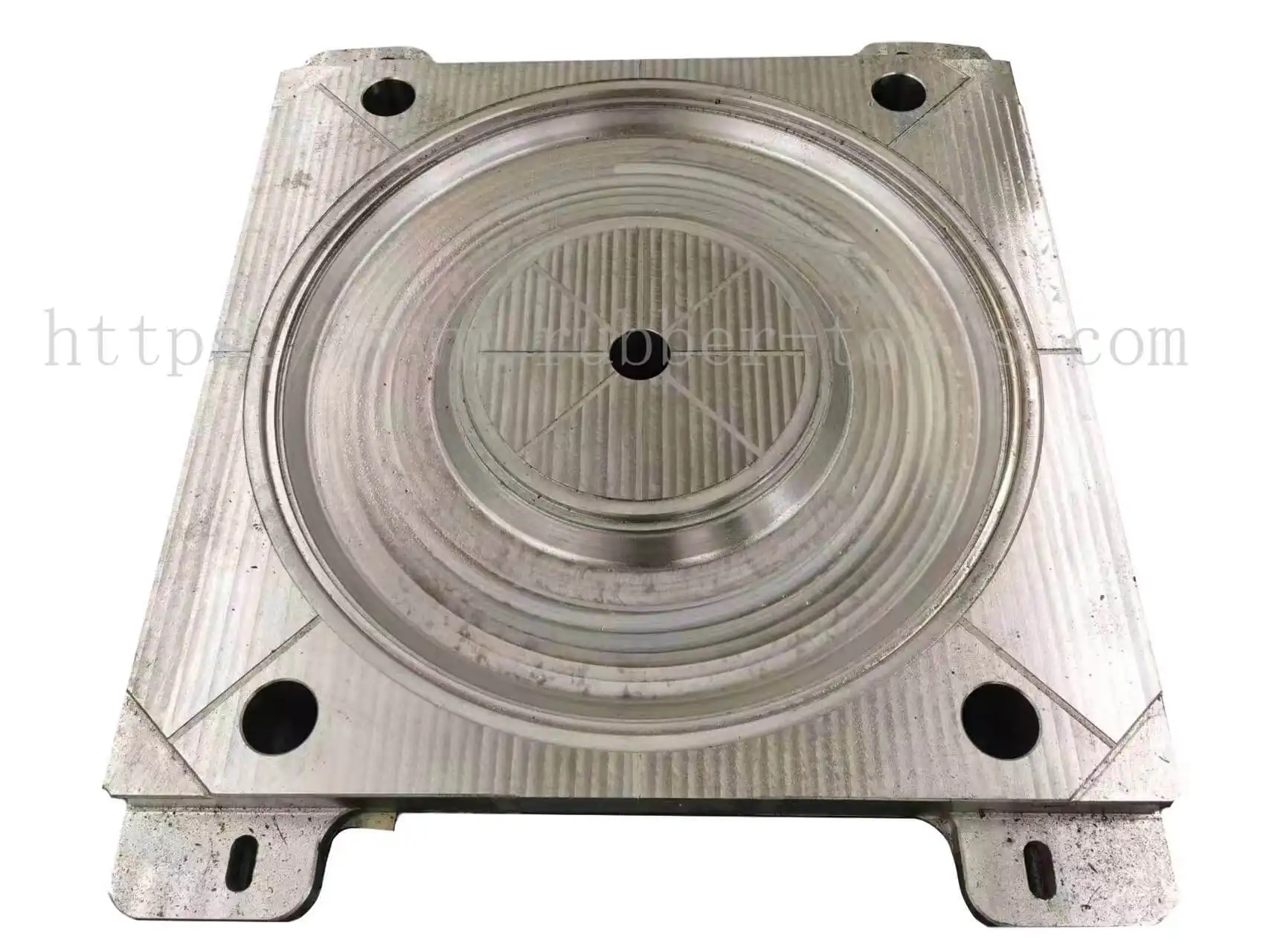
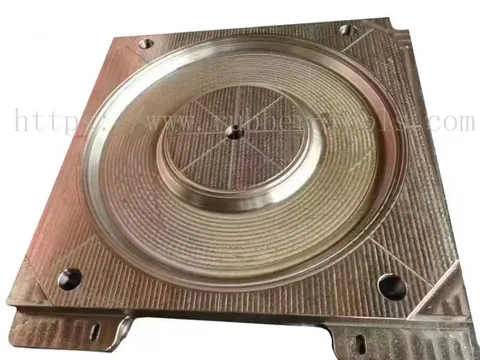
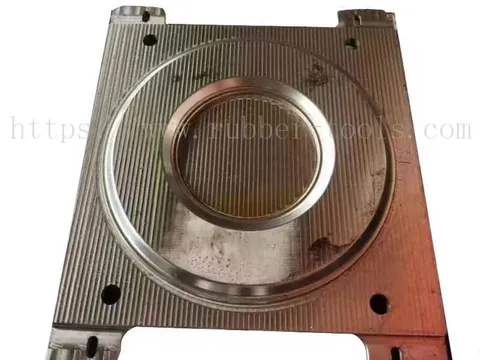
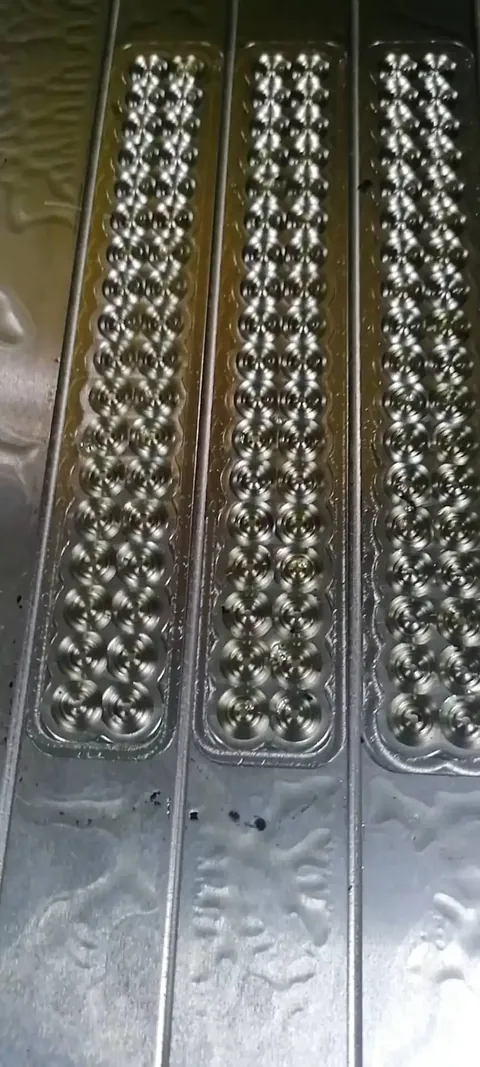
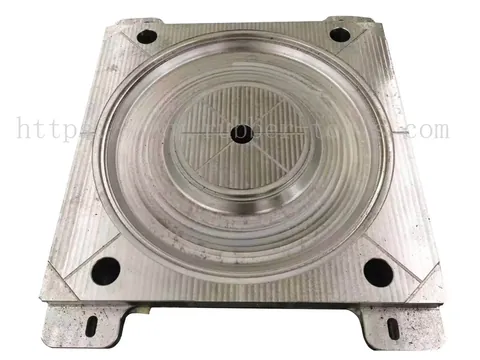
Rubber molds are designed and made in an in-house mold manufacturing workshop staffed by an experienced structural design engineer, so tooling can be developed independently rather than routed through a third party. Both compression molds, suitable for larger parts with simpler designs, and transfer molds, for intricate designs and over-molding applications, are covered. The molds capture fine detail so the finished part matches its drawing, they suit both small and large-scale production, and they are built from durable materials to withstand repeated use without degrading. Typical output includes automotive seals and gaskets, medical instrument and equipment parts, consumer goods and construction seals gaskets and insulation components.
Mold design and part design handled by the same engineer so a difficult feature is resolved before the steel is cut
Compression and transfer options mean the tooling type matches the part rather than the part being forced into one method
Detail capture holds the part to drawing so downstream assembly does not need selective fitting
Tool life under repeated cycles keeps the cost per part falling as volume builds
One tool scales from pilot quantities to full production without a second tooling spend
A part designed without tooling input needs rework once the mold is already cut
Compression tooling used for an intricate part gives flash and short fills
Molds that wear quickly drift out of tolerance partway through a production run
Separate tooling for pilot and production volumes doubles the tooling investment
Over-molded assemblies fail when the tool cannot control the interface between materials
| Mold Types | Compression and transfer |
|---|---|
| Compression Mold Use | Large parts with simpler designs |
| Transfer Mold Use | Intricate designs and over-molding applications |
| Applications | Automotive medical consumer goods construction |
| Production Scale | Small and large-scale runs |
| Capability | In-house design development and manufacture |
Figures shown are taken from the supplying factory documentation. Anything not listed here is confirmed in writing before order.
Lower tooling cost and suited to larger parts whose geometry is straightforward
Handles intricate geometry and over-molding where compression tooling would flash or fill short
An in-house workshop with the design engineer on site shortens the correction loop on trial parts
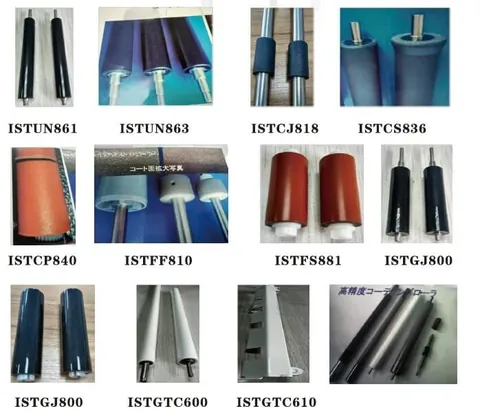
Industrial Rubber Rollers
Rubber covered rollers made for the transport and surface contact positions inside production machinery. The r...
View Details →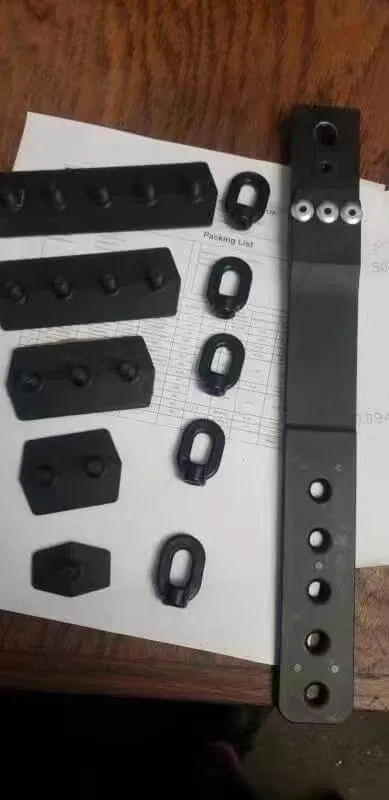
Custom Plastic Parts
Custom plastic parts made to the specification on your drawing rather than adapted from a catalogue item. The ...
View Details →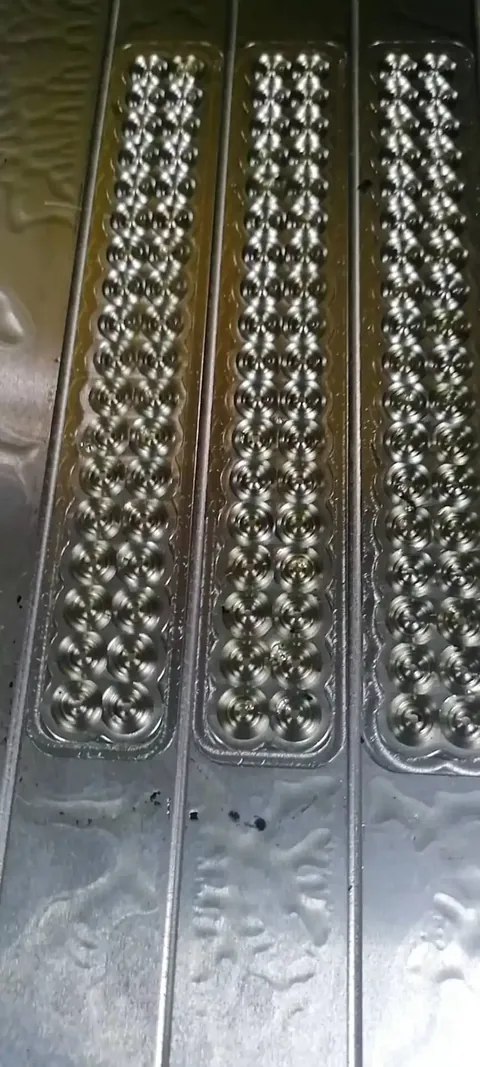
O Ring Mold
O ring molds designed and manufactured in an in-house mold workshop that builds a variety of molds and tools. ...
View Details →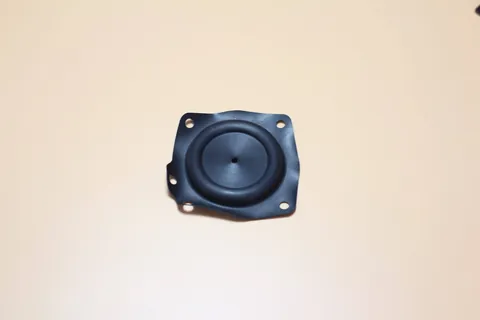
Plastic Parts
Plastic parts sourced and supervised rather than simply forwarded. Three plastic production suppliers sit behi...
View Details →Yes. The workshop has an experienced structural design engineer and rubber molds are designed and developed independently.
Compression molds suit large parts with simpler designs. Transfer molds are for intricate designs and over-molding applications.
Automotive seals and gaskets, medical flexible instruments and equipment parts, consumer goods such as household items and toys, and construction seals, gaskets and insulation components.
The tooling is suitable for both small and large-scale production, and cavity count is set against the volume you expect.
Molds are built from durable materials to withstand repeated use. Actual tool life depends on the compound, cycle conditions and cavity count and is discussed with the tooling quotation.
The part drawing, the rubber compound, the annual volume and your press details. Lead time and price are then confirmed in writing with the quotation.
Send the drawing, capacity or duty cycle you need and we will come back with the factory match, the build detail and the commercial terms.
Email Our Sourcing TeamView Category