
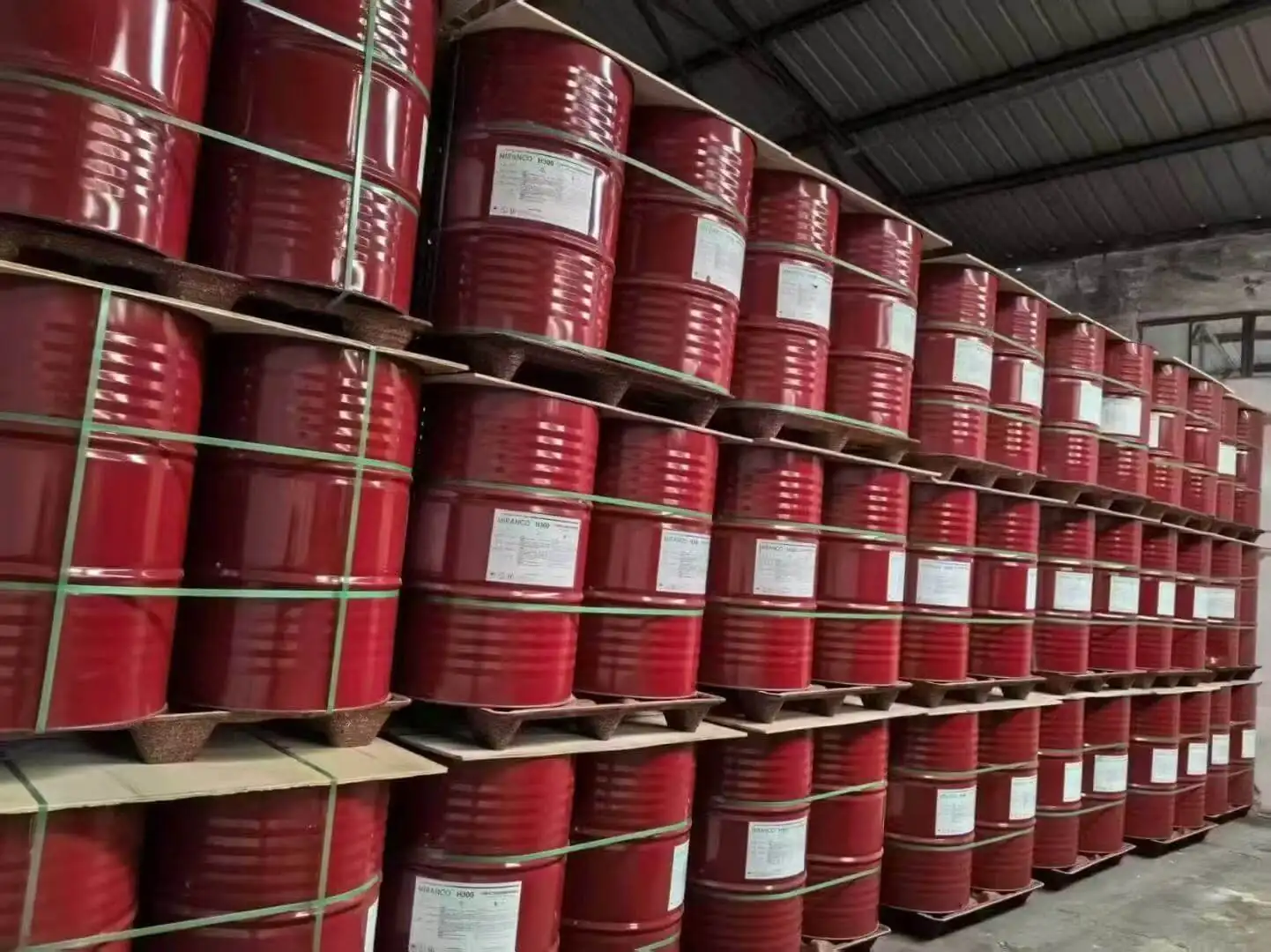
Aromatic vs Aliphatic Isocyanates How to Choose
Aromatic isocyanates are faster and cheaper. Aliphatic isocyanates keep their colour. This guide sets out which property actually decides the choice.
The Structural Difference
In an aromatic isocyanate such as TDI or MDI the NCO groups are attached directly to a benzene ring. In an aliphatic isocyanate such as HDI the NCO groups sit on a straight carbon chain, and in a cycloaliphatic such as IPDI they sit on a saturated ring. That single structural difference drives almost every practical distinction between the two families.
Reactivity and Cost
Aromatic grades are more reactive, which is why TDI dominates flexible slabstock foam and MDI dominates rigid insulation foam. They are also the lower cost route per kilogram of NCO. TDI carries around 48.0 to 48.3 percent NCO and MDI 33.6 percent or above, so the aromatic route delivers a lot of reactive groups per drum.
Light Stability
Aromatic structures absorb UV and degrade to coloured products, which is why an aromatic clearcoat ambers outdoors. Aliphatic HDI at 49.7 percent NCO minimum and cycloaliphatic IPDI at 37.5 percent NCO minimum do not, which is why automotive refinish clearcoats and exterior topcoats are built on them.
The Special Case of XDI
XDI has NCO groups attached through methylene bridges to an aromatic ring. The result behaves like an aliphatic material: outstanding non yellowing performance and optical clarity, which is why it is used for high refractive index optical lens resins.
A Practical Rule
If the part is hidden, foamed or painted over, aromatic chemistry is usually the right economic answer. If the surface is visible, exposed to daylight and judged on appearance after several years, pay for aliphatic chemistry. Anything in between should be trialled rather than assumed.
Products Covered in This Guide
The aromatic isocyanate behind flexible polyurethane foam
View Specifications
The rigid foam and elastomer workhorse supplied as 4,4'-MDI
View Specifications
The aliphatic building block behind non yellowing polyurethane coatings
View Specifications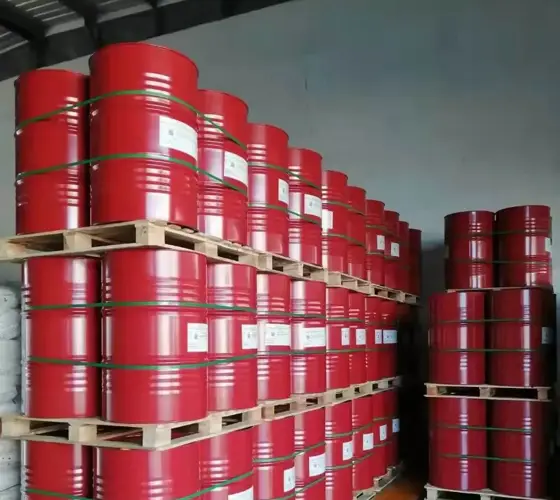
Cycloaliphatic diisocyanate for hard weather resistant coatings
View Specifications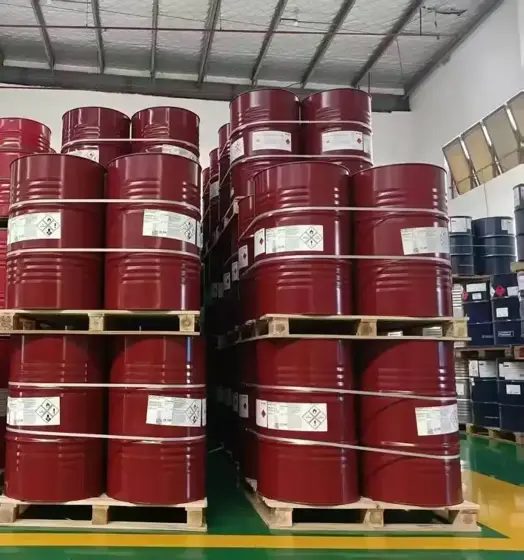
Optical grade diisocyanate with aliphatic behaviour and aromatic economics
View Specifications
Premium aromatic diisocyanate for high dynamic load elastomers
View SpecificationsRelated Reading
Both are aliphatic HDI derivatives and both give light stable coatings. Their crosslink density, viscosity and flexibility are not the same.
Read The Guide
EEW, colour, viscosity and softening point are the four numbers that decide whether a resin grade fits your process.
Read The Guide
Latency is the whole point. This guide explains what melting point and activation temperature tell you about shelf life and cure schedule.
Read The GuideQuestions About This Guide
Where do the figures in this guide come from?
From the manufacturer grade tables published on our own product pages. Every number quoted here appears on a product page on this site.
Can you help me apply this to my formulation?
Yes. Send us your performance target, processing conditions and the grade you currently use, and we will come back with a recommendation within 24 hours.
Can I get samples of the grades discussed here?
Yes. Samples are free of charge with shipping at your cost, and take about 7 days.
What if my requirement sits between two grades?
That happens often. Ask for both samples and decide on your own line, because pot life and cure behaviour depend on your catalyst, temperature and humidity rather than on a datasheet.
Apply This to Your Own Formulation
Send the constraint and we will name the grade. Samples in about 7 days.