
Electronics and Electrical
Electronic materials fail on impurities long before they fail on mechanical properties. Total chlorine, colour and latency matter more here than headline strength figures.
What Goes Wrong in This Industry
Common Pain Points
- Ionic contamination from resin chlorine content attacking fine pitch circuitry
- One component encapsulants that begin to advance in storage before they are used
- Copper clad laminate production needing consistent Tg batch after batch
What We Supply Against Them
- Electronic grade epoxy resins including low total chlorine options at 1500 ppm or below
- Imidazole latent curing agents listed by melting point and activation temperature for predictable one component behaviour
- o-Cresol and bisphenol F epoxy grades for high thermal and chemical resistance laminates
Materials We Supply Into Electronics and Electrical
How an Order Runs
Specification
You send the performance target or the incumbent grade. We confirm what matches within 24 hours.
Sample
Free samples for laboratory testing and formulation validation, about 7 days, with shipping at your cost.
Quotation
Priced against current market conditions. Terms are 30% deposit in advance, 70% against a copy of the bill of lading.
Production And Inspection
Quality control across incoming materials, production and finished product inspection, with a batch certificate of analysis.
Packing And Documentation
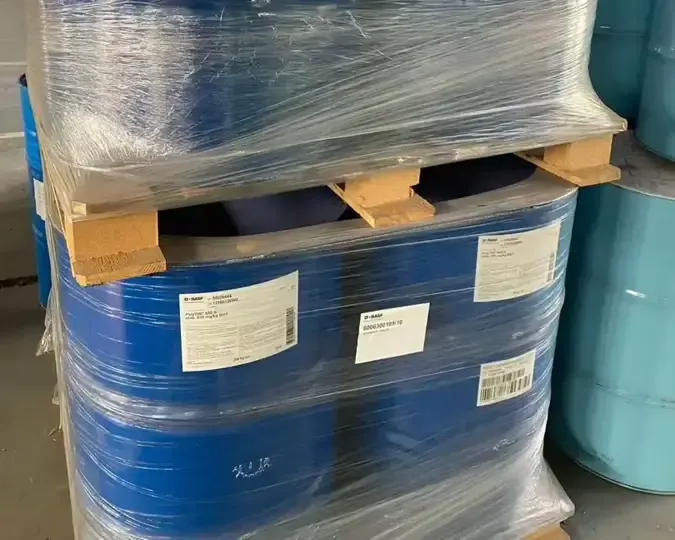
Export packaging, specialised hazard packing for dangerous goods, and validated cold storage shippers where the material requires it.
Shipment
Sea, land or air routing coordinated through our Hong Kong entity. 20-30 days after the deposit is received.
Related Process Guides
A 2K polyurethane coating is a negotiation between pot life, dry speed, hardness and weathering. This is how we work through it with a formulator.
See The Process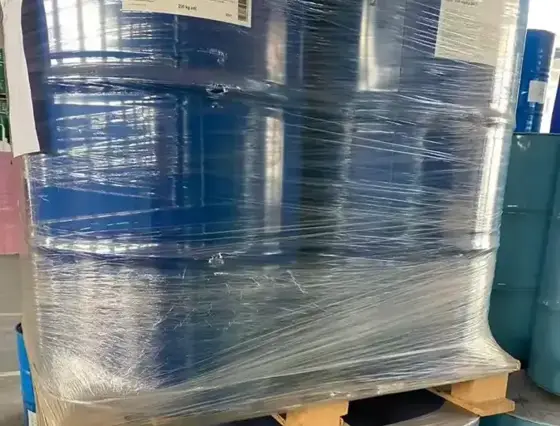
Epoxy work is resin plus hardener plus cure schedule. Changing any one of the three changes the other two, so we specify them together.
See The Process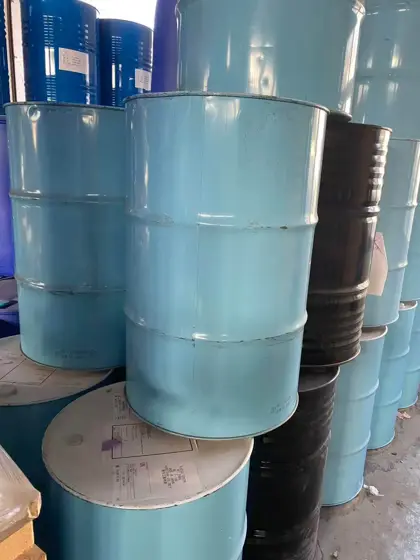
Cast elastomers, rollers and TPU all come down to three components: the isocyanate, the polyol soft segment and the chain extender.
See The ProcessGuides For This Industry
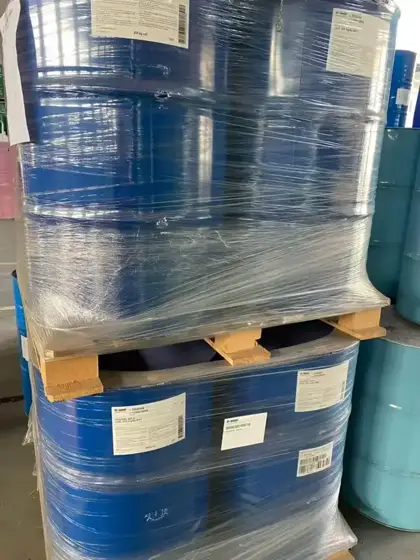
EEW, colour, viscosity and softening point are the four numbers that decide whether a resin grade fits your process.
Read The Guide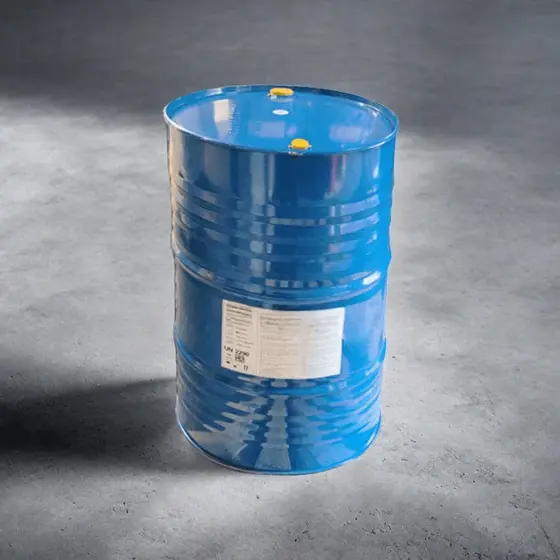
Latency is the whole point. This guide explains what melting point and activation temperature tell you about shelf life and cure schedule.
Read The Guide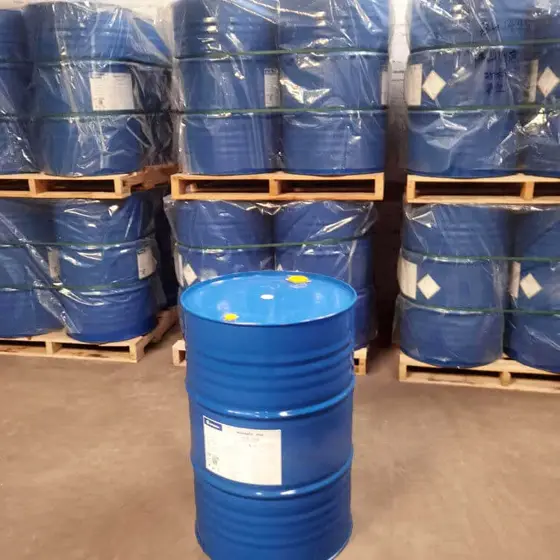
Amine hydrogen equivalent weight and molecular weight explain almost everything about how a polyetheramine will behave in your system.
Read The GuideElectronics and Electrical Questions
Which products do you supply into electronics and electrical?
The products listed on this page: Epoxy Resins, Imidazole Type Epoxy Resin Curing Agents. Each one carries its full grade table on its own page.
Can you match a grade we already use?
Send the datasheet or the key figures — NCO content, equivalent weight, viscosity, solids — and we will say which of our grades matches and which do not. We will also say when nothing matches.
What volumes do you supply?
All international orders carry a minimum order quantity. Standard packing formats in this range are 200 kg steel drums and 1,000 kg IBC, with bulk supply available on request for regular volumes.
How long does a first order take?
Samples about 7 days. Mass production 20-30 days after the deposit is received, once your final approval is given.
Do you provide technical support during qualification?
Yes. We give product selection advice and formulation support based on your application requirements, processing conditions and performance targets.
Talk to Someone Who Knows the Electronics and Electrical Requirement
Technical response within 24 hours. Tell us the property you need to hit and the volume you run.