
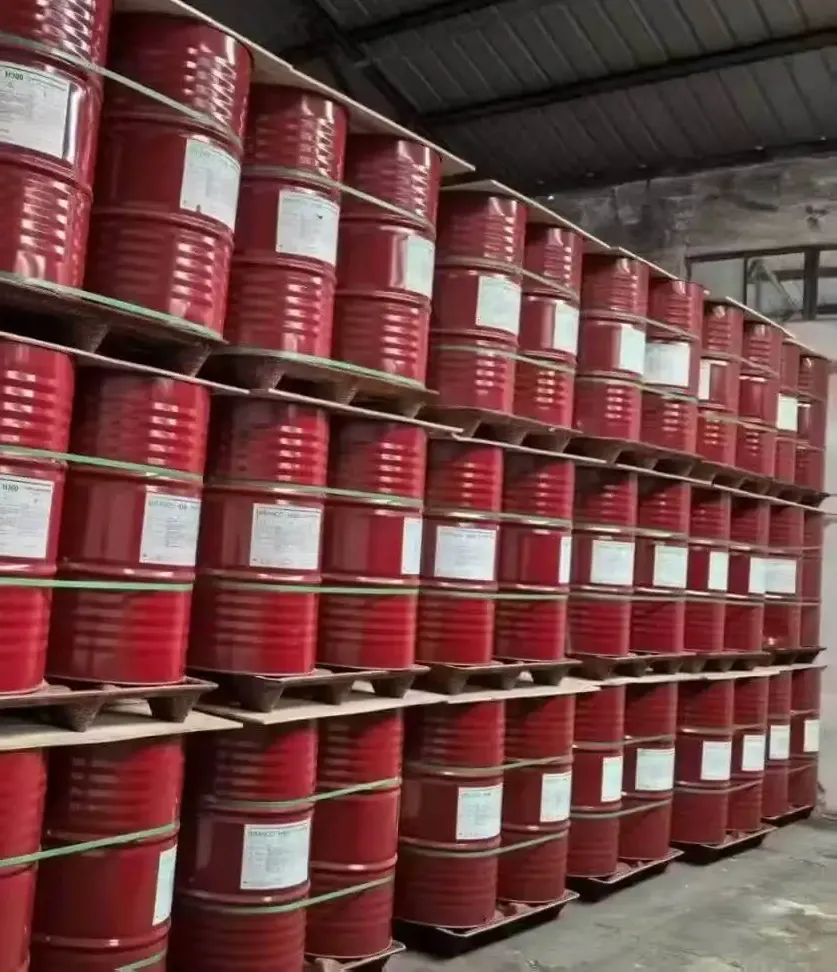
MDI Diphenylmethane Diisocyanate
The rigid foam and elastomer workhorse supplied as 4,4'-MDI
What This Product Is and Who Buys It
MDI is a white to pale yellow crystalline solid aromatic diisocyanate at room temperature, handled molten in production. It is the core raw material for rigid insulation foams and for high strength polyurethane elastomers, adhesives and coatings, and it is specified when mechanical strength and thermal insulation are the deliverables.
Key Benefits
- Excellent mechanical strength and thermal insulation performance in the finished foam
- Lower vapour pressure than TDI, which changes the handling picture in a plant
- NCO content of 33.6 percent or above with 99.5 percent minimum purity
- Hydrolysed chlorine held at 50 mg/kg maximum, the tightest limit in our aromatic range
Where This Material Is Used
Who It Is For
- Rigid insulation panel and refrigeration foam producers
- Elastomer and castable manufacturers
- Automotive interior component suppliers
- Structural adhesive formulators
Problems It Solves
- Insulation panels that have to hit a thermal conductivity target at a fixed thickness
- Elastomer systems needing higher mechanical strength than TDI chemistry delivers
- Applications where the higher vapour pressure of TDI is a workplace exposure concern
Technical Features
- White to pale yellow solid, supplied as flakes or fused material
- Molecular formula C15H10N2O2, molecular weight 250.3 g/mol
- Solid at room temperature, handled molten at around 50°C
- Colour value held at 30 maximum
Specifications
These figures are the manufacturer grade data as published for this product family. Anything not listed below has not been confirmed and is marked TBC on request rather than estimated.
| Property | Specification |
|---|---|
| Appearance | White to pale yellow solid, flakes or fused |
| NCO Content (%) | ≥ 33.6 |
| Purity (%) | ≥ 99.5 |
| Colour Value | ≤ 30 |
| Hydrolysed Chlorine Content | ≤ 50 mg/kg |
| Density at 50°C molten | ≈ 1.23 g/cm³ |
| Molecular Weight | 250.3 g/mol |
Grades listed are representative and not exhaustive. Ask for the batch certificate of analysis on the grade you intend to buy.
How It Compares
Within the Isocyanates category this product is positioned by the numbers in the table above rather than by a marketing claim. Compare NCO content, viscosity, equivalent weight or hydroxyl value against the alternative you are considering, and if the two are close, ask us for both samples and decide on your own line.
Quality and Documentation
Quality control runs across incoming raw materials, production and finished product inspection. A batch certificate of analysis is supplied with every shipment. We are a supply and trading company working with named manufacturers and OEM partners, so certification held by the producing plant is provided on request per grade rather than claimed here as ours.
Customisation
Customised grades and packing formats are available through our OEM partners and specialised manufacturing facilities. Tell us the property you need to move and we will say whether it is a grade change, a packaging change or not possible.
Industries Using This Product

Automotive coatings and interiors are where yellowing resistance, gloss retention and seat comfort are all judged by the end customer rather than by a laboratory.
See Applications
Comfort products are judged by how they feel after three years, not on the day they ship. That is a raw material question about foam resilience and coating durability.
See ApplicationsWhere This Product Fits In A Wider System
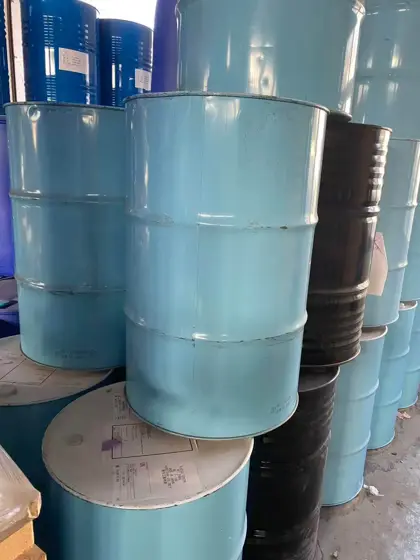
Cast elastomers, rollers and TPU all come down to three components: the isocyanate, the polyol soft segment and the chain extender.
See The Process
Regulated chemical raw materials are not hard to buy. They are hard to buy repeatedly, on time, with documentation that clears customs the first time.
See The ProcessMDI Questions
Is this pure 4,4'-MDI or polymeric MDI?
This listing is 4,4'-diphenylmethane diisocyanate, the pure monomeric grade, at 99.5 percent purity minimum. Tell us if you need a polymeric grade instead and we will quote it separately.
How is a solid isocyanate handled?
It is melted before use, typically around 50 degrees C where the density figure of 1.23 g/cm³ is quoted. Repeated melting cycles degrade quality, so plan drum usage accordingly.
Why is the chlorine limit tighter than on TDI?
MDI is widely used in elastomers and adhesives where hydrolysable chlorine directly affects reactivity and storage stability. The 50 mg/kg maximum reflects that.
What is the minimum order quantity?
All international orders carry a minimum order quantity. Send us your annual volume and we will confirm what applies to this grade.
Products Often Bought Alongside This One
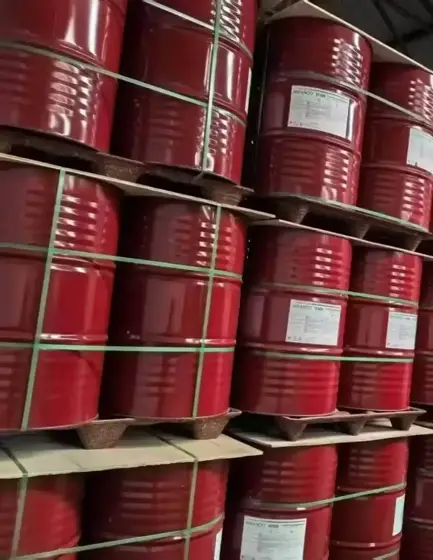
The aromatic isocyanate behind flexible polyurethane foam
View Specifications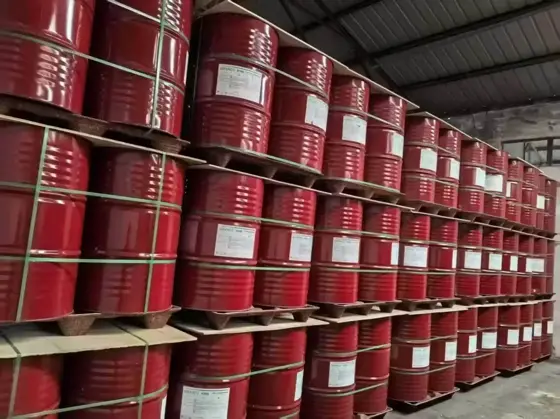
Premium aromatic diisocyanate for high dynamic load elastomers
View SpecificationsDiols triols tetrols and modified grades from 300 to 10000 molecular weight
View Specifications
High purity BDO at 99.8 percent with matched amine catalysts
View SpecificationsRequest a Quote or a Sample of MDI
Samples take about 7 days and are free of charge with shipping at your cost. Production orders ship 20-30 days after the deposit is received.