
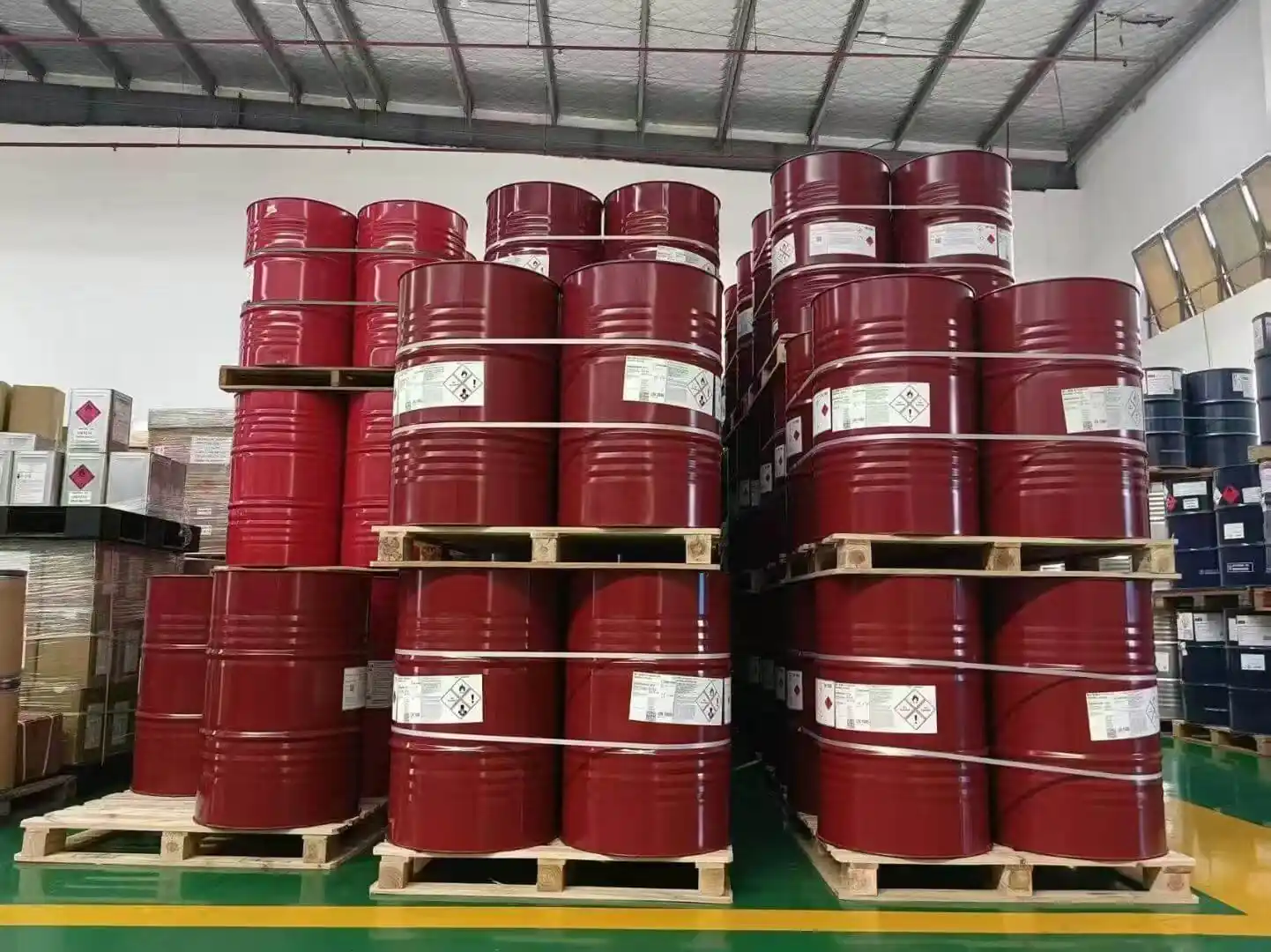
HDI Biuret vs HDI Isocyanurate Which Hardener to Specify
Both are aliphatic HDI derivatives and both give light stable coatings. Their crosslink density, viscosity and flexibility are not the same.
What the Two Structures Are
A biuret is formed by reacting HDI with water to link three HDI units through a biuret group. An isocyanurate is formed by trimerising HDI into a stable six membered ring. Both raise the molecular weight and cut free monomer, but the ring structure is more rigid.
NCO Content in Practice
Solvent free biuret grades such as HB-100 carry 21.7 to 22.3 percent NCO. Solvent free isocyanurate grades run from 11.0 percent on flexible grades such as N 3800 up to 23.5 percent on weather resistant grades such as N 3900.
Viscosity and Handling
Solvent free biuret grades are viscous, around 9000 mPa·s at 25 degrees C for HB-100. Solution grades bring that down sharply: HB-75B at 75 percent solids in butyl acetate sits at 150 mPa·s. Low viscosity isocyanurate grades such as N 3600 are available where high solids and sprayability have to coexist.
Where Each One Wins
Biuret grades give better flexibility and are the usual choice for high build and solvent free coatings. Isocyanurate grades give higher crosslink density, faster drying and stronger weathering, which is why they dominate automotive refinish and exterior industrial topcoats.
Free Monomer and Handling
Low free HDI monomer content, at 0.2 percent or below on our biuret series, matters for workplace exposure as well as for coating performance. Ask for the figure rather than assuming it.
Storage
Both families are supplied with a 12 month shelf life stored in original sealed containers between 5 and 30 degrees C, protected from moisture and direct sunlight.
Products Covered in This Guide
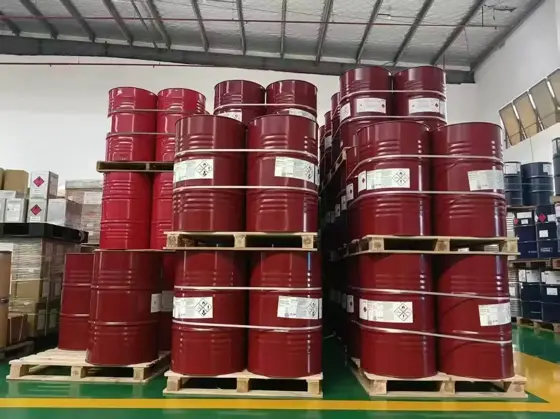
The HB series for flexible high build light resistant polyurethane coatings
View Specifications
Biuret and isocyanurate grades for light stable 2K polyurethane coatings
View Specifications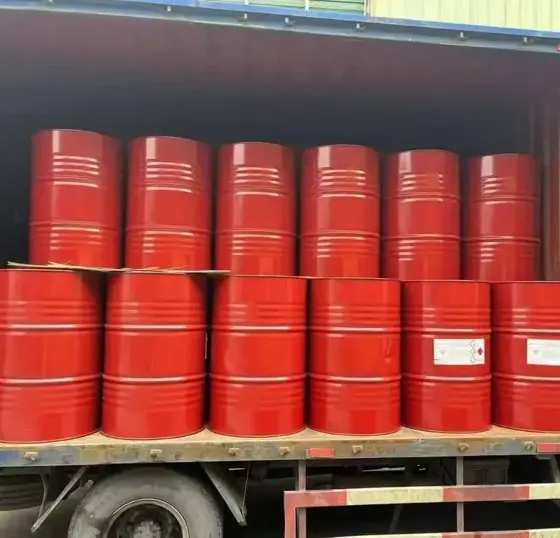
The aliphatic building block behind non yellowing polyurethane coatings
View SpecificationsRelated Reading
Aromatic isocyanates are faster and cheaper. Aliphatic isocyanates keep their colour. This guide sets out which property actually decides the choice.
Read The Guide
EEW, colour, viscosity and softening point are the four numbers that decide whether a resin grade fits your process.
Read The Guide
Latency is the whole point. This guide explains what melting point and activation temperature tell you about shelf life and cure schedule.
Read The GuideQuestions About This Guide
Where do the figures in this guide come from?
From the manufacturer grade tables published on our own product pages. Every number quoted here appears on a product page on this site.
Can you help me apply this to my formulation?
Yes. Send us your performance target, processing conditions and the grade you currently use, and we will come back with a recommendation within 24 hours.
Can I get samples of the grades discussed here?
Yes. Samples are free of charge with shipping at your cost, and take about 7 days.
What if my requirement sits between two grades?
That happens often. Ask for both samples and decide on your own line, because pot life and cure behaviour depend on your catalyst, temperature and humidity rather than on a datasheet.
Apply This to Your Own Formulation
Send the constraint and we will name the grade. Samples in about 7 days.