
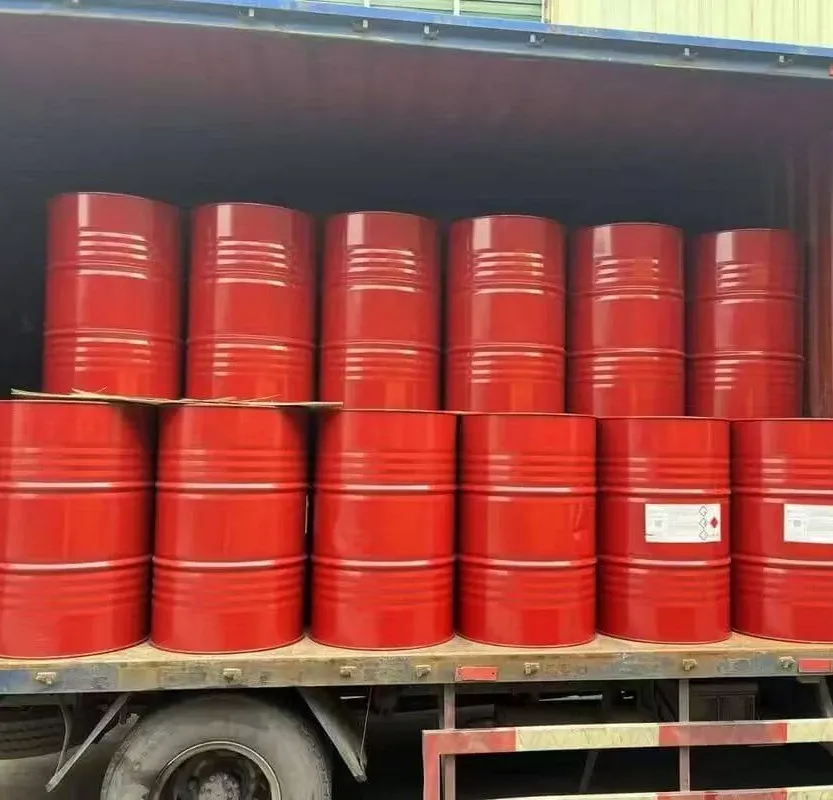
HDI Hexamethylene-1,6-Diisocyanate
The aliphatic building block behind non yellowing polyurethane coatings
What This Product Is and Who Buys It
HDI is a colourless liquid aliphatic diisocyanate with a pungent odour and high reactivity. It is rarely used neat. Its role is as the raw material from which HDI trimer, biuret and uretdione polyisocyanates are synthesised for two component polyurethane coatings, adhesives, elastomers and sealants.
Key Benefits
- Excellent weather resistance and non yellowing performance in the derivatives made from it
- High gloss retention and UV stability for exterior and automotive topcoats
- High reactivity as a synthesis feedstock
- Supplied at 99.5 percent purity minimum with stated chlorine limits


Where This Material Is Used
Who It Is For
- Polyisocyanate manufacturers synthesising trimer and biuret derivatives
- Coating resin producers
- Adhesive and elastomer compounders
Problems It Solves
- Aromatic isocyanate based topcoats amber and lose gloss under UV exposure
- Derivative synthesis needs a feedstock with tightly controlled purity and hydrolysable chlorine
- Colour value drift in the feedstock shows up as colour in the finished clearcoat
Technical Features
- Colourless liquid at ambient temperature
- Molecular formula C8H12N2O2
- Aliphatic straight chain structure, no aromatic ring to absorb UV
- Pungent irritating odour, requires appropriate handling and ventilation
Specifications
These figures are the manufacturer grade data as published for this product family. Anything not listed below has not been confirmed and is marked TBC on request rather than estimated.
| Property | Specification |
|---|---|
| Appearance | Colourless liquid |
| NCO Content (%) | ≥ 49.7 |
| Purity (%) | ≥ 99.5 |
| Colour Value | ≤ 30 |
| Hydrolysed Chlorine Content | ≤ 100 mg/kg |
| Density at 20°C | 1.05 g/cm³ |
Grades listed are representative and not exhaustive. Ask for the batch certificate of analysis on the grade you intend to buy.
How It Compares
Within the Isocyanates category this product is positioned by the numbers in the table above rather than by a marketing claim. Compare NCO content, viscosity, equivalent weight or hydroxyl value against the alternative you are considering, and if the two are close, ask us for both samples and decide on your own line.
Quality and Documentation
Quality control runs across incoming raw materials, production and finished product inspection. A batch certificate of analysis is supplied with every shipment. We are a supply and trading company working with named manufacturers and OEM partners, so certification held by the producing plant is provided on request per grade rather than claimed here as ours.
Customisation
Customised grades and packing formats are available through our OEM partners and specialised manufacturing facilities. Tell us the property you need to move and we will say whether it is a grade change, a packaging change or not possible.


HDI Questions
Is HDI used directly in coatings?
Almost never. HDI monomer is the feedstock for HDI trimer, biuret and uretdione polyisocyanates, which is the form that goes into a coating. If you are formulating a 2K topcoat, look at our HDI Trimer or HDI Biuret pages instead.
What is the hydrolysable chlorine limit?
100 mg/kg maximum on this grade. Chlorine content affects both storage stability and the reactivity of the derivatives you synthesise from it.
Why does HDI cost more than TDI?
Aliphatic chemistry is more expensive to produce than aromatic. You pay the difference to get a coating that does not yellow, so it is only worth paying on visible exposed surfaces.
What packaging is available?
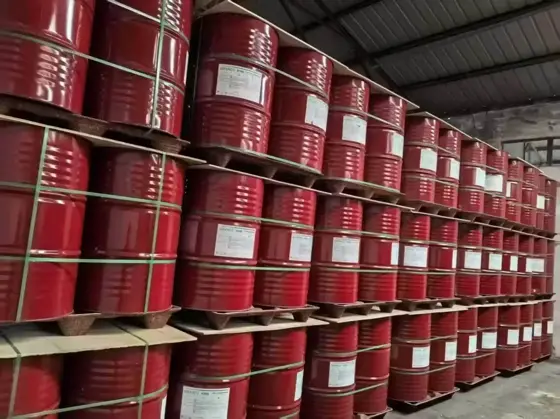
Contact us with your volume. Standard packing for this category is 200 kg steel drums with hazard packing and export documentation prepared as part of the order.
Products Often Bought Alongside This One
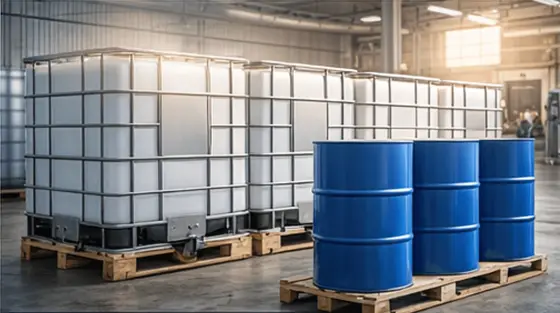
Biuret and isocyanurate grades for light stable 2K polyurethane coatings
View Specifications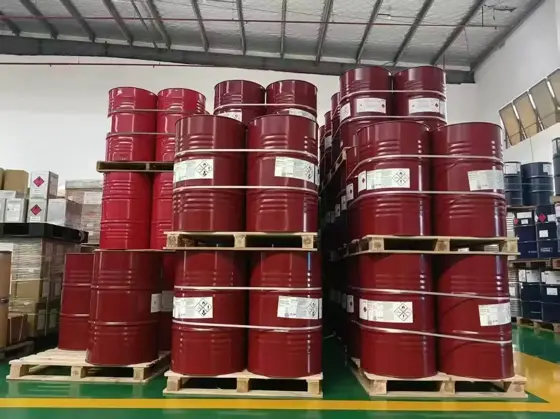
The HB series for flexible high build light resistant polyurethane coatings
View Specifications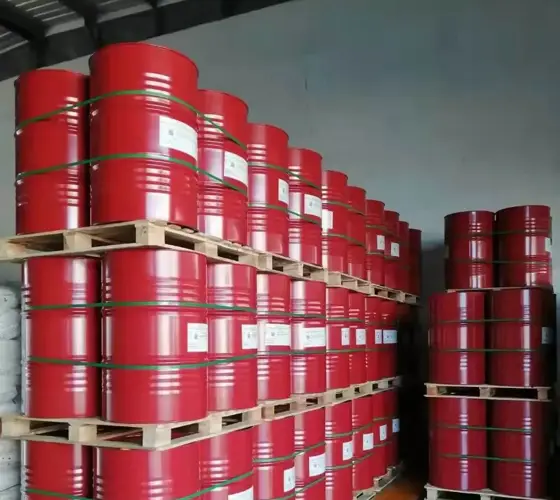
Cycloaliphatic diisocyanate for hard weather resistant coatings
View Specifications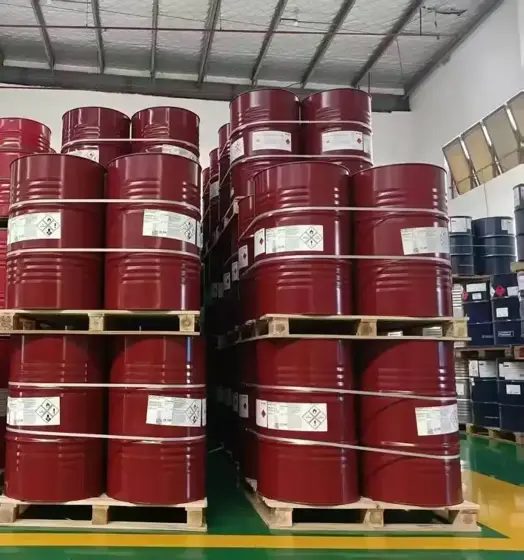
Optical grade diisocyanate with aliphatic behaviour and aromatic economics
View SpecificationsGuides That Cover This Product
Aromatic isocyanates are faster and cheaper. Aliphatic isocyanates keep their colour. This guide sets out which property actually decides the choice.
Read The GuideBoth are aliphatic HDI derivatives and both give light stable coatings. Their crosslink density, viscosity and flexibility are not the same.
Read The GuideRequest a Quote or a Sample of HDI
Samples take about 7 days and are free of charge with shipping at your cost. Production orders ship 20-30 days after the deposit is received.