
Guide
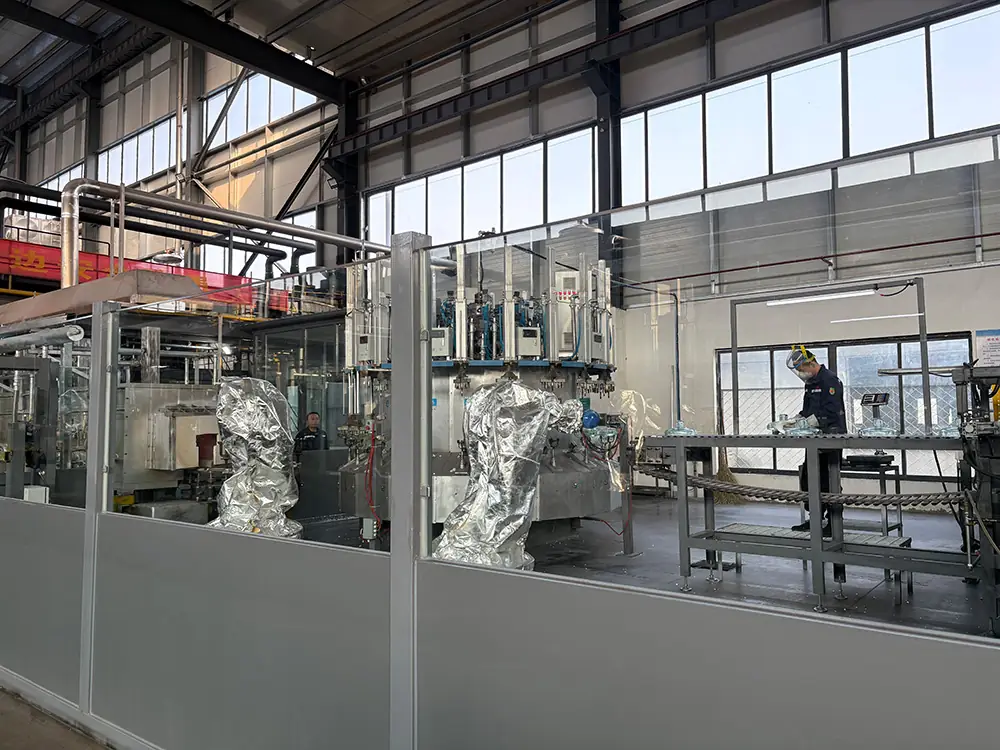
How Toughened Glass Insulators Are Made From Batch To Pallet
Nine production stages turn quartz sand into a disc that carries 160 kN and shatters visibly when it fails. Here is what happens at each one and why it matters to the buyer.
Written for procurement and line engineers rather than for search engines. Each guide draws on our own production and test practice.
Nine production stages turn quartz sand into a disc that carries 160 kN and shatters visibly when it fails. Here is what happens at each one and why it matters to the buyer.
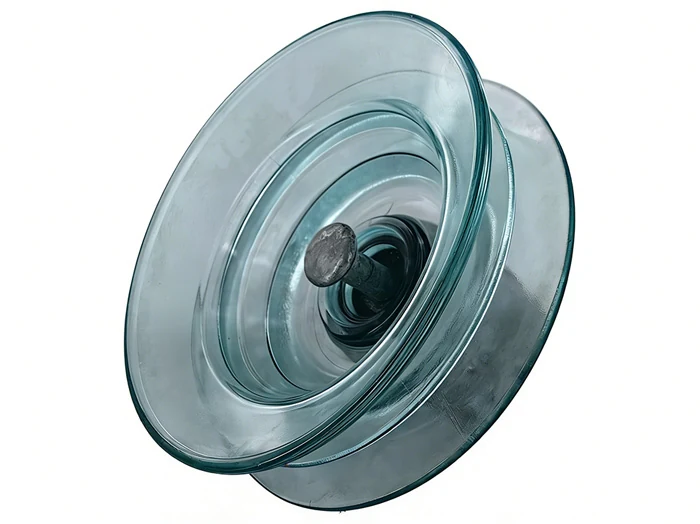
Standard, anti-fog, aerodynamic or alternating. The right answer depends on whether your deposit is a wet conductive film or a dry adherent powder.
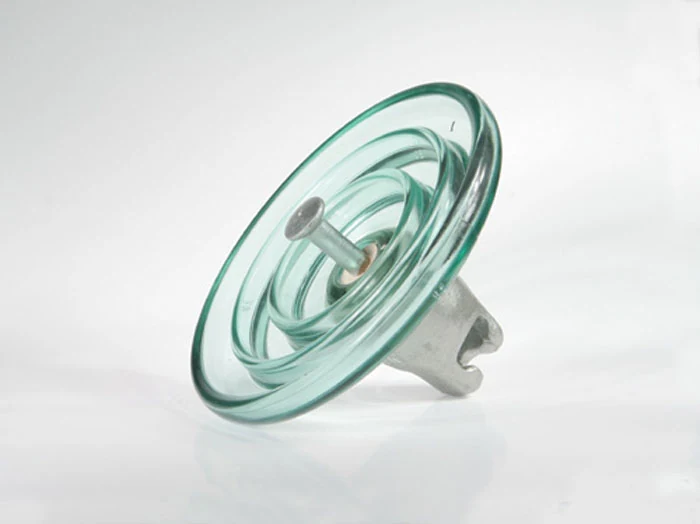
The case for toughened glass comes down to one operational fact. A failed glass disc is visible from the ground and a failed porcelain disc is not.
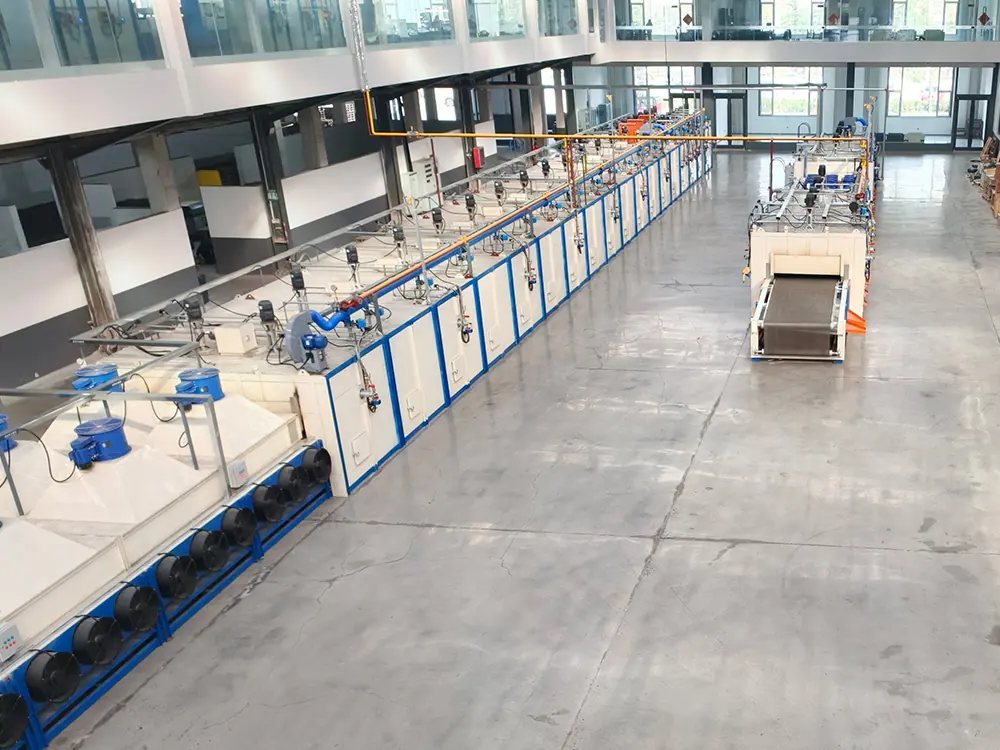
Self-destruction is not a defect in the product, it is the product telling you something. Here is what causes it, what rate is normal, and why it is an advantage.
Under normal operating and maintenance conditions the service life is generally 30 to 50 years.
Regular visual inspection, cleaning in heavily polluted areas, and timely replacement of broken insulators. No complicated preventive tests are required.
Yes. We recommend anti-pollution or anti-fog glass insulators with increased creepage distance, specially designed for coastal, industrial and high-pollution environments.
Yes. We can provide customized products optimized for high-altitude conditions with enhanced insulation performance.
Send it to our engineering team directly. Technical questions get technical answers, not a sales brochure.