
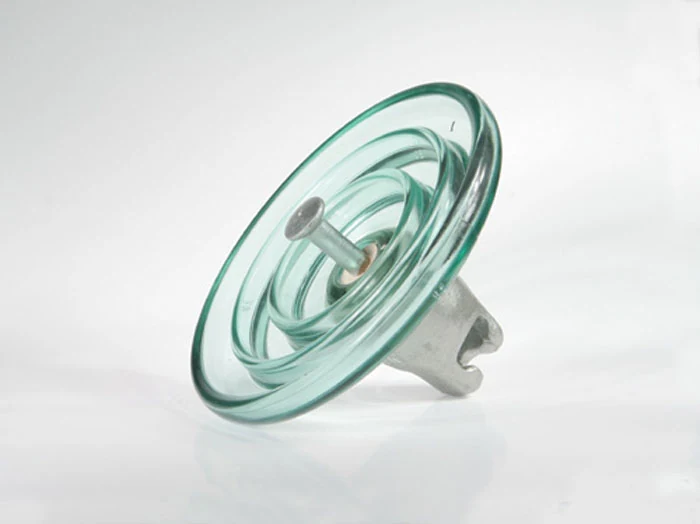
Standard Profile
U70BS · 70 kN
A 70 kN standard profile disc with 127 mm spacing, 255 mm diameter and 320 mm creepage, weighing 3.6 kg. The volume workhorse for…
Creepage 320 mm
Ø 255 mm
Coupling 16
Toughened glass insulators have become a preferred choice for high-voltage transmission and distribution projects. The reasons are mechanical, electrical and, above all, about how you find a failure.
Toughened glass insulators have higher mechanical strength than traditional porcelain insulators, providing reliable performance under tension, bending and impact loads. The surface compression layer created during tempering is what delivers it.
They maintain consistent dielectric performance over time, with good resistance to leakage current, flashover and electrical ageing. Performance does not drift the way it can with materials that absorb moisture.
Internal defects cause visible self-destruction, so a defective unit is found by visual inspection without complicated live testing. On a long line this is the single biggest difference in maintenance cost and labour between glass and porcelain.
Resistant to UV radiation, moisture, temperature changes and pollution, glass insulators typically last 30 to 50 years in service, and perform well in coastal, industrial, high-altitude and heavily polluted areas, especially in anti-pollution and anti-fog types.
Quality is stable, failure rates are low, and the glass material itself is recyclable. Broken shells from our own thermal shock screening go back into the furnace as cullet.
A 70 kN standard profile disc with 127 mm spacing, 255 mm diameter and 320 mm creepage, weighing 3.6 kg. The volume workhorse for…
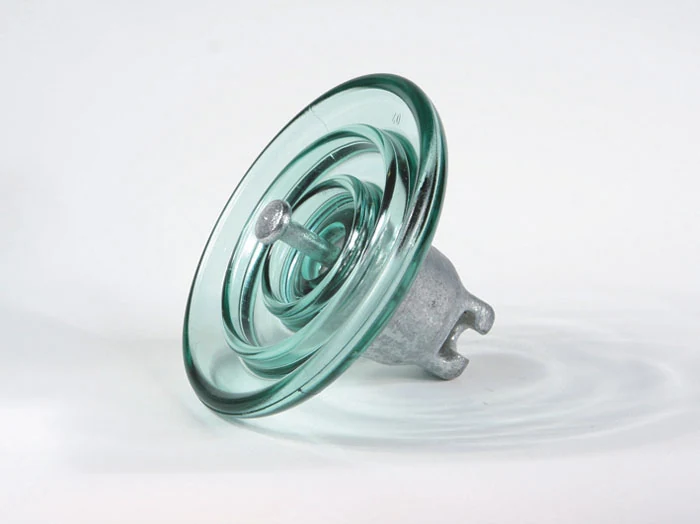
A 40 kN standard profile disc with 110 mm spacing, 175 mm diameter and 190 mm creepage, weighing 1.8 kg. The lightest unit in our…
Nine production stages turn quartz sand into a disc that carries 160 kN and shatters visibly when it fails. Here is what happens at each one and why it matters to the buyer.
Standard, anti-fog, aerodynamic or alternating. The right answer depends on whether your deposit is a wet conductive film or a dry adherent powder.
Self-destruction is not a defect in the product, it is the product telling you something. Here is what causes it, what rate is normal, and why it is an advantage.
Under normal operating and maintenance conditions the service life is generally 30 to 50 years.
Regular visual inspection, cleaning in heavily polluted areas, and timely replacement of broken insulators. No complicated preventive tests are required.
Yes. We recommend anti-pollution or anti-fog glass insulators with increased creepage distance, specially designed for coastal, industrial and high-pollution environments.
Yes. We can provide customized products optimized for high-altitude conditions with enhanced insulation performance.
Send us the route conditions and we will translate this into a specific model, creepage figure and string configuration.