

Hwato SDZ-III Electronic Acupuncture Stimulator
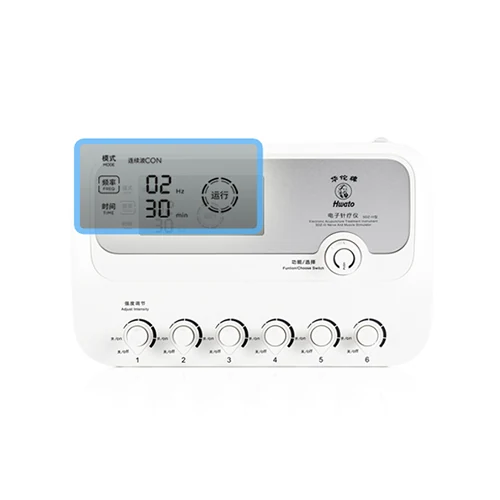
The Hwato SDZ-III is an electronic nerve and muscle stimulator that applies low-frequency electrical pulses to acupoints or skin electrodes across 6 output channels.
What the SDZ-III Is Built To Do
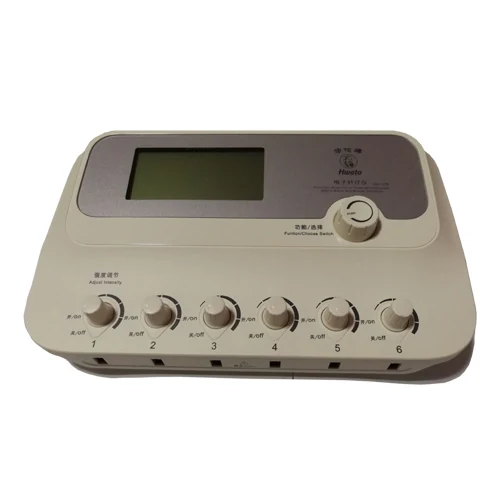
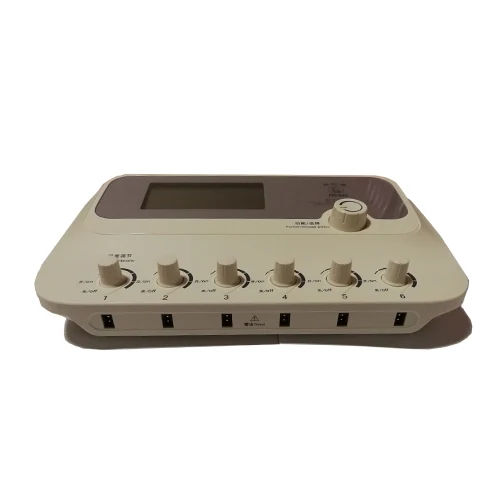
The Hwato SDZ-III is an electronic nerve and muscle stimulator that applies low-frequency electrical pulses to acupoints or skin electrodes across 6 output channels. Designed for TCM hospitals, clinics and health centres, it combines microcomputer control with meridian theory to deliver 5 selectable wave forms and 2 dedicated acupoint detection jacks on one bench-top unit. Powered by 110 V AC or 6 C-size DC batteries, it allows practitioners to deliver needle-free surface pulse stimulation or clip onto acupuncture needles for electro-acupuncture pain therapy.
Why Buyers Specify the SDZ-III
- Six output channels allow multi-point treatment across one patient or several treatment sites simultaneously
- Two dedicated detection jacks and an included detection pen help practitioners locate acupoints before treatment
- Outputs 5 different wave forms indicated by illuminated symbols to tailor pulse patterns to patient needs
- Auto-cycle output runs three wave types through an automated sequence during the therapy session
- Dual power support from 110 V AC or six C-size batteries enables corded and mobile ward use
- Included alligator clips and skin electropads support both needle-based and needle-free electro-stimulation
- Manual needle manipulation causes practitioner fatigue and varies in rhythm between treatment sessions
- Locating accurate acupoints on patients with indistinct landmarks takes unnecessary clinical consultation time
- Single-channel stimulators cannot cover extensive meridian pathways or multi-joint therapy protocols
- Mains-only therapy devices cannot be operated away from wall sockets during mobile treatment
- Patients who are sensitive to needle insertion miss out on low-frequency meridian pulse therapy
- Undetected circuit or setting errors during electro-acupuncture risk interrupting scheduled therapy runs
Where the SDZ-III Is Used
Inside the SDZ-III
- Six independent low-frequency pulse output channels with rectangular female plug connectors
- Two acupoint detection jacks paired with a handheld detection pen
- Microcomputer-controlled wave generation delivering 5 distinct wave form outputs
- Auto-cycle mode capable of automatically cycling through three wave types
- Illuminated symbols showing the active wave form selection on the control panel
- Built-in timer for controlled duration of nerve and muscle stimulation sessions
- Dual power operation via 110 V AC mains supply or 6 C-size 9 V DC batteries
- Low power consumption rated below 4 VA input power and under 5 W maximum consumption
- Audible error tone that sounds a song when an operational error is detected
- Supplied with 6 alligator clip output wires and 4 skin electropads with 2 lead wires
Hwato SDZ-III Electronic Acupuncture Stimulator Technical Data
Figures below are taken from the manufacturer data sheet for this model. Tell us your local voltage and dosing practice and we will confirm the build before the order.
| Model | SDZ-III |
|---|---|
| Brand | Huayan Medical |
| Voltage | A/C 110V, D/C 9V |
| Input power | </= 4VA |
| Max power consumption | <5 W |
| Battery requirement | 6 "C" Size Batteries |
| Dimensions | 360mm x 255mm x 95mm |
| Output channels | 6 |
| Acupoint detection outputs | 2 |
| Wave forms | 5 different kinds |
| Plug type | Rectangular female |
| Error tone | Tone (song) sounds on error |
How the SDZ-III Is Built and Checked
- Connect the unit to a 110 V AC outlet or install six C-size batteries into the compartment
- Plug the detection pen into one of the two detection jacks to locate target acupoints on the patient
- Select the desired wave form from the 5 options or activate the three-wave auto-cycle mode
- Set the treatment duration using the built-in timer on the front console
- Connect the alligator clip leads to placed needles or apply skin electropads to the patient
- Advance channel intensity dials gradually to deliver low-frequency pulses to meridian points
- Channel outputs and waveform generator circuits are tested prior to factory shipment
- Audible error warning system is checked to confirm tone triggers upon operational fault
- Manufactured under certified ISO 9001 and ISO 13485 medical device quality systems
- CE marked to meet compliance standards for medical device distribution in regulated markets
Building the SDZ-III To Your Practice
- Supplied with standard English operating instructions for overseas medical staff
- Can be ordered with extra sets of alligator clip leads and skin electropads
- Bulk procurement packaging configurations arranged for clinic chains and equipment distributors
How the SDZ-III Compares
An honest read on where this model wins and where another one suits you better.
Industries Using the SDZ-III
TCM Clinics and Acupuncture Practices
Clinic owners with one dispensary corner and one member of staff, who still want patients leaving with pouches.
Rehabilitation and Physiotherapy Centres
Rehabilitation departments adding fumigation, moxibustion, shock wave and wax therapy to existing treatment rooms.
Distributors and Importers of TCM Equipment
Importers and agents who need a full range, English documentation and parts support so they can service what they sell.
SDZ-III Questions and Answers
What power supplies does the Hwato SDZ-III support?
How many outputs and detection jacks are on this model?
Does the unit include acupuncture needles in the package?
What accessories come standard with the SDZ-III?
How does the machine alert operators to an error?
What certifications cover the manufacturing of this equipment?
What is the typical lead time and quotation turnaround?
Other Models Worth Comparing
Guides That Help You Decide
Electronic Acupuncture Stimulator Selection Guide
Procurement for outpatient TCM clinics and hospital acupuncture wards depends on simultaneous treatment capacity.
Buying GuideImporting TCM Equipment Lead Time Payment and Support
Importing clinical TCM machinery begins by translating clinical prescription volume into machine specifications.
Buying GuideChoosing a Moxibustion Therapy Device
Selecting between the RH-K-GJ models depends on whether your clinic requires wormwood fumigation alongside electro-optical...
Ready to price the SDZ-III
Send us your local voltage, your session volume and the space you have. A price and a full specification sheet for the SDZ-III come back within twelve hours.