
How to Choose the IP Rating for Outdoor and In Ground LED Lighting
IP65 for wall and flood fixtures, IP67 for recessed in-ground lights, IP68 for underwater and fountain use, IP20 indoors. How to match the rating to each position on site.
What the Two Digits Actually Mean
An IP code has two digits. The first is protection against solids and dust, on a scale to 6. The second is protection against water, on a scale to 8. IP65 means dust tight and protected against water jets. IP67 adds temporary immersion, normally taken as 30 minutes at up to one metre. IP68 covers continuous immersion at a depth agreed with the maker. The digits are independent, so a fixture can be dust tight and still be the wrong choice for standing water.
Wall and Pole Mounted Fixtures Sit at IP65
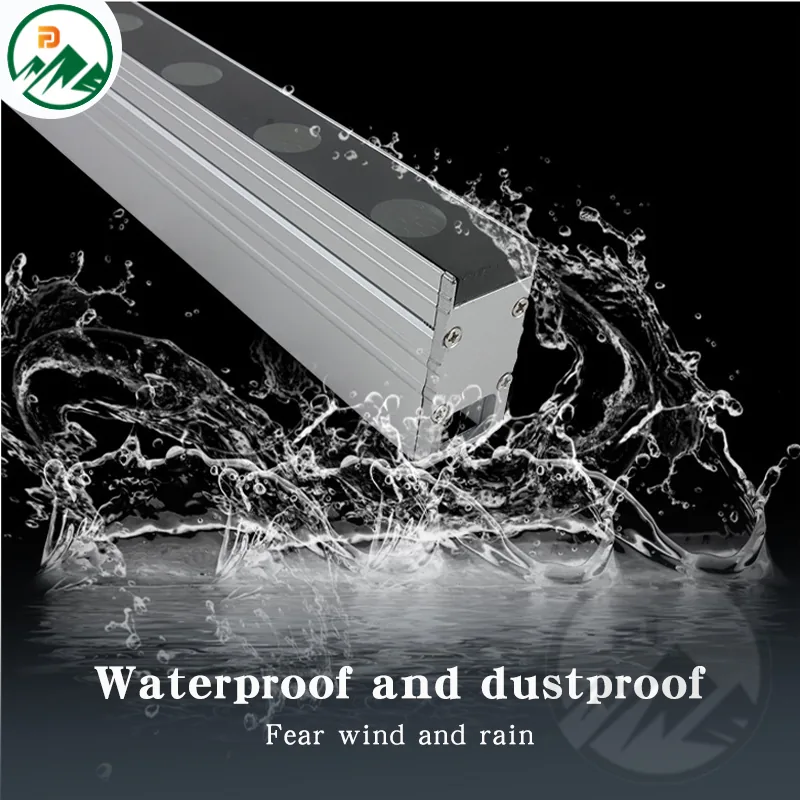
Fixtures mounted clear of the ground are rained on and hosed down but never submerged. IP65 is the working rating for that position. Wall lamps, point lights and flood lights in the FENGDIAN range are published at IP65, which suits facade mounting where water runs off the housing rather than collecting around it.
Recessed In Ground Fixtures Need IP67
A fixture set into paving sits at the lowest point of the surface, and after heavy rain the pot fills before the paving drains. That is temporary immersion, not splashing, so IP67 is the rating to specify. In-ground lights in the range are published at IP67. Drainage below the pot still matters, because a fixture that stands in water permanently is being asked to do more than its rating covers.
Underwater and Fountain Fixtures Are a Separate Family
Pools, fountains and water features hold fixtures under water continuously, which is IP68 territory. Underwater luminaires in the range are built for submerged use with stainless steel 316 housings, because the water is treated or chlorinated and will attack a lesser grade. Do not substitute an IP67 in-ground light into a water feature; the rating does not cover continuous immersion.
Indoor Fixtures and Strip Do Not Need a High Rating
Interior downlights, ceiling lights and indoor strip are published at IP20, meaning no water protection at all. Paying for a sealed fixture in a dry ceiling void adds cost and heat without adding life. Reserve the sealed versions for bathrooms, kitchens and covered external soffits.
How to Specify It on a Project
Work position by position rather than applying one rating across the job. Ask where the fixture sits relative to the finished level, whether water can collect around it, whether the area is washed down or chlorinated, and whether the housing metal suits that water. Then check the published rating for each model against those answers before the order is placed.
Ranges Discussed in This Guide
Products Referenced
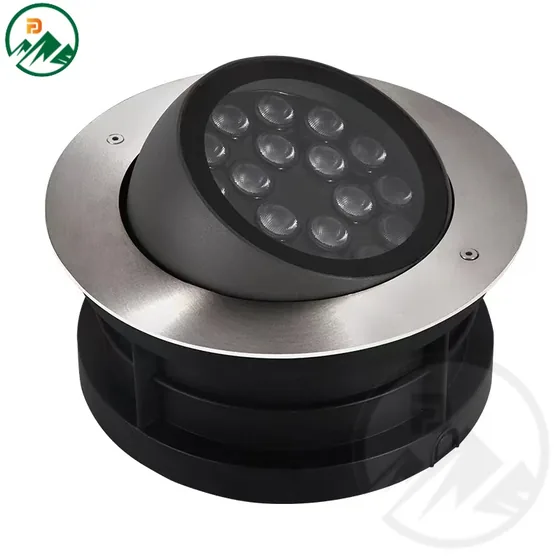
Adjustable Beam Angle LED Underground Light
View Specification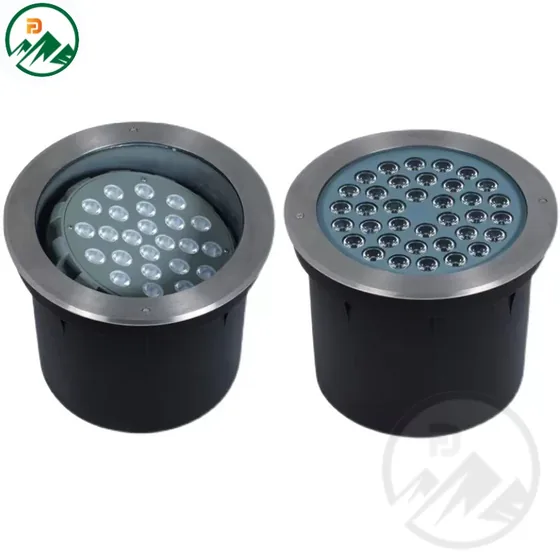
24*2W Adjustable Beam Angle LED Underground Light
View Specification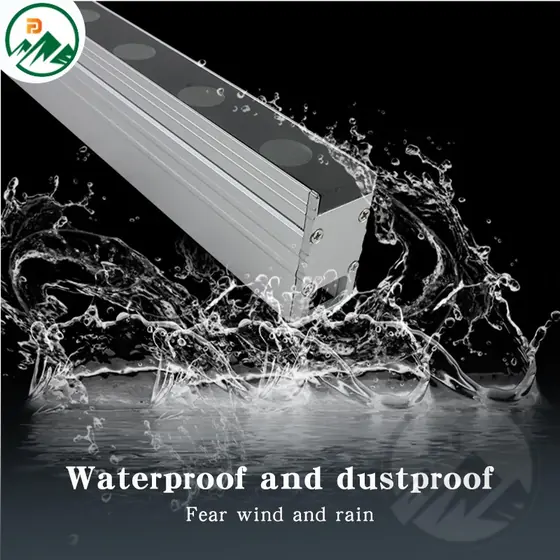
18W New Design LED Linear Light
View Specification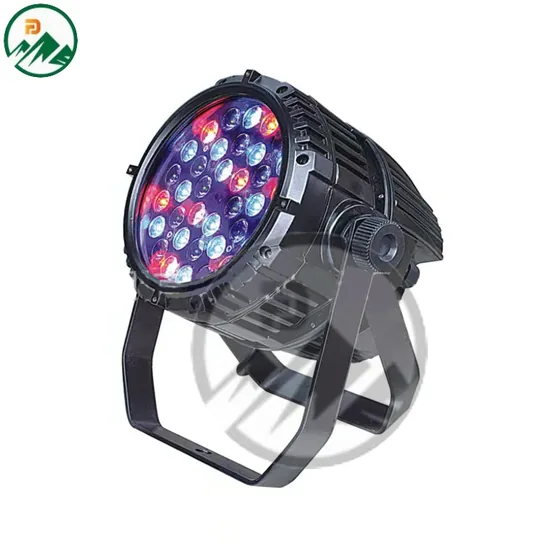
54*3W RGB DMX LED Stage Flood Light
View Specification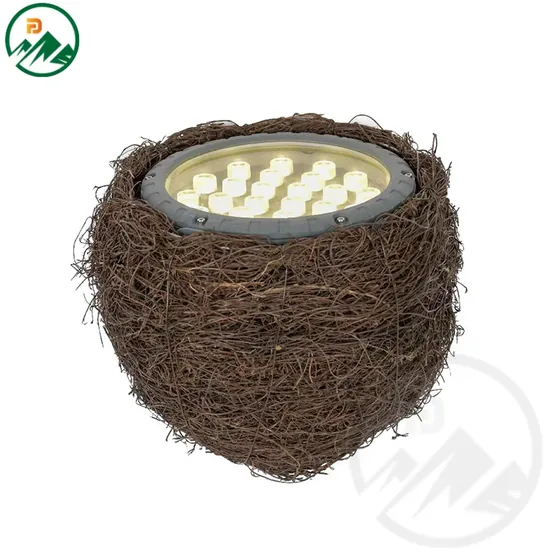
Bird’s Nest Design Outdoor LED Tree Spot Light
View Specification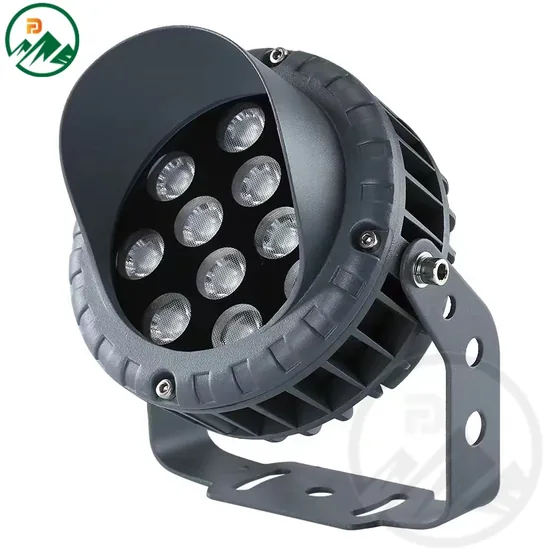
Facade Lighting Project 9W LED Flood Light
View SpecificationQuestions About This Topic
Is IP68 always better than IP67?
Not for every position. IP68 covers continuous immersion, which matters in pools and fountains. For paving that floods briefly after rain, IP67 is the correct rating and the fixture is designed around that duty.
Can an IP65 flood light be used in a planting bed at ground level?
Only if it stays clear of standing water. In a bed that holds water after irrigation, use an IP67 in-ground or spike fixture instead.
Does a higher IP rating extend the life of the fixture?
Only if the fixture is exposed to that condition. A sealed housing in a dry position traps heat without any benefit, and heat is what shortens LED and driver life.
What IP rating do your in-ground lights carry?
In-ground models are published at IP67, with stainless steel covers over aluminium bodies.
Do I still need drainage under an IP67 fixture?
Yes. IP67 covers temporary immersion, so the pot must drain rather than hold water permanently around the fixture.
Need This Checked Against Your Own Project
Send the drawing or the position and we will say which fixture and which rating applies.