
AC85-265V or DC24V Which Input to Specify for Architectural Lighting
Choose AC85-265V for global mains compatibility, DC24V for long low-voltage runs. Dual input models offer flexibility across export projects in Europe and the Middle East.
Mains Voltage AC85-265V for Global Export Projects
Fixtures listed as AC85-265V accept a wide range of mains input voltages, which matches the electrical standards across Europe and the Middle East. This eliminates the need for local voltage conversion and reduces risk during installation in diverse markets.
Low Voltage DC24V for Controlled and Long-Distance Runs
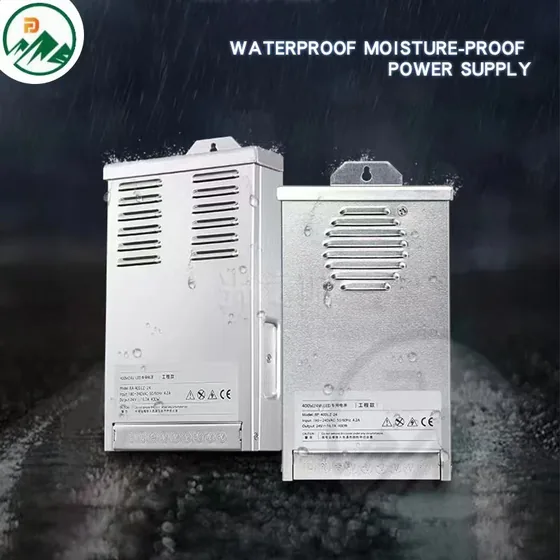
DC24V fixtures are used when low-voltage distribution is required, such as in landscape lighting with long cable runs. This reduces voltage drop over distance compared to AC, but requires a separate power supply and proper cable sizing.
Dual Input AC85-265V/DC24V for Flexible Design
Some models support both AC85-265V and DC24V inputs. This allows the same fixture to be used in mains-powered systems or low-voltage systems, depending on site conditions and electrical design.
Voltage Drop Is a Key Factor in DC24V Systems
In DC24V systems, voltage drop increases with cable length and current draw. For runs over 50 meters, use larger gauge cables or place power supplies closer to the load to maintain consistent brightness.
Why Wide-Range AC Input Benefits Export Projects
AC85-265V input covers 50Hz and 60Hz systems, including 230V in Europe and 220V to 240V in the Middle East. This single input specification simplifies procurement and reduces the risk of incorrect voltage connection during installation.
How to Choose Based on Site Electrical Design
Specify AC85-265V for direct mains connection in buildings and outdoor poles. Choose DC24V when using a central power supply, especially in large landscape projects with long cable runs. Dual input models offer flexibility when the final power source is not yet determined.
Ranges Discussed in This Guide
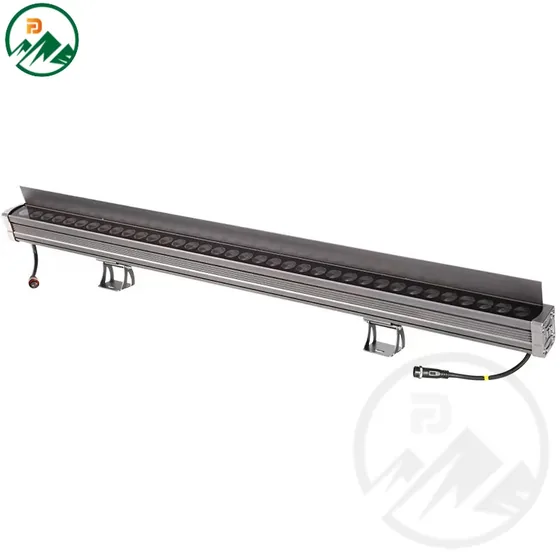
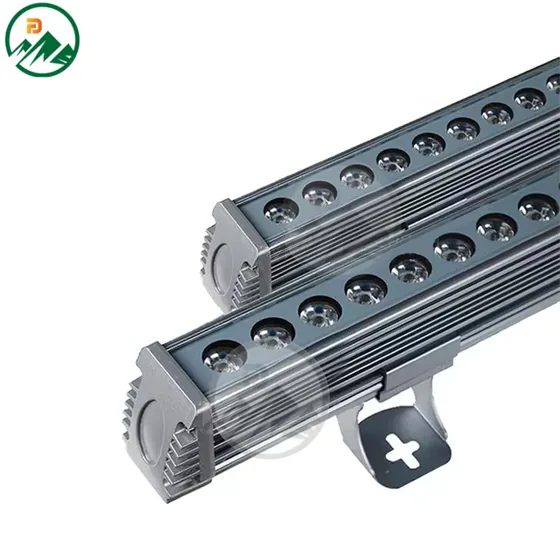
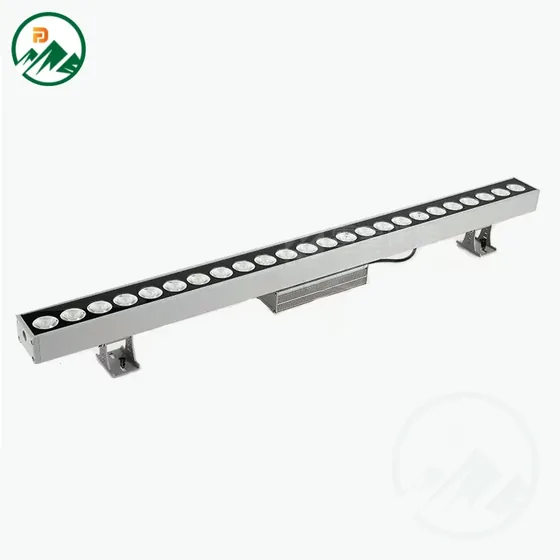
Products Referenced
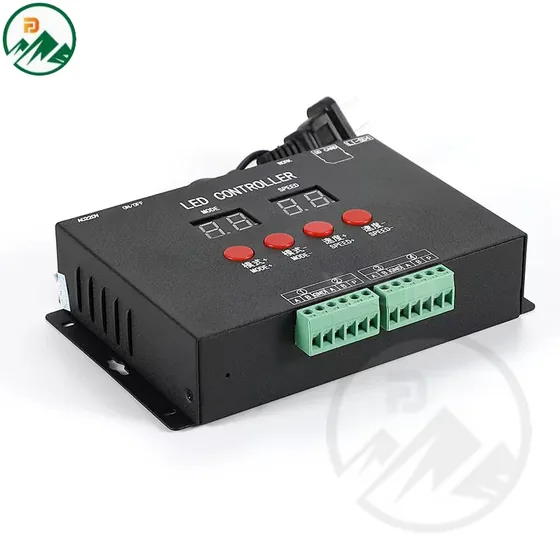
Questions About This Topic
Which input voltage should I choose for a project in Germany?
Use AC85-265V. Germany uses 230V 50Hz mains, which falls within the supported range of the fixture.
Can I use DC24V in a project in Dubai?
Yes, if the system uses a low-voltage distribution design. DC24V is suitable for long runs in landscape lighting, but requires a power supply and proper cable sizing.
Does AC85-265V mean the fixture works on both 110V and 230V?
Yes. The AC85-265V input range covers 110V systems (e.g. North America) and 230V systems (e.g. Europe and Middle East), making it suitable for export projects.
Why does DC24V have more voltage drop than AC85-265V?
DC systems have no phase cancellation, so voltage drop increases linearly with cable length and current. AC systems can use higher voltages to reduce current and drop over distance.
Can I mix AC85-265V and DC24V fixtures in the same project?
Yes, but they must be powered from separate circuits. AC fixtures connect directly to mains. DC fixtures require a dedicated 24V power supply and proper wiring.
Need This Checked Against Your Own Project
Send the drawing or the position and we will say which fixture and which rating applies.