
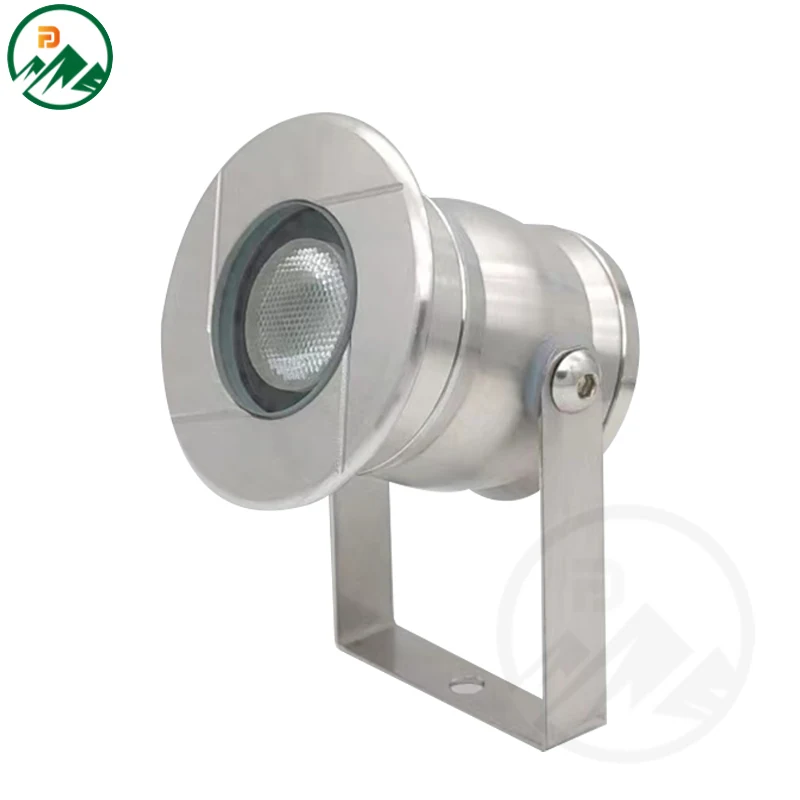
Stainless Steel 304 and 316 Covers on In Ground and Underwater Lights
304 for urban paving, 316 for coastal and chlorinated environments. Aluminium body for heat dissipation. Match cover material to site conditions.
Why Stainless Steel 304 and 316 Are Used on In Ground and Underwater Fixtures
In-ground and underwater fixtures are exposed to moisture, soil, and chemical treatments. Stainless steel covers resist corrosion better than aluminium or painted steel. FENGDIAN uses 304 and 316 grades for this reason, with 316 offering higher resistance in aggressive environments.
304 Stainless Steel for General Paving and Urban Use
304 stainless steel is suitable for standard in-ground applications in paved areas, sidewalks, and urban landscapes. It resists rust from rain, irrigation, and light chlorination. It is cost-effective for environments with moderate exposure to moisture and salts.
316 Stainless Steel for Coastal, Pool and Fountain Environments
316 stainless steel contains molybdenum, which improves resistance to chlorides and saltwater. It is required for fixtures in coastal areas, near sea spray, or in chlorinated pool and fountain water. Using 316 prevents pitting and corrosion in high-chloride conditions.
Aluminium Body for Heat Dissipation
The fixture body is aluminium, not stainless steel, because aluminium conducts heat more effectively. This helps dissipate heat from the LED and driver, which extends component life. The stainless steel cover protects the housing while the aluminium body manages thermal load.
How to Choose Between 304 and 316 for Your Project
Use 304 covers for standard in-ground lights in city pavements, gardens, and non-coastal areas. Use 316 covers for installations near the sea, in salt-laden air, or in chlorinated water features. Match the cover material to the environment, not the fixture type.
Why Not Use Stainless Steel for the Entire Housing
Full stainless steel housings are heavier, more expensive, and less effective at heat dissipation. The aluminium body provides better thermal performance for the LED and driver. The stainless steel cover offers targeted protection where corrosion risk is highest.
Ranges Discussed in This Guide
Products Referenced
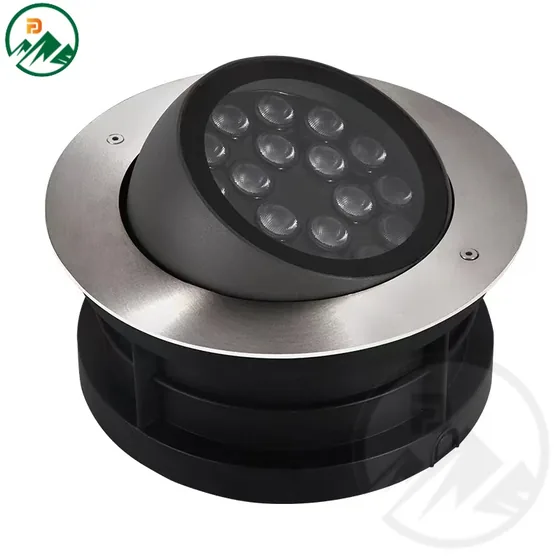
Adjustable Beam Angle LED Underground Light
View Specification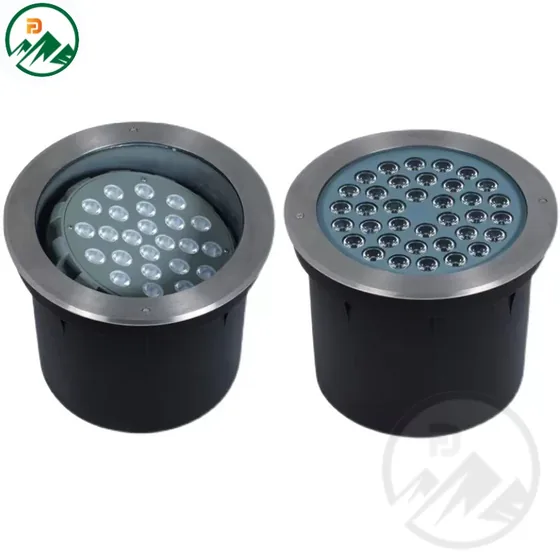
24*2W Adjustable Beam Angle LED Underground Light
View Specification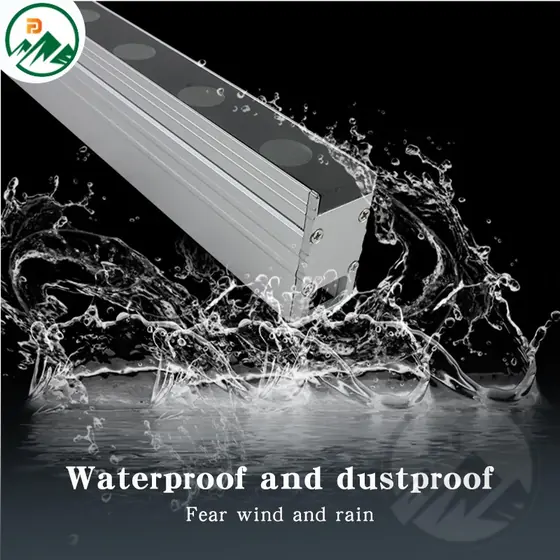
18W New Design LED Linear Light
View Specification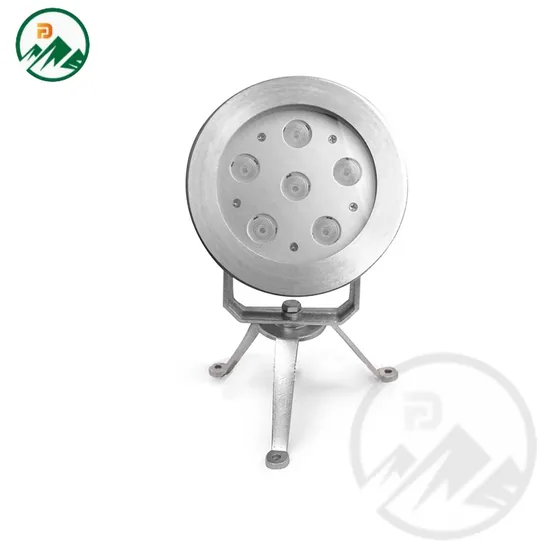
Stainless steel 316 High Waterproof LED Underwater Light
View Specification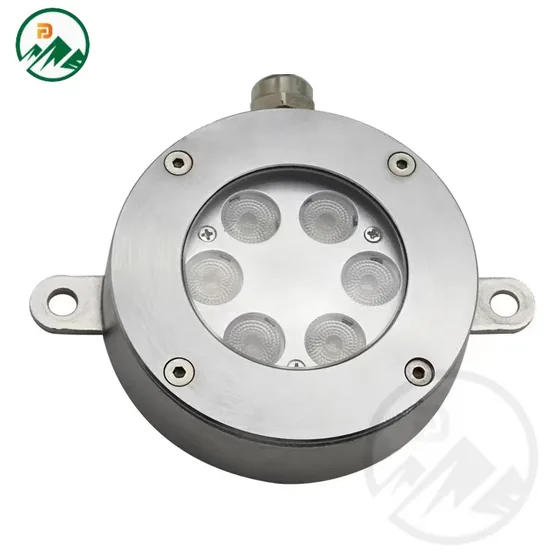
6W 12W 18W 24W LED Swimming Pool Light
View Specification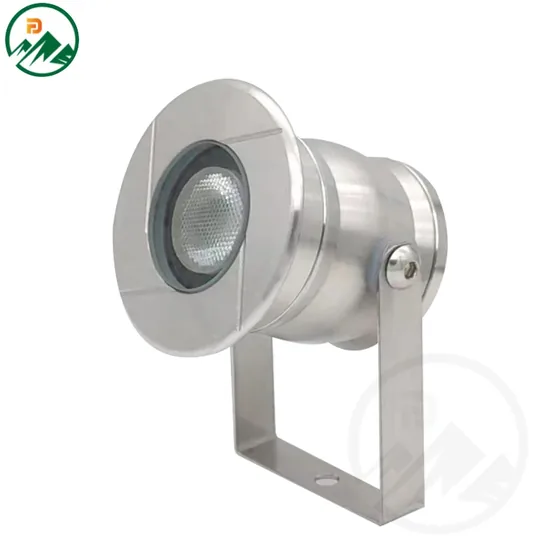
IP68 Stainless Steel 304 Material LED Underwater Light
View SpecificationQuestions About This Topic
What is the difference between 304 and 316 stainless steel in outdoor lighting?
316 contains molybdenum, which increases resistance to chlorides and salt. 304 is suitable for general use but less effective in coastal or chlorinated environments.
When should I specify 316 stainless steel covers?
Use 316 covers for fixtures in coastal areas, near sea spray, or in chlorinated pools and fountains. It prevents pitting and corrosion in high-chloride conditions.
Can I use 304 covers in a seaside project?
Only if the site is not directly exposed to salt spray or seawater. In coastal zones, 316 is required to prevent premature corrosion.
Why is the body aluminium if the cover is stainless steel?
Aluminium conducts heat better than stainless steel. The body needs to dissipate heat from the LED and driver. The stainless steel cover protects the housing from corrosion without sacrificing thermal performance.
Are the stainless steel covers welded or bolted to the housing?
The covers are secured with bolts or mechanical fasteners. The method is not specified in the facts, but the design ensures a sealed interface for IP67 or IP68 performance.
Need This Checked Against Your Own Project
Send the drawing or the position and we will say which fixture and which rating applies.