
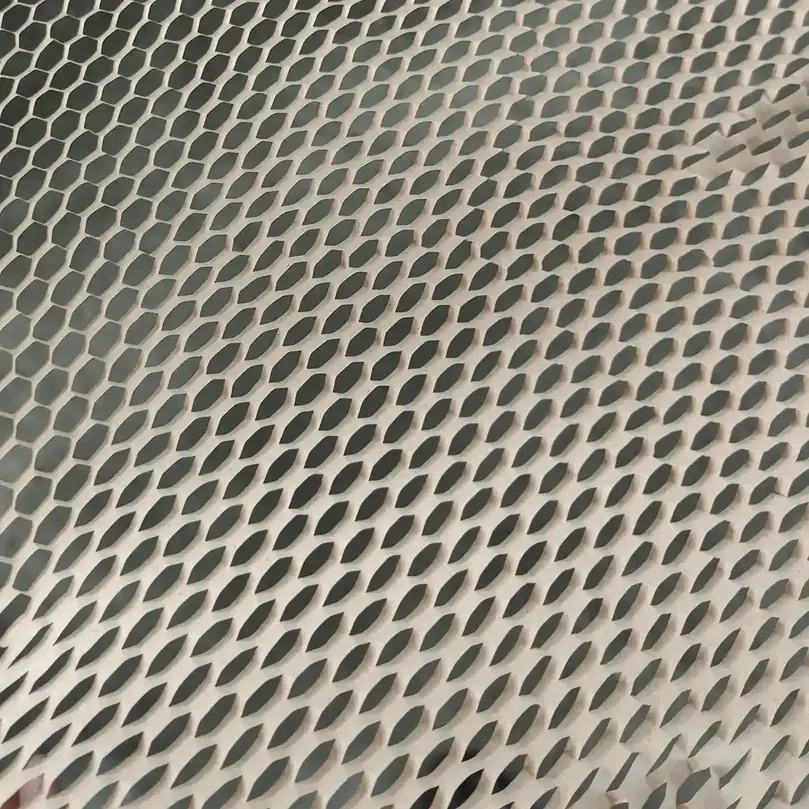
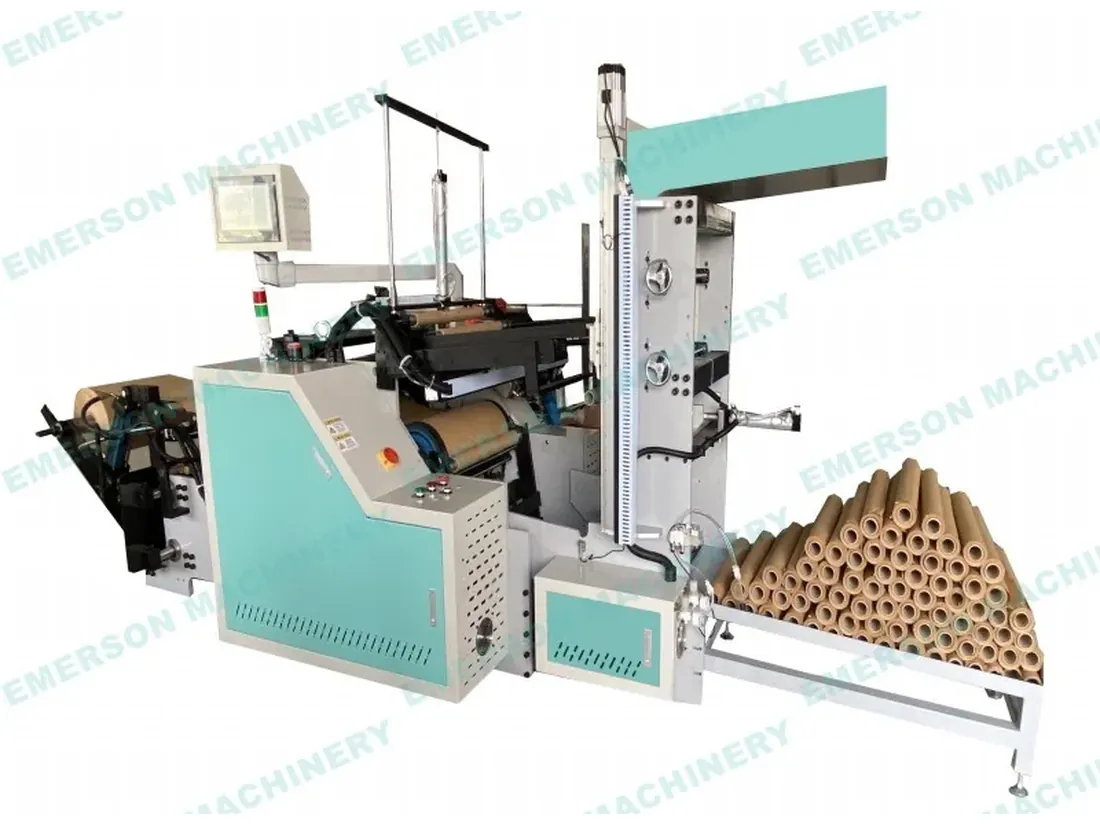
Fully Automatic Kraft Honeycomb Paper Machine
Changes the finished roll, pulls the shaft and labels it without an operator
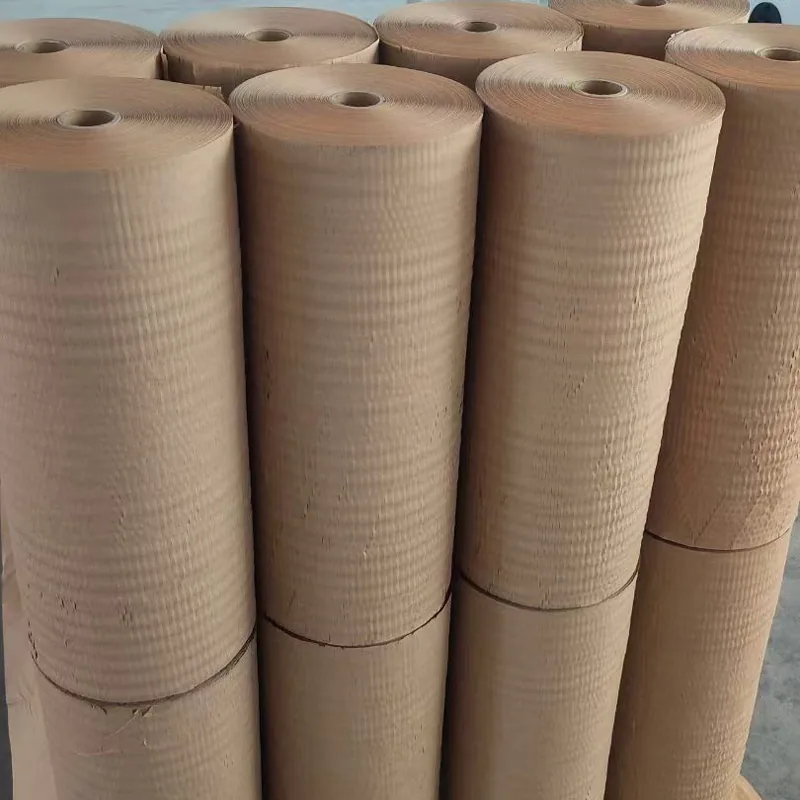
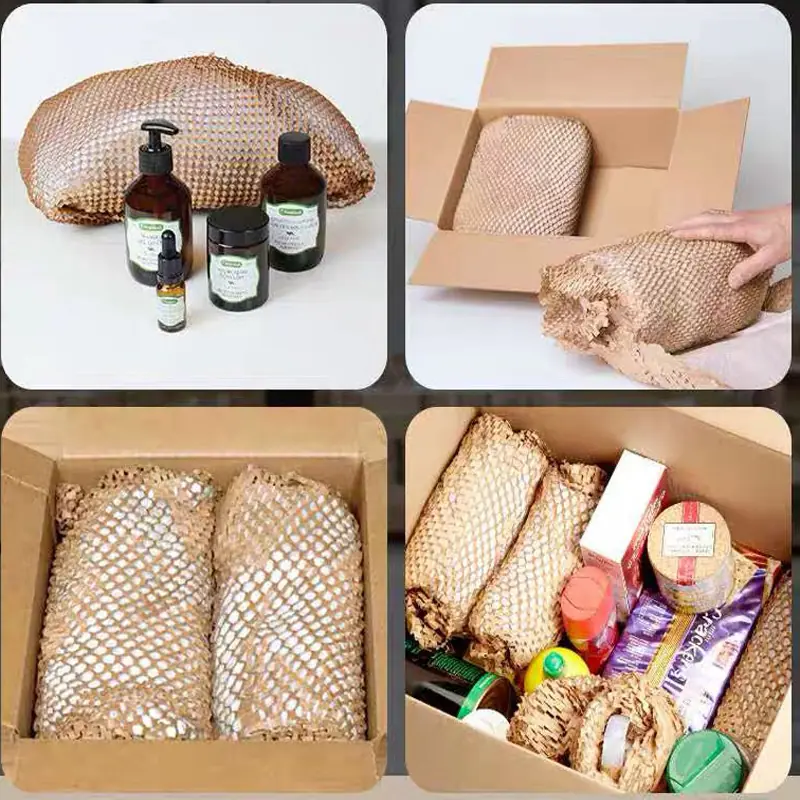
Product Overview
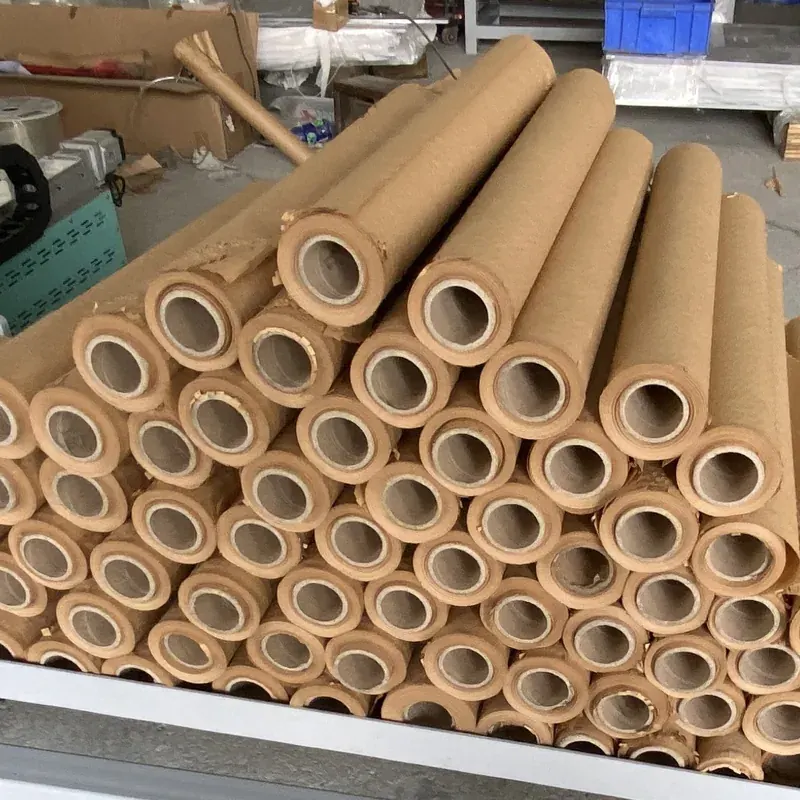
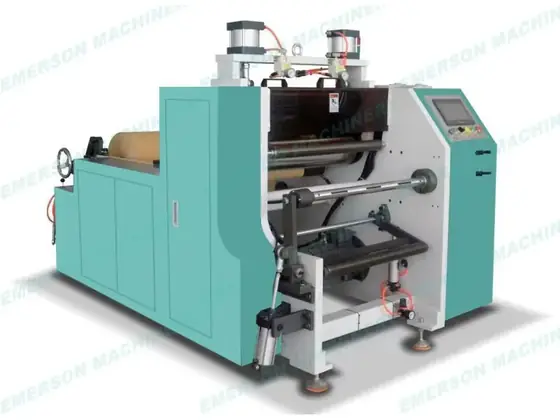
This is the newest generation of the honeycomb paper machine. On top of the automatic finished roll changing that the automatic model already has, it pulls the finished shaft out of the paper core and pastes the label, so the operator no longer has to feed a new shaft by hand. It runs the same EM-PH600 format, 515 mm wide at up to 200 m per minute, on a longer 4700 mm frame weighing 2500 kg.
Key Benefits
- Finished shaft is pulled from the core automatically, removing the last manual step in the roll change
- Label is pasted inline, so finished rolls leave the machine already identified
- Same 200 m per minute output as the manual model with less operator time per roll
- One operator can supervise the line rather than stand at the rewinder
What This Machine Fixes
- Manual shaft feeding stops the line and puts an operator at the rewinder for every roll
- Unlabelled finished rolls get mixed up between production and despatch
- Adding shifts to raise output raises labour cost in proportion
Who Buys It
- Established honeycomb wrap producers scaling up output
- Converters whose bottleneck is roll changing, not line speed
- Packaging groups running several shifts on one asset
Where The Output Is Used
- Multi-shift honeycomb wrap production where labour cost drives the business case
- Converters running long uninterrupted orders in one width
- Plants that need finished rolls labelled before they reach the warehouse
- Operations replacing plastic bubble film volume with paper honeycomb
How It Is Built
- Automatic finished paper roll changing inline
- Automatic shaft pulling from the paper core with inline label pasting
- Maximum material width 515 mm, with 508 mm and 380 mm the most common orders
- Working speed zero to 200 m per minute, adjustable
- Unwinding to 1200 mm diameter and 1 tonne roll weight
- Machine size 4700 x 1500 x 1600 mm at 2500 kg
Published Specification
Every figure below is the specification published for this machine. Where a value is not listed it is confirmed with the quotation rather than estimated.
| Machine model | EM-PH600 |
|---|---|
| Max material width | 515mm (508mm/20inch and 380mm/15inch width most) |
| Machine working speed | 0-200m/min adjustable |
| Unwinding diameter | 0-1200mm |
| Rewinding diameter | 0-300mm |
| Unwinding roll weight | Max. 1 Ton |
| Unwinding shaft | 3"inflatable air shaft |
| Rewinding shaft | 1"/1.5"/2"/3" air shaft (choose either one,usually is 1.5") |
| Machine size | 4700*1500*1600mm(LxWxH) |
| Machine weight | 2500KG |
| Power supply | 380V 3 Phase or as customer requirement |
Materials
- Kraft paper 70 g to 100 g
- Honeycomb and mesh paper grades
Customization Options
- Label format and placement set to the customer's own labelling standard
- Rewinding shaft diameter matched to existing core stock
- Power supply built to the destination market's voltage and phase
The Process This Machine Runs
Unwinding
Stage 1 of the fully automatic kraft honeycomb paper machine process.
Honeycomb die cutting
Stage 2 of the fully automatic kraft honeycomb paper machine process.
Automatic rewinding
Stage 3 of the fully automatic kraft honeycomb paper machine process.
Automatic shaft pulling
Stage 4 of the fully automatic kraft honeycomb paper machine process.
Label pasting
Stage 5 of the fully automatic kraft honeycomb paper machine process.
Quality Control
- Roll change sequence proved on a full cycle before shipment
- Label position checked against the finished roll on test production
- Web guiding verified across the full working width
Use Guide
- Prove the full automatic roll change cycle on scrap before committing a production order
- Keep label stock loaded ahead of a shift change so the pasting unit does not run dry
- Confirm shaft stock matches the core size the puller is set for
- Log the speed that gives clean die cutting for each paper grade
How It Compares With The Alternatives
Compared with Automatic Kraft Honeycomb Paper Machine
The automatic model changes the finished roll but the operator still feeds a new shaft by hand. This machine pulls the shaft and pastes the label, at a higher cost and on a 4700 mm rather than 3500 mm frame.
Compared with Kraft Honeycomb Paper Forming Machine
The forming machine has no automatic roll changing at all. It is the right choice where order runs are short and roll changes are few.
Fully Automatic Kraft Honeycomb Paper Machine FAQ
What is the difference between this and the automatic model?
Both change the finished paper roll automatically. This machine adds pulling the finished shaft out of the paper core and pasting the label, so no shaft has to be fed by hand.
How many versions of the honeycomb machine are there?
Three, so the specification can be matched to budget: the forming machine, the automatic machine and this fully automatic machine.
What is the working speed?
Zero to 200 m per minute, adjustable, at a maximum material width of 515 mm.
What floor space does it need?
The machine is 4700 x 1500 x 1600 mm and weighs 2500 kg.
What are the most common finished widths?
508 mm, which is 20 inch, and 380 mm, which is 15 inch.
Can you help us install it?
A demo machine is kept in the workshop for online video installation and training.
Related Machines
Die cuts and expands kraft paper into hexagonal honeycomb wrap at up to 200 m per minute
View machine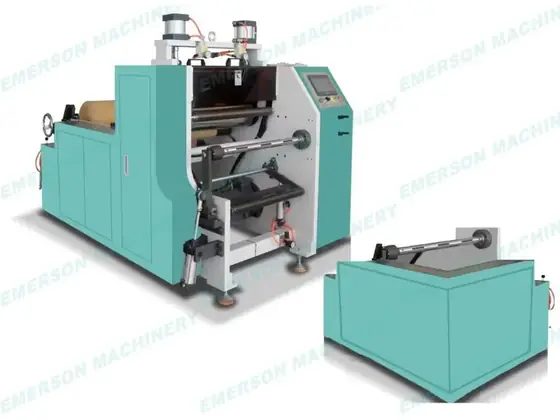
Die cuts flame resistant kraft into filter media with room for inline stitching
View machine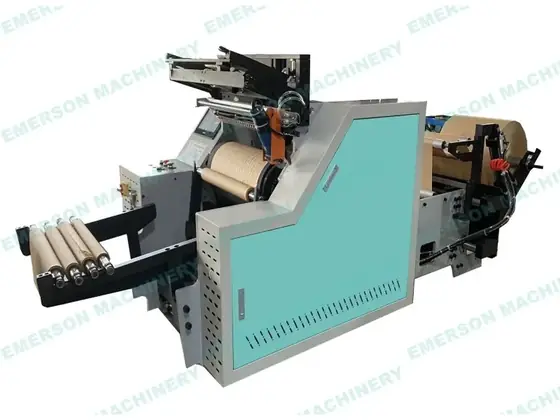
Five shaft paper loader changes the finished roll without stopping the line
View machineGuides Cases And Applications
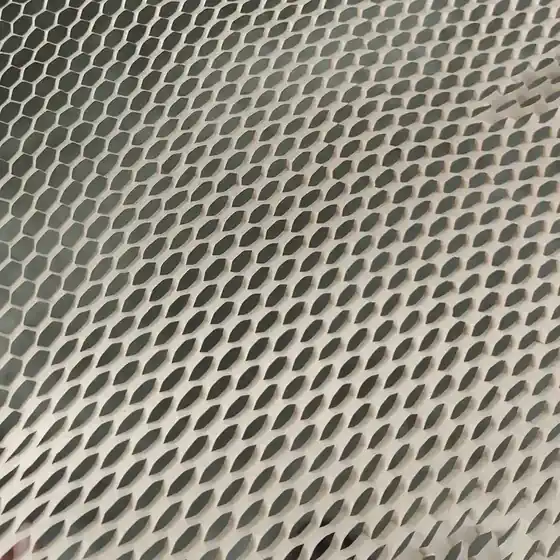
Honeycomb paper is a lightweight, strong kraft packaging material formed with hexagonal cells. It is used for inner and outer packaging, as a shock absorbent, as a shield and even as pallets.
Read more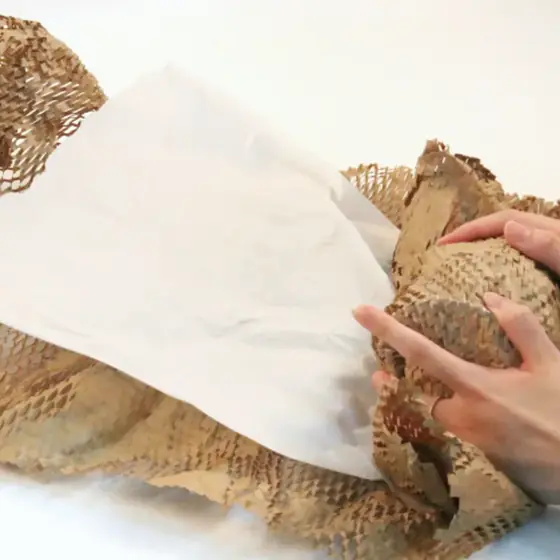
Honeycomb paper is an eco-friendly and cost effective alternative to plastic bubble wrap cushioning, and it behaves differently on the packing bench.
Read more
A bulk order of the same machine type for two very different destinations means the build has to be repeated consistently while still meeting differen
Read more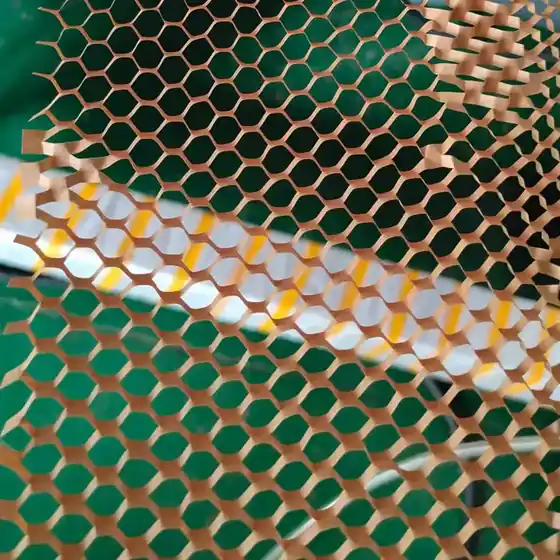
Fruit, vegetables and cut flowers are damaged by pressure and by surface contact, not usually by impact. Honeycomb paper stretches around a soft item
Read more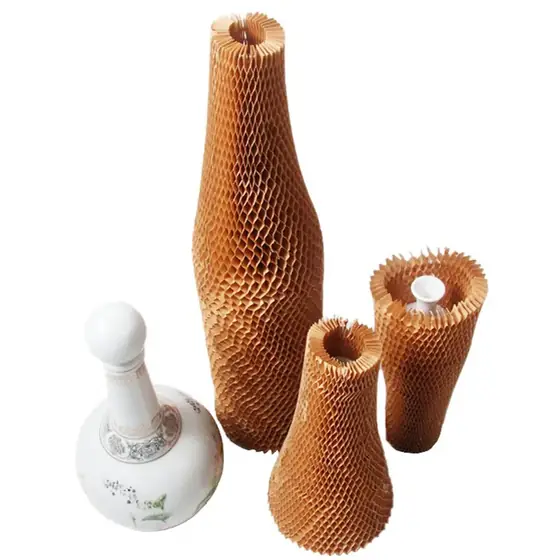
Glass and glazed ceramics fail in two ways: impact through the carton wall, and abrasion between pieces. Paper cushioning has to do both jobs without
Read more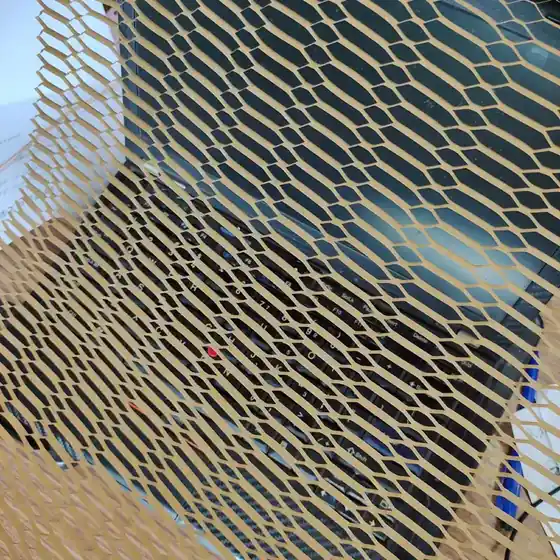
Filter media is the one application in this range that is not packaging. The EM-PH800 was built to a customer requirement for die cut flame resistant
Read moreRequest A Quotation For The Fully Automatic Kraft Honeycomb Paper Machine
Send your paper grade, working width and target output. A written specification and price comes back with the lead time.