
Industry Application
Highways and Expressways
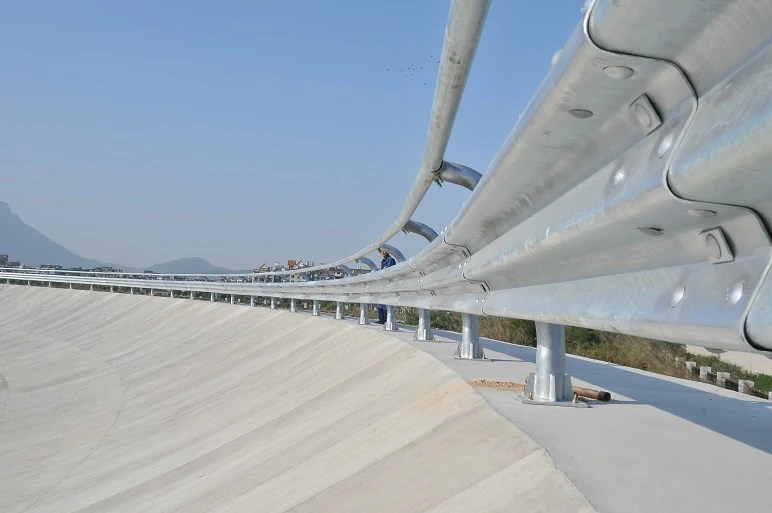
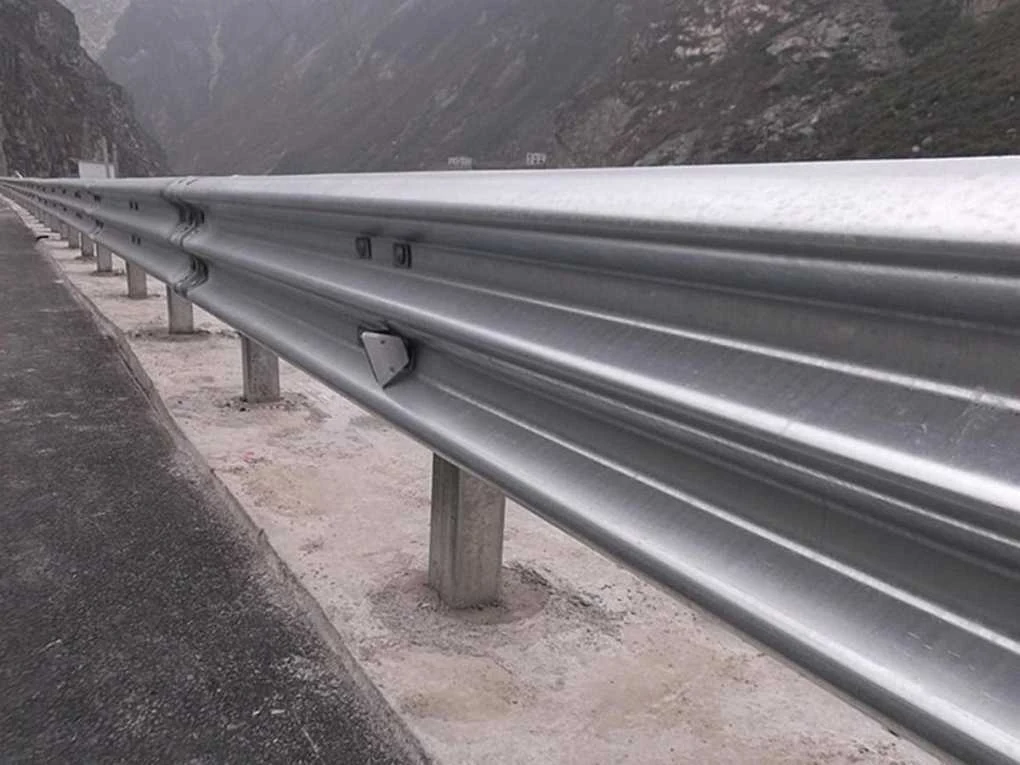
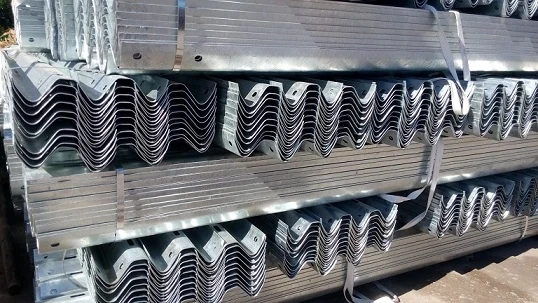
Highway and expressway shoulders are where most barrier length gets installed and where the specification is least negotiable. The road authority names a standard, a steel grade and a zinc coating weight, and the barrier either meets them on inspection or it comes off the job. Hongda rolls W-beam, thrie-beam and flex beam for exactly this work, from Tang Steel coil, hot-dip galvanized in its own workshop in Jinan.
The Problem
Industry Pain Points
- Barrier rejected at inspection because zinc coating falls under the specified weight
- Steel grade varying across a shipment so impact behaviour changes along a single run
- Sections that will not splice to barrier already standing on the alignment
- Deliveries that arrive short of posts, spacers or bolts and stall the install crew
- Corrosion appearing years before the design life on exposed roadside runs
Requirements
What Buyers in This Sector Need
- Barrier rolled to the standard named in the tender, most often AASHTO M180 in the Americas
- Documented steel grade, either Q235B or Q345, consistent across the whole order
- Hot-dip galvanizing at the coating weight the specification calls for
- Beam, post, spacer, terminal and bolt sets delivered together from one production run
- Full container loads that arrive complete so the crew is not waiting on a second shipment
Where It Goes
Typical Application Scenarios
- New expressway alignments where continuous barrier runs the length of both shoulders
- Rural roadway edges shielding ditches, embankments and roadside structures
- Median separation between opposing carriageways on divided roads
- Shoulder upgrades where new barrier has to splice into existing installed runs
- Maintenance contracts replacing crash-damaged sections across a road network
Process
How We Deliver
- Send the tender extract or drawing naming the standard, grade, thickness and coating weight
- We confirm what we can roll against that specification and quote the full system
- Coil is checked to grade, roll formed, and punched to the hole pattern on your drawing
- Sections are hot-dip galvanized in our own workshop rather than sent to a subcontractor
- Beam, posts, spacers, terminals and bolts are bundled and loaded as complete container loads
Track Record
Delivery Capability
- W-beam has shipped in the hundreds of containers annually over the last ten years
- AASHTO M180 is the standard most commonly specified across the markets we ship to
- Flex beam is the common barrier in the Argentine and wider South American market
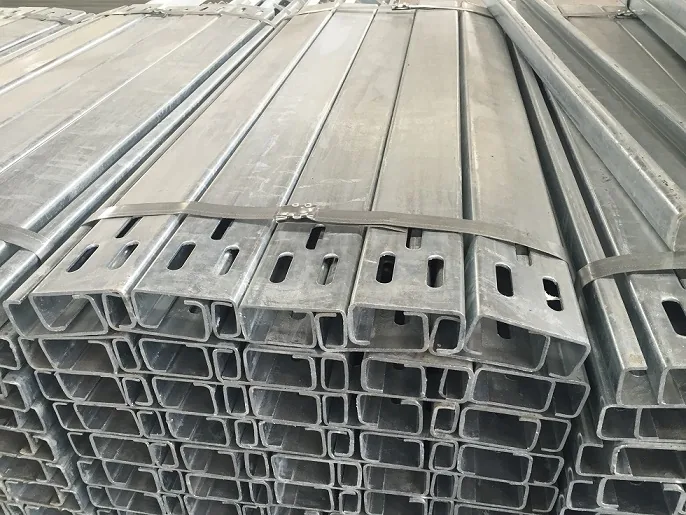
- C post is widely used in Uruguay, Bolivia and Chile
- Loading is from Jinan, Shandong Province, in full container loads
Products for This Sector
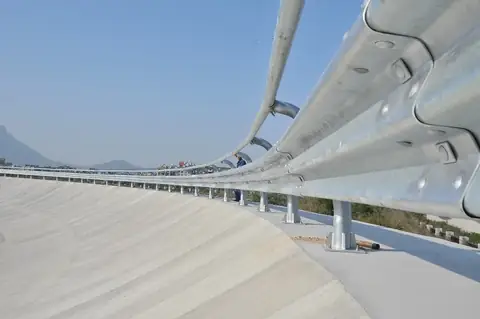
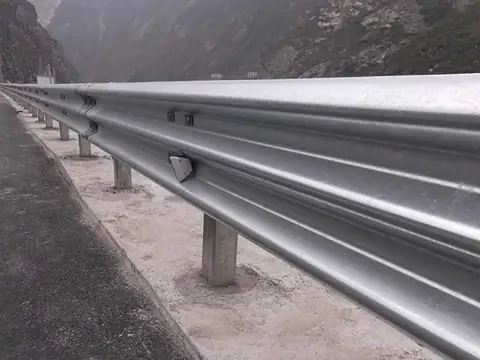
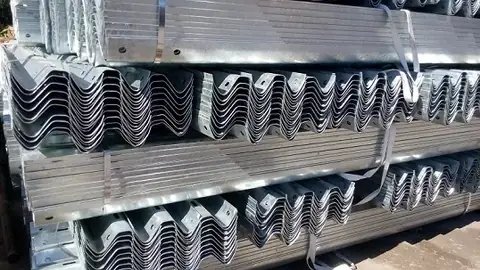
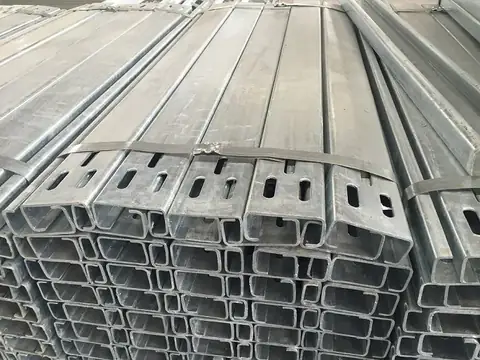

Highways and Expressways Questions
Which barrier profile suits a standard highway shoulder?
W-beam is the most widely installed profile for general highway and roadway shoulders. Thrie-beam is normally reserved for the more dangerous sections of the same road.
Can you match the standard named in our tender?
Send us the tender extract. We roll to AASHTO M180 for the Americas and to the drawing and hole pattern you supply. If we cannot meet a clause we will say so before quoting.
Do you supply the posts and fittings with the beam?
Yes. Posts, spacers, terminal ends, bolts, nuts and caps are produced here, so the whole system ships from one production run instead of being sourced separately.
What steel grade will we receive?
Q235B, equivalent to S235JR, as standard. Q345, equivalent to S355JR and ASTM A529M 1994, where the specification calls for the higher strength grade. Steel is supplied by Tang Steel.
How is the barrier protected against corrosion?
Hot-dip galvanizing, carried out in our own galvanizing workshop. On W-beam and thrie-beam the coating weight is 550 g/m2, which measures around 80 microns.
Supplying Highways and Expressways
Send the specification for your project and we will confirm the products and quantities that fit it.