
Industry Application
Bridges and Hazard Zones
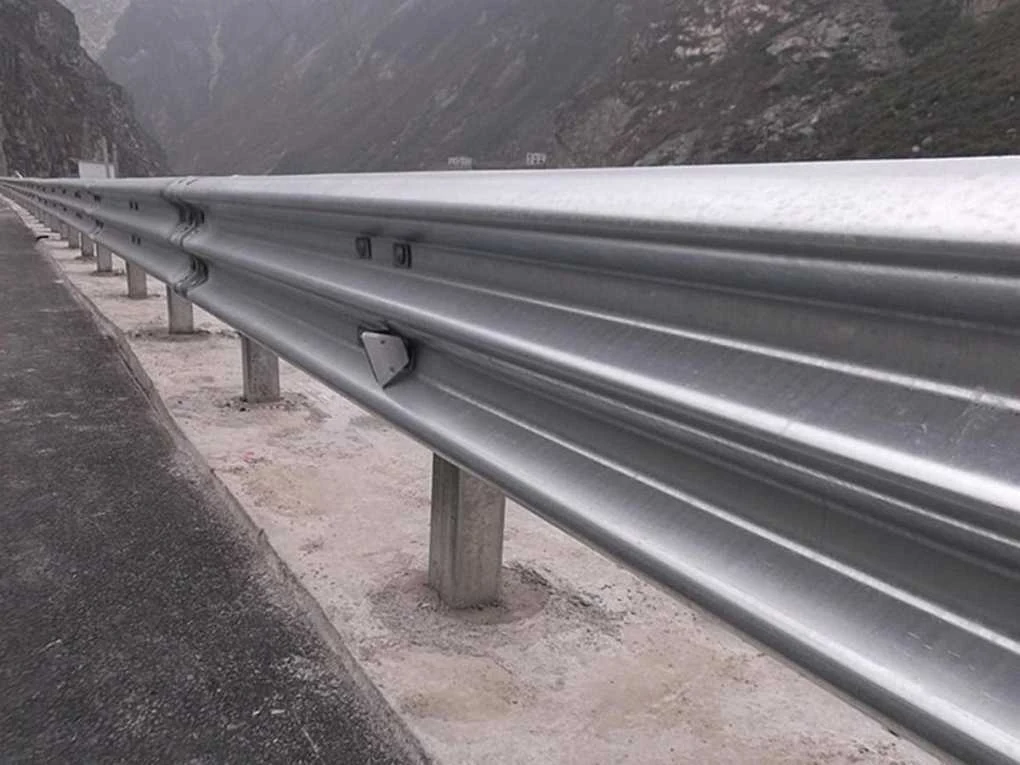
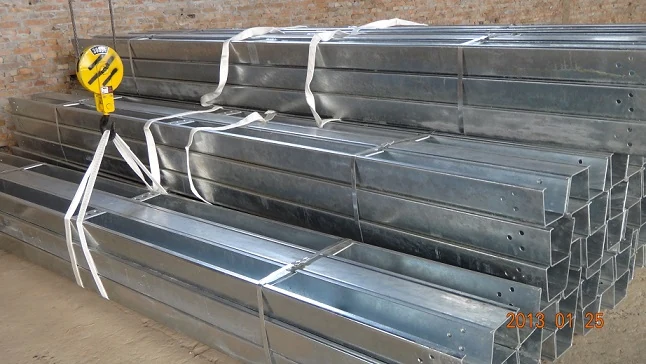
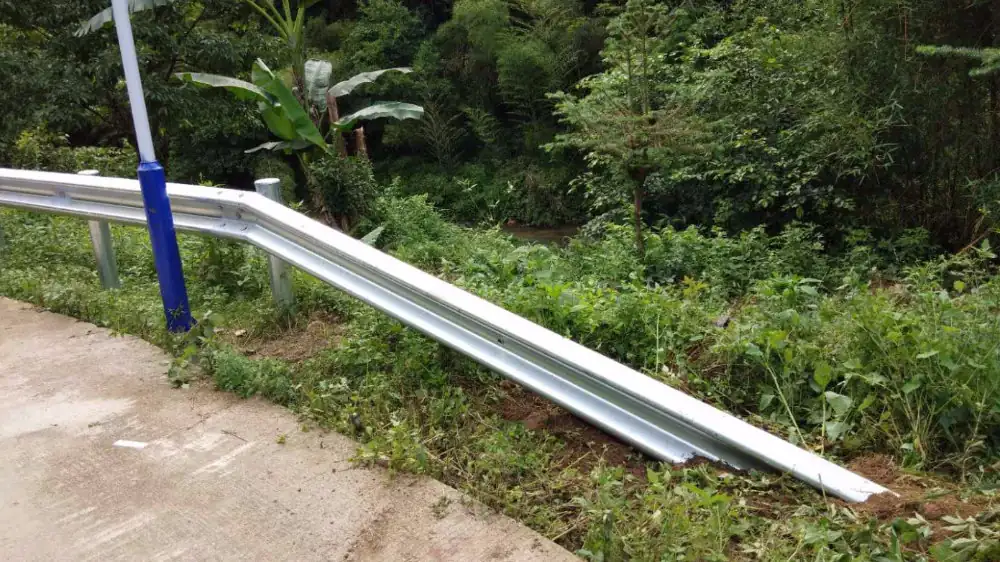
Some parts of a road carry more consequence than others. Bridge decks, sharp corners, steep ramps and the approaches to fixed structures are where an errant vehicle has least room and where a standard shoulder barrier is often not enough. These sections call for a stronger profile, and the source products for them are thrie-beam and open box beam.
The Problem
Industry Pain Points
- Standard W-beam specified in locations where the impact risk is materially higher
- Barrier deflecting further than the space available on a bridge deck allows
- Corners and ramp entries where a straight barrier leaves an exposed leading edge
- Higher maintenance cost on barrier that is repeatedly struck at the same points
- Aesthetic requirements on bridges and in parks that plain shoulder barrier does not meet
Requirements
What Buyers in This Sector Need
- A profile with more impact resistance than two-corrugation W-beam
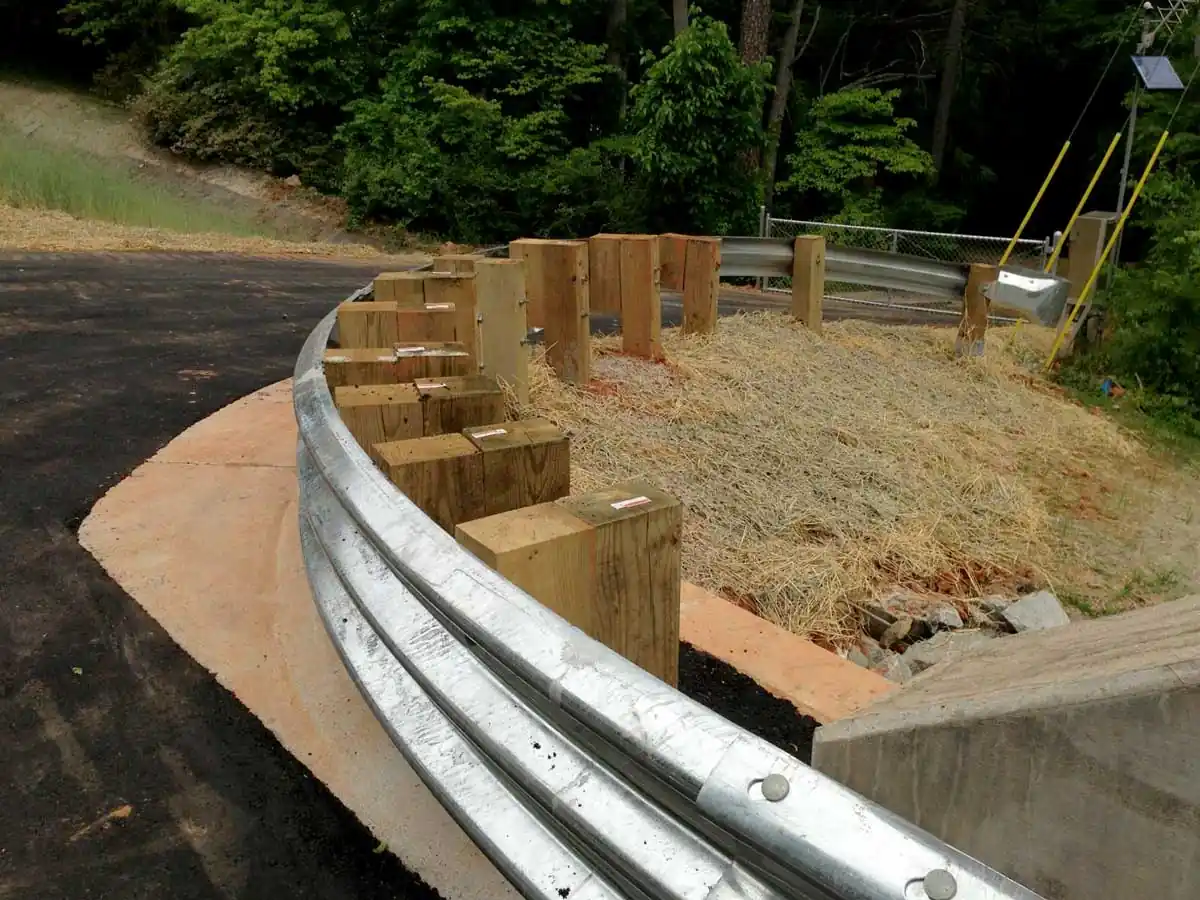
- Curved sections that follow the alignment instead of chording across a bend
- Terminal end sections fitted at every opening and at the end of each run
- A barrier whose long-term maintenance cost is lower on repeatedly loaded sections
- Sections that can be customised to the dimensions of the structure being protected
Where It Goes
Typical Application Scenarios
- Bridge decks and their approach transitions
- Ramps and interchange corners with larger deflection angles
- Dangerous road sections where the road authority upgrades the barrier class
- Parks and urban settings where box beam is used for its appearance as well as strength
- Curved alignments needing radii between 1.5 m and 50 m
Process
How We Deliver
- Identify the sections that need upgrading from shoulder barrier to a stronger profile
- Send the radius, deck dimensions and hole pattern the structure requires
- Thrie-beam or box beam is rolled to the section given on the drawing
- Curved sections are bent on the automatic bending machine to the radius specified
- Sections are galvanized, bundled and shipped with the matching posts and terminals
Track Record
Delivery Capability
- Box beam has shipped at around 100 containers per year to EU countries since 2010
- Thrie-beam is rolled at 4128 x 506 x 83 mm and 3.0 mm thickness as standard
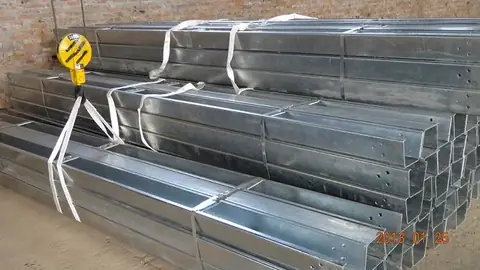
- Box beam is rolled at 200 x 150 x 149 x 4800 mm and 5.00 mm thickness as standard
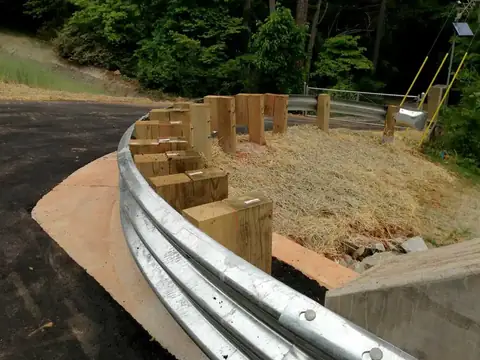
- Curved sections are bent convex or concave to a radius from 1.5 m to 50 m
- Custom dimensions are rolled where the structure requires them
Bridges and Hazard Zones Questions
When should we upgrade from W-beam to thrie-beam?
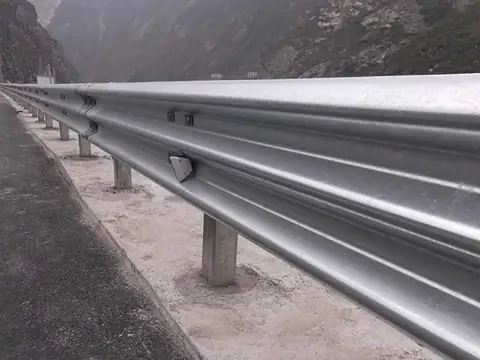
Thrie-beam is normally installed on the more dangerous sections of a road, such as corners and ramps with larger angles, and on bridges. It has a third corrugation and higher impact resistance than W-beam.
Why choose box beam over a corrugated profile?
Box beam has a solid construction and higher impact resistance, and its maintenance cost over the life of the installation is lower than corrugated barrier. It is also used where appearance matters, such as in parks and on bridges.
What radius can you bend curved sections to?
From 1.5 m to 50 m, convex or concave, bent on an automatic bending machine so the radius stays accurate across the run.
Do you supply terminal ends for these runs?
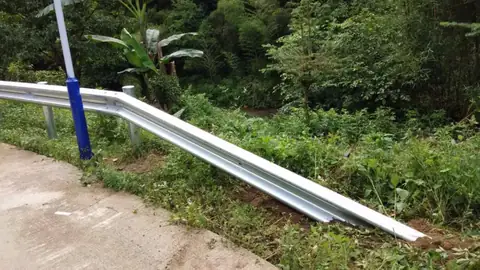
Yes. Terminals should be installed at every opening and at the end of each run, in upstream or downstream anchor type according to the direction of traffic.
Can the sections be made to our structure dimensions?
Box beam can be customised for the application and to the design requirements you supply. Send the drawing and we will confirm what we can roll.
Supplying Bridges and Hazard Zones
Send the specification for your project and we will confirm the products and quantities that fit it.