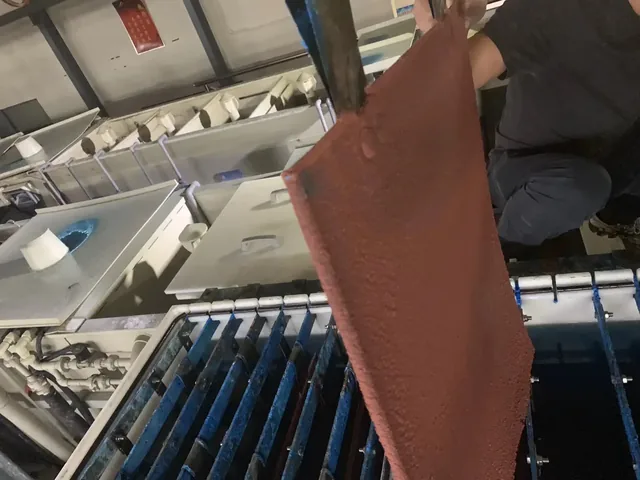
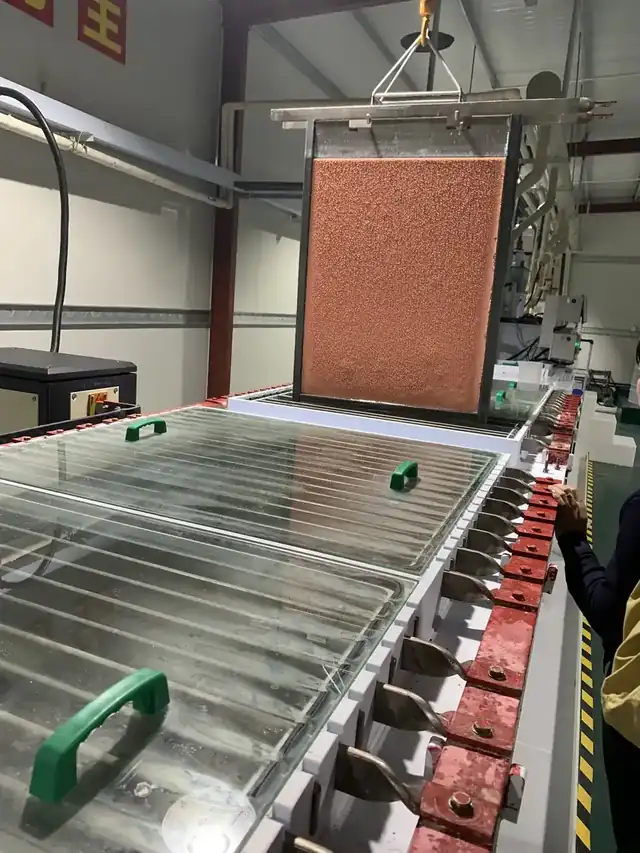
Copper Electrolysis Recovery Machine For PCB Etching Solution And Electroplating Solution
Direct electrolysis of alkaline etchant and copper plating bath so the etchant returns to the line
- Feed solutionPCB alkaline etching waste liquid, copper electroplating solution
- Copper content in typical etchant100-170 g/L
- Other components in etchantAmmonia, salt, ammonium chloride
- MethodDirect electrolysis (electrolytic deposition)
- ProductHigh purity electrolytic copper on the cathode plate
What This Machine Does
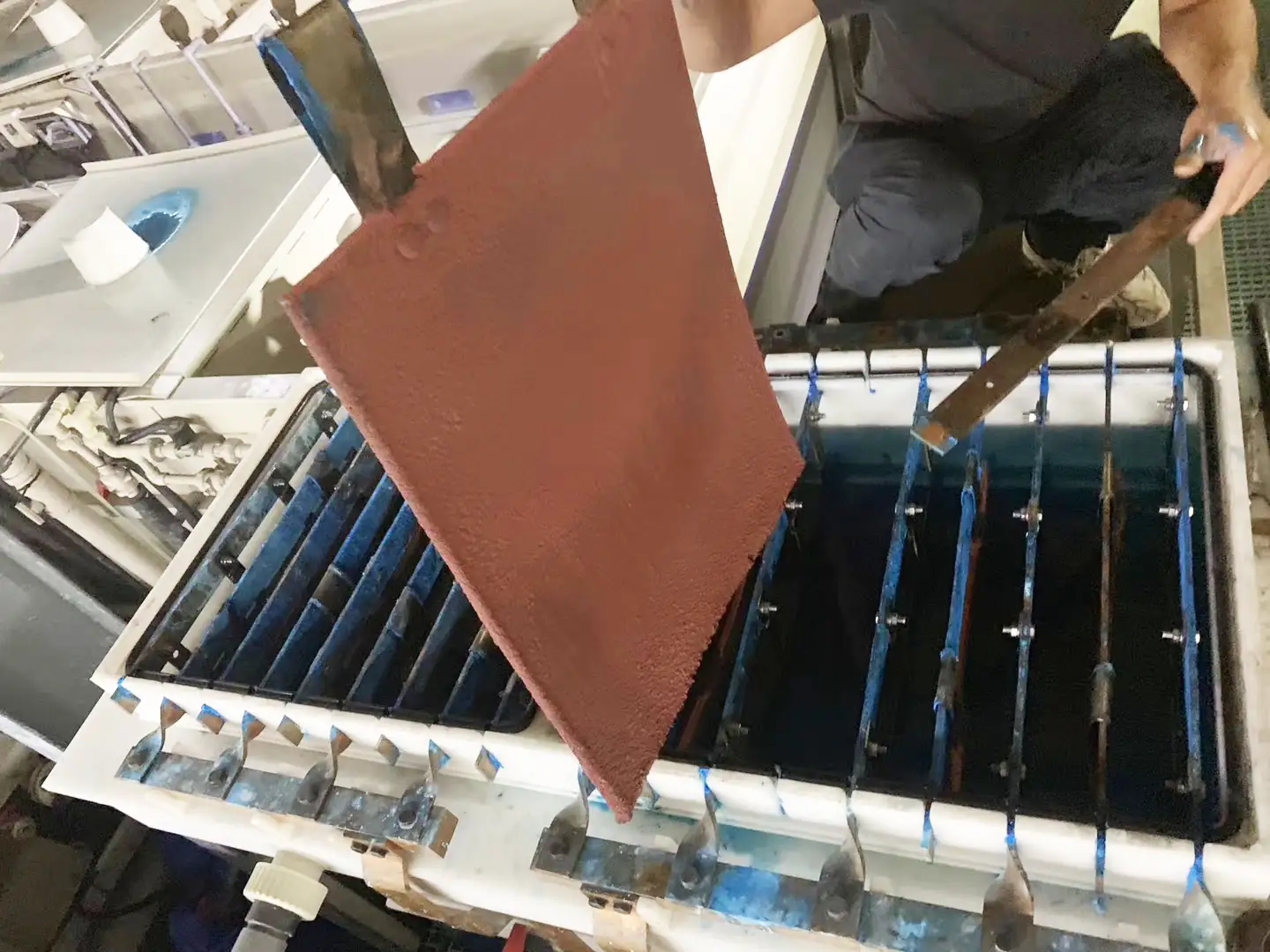
This machine reduces copper ions in etching and plating solution to metallic copper and deposits them on the cathode plate.
PCB etching produces a large volume of waste etchant containing 100-170 g/L copper together with ammonia, salt and ammonium chloride.
Direct electrolysis takes that copper out as high purity electrolytic copper so the etching solution can be made up and put back on the line.
What You Get
- Copper is recovered and the etching solution is reused on the production line after make-up, saving on both sides.
- Sewage treatment cost falls because copper is no longer in the stream sent to treatment.
- Production material cost falls because etchant is regenerated instead of replaced.
- If the etchant is not to be recycled, electrolysis still strips the copper before on-site treatment and brings pollutants to the required concentration.
Who Buys It
- PCB manufacturers with alkaline etching lines
- Copper plating shops with spent baths and rinse water
- Board houses under pressure on wastewater discharge
- Contract manufacturers who currently sell etchant as waste liquid
What It Fixes
- The traditional route is to sell etching waste liquid on, where neutralisation and precipitation turn it into sponge copper.
- That route wastes a large quantity of ammonium ions and leaves a small amount of copper unrecovered.
- Every litre of etchant sold is a litre that has to be bought again as fresh chemistry.
- On-site disposal cost rises with the concentration of the discharge.
How It Is Built
- Direct electrolysis of the etchant rather than neutralisation and precipitation
- Copper deposited on the cathode plate as high purity electrolytic copper
- Designed around the customer's own liquid composition and processing volume
- Built to the customer's processing targets
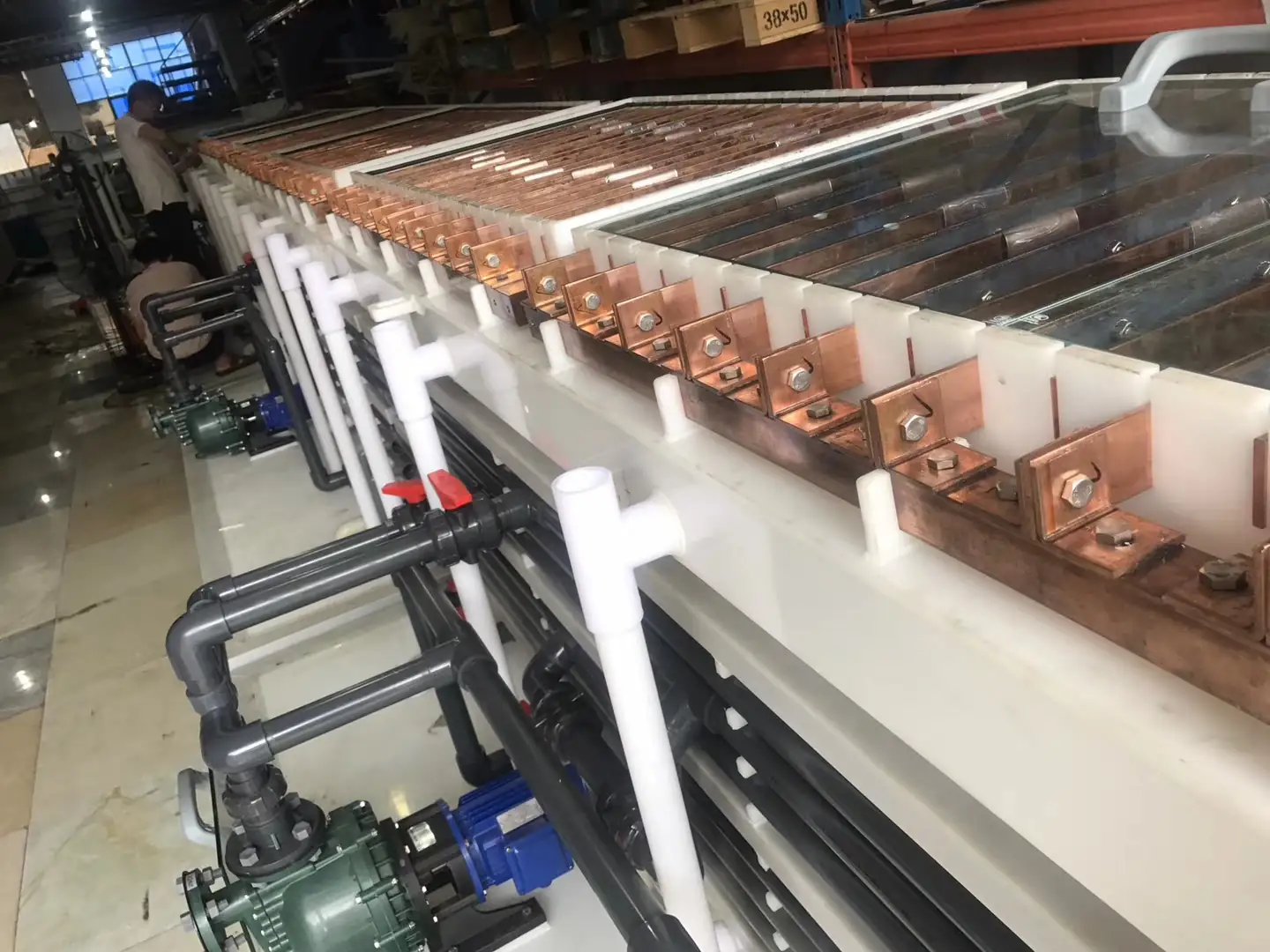
Technical Data
Every figure below is taken from the machine documentation. Where a value is not published it is left out rather than estimated.
| Feed solution | PCB alkaline etching waste liquid, copper electroplating solution |
|---|---|
| Copper content in typical etchant | 100-170 g/L |
| Other components in etchant | Ammonia, salt, ammonium chloride |
| Method | Direct electrolysis (electrolytic deposition) |
| Product | High purity electrolytic copper on the cathode plate |
| Etchant after treatment | Reusable on the production line after component preparation |
| Machine size and configuration | Designed to the customer's liquid composition, volume and processing target |
Where It Is Used
- Copper recovery from alkaline etching waste liquid on PCB lines
- Copper recovery from copper electroplating solution
- Etchant regeneration for reuse in the production line
- Copper removal ahead of on-site wastewater treatment
How It Compares With The Alternatives
| Selling etchant as waste liquid | Neutralisation and precipitation produce sponge copper, wasting ammonium ions and leaving some copper unrecovered |
|---|---|
| Neutralisation on site | Generates sludge and does not regenerate the etchant |
| Direct electrolysis with this machine | High purity electrolytic copper plus an etching solution that goes back on the line |
Running The Machine
Step
Send us the composition of your etching or plating solution and your daily processing volume.
Step
State your processing target, for example the copper concentration you need to reach.
Step
The machine is then designed and built around those figures.
Step
In operation the solution is electrolysed, copper plates onto the cathode and the treated etchant is made up for reuse.
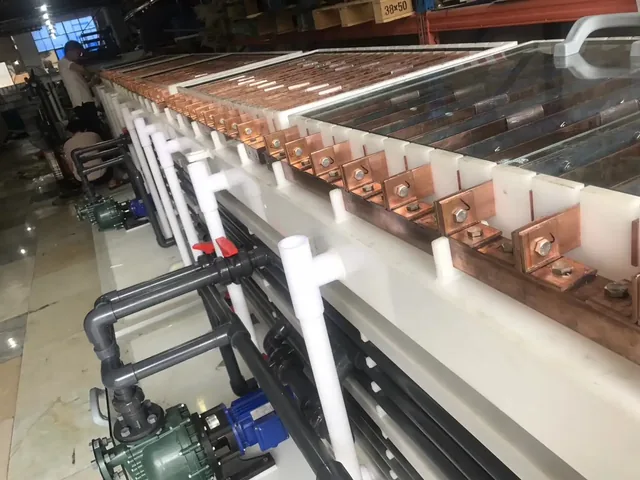
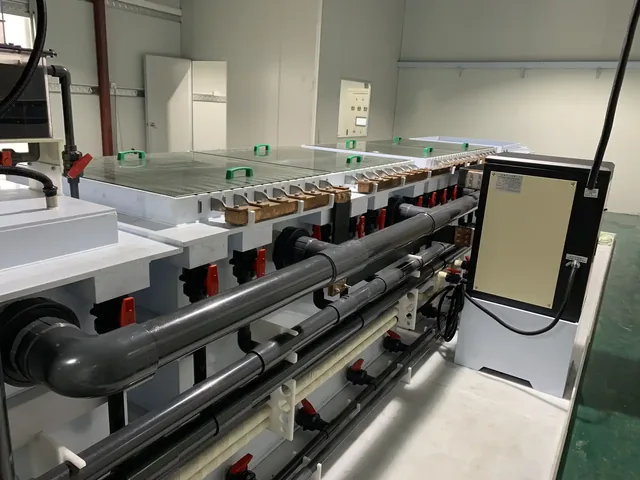
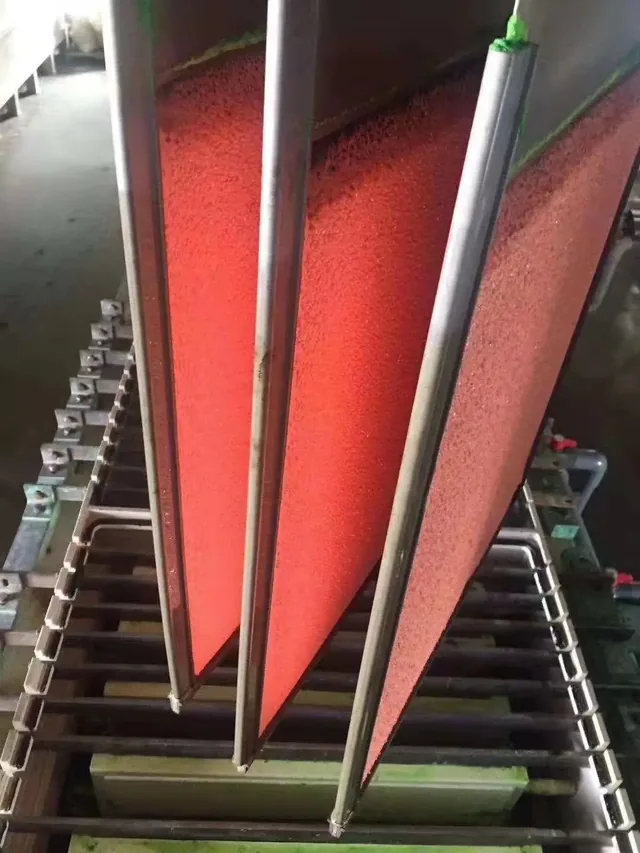
The Machine In The Factory And On Site
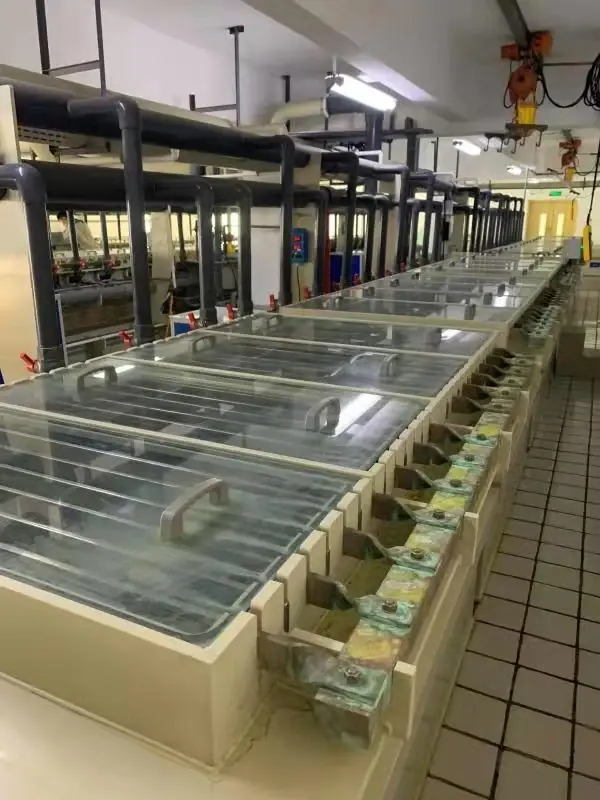
Questions About The Copper Electrolysis Recovery Machine For PCB Etching And Plating Solution
How much copper is in the etchant this machine treats?
PCB etching waste liquid typically contains 100-170 g/L of copper, along with ammonia, salt and ammonium chloride.
Can the etching solution really go back on the line?
Yes. After the copper is electrolysed out and the components are prepared, the etching solution is reused in the production line.
What if we do not want to recycle the etchant?
Copper can still be recovered by electrolysis and the solution treated on site, which lowers the disposal cost and brings pollutants to the required concentration.
What form does the recovered copper take?
High purity electrolytic copper extracted by electrolytic deposition on the cathode.
Is there a standard model?
No. This machine is designed and manufactured around your specific liquid composition, processing volume and processing targets.
How do I get a quotation?
Send the solution analysis, the daily volume and the target residual copper, and a configuration and price can be prepared.
Other Machines In This Range
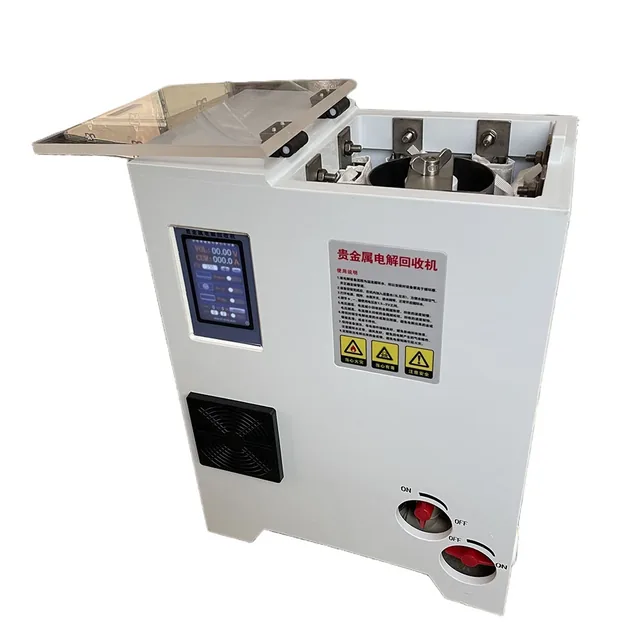
Small Copper Electrolysis Refining Machine 2kg Per 24h
Rotating cathode copper cell that also drops gold silver palladium and platinum into the anode mud
View machine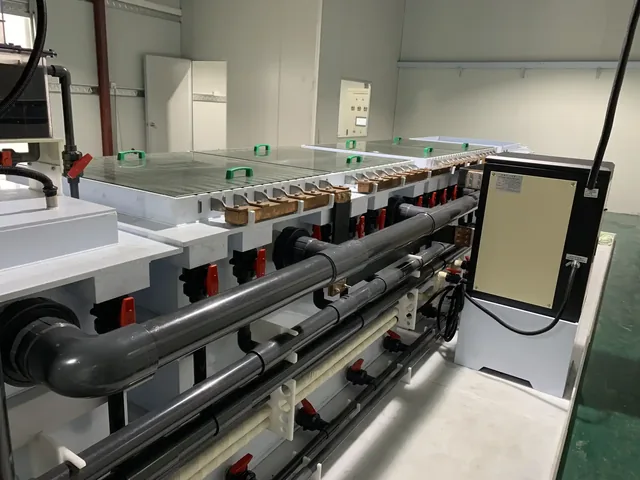
Copper Electrolysis Refining Machine For 80 Percent Copper To 99.9 Percent
Basket or plate anode cell at 3KG and 50KG per 24 hours with high frequency pulse rectifier
View machine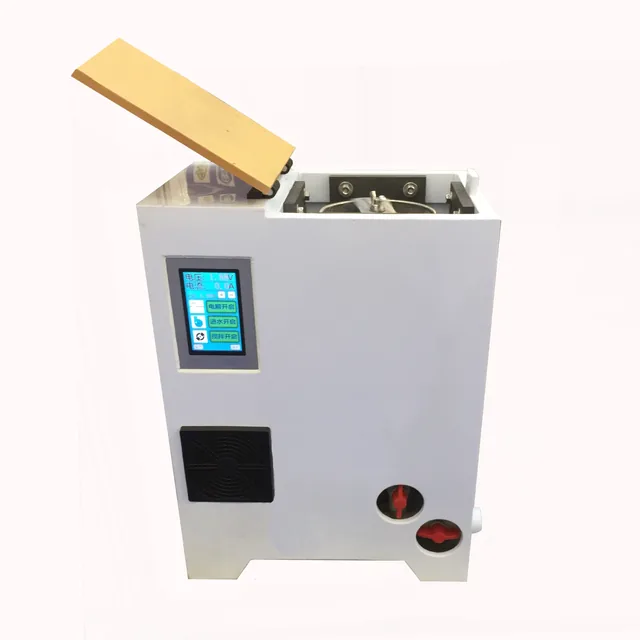
Precious Metal Electrolytic Recovery Machine For Plating Solution
Rotating-cathode high-frequency pulse electrowinning for spent plating baths, rinse water and pregnant solutions
View machineGet A Quotation For The Copper Electrolysis Recovery Machine For PCB Etching And Plating Solution
Send the metal, the solution composition and your daily volume, and we will confirm the model and price.