
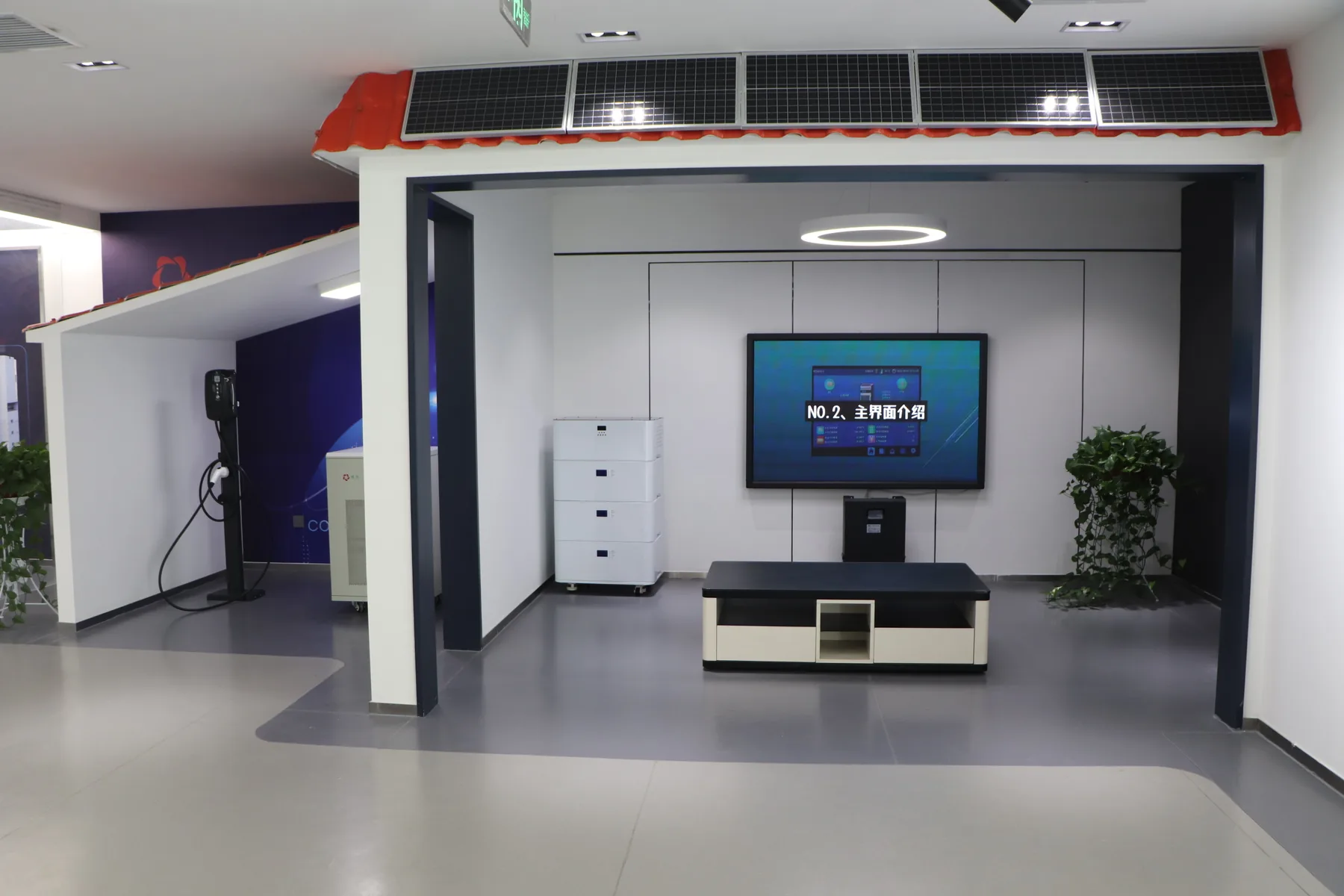
How To Size A Home Solar Storage System
A four-step method to move from a household electricity bill to a battery size that fits.
Most home storage systems are sized from the roof, which is the wrong end. The roof tells you how much energy arrives. The household tells you how much you need to keep. Here is the order we work in with installers.
Step one: find the evening load, not the daily total
A house that uses 18 kWh a day may only need 6 kWh of it after sunset. The battery exists to cover the hours the panels do not.
Take a week of meter readings, or an hourly export from the inverter, and total consumption from sunset to sunrise. That is your baseline.
Step two: decide what the battery is for
Self-consumption means covering the evening load and nothing more. A 5.12 kWh ZP-5BS often covers a modest household evening.
Outage backup means covering essential loads for the length of a typical outage. Count only the circuits that must stay live: lighting, refrigeration, pumps, routers.
Both together usually lands between 7.68 kWh and 10.24 kWh, which is the ZP-7BS and ZP-10BS.
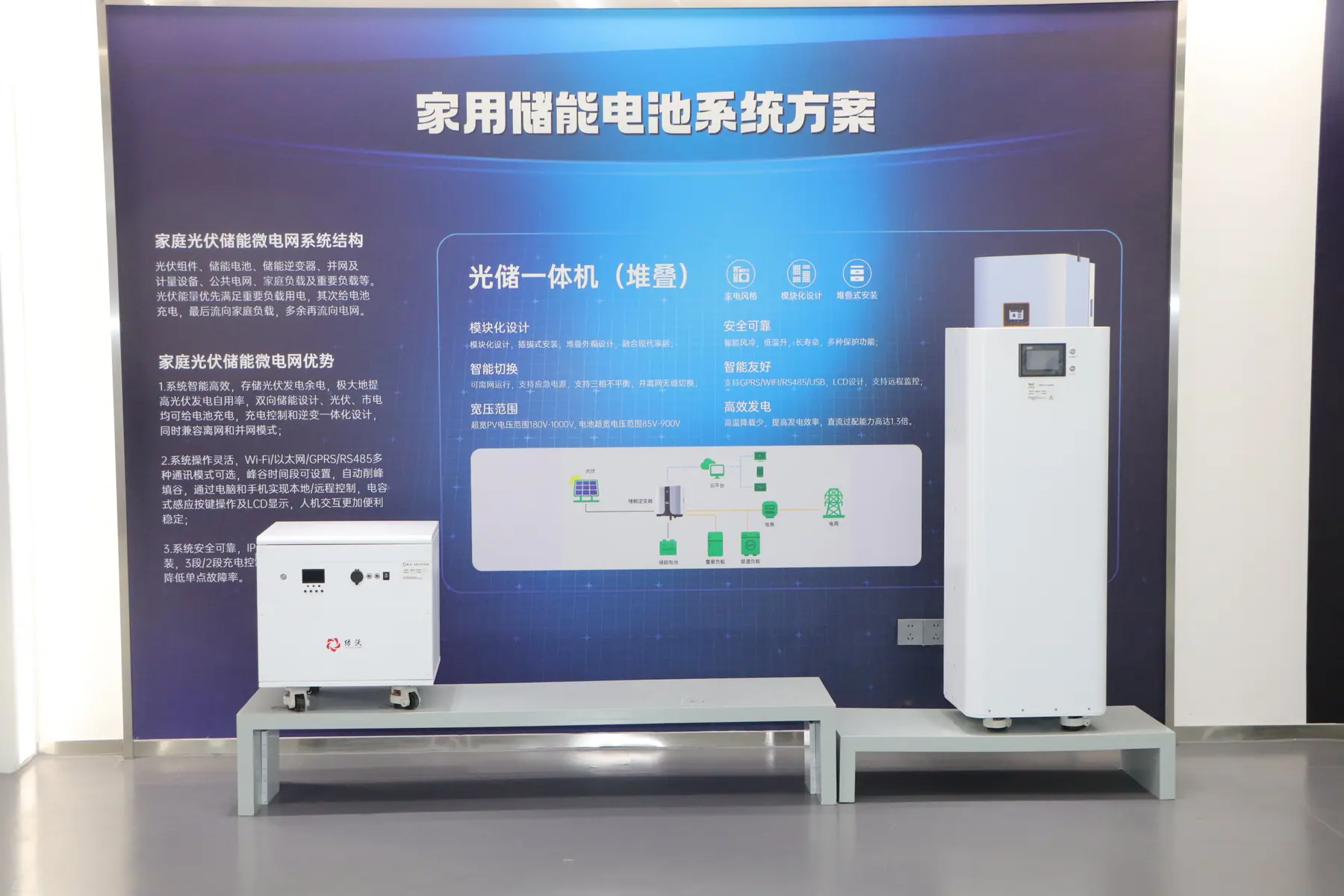
Step three: check the inverter conversation before you order
A battery that cannot talk to the inverter becomes a dumb box that never charges correctly.
Our home batteries support CAN, RS232 and RS485. Confirm which protocol the inverter expects, and send us the inverter brand and model. We confirm the protocol before shipment rather than after the installer is on the roof.
Step four: leave room to grow
Households add loads. An electric car, a heat pump or an extra air conditioner changes the arithmetic in a single year.
Up to 32 of our home batteries can be paralleled, so an installation can start at 5.12 kWh and grow without discarding the first unit. Sizing for exactly today's load and no more is the most common mistake in this category.
What about larger community projects
Above the single-household range we supply 20 kWh, 30 kWh and 100 kWh configurations with supporting photovoltaic panels, and above that the containerised systems take over at 1.03 MWh and up.
The method does not change: measure the load that has to be covered, then size the store.
Products Industries And Projects Referenced Here
Everything this guide points at, with the specifications behind it.
 Product
Household Solar Panel Energy Storage
ZP-5BS to ZP-10BS home batteries from 5.12 kWh to 10.24 kWh, plus matching PV panels.
View details →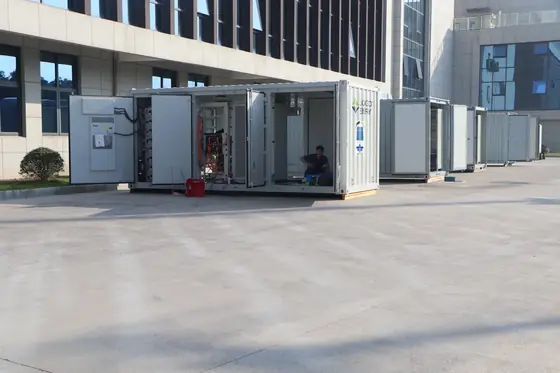 Product
Large Photovoltaic Grid Connected Containerized Energy Storage
500 kW to 1250 kW containerised storage from 1.03 MWh to 2.5 MWh for grid-connected PV.
View details →IndustryResidential And Community Storage
5 kWh to 100 kWh home and community storage with matching photovoltaic panels.
View details →ProjectExpanding Photovoltaic Energy Storage Capacity For Clean Power
Containerised photovoltaic storage supplied into large-scale industrial energy projects.
Read the project →Questions On This Topic
What size home battery do most customers choose?
Our three standard models are 5.12 kWh, 7.68 kWh and 10.24 kWh. Which one fits depends on the evening load and whether outage backup is required.
Can I add a second battery later?
Yes. Up to 32 batteries can be connected in parallel.
Where can the battery be installed?
The unit is IP40, so indoors or in a sheltered location. Charging range is 0 C to 60 C and discharge range is -20 C to 60 C.
Apply This To Your Own Project
Send the numbers from your site or fleet and we will run the same method against them.