
Battery Swapping Explained For Fleet Operators
When swapping beats charging, how to size a pack pool and what the cabinet actually needs.
Swapping is not a better way to charge a battery. It is a way to stop the rider waiting while it happens. Whether that is worth building depends on numbers you already have.
The only calculation that decides it
Multiply the number of riders by the hours each one loses to charging, then by the value of a rider-hour in your operation.
Our cabinet charges a 72 V 25 Ah pack in three hours. If a rider needs a mid-shift top-up, swapping converts three hours of downtime into under a minute. If your riders finish a shift on one charge and charge overnight, swapping is an expensive answer to a question you do not have.
Sizing the pack pool
A swap network needs more packs than vehicles. Packs are always in three states: in a vehicle, charging in a cabinet, or waiting charged.
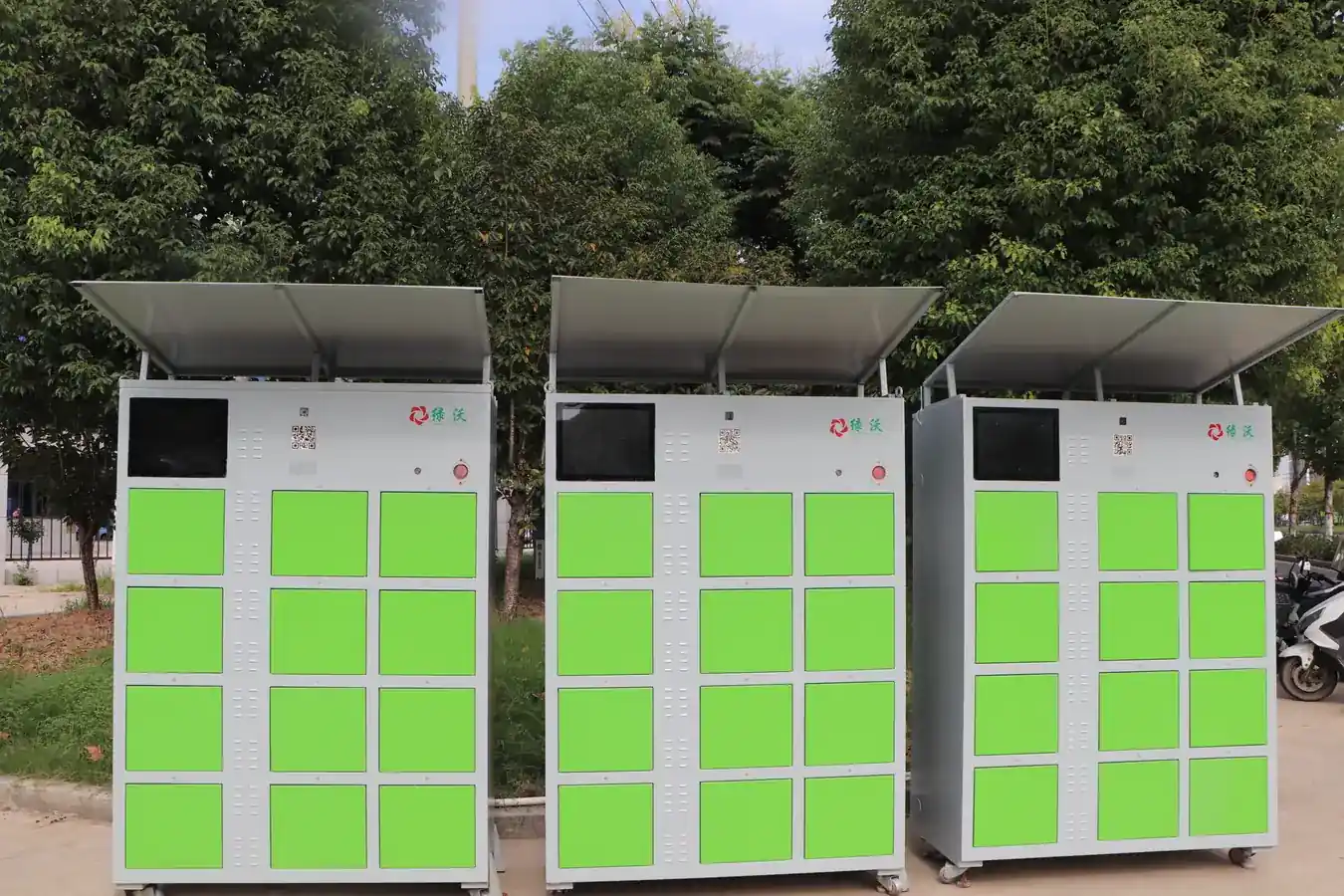
Our standard cabinet holds 12 boxes with 11 battery sets in rotation. The ratio of packs to riders comes out of the route survey: swap frequency per rider per day, multiplied by charge time, divided by operating hours.
Cabinet siting is a grid problem before it is a location problem
Operators pick sites by rider density and then discover the feeder cannot carry 20 kW of cabinet load.
Check the available connection capacity at each candidate site first. Where it is short, the cabinet can run with nine 550 W solar panels, a 5 kW inverter and a 30.72 kWh LiFePO4 buffer, designed around six sunlight hours.
Tracking is what keeps the pool from shrinking
A pack pool with no tracking loses packs. They are lost, sold, or quietly replaced with counterfeits that damage the cabinet.
Every pack we supply includes GPS and a communication protocol, and the system plan covers battery management, charging status display and software to locate batteries.
Interoperability decides whether you can ever change supplier
Cabinets and packs from different suppliers rarely work together, so the first purchase usually locks the network.
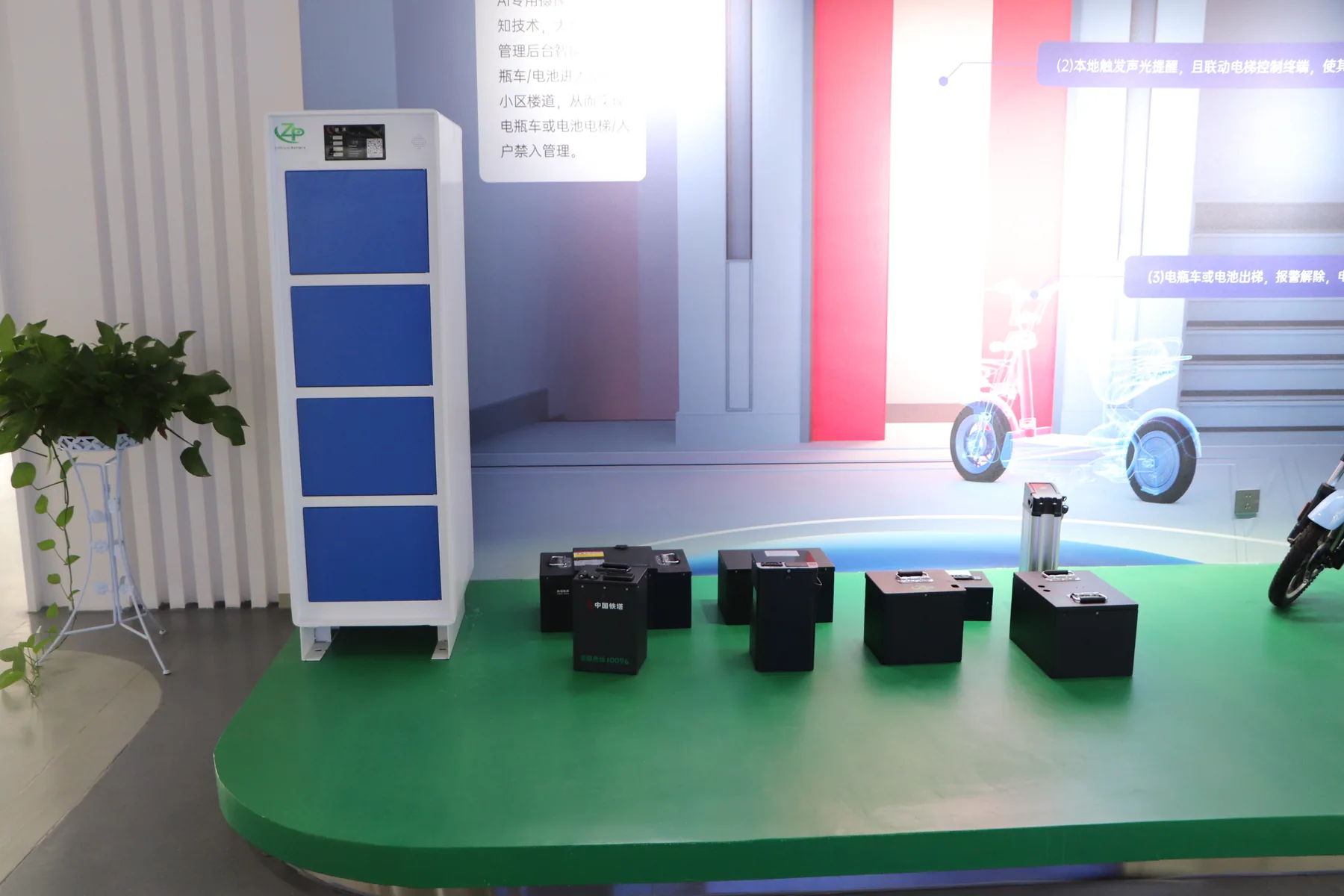
Specify cabinet, pack and vehicle together. We supply all three on the same platform, which is how the China Tower power exchange project is configured.
Products Industries And Projects Referenced Here
Everything this guide points at, with the specifications behind it.
 Product
Battery Swapping For Municipal Administration
Solar-assisted 12-box swapping cabinet with 72V 25Ah packs for municipal two-wheeler fleets.
View details → Product
Energy Storage For China Tower Road Lights And Electric Motorcycles
Swap cabinets, packs and road-light storage supplied into China Tower power exchange projects.
View details →IndustryBattery Swapping Networks
Swap cabinets, pack pools and tracking software for delivery and municipal fleets.
View details → Industry
Electric Two And Three Wheelers
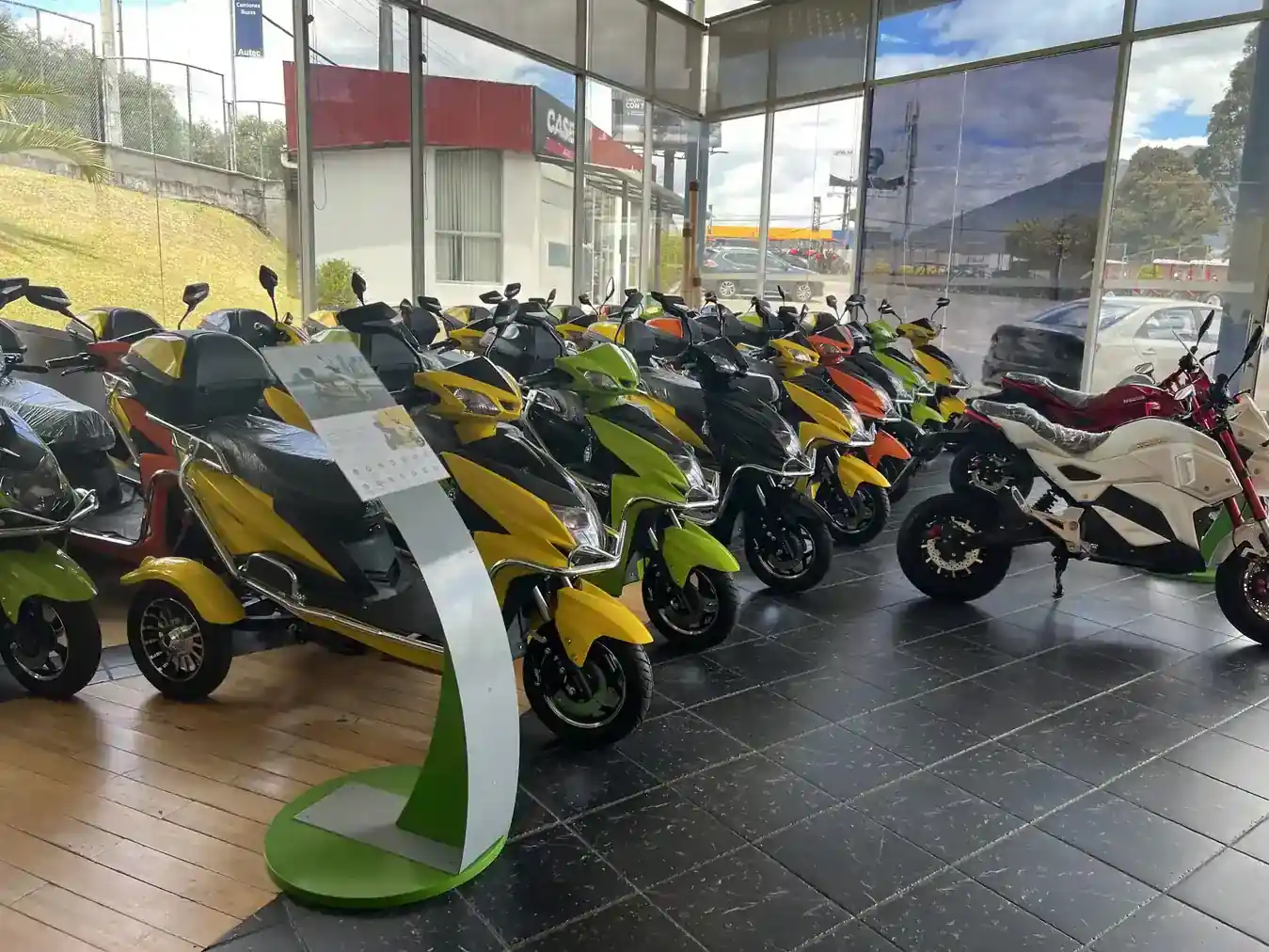
72V swap-compatible packs and vehicle supply for electric motorcycles and tricycles.
View details →ProjectTower Power Exchange Cabinets And Battery Packs For China Tower
Power exchange cabinets, supporting battery packs and electric motorcycles for China Tower.
Read the project →Questions On This Topic
How long does a swap take compared to charging?
A swap takes under a minute. Charging the same 72 V 25 Ah pack in the cabinet takes three hours at 8 A.
Can a cabinet run on solar?
Yes. The standard configuration includes nine 550 W panels, a 5 kW inverter and a 30.72 kWh LiFePO4 buffer, designed around six sunlight hours.
How do we stop packs going missing?
GPS and a communication protocol are included in every pack, with location software in the swapping system plan.
Apply This To Your Own Project
Send the numbers from your site or fleet and we will run the same method against them.