
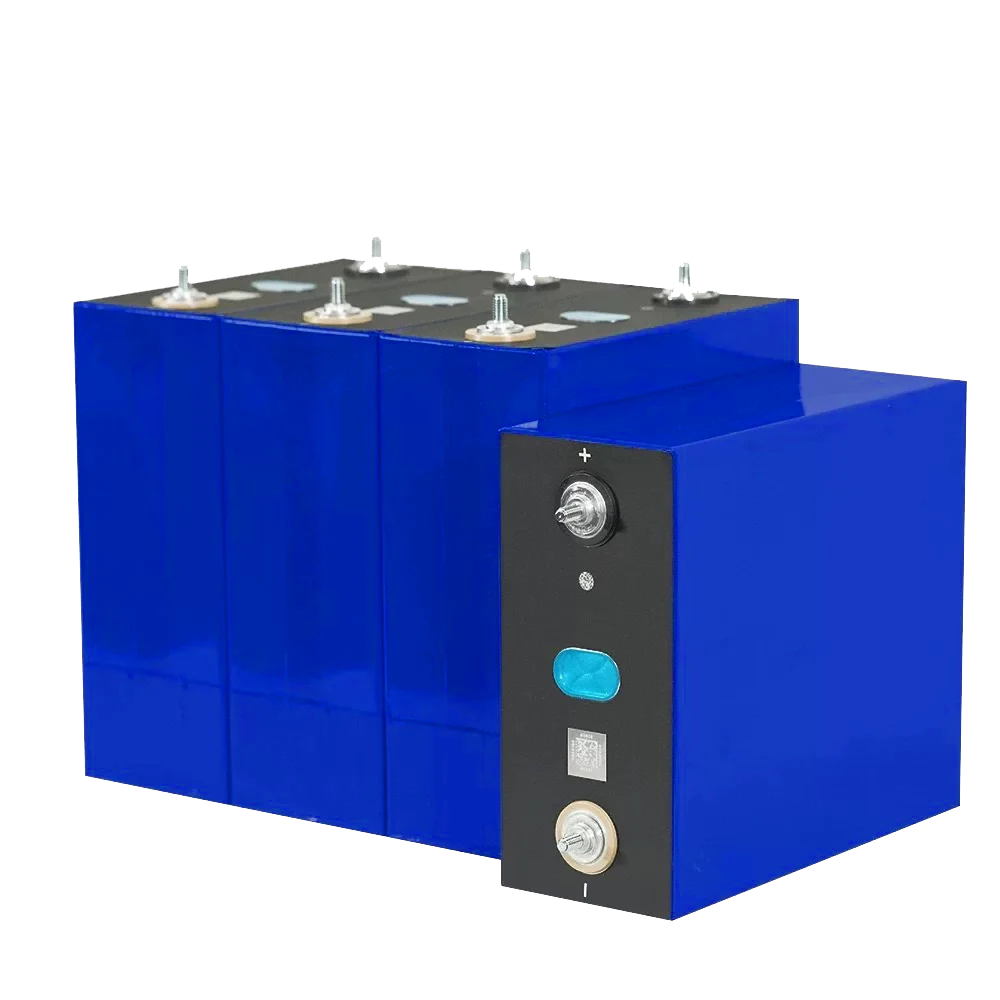
LiFePO4 And NMC Compared For Commercial Vehicles And Storage
Why iron phosphate wins on cycle life and thermal behaviour, and where NMC still has a case.
Every buyer asks for the same battery in different words: more range, longer life, lower price. Chemistry decides which two of those three you get. This is the comparison we run with customers before a pack is specified.
Where the two chemistries differ
Lithium iron phosphate (LiFePO4) uses an iron phosphate cathode. Nickel manganese cobalt (NMC) uses a nickel-rich cathode. The cathode decides cell voltage, energy density, thermal stability and cost.
NMC packs more energy into the same mass. LiFePO4 survives more cycles and behaves better when something goes wrong. Neither statement is marketing; both are properties of the cathode.
Cycle life is the number that matters for commercial duty
A delivery van charges every working day. Over five years that is well over a thousand full cycles before you count partial ones.
Our EV traction packs are specified at more than 2000 cycles while retaining over 80% of rated capacity. Our base station batteries run to more than 4000 cycles on the 48V 200Ah model. Those numbers are only reachable with iron phosphate chemistry.
If a pack is replaced twice during the life of the vehicle, the cheaper pack was not cheaper.
Energy density and where it actually costs you
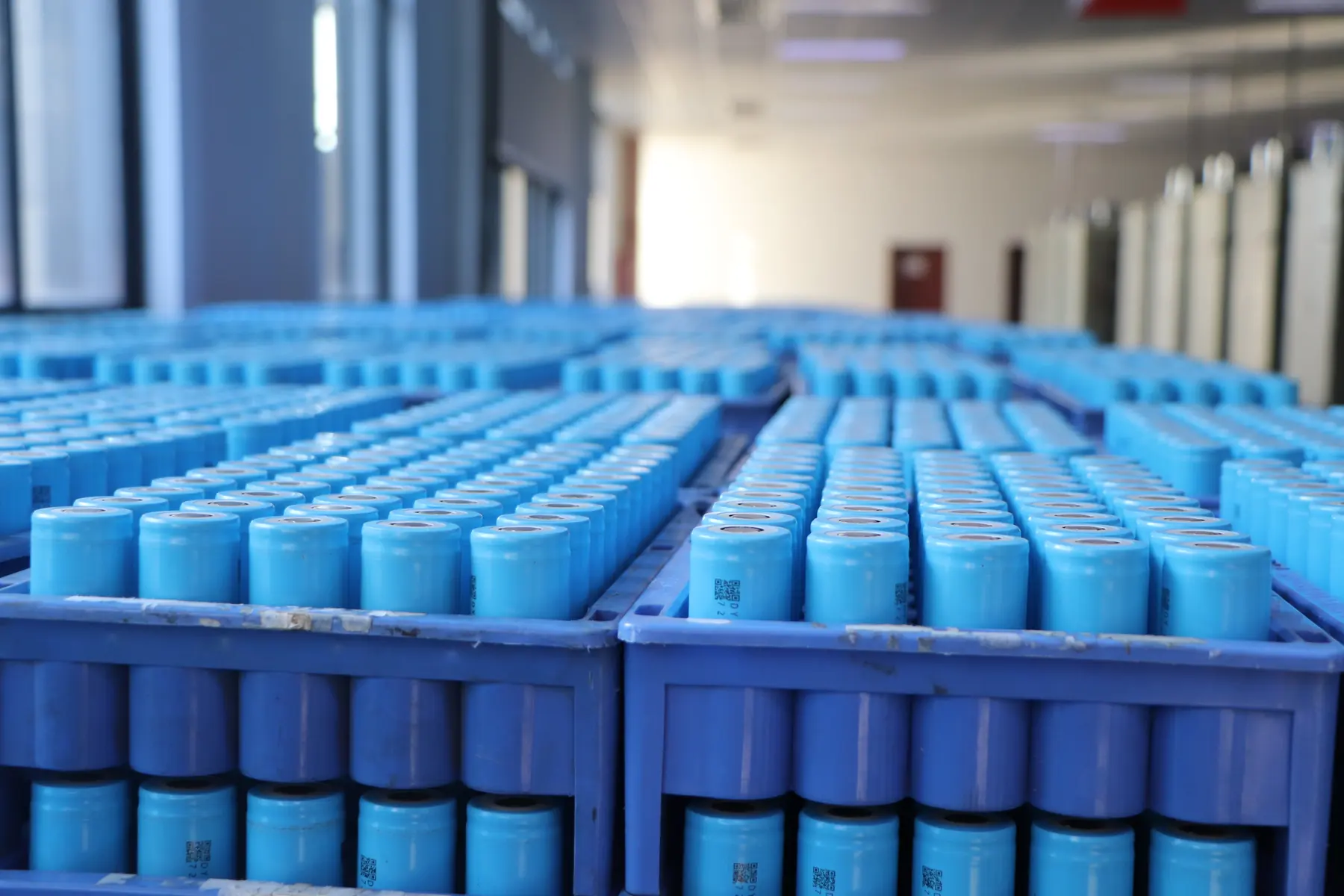
NMC's advantage is mass. On a passenger car chasing a range figure, that matters.
On a bus, a truck or a container, mass is far less constraining than volume and heat. Our 285.69 kWh bus pack runs at 40 tonnes or less in a 9610 x 2500 x 3500 mm envelope and is cooled by natural air convection. Chasing density there would buy range you cannot use and add a cooling system you have to maintain.
Thermal behaviour and what it means for the workshop
Iron phosphate has a higher thermal runaway threshold and does not release oxygen from the cathode in the same way a nickel-rich cell does.
Practically, that is why our bus pack can be air cooled at IP65 and our home battery uses natural cooling with no fans. Fewer active cooling parts means fewer things for a workshop to service.
Cold weather is the real LiFePO4 weakness
Iron phosphate loses more usable capacity at low temperature than NMC does.
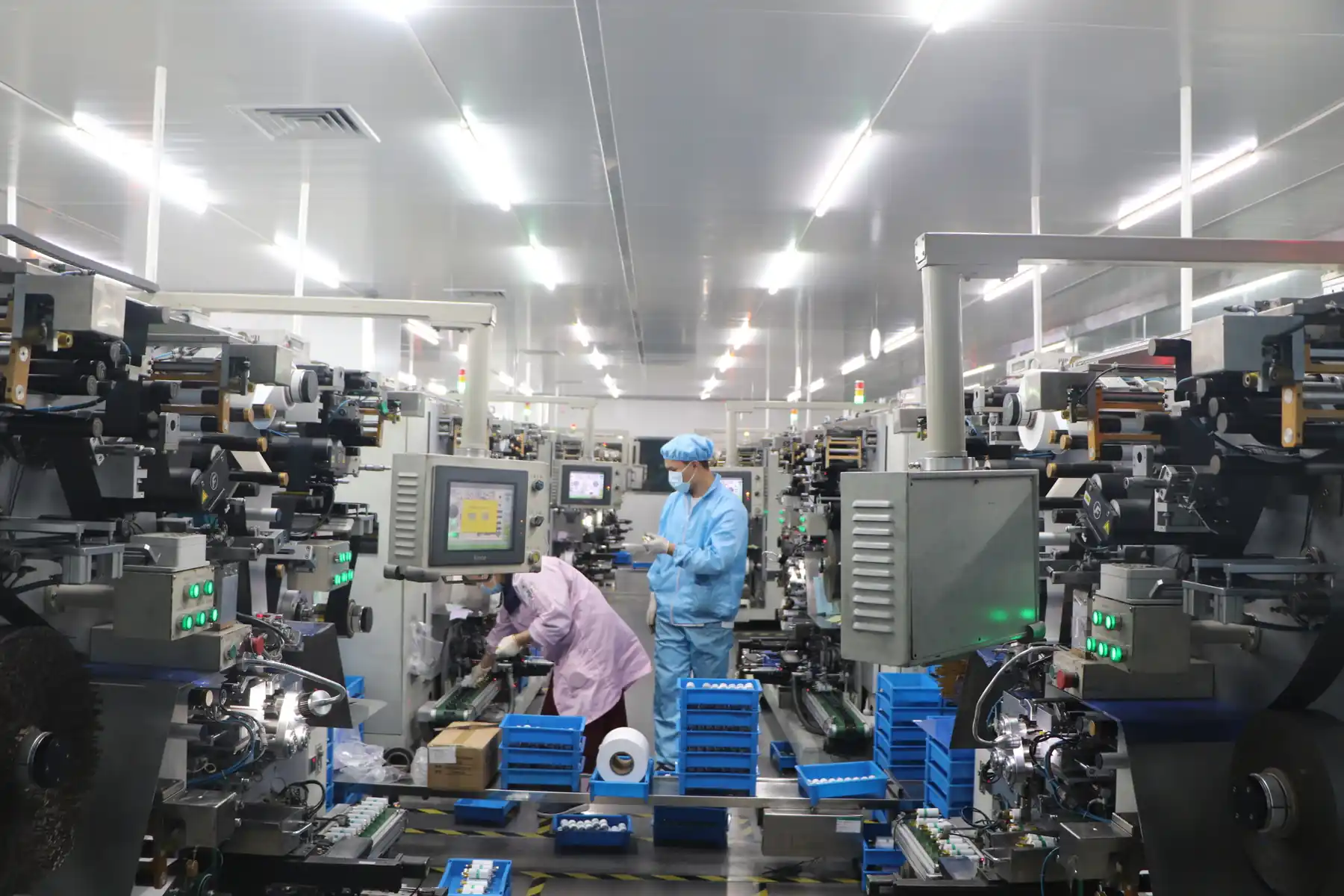
The answer is not a different chemistry, it is heating. Our 393.6 V light-truck pack uses natural cooling plus PTC heating for exactly this reason. If your market sees sub-zero mornings, specify the heating at the start.
How to decide
Choose LiFePO4 when the vehicle or system cycles daily, when the duty is commercial, when the climate is hot, or when the workshop cannot support a liquid cooling loop.
Choose NMC when mass is the binding constraint and the cycle count over life is genuinely low.
Every ZP LITHIUM product is built on LiFePO4 because the applications we serve, which are fleets, base stations, swap networks and stationary storage, all sit firmly in the first list.
Products Industries And Projects Referenced Here
Everything this guide points at, with the specifications behind it.
 Product
Lithium Battery Power System for EV
Traction battery packs of 90-161 kWh for light trucks, small vans and commercial vehicles.
View details →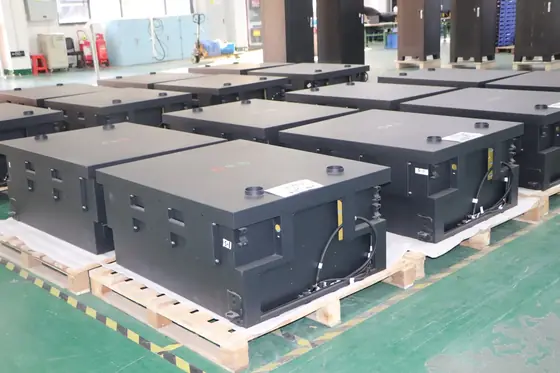 Product
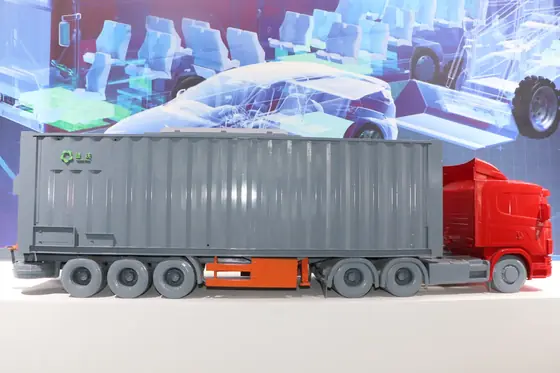
Bus Energy Power Battery
285.69 kWh, 614.4 V traction battery for electric buses and heavy trucks.
View details →IndustryCommercial Vehicle Power
Traction packs from 90 kWh to 285 kWh for vans, light trucks, heavy trucks and buses.
View details →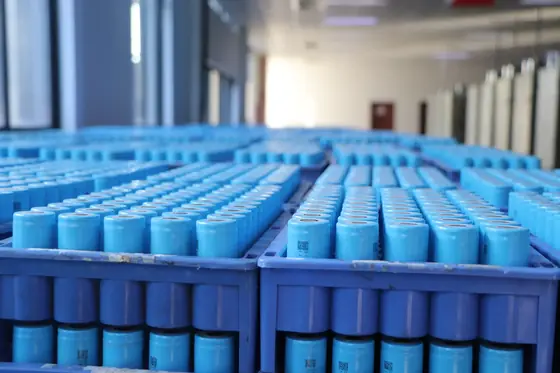 Industry
Lithium Battery Pack Assembly
Cells, modules and BMS supplied to assemblers who build their own packs.
View details →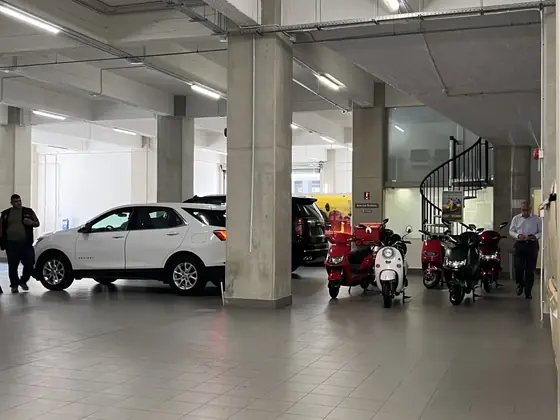 Project
Battery Supply For A Chevrolet Dealer Electric Motorcycle Brand
ZP lithium batteries applied to a Chevrolet dealer's electric motorcycle brand series.
Read the project →Questions On This Topic
How many cycles do your LiFePO4 packs deliver?
More than 2000 cycles at over 80% capacity on the EV traction packs, and more than 4000 cycles on the 48V 200Ah base station battery.
Do you supply NMC cells?
Our production is focused on iron lithium battery cells. We have 20 years of experience producing iron lithium battery cells and 452 technology patents in LiFePO4 batteries.
Will a LiFePO4 pack work in a cold market?
Yes, with heating specified. Our 393.6 V pack uses natural cooling plus PTC heating, and packs discharge down to -20 C or -25 C depending on the model.
Apply This To Your Own Project
Send the numbers from your site or fleet and we will run the same method against them.