
A Buyers Guide To Containerized Energy Storage
What to check in a container quotation before the battery specification distracts you.
Container quotations look comparable and rarely are. The battery capacity is the easiest number to match and the least likely to be where the difference lies. These are the six lines we tell buyers to check first.
One: container format, because it decides your shipping cost
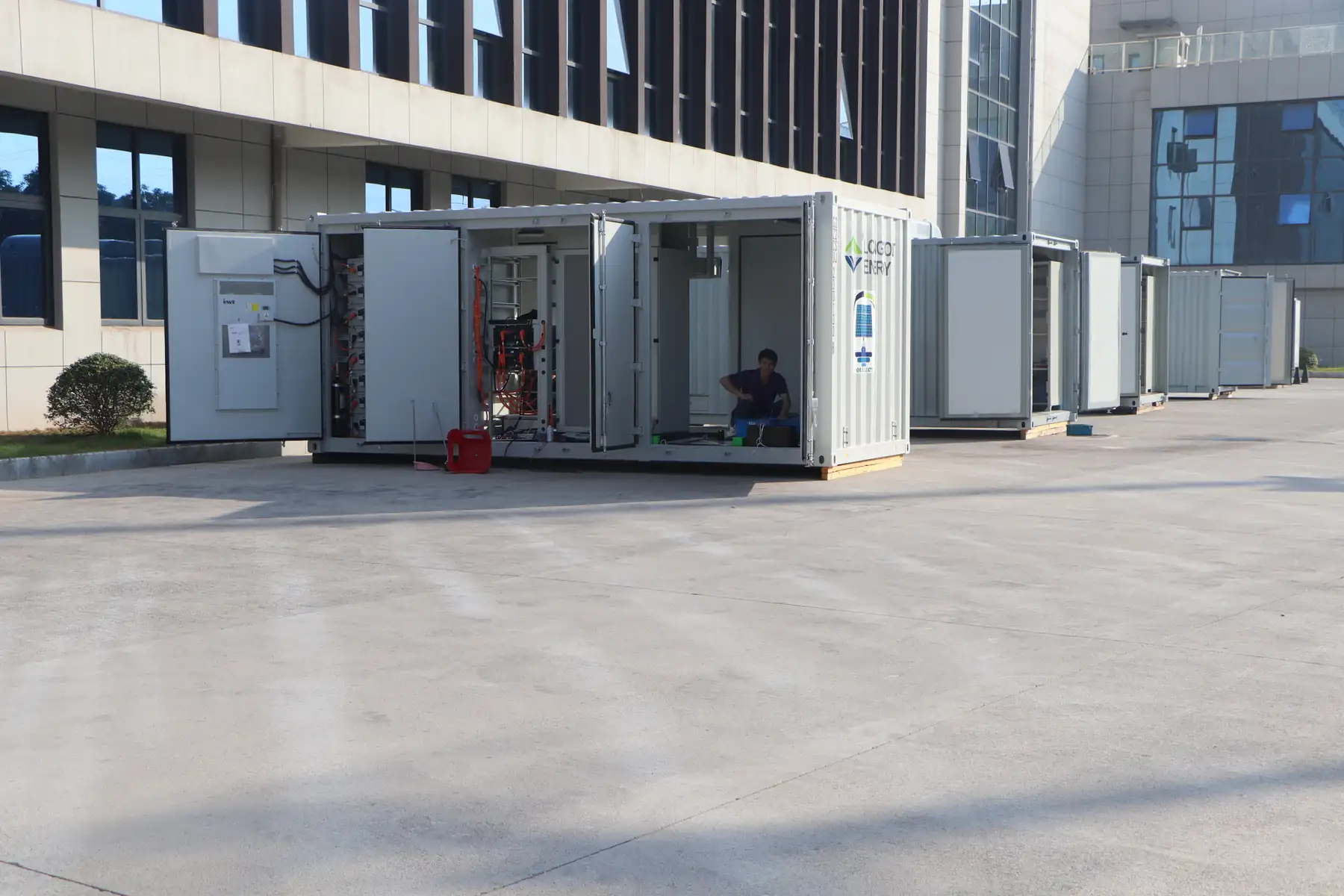
A 1250 kW 2.5 MWh system fits a 20GP. A 500 kW 1.376 MWh system needs a 30GP. A 500 kW 1.03 MWh system fits a 20GP again.
Higher energy in a smaller box is not always better, but it changes freight, crane requirements and slab size. Get the format stated before you compare prices.
Two: cluster voltage, because it decides your PCS
Our builds run either 1280 V with seven 280 Ah clusters, or 614.4 V with six or eight clusters.
System operating voltage is 1120-1440 V or 537.6-691.2 V respectively, with single strings at 2.8-3.6 V. If the quotation does not state this, the PCS compatibility question has not been answered.

Three: cooling, because it decides hot-climate output
Our containers use air conditioning, not passive ventilation. Charging window is 0 C to 60 C and discharge window is -20 C to 60 C.
A passively vented container in a hot climate derates when you need it most, which is the same afternoon your tariff peaks.
Four: photovoltaic loss, because it is usually missing
Our sizing carries a 25% photovoltaic loss. That is why a 2508 kWh system is quoted against an actual PV demand configuration of 3344 kW rather than 2508 kW.
A quotation that sizes panels at nameplate has moved a shortfall into your commissioning phase.
Five: floor space, because the slab is your cost
Panel area is rarely on the battery quotation and always on your budget. The 2.5 MWh build needs 1240 panels at 2158 x 1236 mm, which is 3308 m2. The 1.03 MWh build needs 510 panels and 1361 m2.
Confirm the land before you confirm the battery.
Six: what happens after the container arrives
Ask who sets grid parameters, who verifies output and who trains the operator.
Our turnkey scope runs from the load and tariff study to site commissioning and handover under the two year product warranty. Delivery is 60 days for a first order and 30 days from the second.
When a mobile unit is the better answer
If the demand moves between sites, or a grid upgrade would take longer than the project, a trailer-mounted container from 250 kWh to 1380 kWh with integrated 160 kW to 320 kW charging guns solves the same problem without a permanent connection.
Products Industries And Projects Referenced Here
Everything this guide points at, with the specifications behind it.
 Product
Large Photovoltaic Grid Connected Containerized Energy Storage
500 kW to 1250 kW containerised storage from 1.03 MWh to 2.5 MWh for grid-connected PV.
View details → Product
Large Mobile Truck Containerized Energy Storage
250 kWh to 1380 kWh trailer-mounted storage with integrated DC fast charging guns.
View details →IndustryGrid Scale And Industrial Storage
Containerised storage from 250 kWh to 2.5 MWh for parks, malls, charging and grid support.
View details →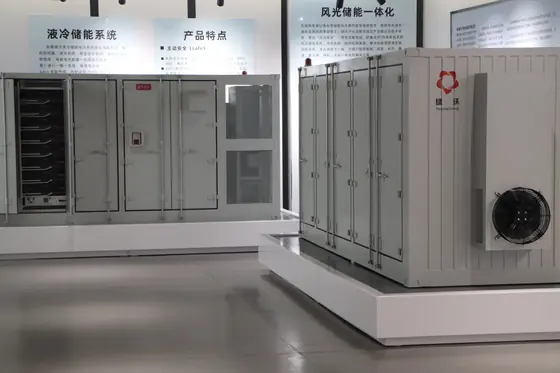 Industry
Municipal And Government Projects
Swap fleets, standby power and storage for public infrastructure programmes.
View details →ProjectExpanding Photovoltaic Energy Storage Capacity For Clean Power
Containerised photovoltaic storage supplied into large-scale industrial energy projects.
Read the project →Questions On This Topic
What container sizes do your systems ship in?
1250 kW 2.5 MWh and 500 kW 1.03 MWh ship in a 20GP. 500 kW 1.376 MWh ships in a 30GP.
How much land do the solar panels need?
The 2.5 MWh configuration is quoted against 1240 panels and 3308 m2. The 1.376 MWh configuration is 675 panels and 1800 m2. The 1.03 MWh configuration is 510 panels and 1361 m2.
What is the delivery lead time?
First order within 60 days. From the second order, 30 days.
Apply This To Your Own Project
Send the numbers from your site or fleet and we will run the same method against them.