
Sizing Charging And Storage For An Electric Fleet Depot
How depot load, connection capacity and duty cycle decide whether you need storage at all.
Fleet electrification usually stops at the same place: the grid connection. The vehicles are available, the depot is available, and the connection upgrade quote arrives with a two-year programme attached. Storage is how that gap gets bridged.
Start with the depot energy, not the charger count
Total the daily kWh of every vehicle that returns to the depot. That is the energy the depot has to deliver overnight.
Then divide by the charging window in hours. That gives the average power. Chargers are sized from this number, not from a catalogue.
Compare that against the connection you already have
If the average power exceeds the existing connection, you have three options: upgrade the connection, extend the charging window, or add storage.
Storage charges slowly across the whole day within the existing connection, then discharges fast into the chargers overnight. The grid never sees the peak.
Sizing the storage
Storage energy needs to cover the shortfall: depot energy minus what the existing connection can deliver in the charging window.
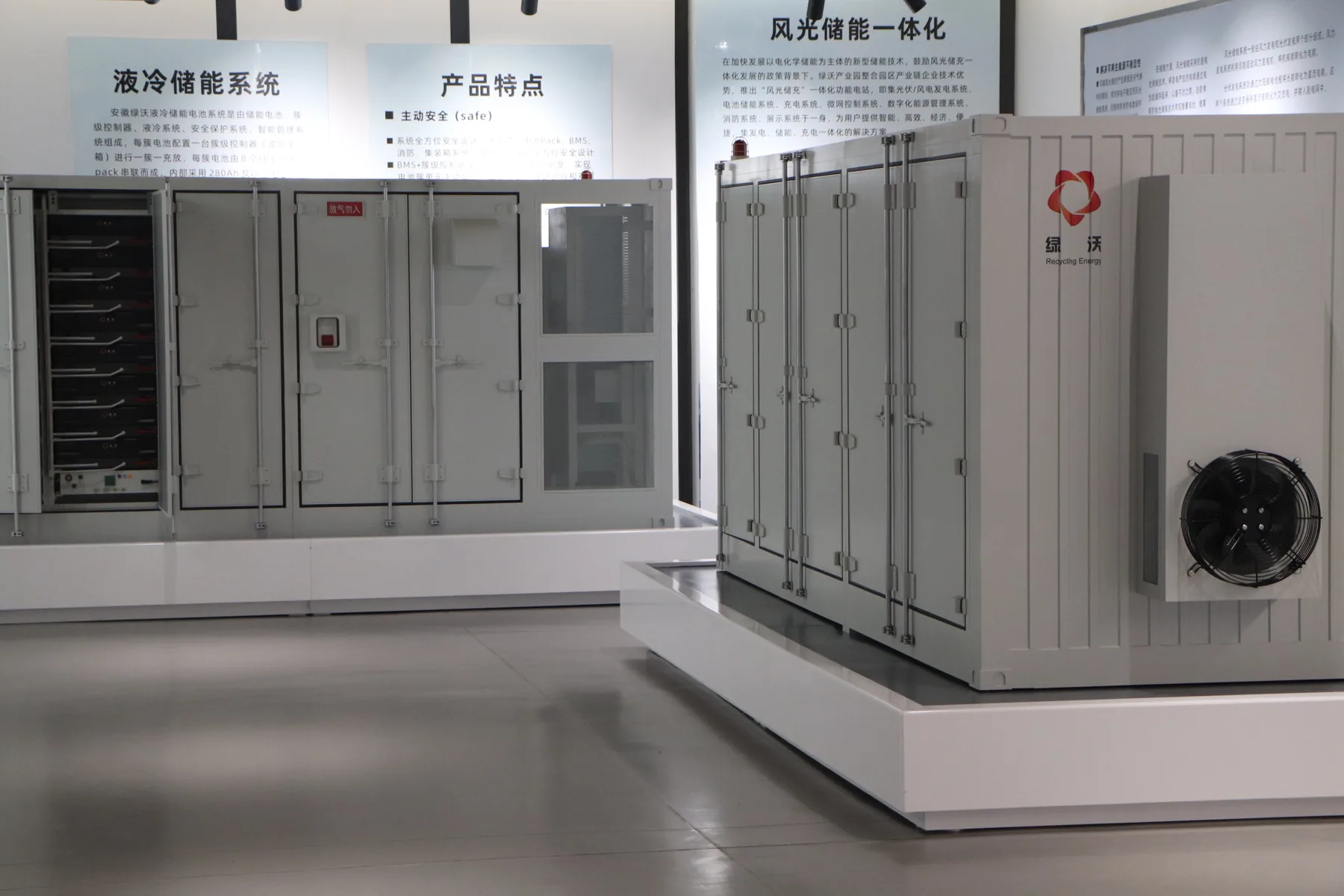
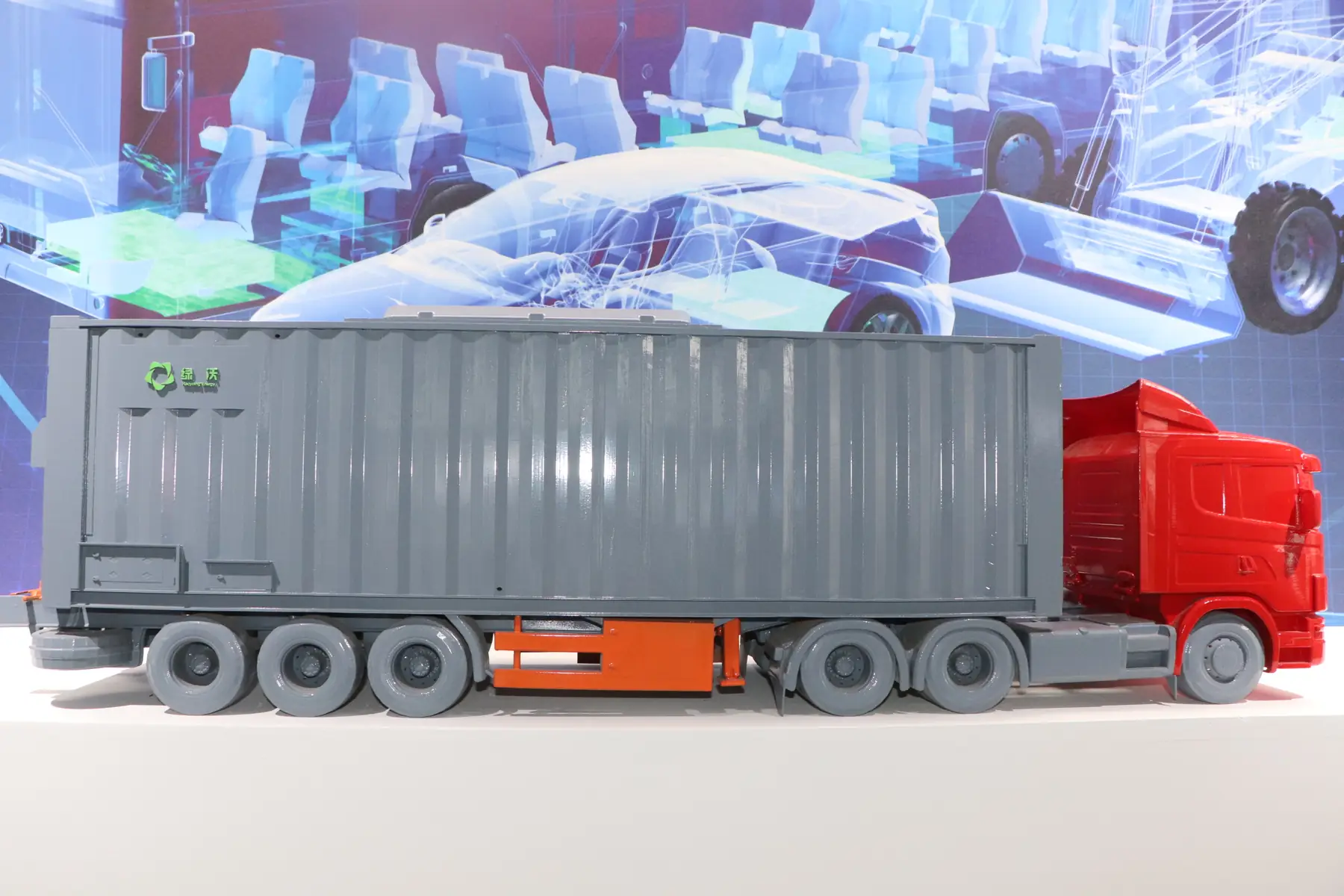
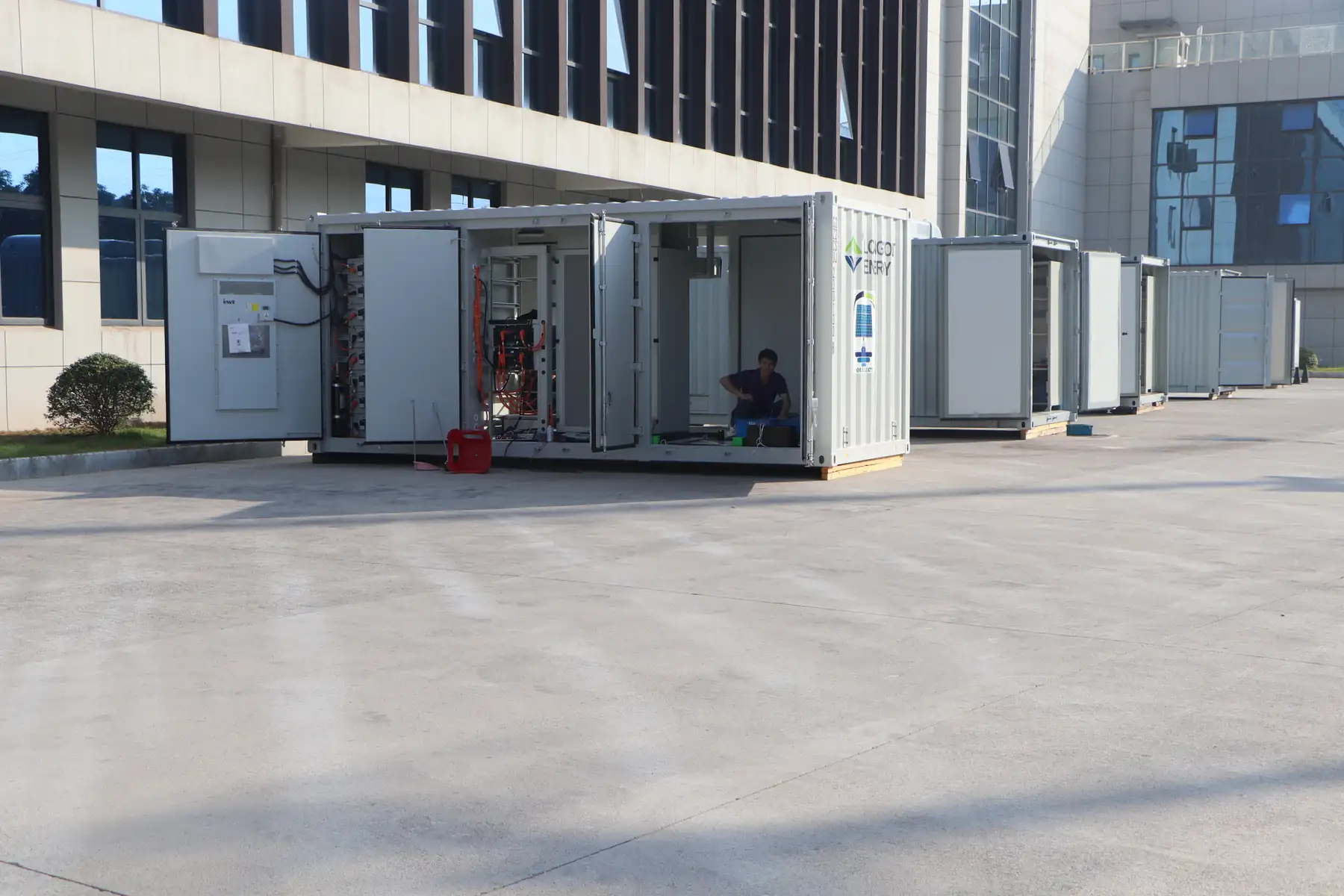
Our containerised builds start at 1.03 MWh and run to 2.5 MWh. Below that, the trailer-mounted units cover 250 kWh, 860 kWh and 1380 kWh with charging guns already integrated at 160 kW to 320 kW.
When the mobile unit is the right answer
A depot that moves, a construction site, an event or a seasonal peak does not justify a permanent connection.
A trailer-mounted container with four 160 kW guns, dual-gun parallel charging and card, QR and app payment already built in solves that without any civil works at all.
Do not forget what the vehicles actually accept
Charger power is wasted if the pack cannot take it. Our light-truck pack accepts 350 A on a single gun and 300 A on a double gun, with continuous discharge of 300 A.
Match the charging infrastructure to the pack specification, not to the highest number in the charger brochure.
Plan the second phase before you build the first
Fleets grow. A depot sized exactly for today's vehicle count needs rebuilding at the first expansion.
Leave cable route, slab space and container positions for the next phase while the ground is already open.
Products Industries And Projects Referenced Here
Everything this guide points at, with the specifications behind it.
 Product
Large Mobile Truck Containerized Energy Storage
250 kWh to 1380 kWh trailer-mounted storage with integrated DC fast charging guns.
View details →ProductLithium Battery Power System for EV
Traction battery packs of 90-161 kWh for light trucks, small vans and commercial vehicles.
View details →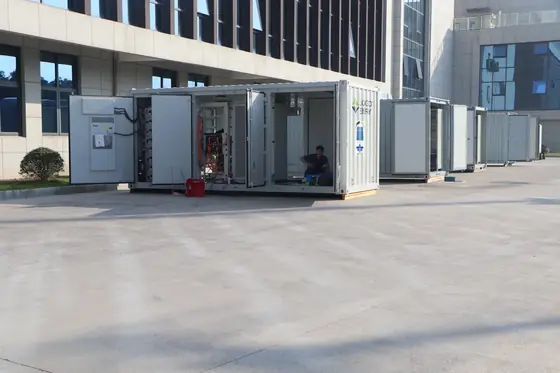 Industry
Grid Scale And Industrial Storage
Containerised storage from 250 kWh to 2.5 MWh for parks, malls, charging and grid support.
View details →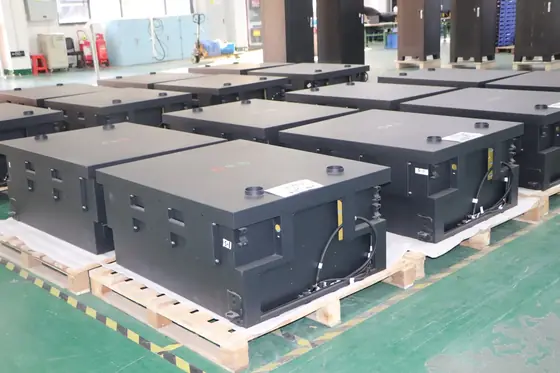 Industry
Commercial Vehicle Power
Traction packs from 90 kWh to 285 kWh for vans, light trucks, heavy trucks and buses.
View details →ProjectExpanding Photovoltaic Energy Storage Capacity For Clean Power
Containerised photovoltaic storage supplied into large-scale industrial energy projects.
Read the project →Questions On This Topic
Can storage avoid a grid connection upgrade?
Often yes. Storage charges within the existing connection across the day and discharges into the chargers during the depot window, so the grid never sees the peak.
What charging power do your mobile units deliver?
Up to 320 kW across four guns at 160 kW each on the 1380 kWh build, with dual-gun parallel charging supported.
How fast can our vehicles charge?
Our light-truck pack accepts a continuous charge current of 350 A on a single gun and 300 A on a double gun.
Apply This To Your Own Project
Send the numbers from your site or fleet and we will run the same method against them.