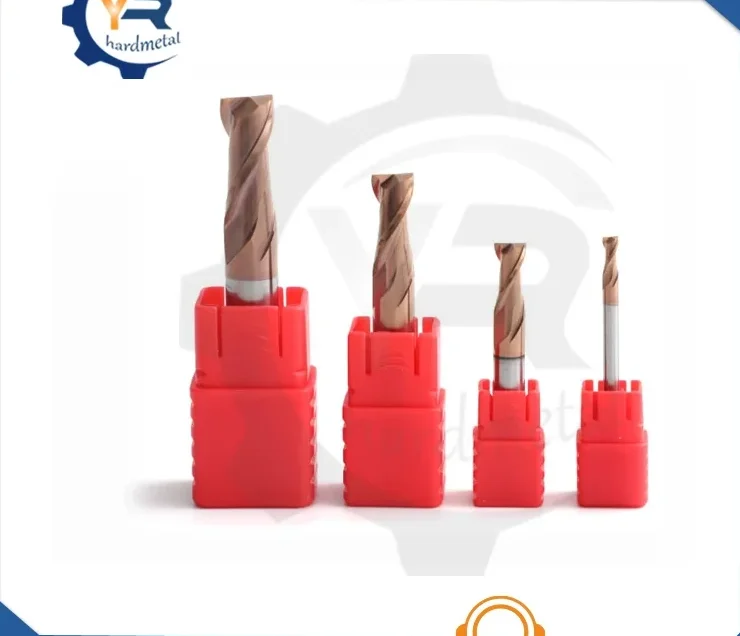
Solid Carbide End Mills
Solid carbide end mills produced from raw carbide rods, designed for high-speed milling with high precision, good symmetry, dynamic balance, and sharp cutting edges.
Solid Carbide End Mills Catalogue
Solid Carbide Hrc 55 2f End Mill
This is a solid tungsten carbide end mill with a hardness of HRC 55, designed for high-speed…
View Details →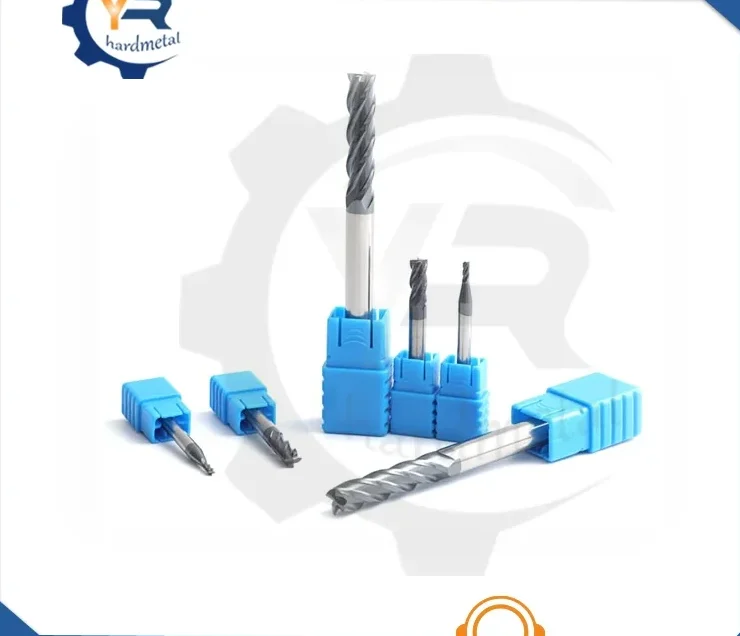
Solid Carbide Hrc 45 4f Endmill
This is a solid tungsten carbide endmill with HRC 45 hardness, designed for high-speed milling…
View Details →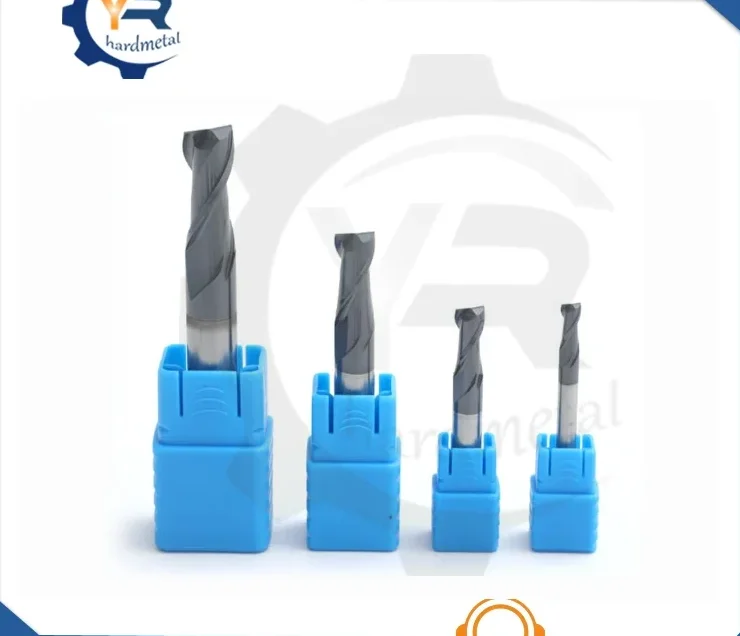
Solid Carbide Hrc 45 2f End Mill
This is a solid tungsten carbide end mill with a hardness of HRC 45, designed for high-speed…
View Details →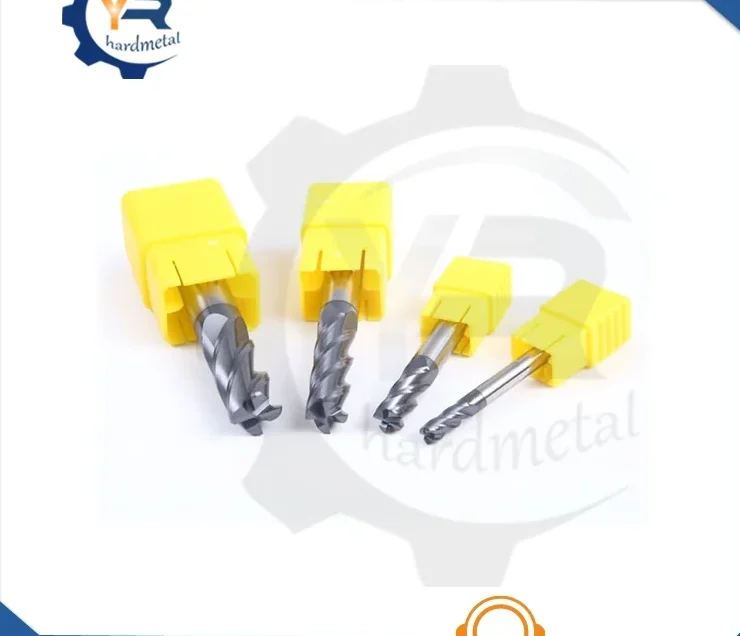
Hrc 60 Round Nose End Mill Bit
This is a solid carbide round nose end mill with a hardness of HRC 60, designed for high-speed…
View Details →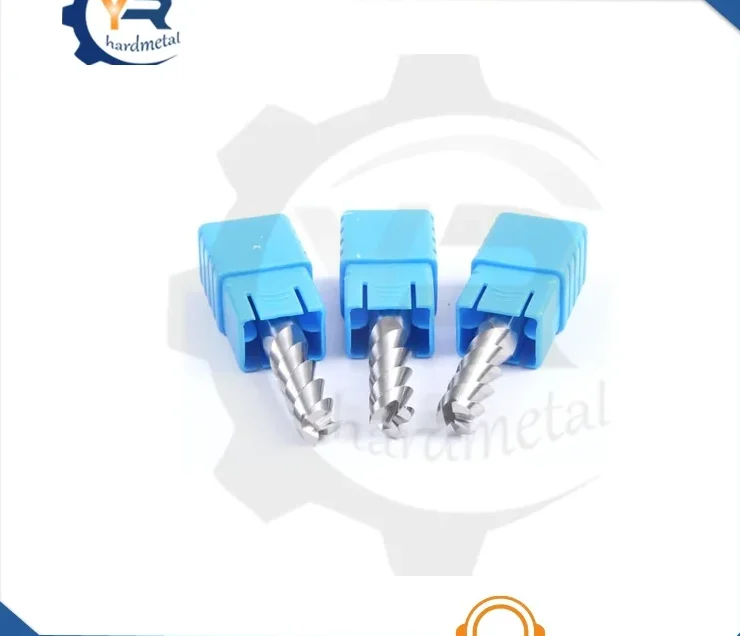
Aluminum HRC45 3f End Mill
This is a solid carbide end mill designed for high-speed milling of aluminum and other…
View Details →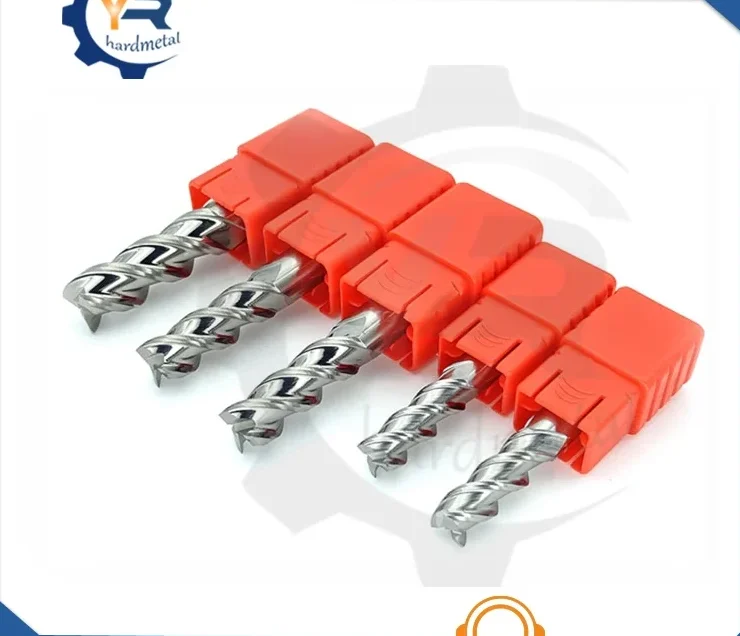
Aluminum HRC55 3f End Mill
This is a solid carbide end mill designed for high-speed milling of aluminum and other…
View Details →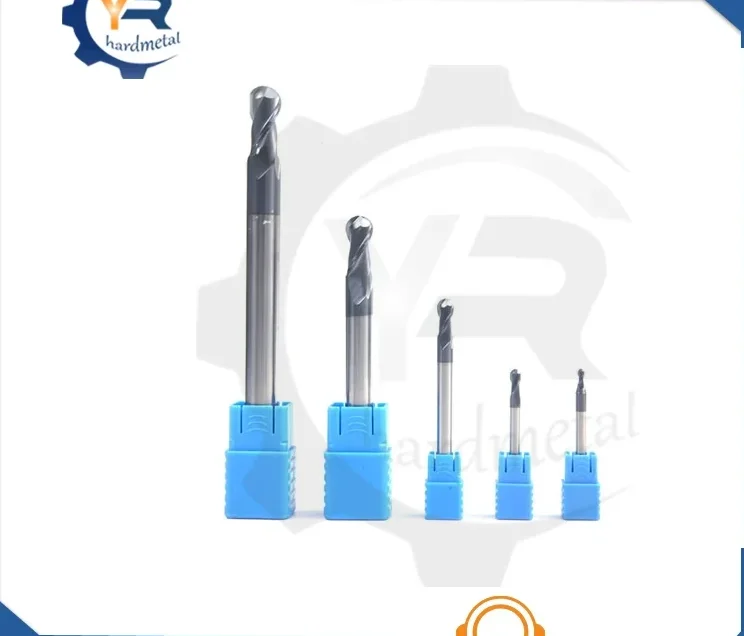
HRC45 2F Ball End Mill
This is a solid carbide ball end mill with HRC45 hardness, designed for high-speed milling of…
View Details →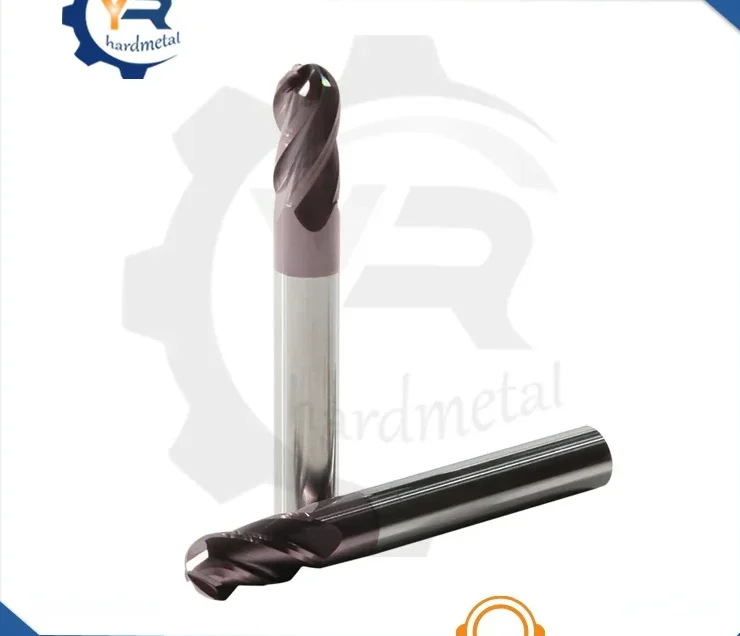
Solid Carbide End Mills for Metal Working/Ball Nose Endmill
This is a solid carbide end mill designed for high-speed milling of steel, cast iron,…
View Details →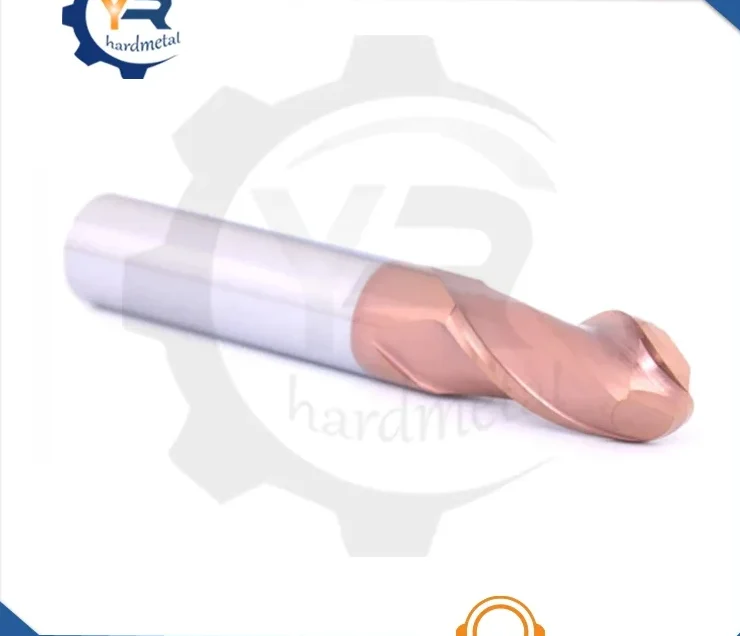
Carbide End Mill
This is a solid carbide end mill for high-speed milling of steel, cast iron, stainless steel,…
View Details →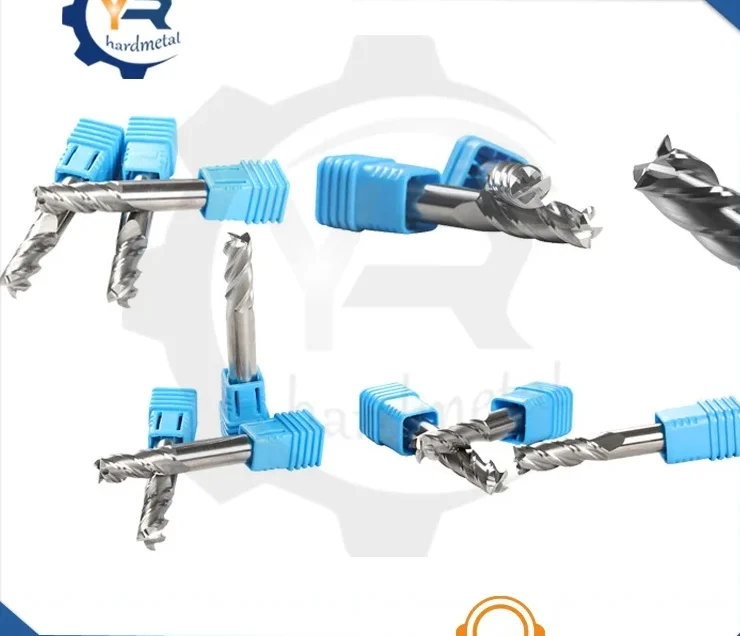
Tungsten Carbide Solid End Mill
This is a solid tungsten carbide end mill designed for high-speed milling of steel, cast iron,…
View Details →Problems This Family Solves
- Tool deflection and chatter occur when end mills lack rigidity and dynamic balance during high-speed milling
- Frequent tool changes increase downtime and reduce machine utilization
- Poor chip removal leads to built-up edge and poor surface finish on the workpiece
- Wear or edge chipping reduces cutting efficiency and increases tool failure rate
- Inconsistent geometry in end mills causes uneven wear and poor repeatability in production runs
Who Buys These Parts
- Machinery and tool manufacturers producing CNC machining tools
- Mould and die shops requiring precise cutting tools for complex profiles
- Woodworking equipment makers needing durable cutters for high-speed routing
- Metal cutting shops running high-speed milling operations with tight tolerances
- 3D printing hardware developers integrating custom end mills into their systems
Why These Parts Hold Up
- High precision and good symmetry ensure consistent performance across multiple tools
- Dynamic balance reduces vibration during high-speed operation, improving surface finish
- Sharp edge and high rigidity maintain cutting accuracy and extend tool life
- Smooth chip removal allows for large cutting amounts without clogging
- Made from carbide rods to customer drawing, enabling custom geometry and size
Typical Applications
- High-speed milling of aluminum, steel and titanium in CNC machining centers
- Precision profiling of moulds and dies with ball nose and corner radius end mills
- Long neck end mills reaching deep cavities in complex parts
- Solid square end mills for slotting and face milling operations
- Custom end mills made to drawing for non-standard cutting tasks in industrial machinery
Industries That Use Solid Carbide End Mills
Pressed Sintered and Ground In House
Weighing In of Ingredients
Tungsten carbide powder and cobalt binder weighed to the grade formula.
Milling
Powders wet milled so the binder is evenly distributed through the mix.
Spray Drying
The slurry is spray dried into free-flowing granules that press consistently.
Testing
Granulate checked before it is committed to a press run.
Forming
Blanks pressed on imported presses from the mould for that part.
Sintering
Sintered at around 1450 degrees C in an over-pressure furnace to close porosity.
Machining
Ground and finished to the dimensions on the drawing.
Quality Control
Physical properties, shape and tolerance checked, then inspection photographs sent before delivery.
Solid Carbide End Mills FAQ
Can you make end mills to my own drawing?
Yes. OEM and ODM services are available. Send your drawing and specifications for a quote.
How long is the lead time?
Stock items ship 3-5 days after payment is received. Customised items are quoted with a stated lead time.
Which grade should I use for a high-speed steel milling application?
Send the material, cutting speed, feed rate and desired surface finish. Grades such as YG6, YG8 or YG10 are commonly used for metal cutting.
Can I test a sample before ordering in bulk?
Yes. Samples are available for pre-testing. Provide the drawing and service conditions for a sample quote.
How are parts checked before shipping?
Every order is tested before bulk production. Physical properties, shape and tolerance are checked, and inspection photographs are sent for confirmation before delivery.
Are you a manufacturer or a trading company?
A manufacturer in Zhuzhou, Hunan Province, China, producing tungsten carbide parts for over 15 years.
Related Product Families
Tungsten Carbide Bushes and Sleeves
Pressed and sintered carbide bushes, shaft sleeves, valve cores and valve seats made to your…
Tungsten Carbide Rods
Pressed and sintered tungsten carbide rods made to your drawing or standard size for use in drill…
Tungsten Carbide Nozzles
Pressed and sintered tungsten carbide nozzles made to drawing for high-wear, high-temperature, and…
Ball Mill Grinding Media and Jars
Pressed and sintered tungsten carbide grinding media and jars for ball mills, made to YG8 grade…
Quote Solid Carbide End Mills
Send the drawing or the dimensions with the service conditions and you will get a grade recommendation alongside the price.