Tungsten Carbide Parts for Mould and Die Making
Moulds and dies operate under high pressure and repetitive motion. Wear on sealing rings leads to leakage, reduced part quality, and unplanned downtime. This page covers the cemented carbide sealing rings made here for mould and die applications and how they are specified.
What Goes Wrong Today
- Sealing rings in moulds wear out quickly under high pressure and repeated cycling
- Leakage from worn rings causes product defects and contamination
- Rings deform or crack under high load, requiring early replacement
- Non-uniform ring dimensions across batches cause fit issues in assembly
- Standard steel rings fail in abrasive or corrosive environments common in die casting
What Buyers In This Sector Need
- Sealing rings that resist wear and deformation under high pressure and repeated use
- Rings made to an existing mould or die drawing for direct replacement
- Flat and step-type rings with precise dimensions and minimal tolerance
- Samples available for testing before bulk production
- Consistent dimensions and material properties across reorders
Products Used In Mould and Die Making
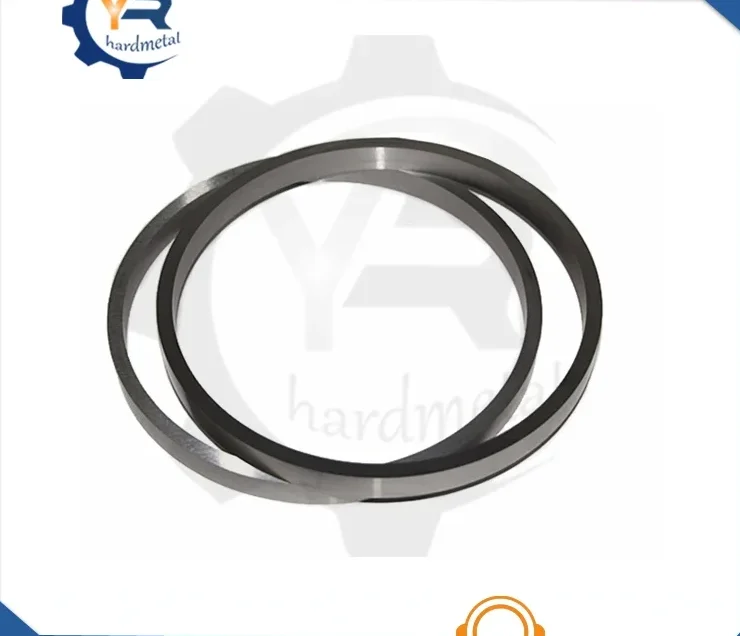
Tungsten Carbide Ring
This is a tungsten carbide seal ring used in mechanical seals for pumps, valves, and rotating…
View Details →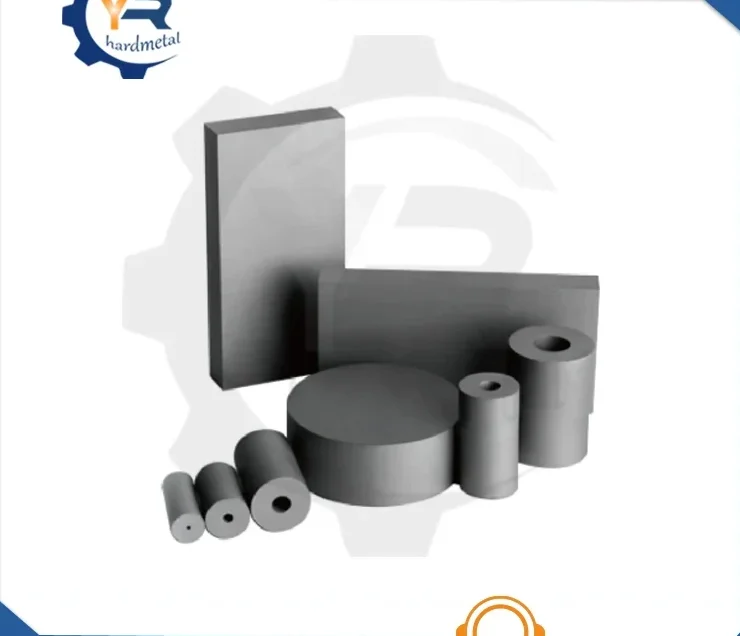
Tungsten Carbide Die
This is a tungsten carbide die for cold heading and cold punching operations. It is pressed on…
View Details →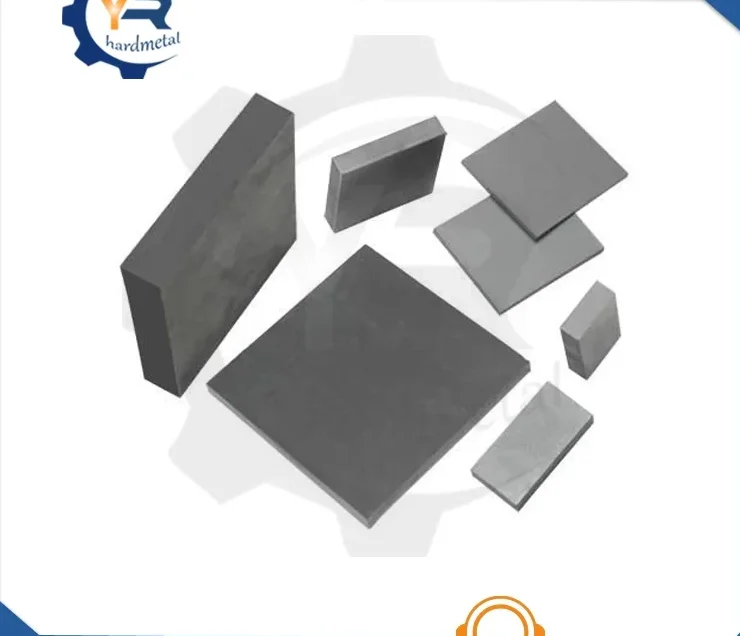
Tungsten Carbide Plate
This is a tungsten carbide plate used in moulds and cutting applications. It is pressed and…
View Details →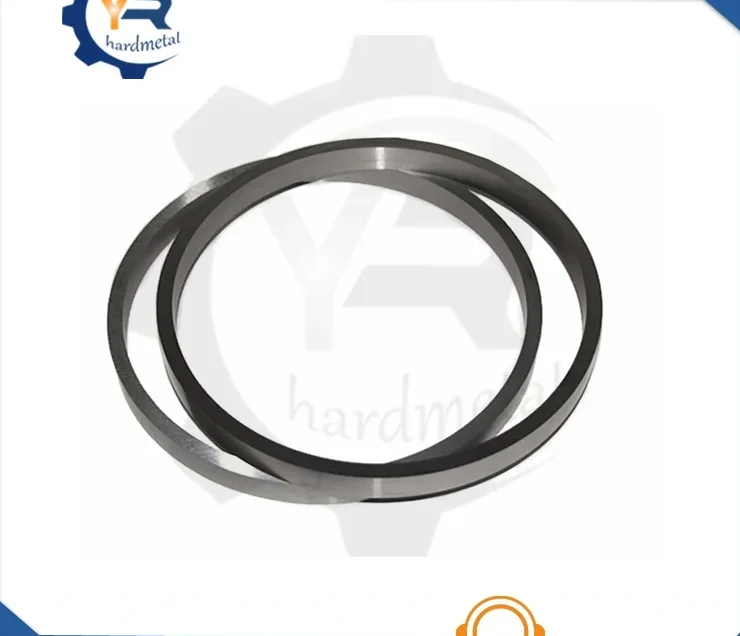
Tungsten Carbide Ring/Tungsten Seal Ring
This is a tungsten carbide sealing ring made from cemented carbide, designed for use in…
View Details →Product Families For This Sector
Tungsten Carbide Rings
Pressed and sintered tungsten carbide rings for mechanical seals, available in flat (PH) and step type…
Tungsten Carbide Dies
Pressed and sintered tungsten carbide dies for cold heading and cold forming, made to customer…
Tungsten Carbide Plates
Pressed and sintered tungsten carbide plates in square, rectangular, and strip forms made to customer…
Typical Applications
- Sealing rings in injection moulding machines exposed to high pressure and thermal cycling
- Wear parts in die casting dies where metal flow causes abrasion
- Sealing rings in hydraulic presses with high load and repetitive motion
- Custom-shaped rings for special moulds with non-standard geometries
- Rings used in high-speed forming tools where dimensional stability is critical
Delivery and Lead Time
- Stock items ship 3-5 days after payment is received
- Customised items carry a stated delivery time in the quotation
- Existing moulds across standard sizes reduce lead time for repeat orders
- Physical properties, shape, and tolerance are checked before shipping
How An Enquiry Becomes A Delivered Part
Step 1
Send drawing or sample for the sealing ring shape and size
Step 2
Grade selected based on pressure, temperature, and wear environment
Step 3
Blank pressed from tungsten carbide powder, sintered, and ground to final dimensions
Step 4
Surface treated to reduce porosity and improve corrosion resistance
Step 5
Sample supplied for pre-testing if required
Step 6
Inspection photographs sent for confirmation before delivery
Ways To Work With Us
Custom Carbide Parts to Drawing
Most enquiries here start with a drawing and a part that is wearing out too fast. This route covers…
Carbide Grade Selection
Grade is the decision that sets how long the part lasts, and it is usually made with less information…
OEM and ODM Carbide Supply
Equipment builders and distributors who resell carbide parts need the part to arrive the same way…
Mould and Die Making FAQ
Can you make sealing rings from our mould drawing?
Yes. OEM and ODM to customer drawings is standard, including non-standard and specially shaped parts.
What sizes are available for tungsten carbide rings?
Standard sizes range from Ø12mm to 400mm. Custom sizes are made to drawing.
Do you offer samples before bulk production?
Yes. Samples are available for pre-testing before bulk production is released.
How is dimensional consistency maintained across reorders?
Repeat parts are made from the same mould and grade, with physical properties, shape, and tolerance verified against the drawing before each shipment.
What grades are used for sealing rings in moulds and dies?
Grades produced include YL10.2, YG6, YG6X, YG8, YG8X, YG10, YG12, YG15, YG15X, YN6, YN9. The grade is selected based on the application.
What lead time should we plan for custom rings?
Customised items carry a stated delivery time in the quotation. Stock items ship in 3-5 days after payment.
Carbide Parts For Mould and Die Making
Send a drawing or a photograph of the worn part with the operating conditions and we will recommend a grade with the quotation.