Zinc, nickel, dacromet, black oxide or stainless: a practical way to pick the finish before corrosion picks it for you.
See Spring Hooks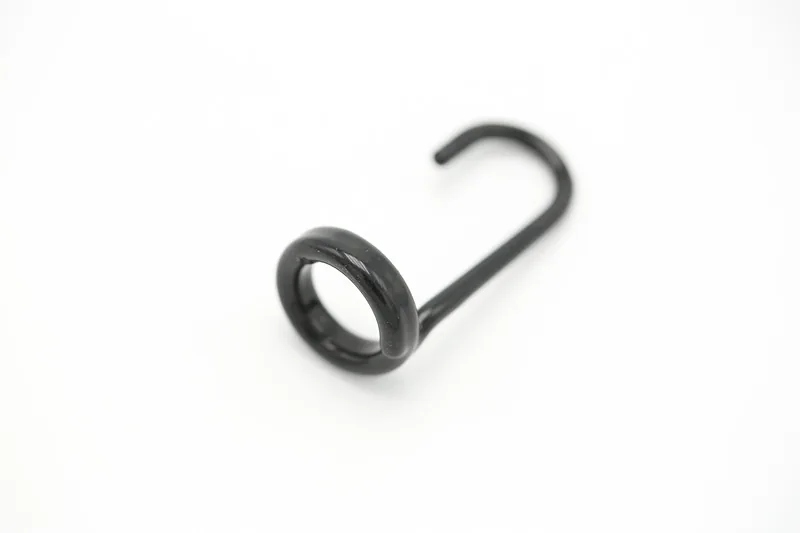
Spring steel is hardened and carries high surface stress, which makes it more vulnerable than the mild steel bracket next to it. A finish that is adequate for a stamped bracket may not be adequate for the spring it holds.
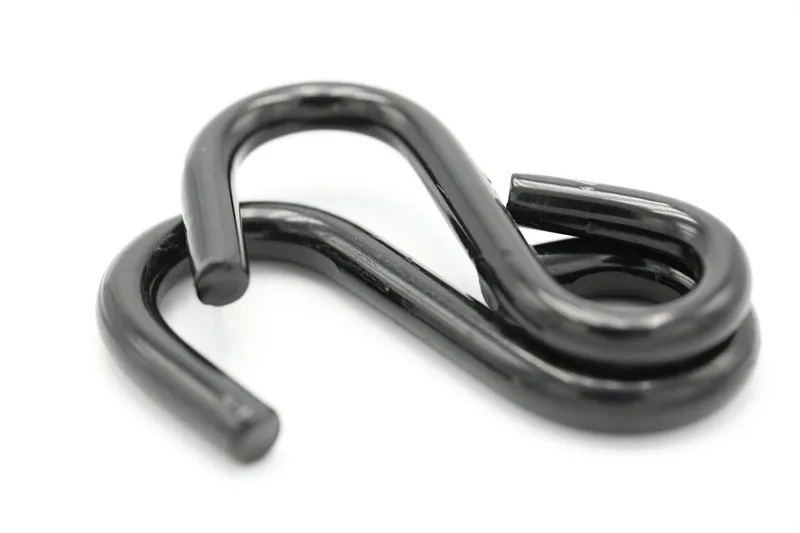
Zinc plating is the default. It is inexpensive, available in a range of colours and adequate wherever condensation is occasional rather than constant. Black oxide is the choice when the spring must not reflect light, though it offers little corrosion protection on its own.
Nickel and bright nickel are harder and hold their appearance under handling, which is why bucket handles, furniture fittings and visible hardware are usually nickel plated. Chrome is used where a brighter, harder decorative finish is wanted.
Galvanising handles rain and humidity. Dacromet is the stronger option for salt exposure and automotive underbody positions. Where the part is permanently wet or washed down, stainless wire removes the coating as a failure point entirely.
Tin, silver and gold are specified where the spring carries current. Here the finish is chosen for contact resistance first and corrosion second, and the mating surface matters as much as the spring.
Not always. Stainless costs more and some grades give a lower spring force for the same geometry. For dry indoor use a plated carbon steel spring is usually the more sensible engineering choice.
No. Finishing happens before assembly, which is why the finish has to be decided at the design stage rather than after a corrosion problem appears.
Send the part, the load and the environment. A short email usually settles a specification faster than any guide can.