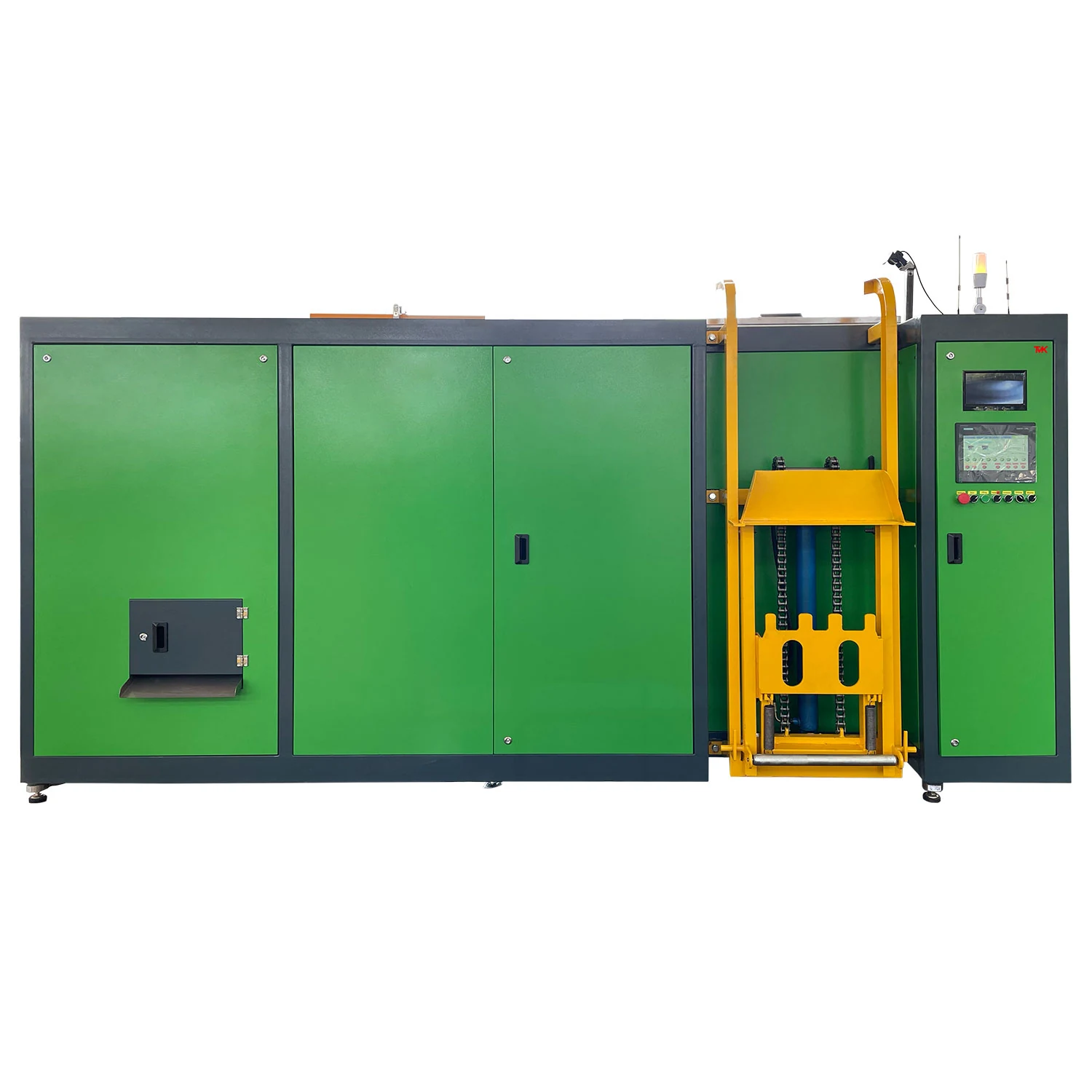
Food Waste Composting for Municipalities and Communities
Organics remain the largest single component of municipal solid waste. Handling them near where they are generated removes a transport leg, and transport is where a large part of the cost and the emissions sit.
What Goes Wrong Today
- Organics are the largest single fraction of municipal solid waste
- Collection vehicles move heavy wet waste over long distances
- Landfilled organics decompose anaerobically and generate methane
- Odour complaints follow any facility placed near residents
- Contamination from plastics, metals and glass degrades the end product
What the Machine Has to Do
- Distributed processing near the source rather than one distant facility
- Enclosed systems that keep odour inside
- Capacity that scales from a residential complex to a district
- A source separation programme that residents understand
Machines That Fit This Sector
Sized on the busiest day rather than the average. If your figure sits between two models, take the larger one.
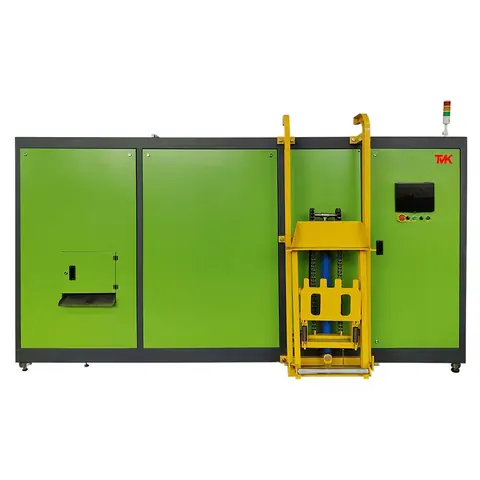
TMK-1000 Composter
1000 kg Per Day Industrial Composting Machine
View specifications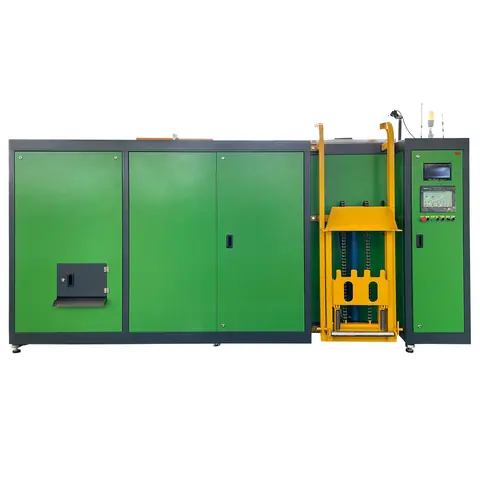
TMK-2000 Composter
2 Ton Per Day On-Site Food Waste Recycling System
View specifications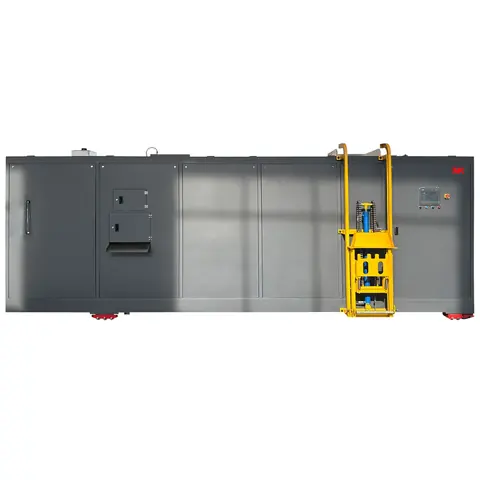
TMK-5000 Composter
5 Ton Per Day Industrial Organic Waste Composter
View specifications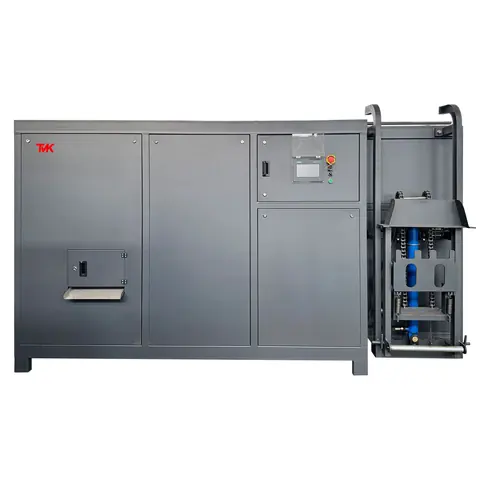
TMK-500 Composter
500 kg Per Day Organic Waste Composter With Built-In Bin Lifter
View specificationsHow It Is Actually Deployed
Large residential complex processing community food waste on site
Military base or institutional campus with its own waste yard
Event and festival organiser handling concentrated short-term volumes
District organics point serving several commercial buildings
From Separation to Offtake
Separate at source
Rigorous source separation is the single biggest lever on final compost quality. Contamination with plastics, metals and glass impedes the process.
Aggregate
Separated organics are brought to the machine location, cutting the long haul to a distant facility.
Process in vessel
An enclosed in-vessel machine provides a controlled environment that helps manage odour, unlike an open pile.
Return to soil
The by-product goes back to landscaping, parks or agriculture, closing the nutrient cycle locally.
What TMK Handles
In-house expertise for design, fabrication, supply, installation and commissioning
Machine capacity from 1 kg to 5 tons per day across 13 models
SS-304 composting chamber, shaft and blades on the TMK-1000
Stainless steel tank with a stated lifespan of over 20 years
PLC control with HMI touch screen, overload function and emergency stop
3 year factory warranty stated for the commercial range
Municipalities and Communities Questions
Why process locally instead of hauling to a central facility
On-site processing removes the transport leg, which carries both cost and CO2 emissions, and it cuts the weight that has to move by 85 to 90 percent.
How is odour handled near residents
Enclosed in-vessel composting keeps the process contained and provides a controlled environment for odour management, which open windrows cannot do.
What ruins a community composting programme
Contamination. Plastics, metals and glass in the feedstock impede the process and degrade the product, which is why source separation and public education come first.
What capacities are available at this scale
The TMK-1000, TMK-2000 and TMK-5000 cover 1000 kg, 2000 kg and 5000 kg per day, which is 365, 750 and 1800 tons per year respectively.
Guides for This Sector
What Is Commercial Composting and How Can Cities Manage Organic Waste
Organics remain the largest single component of municipal solid waste, and the sheer quantity is what makes diversion di...
Read articleThe Role of Technology in Scaling Composting Solutions for Large Cities
Scaling composting in a dense city is not a biology problem. It is a land, transport and odour problem, and those are th...
Read articleChallenges and Solutions in Large Scale Composting Operations
Large-scale composting is essential for managing organic waste sustainably, but three problems recur across almost every...
Read articleGet a Recommendation for Your Site
Send the daily weight of separated organics, the power supply available and where the machine would stand. We will name the model and what it needs installed.