Challenges and Solutions in Large Scale Composting Operations
Large-scale composting is essential for managing organic waste sustainably, but three problems recur across almost every operation: feedstock contamination, odour, and temperature control.
Feedstock Quality and Contamination
Maintaining feedstock quality is the primary challenge. Contamination with non-organic materials such as plastics, metals and glass impedes the composting process and degrades the quality of the final product. Two things fix it. Rigorous source separation programmes, supported by educating the public and businesses on proper waste segregation. And pre-processing equipment such as screens and shredders to remove contaminants before composting begins.
Odour Management
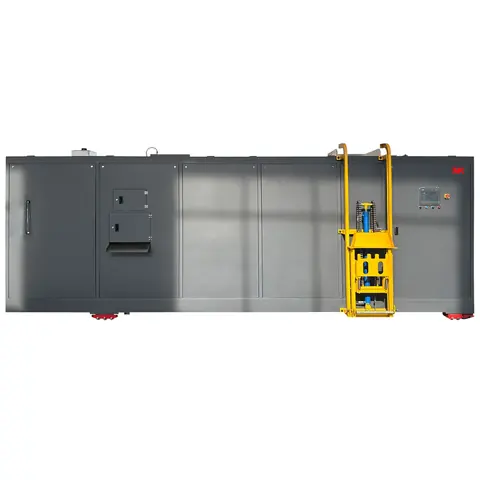
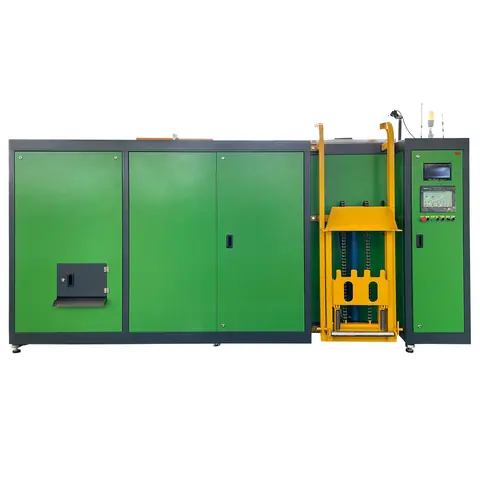
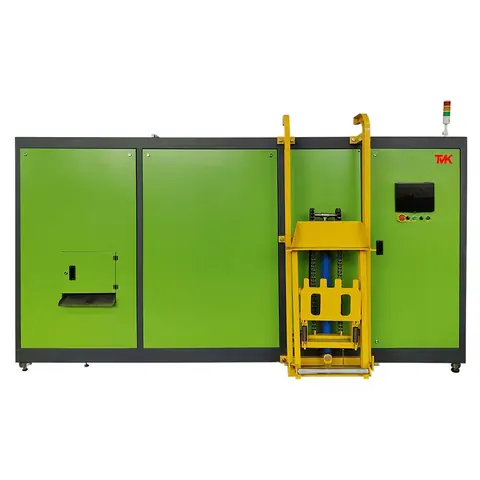
Odour is a significant issue, especially for operations near residential areas, where it leads to complaints and regulatory pressure. Proper aeration reduces the anaerobic conditions that cause odour. Biofilters and scrubbers treat odorous air before release. Enclosed systems, such as in-vessel composters, minimise emissions in the first place by providing a controlled environment.
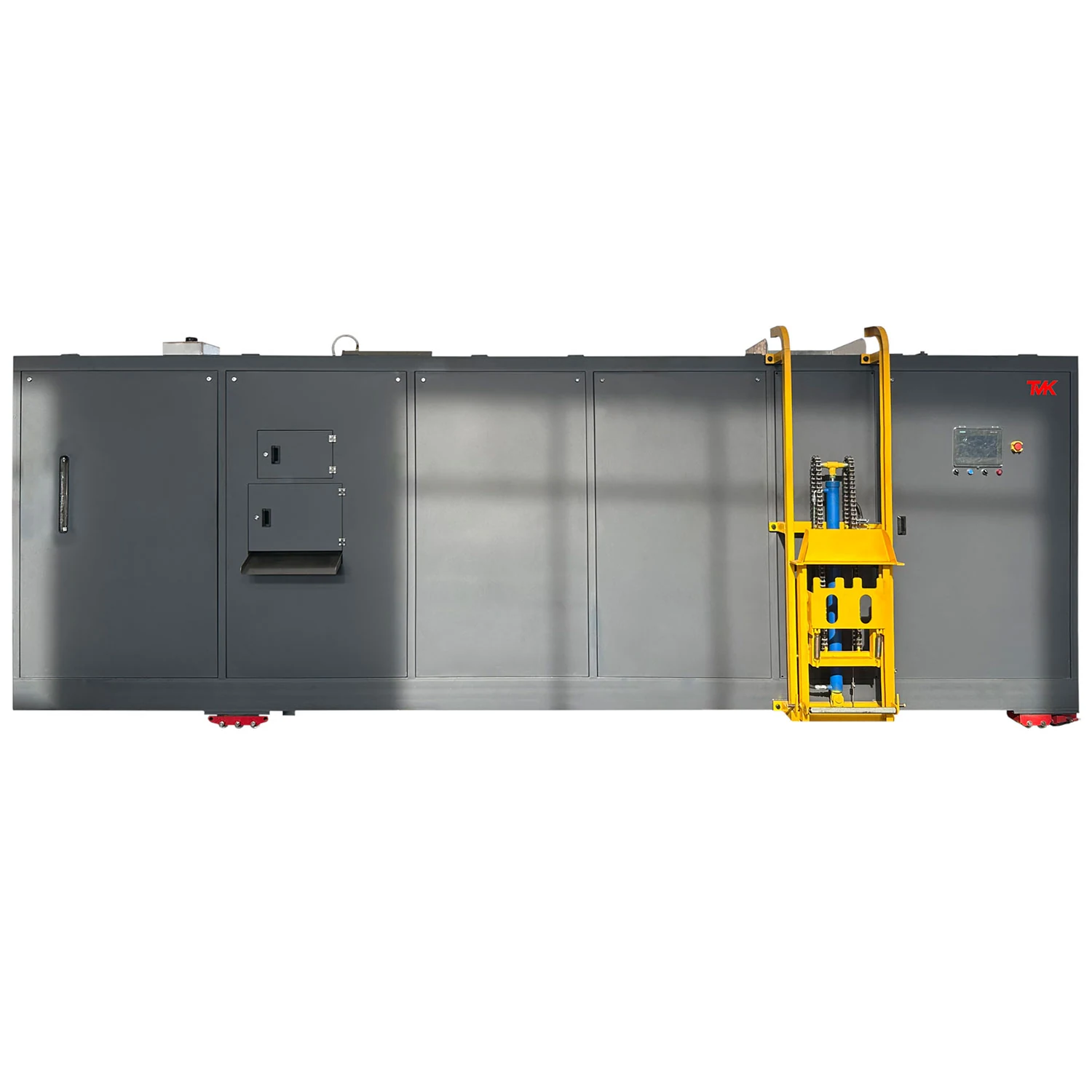
Related machine: TMK-5000 Composter — 5 Ton Per Day Industrial Organic Waste Composter at 5000 kg/day.
Temperature Control
Maintaining optimal temperature is critical. Too low or too high and the microbial activity that composting depends on slows down. A machine that heats and holds the chamber removes the variable, where an open pile leaves it to weather and turning schedule.
Why Enclosed Systems Answer All Three
The three problems share a root cause: an open process cannot be controlled. An enclosed machine contains the odour, holds the temperature and runs a mechanically mixed, aerated chamber. What it cannot fix is contamination, which is why source separation stays the first step in any programme.
Machines Mentioned in This Guide
Related Industries and Solutions
Questions From This Guide
What is the single biggest risk to compost quality
Contamination of the feedstock with plastics, metals and glass. No machine setting compensates for it.
How is odour controlled near residents
Aeration, biofilters and scrubbers, and enclosed in-vessel systems that provide a controlled environment.
Why does temperature matter so much
Microbial activity is temperature dependent. Too low or too high slows decomposition, and higher temperatures also drive pathogen elimination.
Have a Specific Site in Mind
Send your daily organic waste weight and your power supply. We will come back with the model, the footprint and the lead time.