What Is Commercial Composting and How Can Cities Manage Organic Waste
Organics remain the largest single component of municipal solid waste, and the sheer quantity is what makes diversion difficult for cities.
The Scale of the Organics Problem
Organics are the largest single component of municipal solid waste. Their rate of decomposition is fast compared with petroleum-based materials such as plastic, but the sheer amount poses a challenge for cities trying to divert food waste effectively. Whether the material is food waste, yard trimmings or biodegradable packaging, optimising the system around it matters.
How Commercial Composting Works
At its most basic level, commercial composting works the same way as a garden compost pile, because it is the same natural process of decomposition. A good compost pile needs green inputs such as nitrogen-rich food waste, brown inputs such as dry carbon-rich yard trimmings, oxygen and water. Together these encourage microorganisms that raise the temperature inside the pile and break the organic matter down.
What Commercial Scale Adds
Commercial methods can deal with problematic materials such as meat and bones, which a simple garden pile cannot. That means commercial composting has the potential to handle all kinds of organic waste. It also requires more organisation: pile management, logistical coordination when collecting material, and sensitivity to the local environment and nearby residents. The end product is usually higher quality than an average home pile because of that careful management.
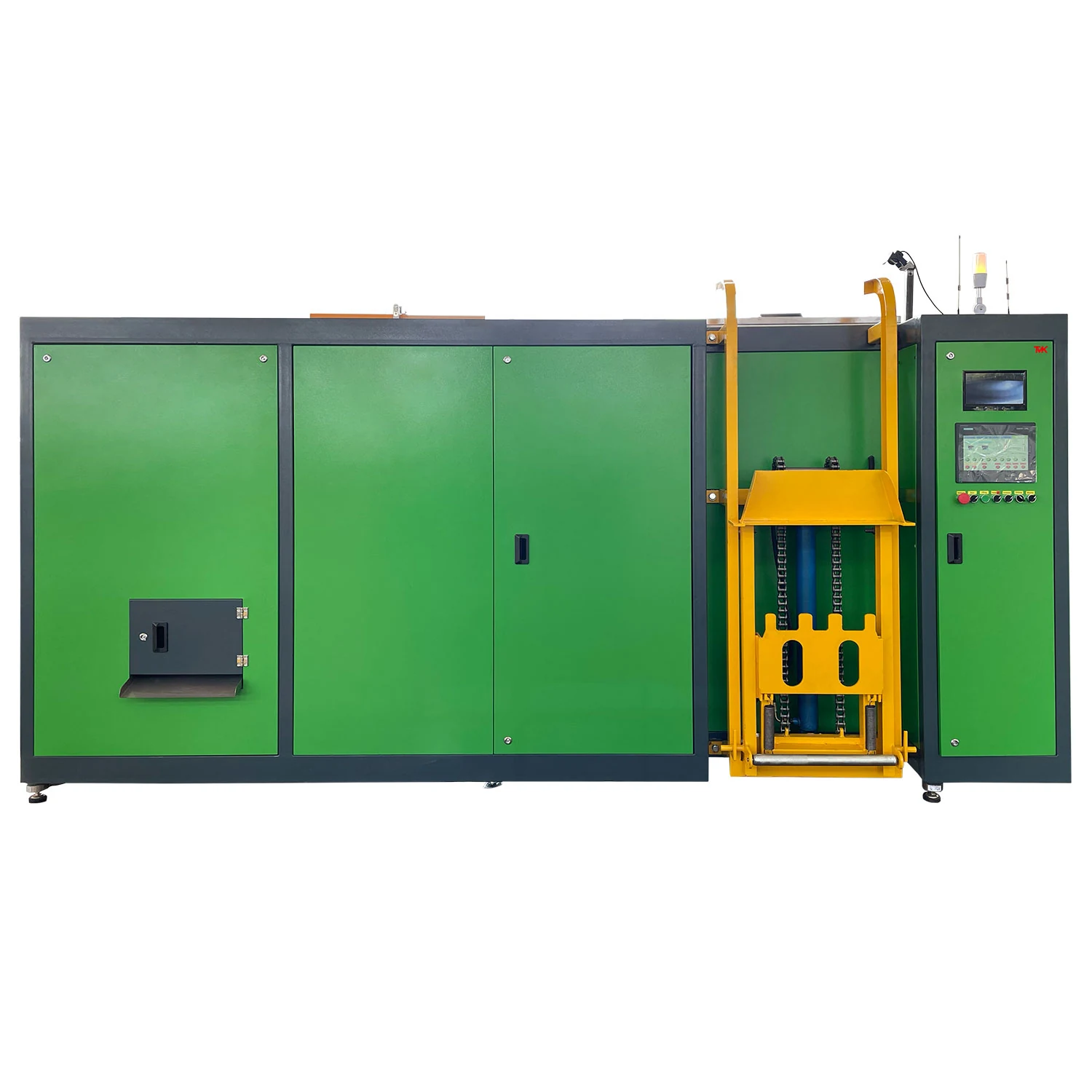
Related machine: TMK-2000 Composter — 2 Ton Per Day On-Site Food Waste Recycling System at 2000 kg/day.
Where In-Vessel Machines Change the Equation
The constraint on city composting is rarely the biology, it is the land, the transport and the odour. An enclosed in-vessel machine placed near the source removes the long haul, contains the odour and cuts the weight that has to move by 85 to 90 percent before anything leaves the site.
Composting and the Circular Economy
Composting is currently the most environmentally beneficial way to handle organic waste and is a cornerstone of a more circular economy. It keeps food waste out of landfill and enriches soil, closing the nutrient cycle rather than ending it.
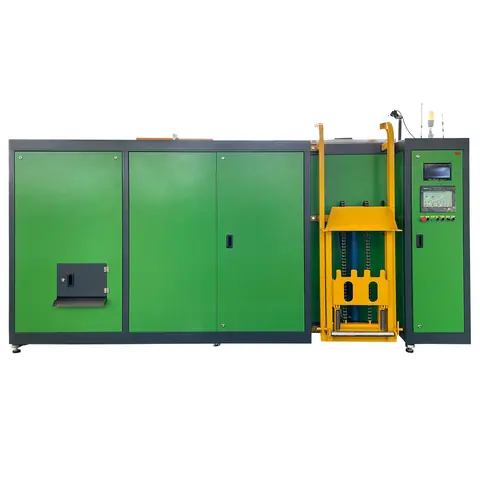
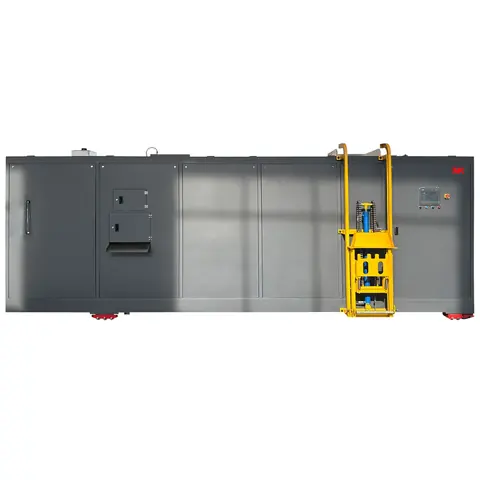
Machines Mentioned in This Guide
Related Industries and Solutions
Questions From This Guide
Can commercial composting handle meat and bones
Commercial methods can deal with problematic materials such as meat and bones, unlike a simple garden pile. Large animal bones still need to stay out of a TMK machine.
What makes municipal composting difficult
Volume, transport distance, odour near residents, and contamination of the feedstock with plastics, metals and glass.
What capacity suits a municipal application
The TMK-1000, TMK-2000 and TMK-5000 handle 365, 750 and 1800 tons per year respectively.
Have a Specific Site in Mind
Send your daily organic waste weight and your power supply. We will come back with the model, the footprint and the lead time.