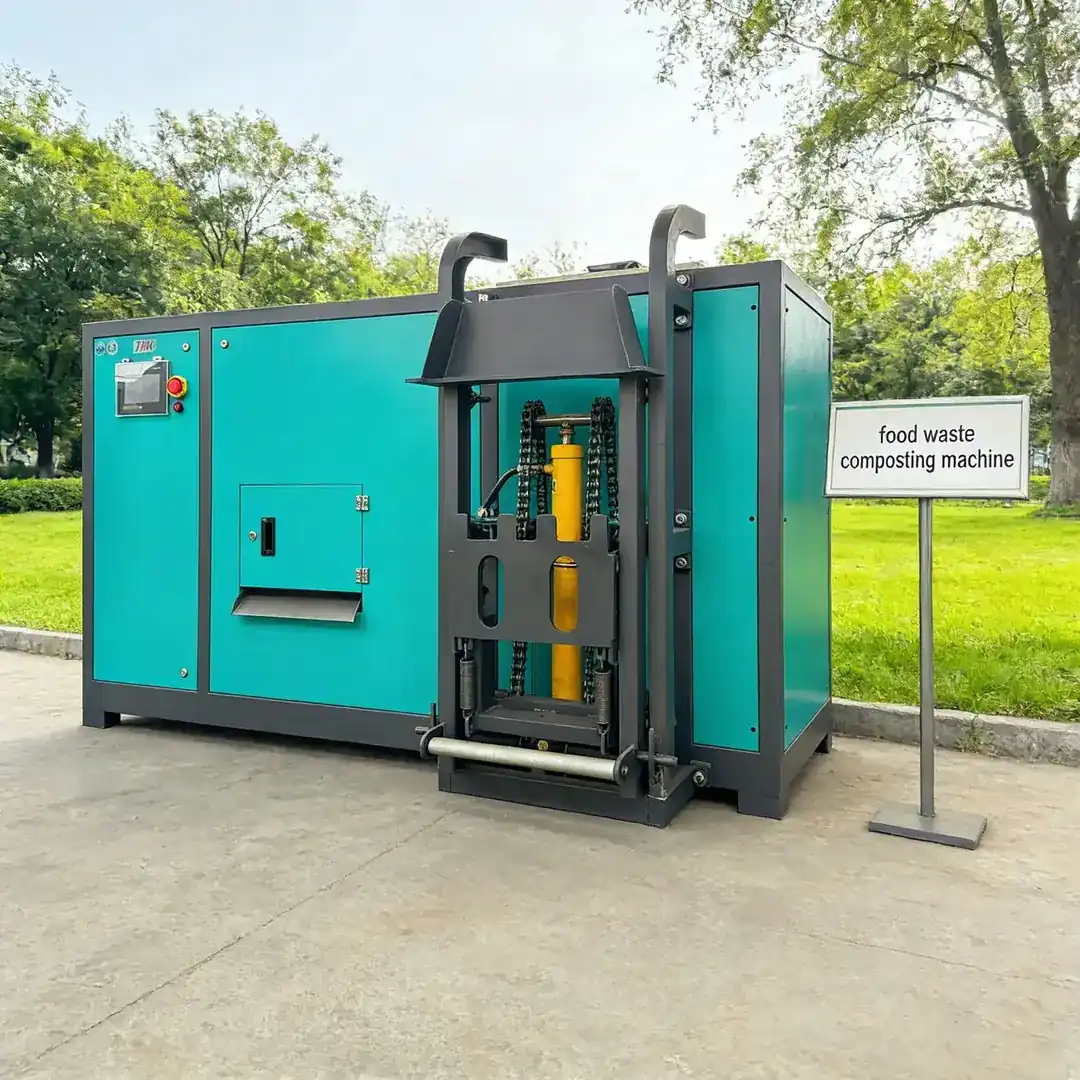
Food Waste Composting for Hospitals and Healthcare
Hospital catering runs every day of the year and food waste cannot sit around. The reason an enclosed aerobic machine fits here is hygiene: the process is described as producing no pathogens and being safe for human handling.
What Goes Wrong Today
- Catering runs 365 days a year with no quiet period for waste to wait
- Waste holding areas near clinical spaces are a hygiene concern
- Odour and pests are unacceptable anywhere near patient areas
- Waste contracts on large sites are a significant recurring cost
What the Machine Has to Do
- A fully enclosed process with controlled exhaust
- Output safe for human handling
- Reliable continuous operation without daily specialist attention
- Capacity that matches a large catering department
Machines That Fit This Sector
Sized on the busiest day rather than the average. If your figure sits between two models, take the larger one.
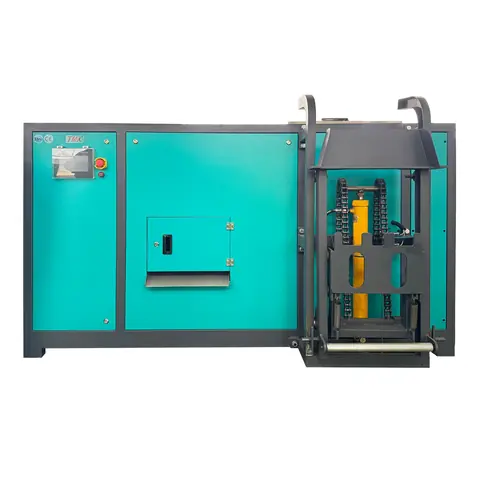
TMK-300 Composter
300 kg Per Day Waste Decomposer Machine for Commercial Sites
View specifications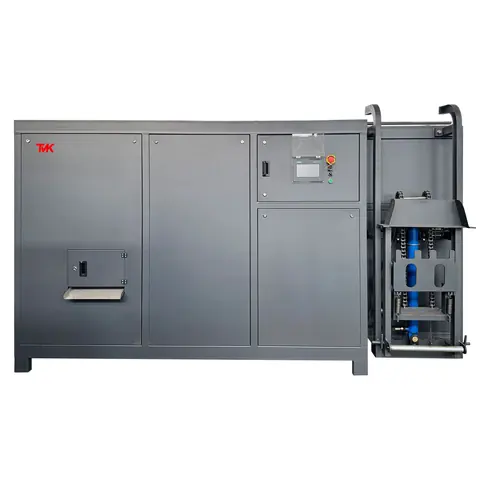
TMK-500 Composter
500 kg Per Day Organic Waste Composter With Built-In Bin Lifter
View specifications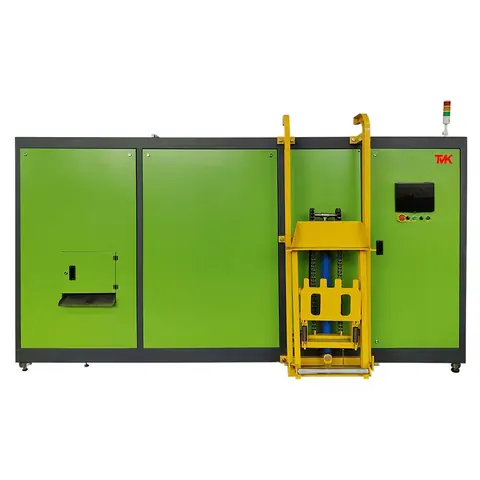
TMK-1000 Composter
1000 kg Per Day Industrial Composting Machine
View specificationsHow It Is Actually Deployed
Hospital central kitchen composting patient and staff catering waste
Medical outlet using the TMK-500, which is described as designed for larger requirements in medical outlets
Healthcare campus grouping several kitchens onto one machine
Residential care facility handling daily meal service waste
From Separation to Offtake
Segregate
Organic catering waste is separated from packaging and from any clinical waste stream at source.
Contain
Waste is loaded into the enclosed chamber rather than held in open bins.
Sanitise
The aerobic process runs hot enough for decomposition, and the output is described as containing no pathogens and safe for human handling.
Discharge
Dry by-product is removed at a fraction of the incoming weight and volume.
What TMK Handles
In-house expertise for design, fabrication, supply, installation and commissioning
Machine capacity from 1 kg to 5 tons per day across 13 models
SS-304 composting chamber, shaft and blades on the TMK-1000
Stainless steel tank with a stated lifespan of over 20 years
PLC control with HMI touch screen, overload function and emergency stop
3 year factory warranty stated for the commercial range
Hospitals and Healthcare Questions
Is the output safe to handle
The process is described as producing no pathogens and being safe for human handling. Local healthcare waste rules still apply and should be checked before the output is used or moved.
Which model suits a medical site
The TMK-500 is described as designed for larger requirements in medical outlets. Smaller or larger catering departments may fit the TMK-300 or TMK-1000 instead.
Is the exhaust treated
The machines carry a deodorization function, and the larger commercial models are equipped with a deodorization unit. The TMK-30 offers an optional deodorizer for the exhaust air.
Can clinical waste go in
No. Only separated organic food waste. Plastics, metals, ceramics, solvents and hazardous waste must stay out of the machine.
Guides for This Sector
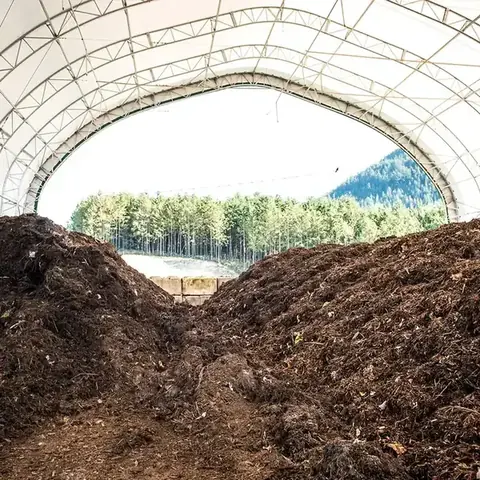
The Role of Microbes in Aerobic and Anaerobic Waste Solutions
Projections indicate global waste will reach 46 billion tons by 2050. Microbes are the mechanism behind both of the main...
Read article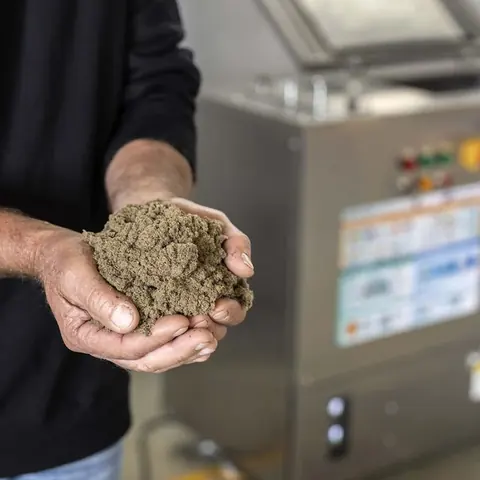
What Is a Composting Machine and How Does It Work
A composting machine speeds up aerobic decomposition of organic waste. Traditional methods take months. These machines h...
Read articleGet a Recommendation for Your Site
Send the daily weight of separated organics, the power supply available and where the machine would stand. We will name the model and what it needs installed.