The Role of Technology in Scaling Composting Solutions for Large Cities
Scaling composting in a dense city is not a biology problem. It is a land, transport and odour problem, and those are the three things technology can move.
Land Is the Binding Constraint
Open windrow composting needs area and time, both of which are scarce and expensive in a city. Enclosed in-vessel machines compress the same process into a footprint measured in square metres and a cycle measured in hours, which is what makes distributed processing possible at all.
Transport Is Where the Cost Hides
Collection vehicles moving wet organic waste are moving mostly water, because food waste is 70 to 80 percent water. Processing near the source cuts 85 to 90 percent of the weight before it ever gets on a truck, and it removes a transport leg that carries both fuel cost and CO2 emissions.
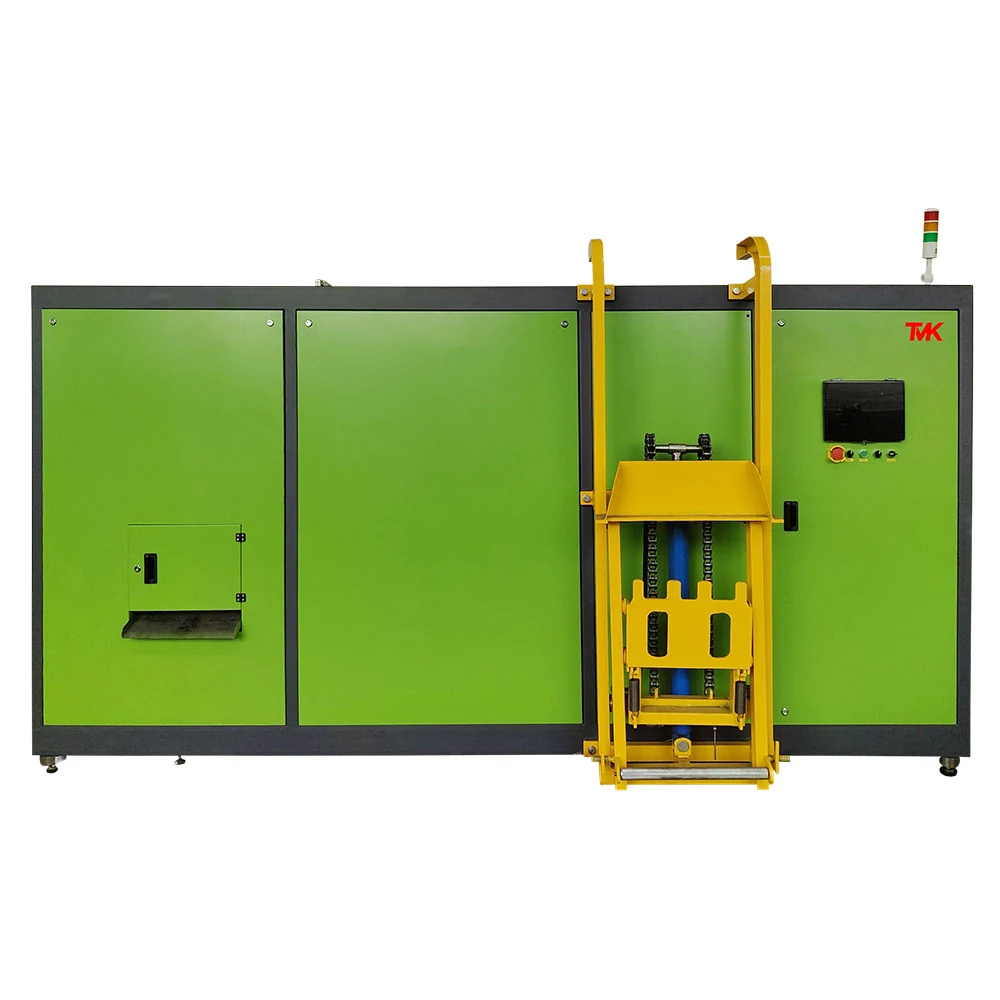
Related machine: TMK-2000 Composter — 2 Ton Per Day On-Site Food Waste Recycling System at 2000 kg/day.
Odour Decides Where You Can Put It
Any facility near residents faces odour complaints and regulatory pressure. Enclosed systems provide a controlled environment that helps manage odour, and exhaust treatment through biofilters, scrubbers or an activated carbon filter deals with what remains. That is what allows a processing point to sit close to where waste is generated instead of far outside the city.
Monitoring Makes It Manageable
PLC control with an HMI touch screen and WiFi means a distributed network of machines can be read rather than inspected. Temperature, cycle state and fault conditions are visible at the panel, which is the difference between managing ten sites and visiting them.
Separation Still Comes First
None of this works on a contaminated stream. Rigorous source separation programmes and public education on segregation remain the first investment, because plastics, metals and glass in the feedstock impede the process and degrade the product regardless of how good the machine is.
Machines Mentioned in This Guide
Related Industries and Solutions
Questions From This Guide
Why not build one large central facility
A central facility keeps the long haul, which is where a large share of the cost and the emissions sit, and it concentrates odour in one location.
What capacity suits a district processing point
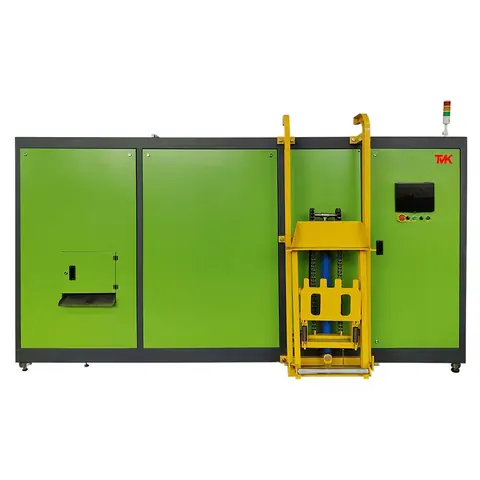
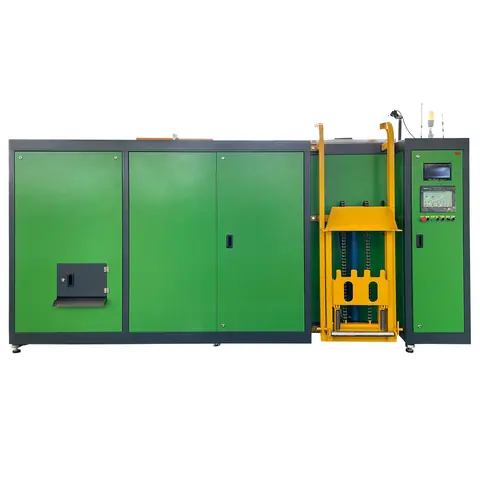
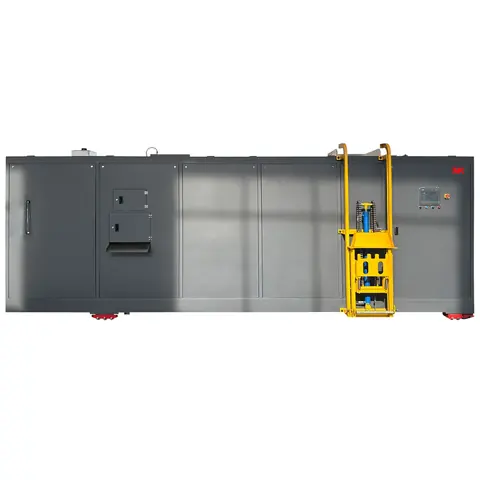
The TMK-1000 at 365 tons per year, the TMK-2000 at 750 tons per year, or the TMK-5000 at 1800 tons per year, depending on the catchment.
How are distributed machines monitored
WiFi, touch screen and PLC control are fitted from the TMK-100 upward, so cycle state is readable at the panel.
Have a Specific Site in Mind
Send your daily organic waste weight and your power supply. We will come back with the model, the footprint and the lead time.