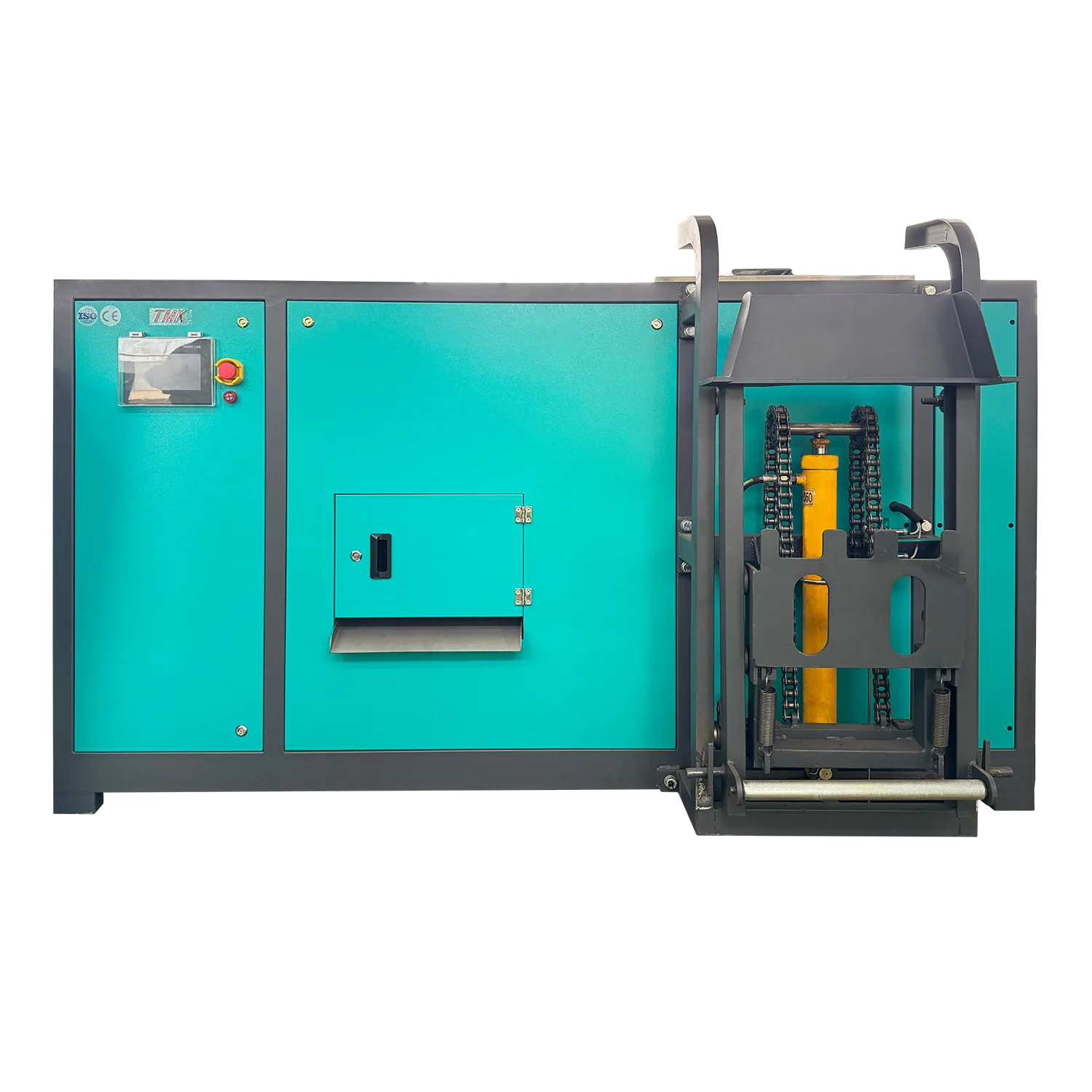
Food Waste Composting for Supermarkets and Food Retail
Retail organic waste is different from restaurant waste. It is not plate scrapings, it is trim from the produce department and stock that came off the shelf, which means it is clean, predictable and easy to separate.
What Goes Wrong Today
- Fresh produce trim and date-expired stock arrive every single day
- Wet waste in a back of house area draws pests near food storage
- Store waste rooms are small and already crowded
- Group sustainability targets need store level numbers
What the Machine Has to Do
- A machine compact enough for a busy loading dock
- High capacity relative to footprint
- Continuous feed across trading hours
- Consistent output the group can account for
Machines That Fit This Sector
Sized on the busiest day rather than the average. If your figure sits between two models, take the larger one.
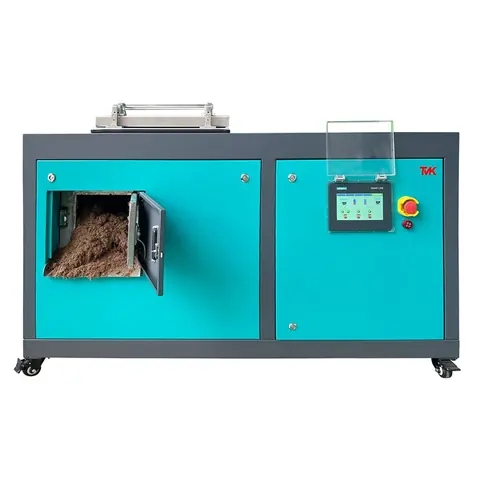
TMK-100 Composter
100 kg Per Day Electric Food Waste Composter
View specifications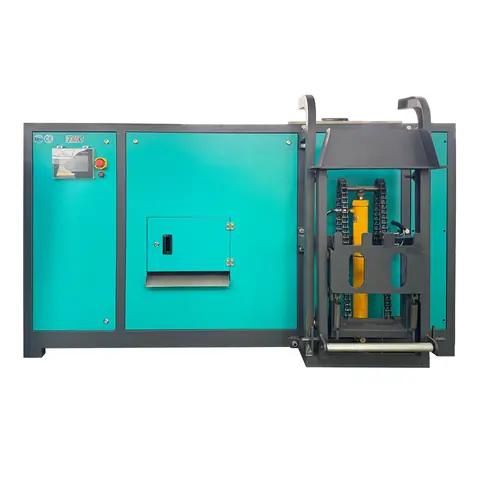
TMK-200 Composter
200 kg Per Day Kitchen Waste Composter for Commercial Kitchens
View specifications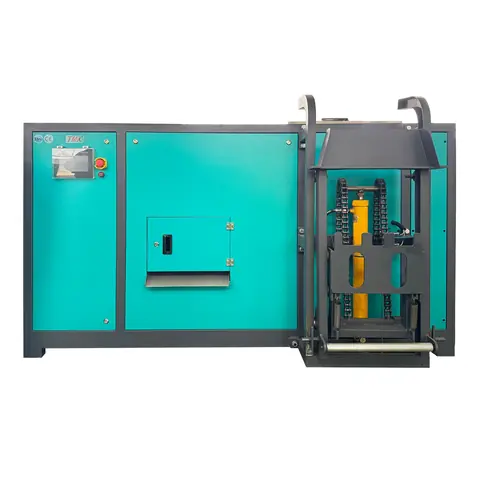
TMK-300 Composter
300 kg Per Day Waste Decomposer Machine for Commercial Sites
View specifications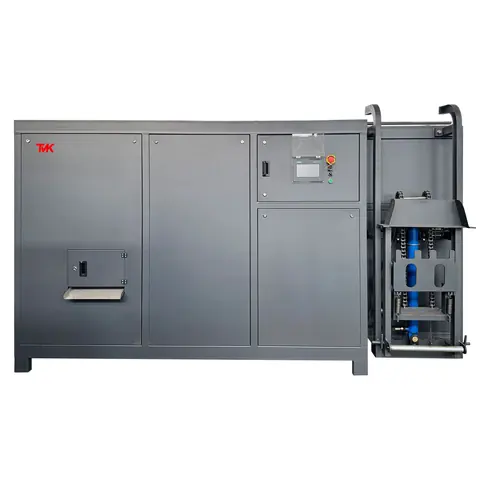
TMK-500 Composter
500 kg Per Day Organic Waste Composter With Built-In Bin Lifter
View specificationsHow It Is Actually Deployed
Supermarket composting produce department trim through a TMK-200
Shopping centre collecting from food court tenants into a TMK-300 or TMK-500
Fresh food distribution depot handling rejected loads
Convenience chain running one machine per cluster of stores
From Separation to Offtake
Collect
Produce trim and unsold fresh stock go into a dedicated organics bin at the department.
Feed
Bins are tipped into the machine through the day, with a bin lifter on the larger models.
Process
One 24 hour cycle takes the load down by 85 to 90 percent.
Report
Input weight and residual weight give the store a diversion figure it can report.
What TMK Handles
In-house expertise for design, fabrication, supply, installation and commissioning
Machine capacity from 1 kg to 5 tons per day across 13 models
SS-304 composting chamber, shaft and blades on the TMK-1000
Stainless steel tank with a stated lifespan of over 20 years
PLC control with HMI touch screen, overload function and emergency stop
3 year factory warranty stated for the commercial range
Supermarkets and Food Retail Questions
Does packaging have to be removed
Yes. Source separation matters. Plastic, metal, glass and ceramics contaminate the feedstock and degrade the final product.
How much floor space is needed
It depends on the model. The TMK-200 measures 2180 x 1650 x 1303 mm and the TMK-100 measures 1530 x 810 x 1140 mm. Exact dimensions are on every product page.
Is capacity good relative to machine size
High capacity relative to the size of the machine is one of the stated advantages of the range, which is what makes it workable in a crowded back of house.
What happens to the output
It is a concentrated organic soil amendment. Stated uses include fertilizer for agriculture and landscaping, and the compost can be sold or given to local growers.
Guides for This Sector
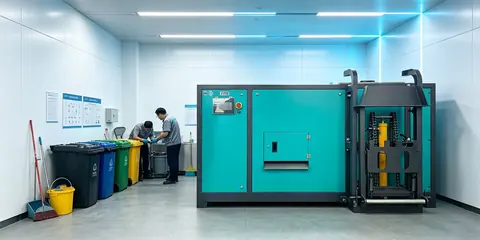
The Processing Stages Inside an Organic Waste Composting Machine
A composting machine does more than compost. The stages before and around the biology are what make the output consisten...
Read article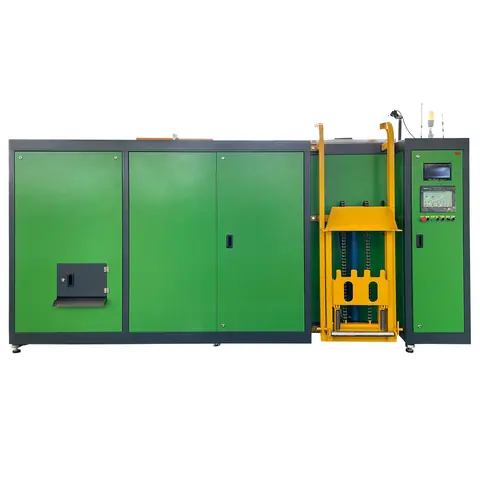
What Is Commercial Composting and How Can Cities Manage Organic Waste
Organics remain the largest single component of municipal solid waste, and the sheer quantity is what makes diversion di...
Read articleGet a Recommendation for Your Site
Send the daily weight of separated organics, the power supply available and where the machine would stand. We will name the model and what it needs installed.