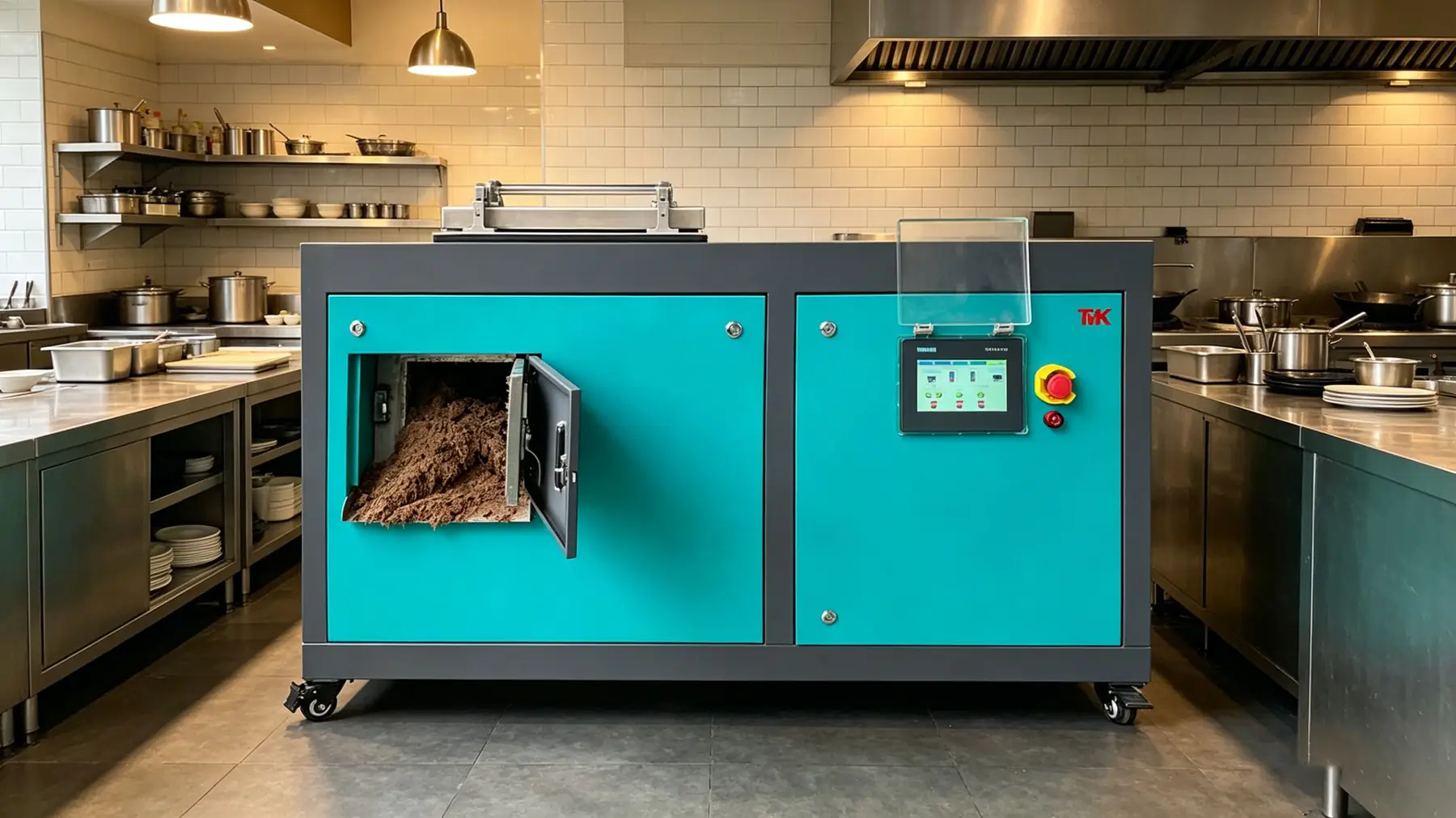
Turn Food Waste Into Compost On Site in 24 Hours
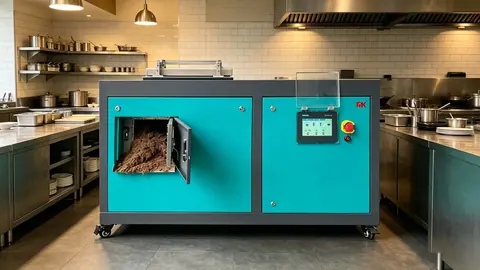
TMK builds aerobic composting machines from 1 kg to 5 tons per day. Volume drops 85 to 90 percent where the waste is produced, so nothing waits in a bin for the hauler.
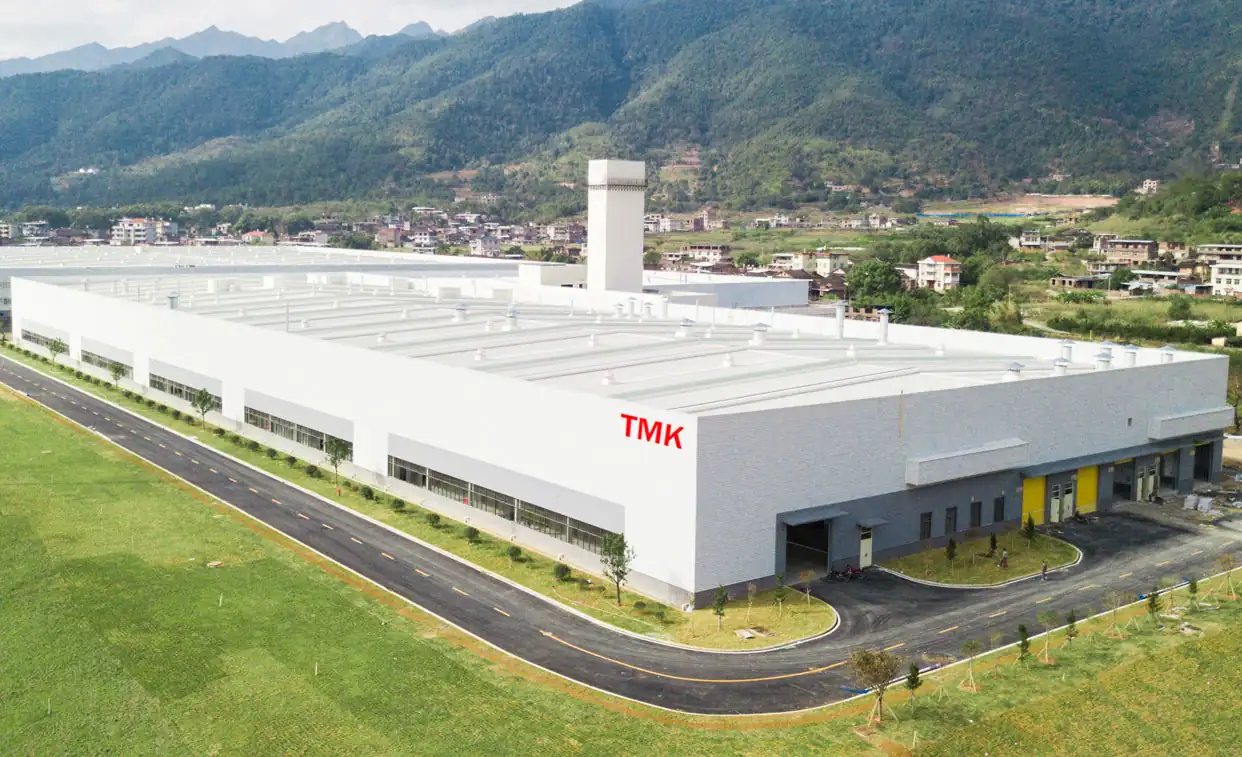
One Factory Covers Design Fabrication Supply and Commissioning
TMK keeps design, fabrication, supply, installation and commissioning of food waste composting machines in house, which is why a 1 kg countertop unit and a 5 ton industrial line share the same control logic.
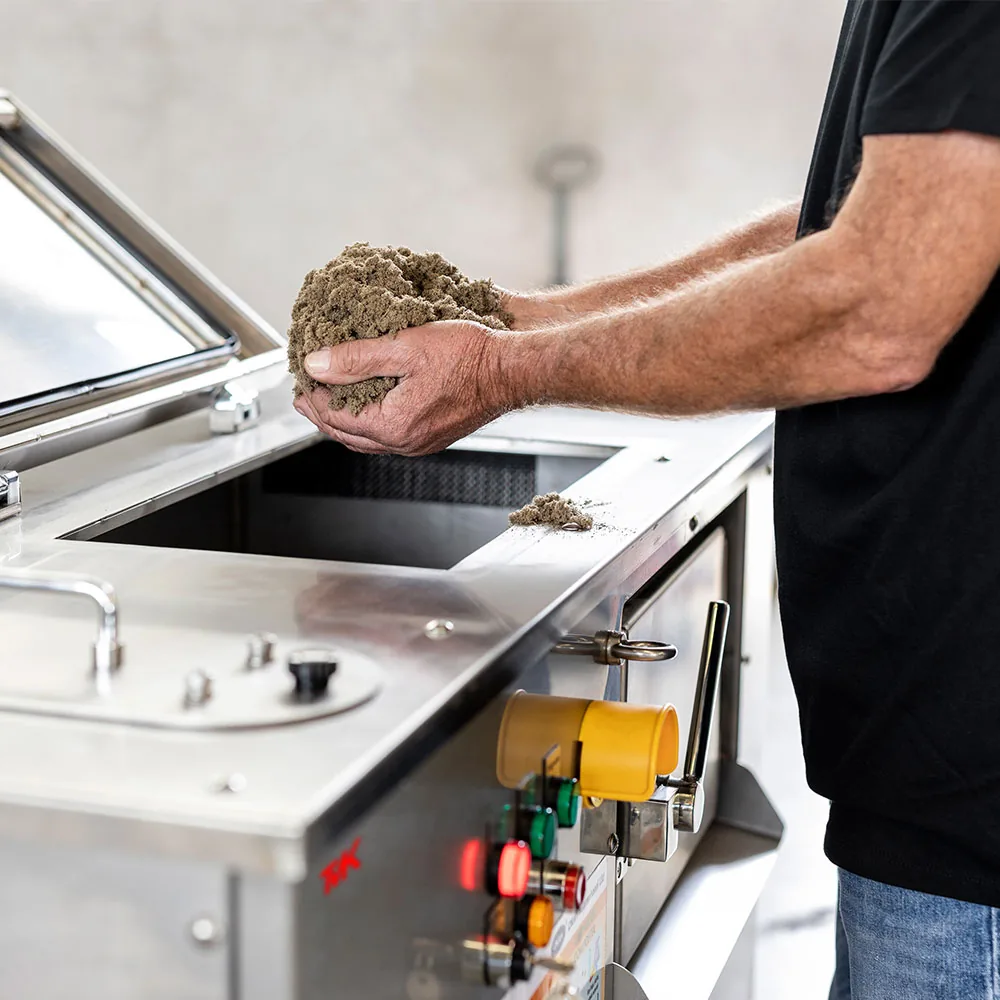
Real Compost Out of the Machine Not Dried Food Scraps
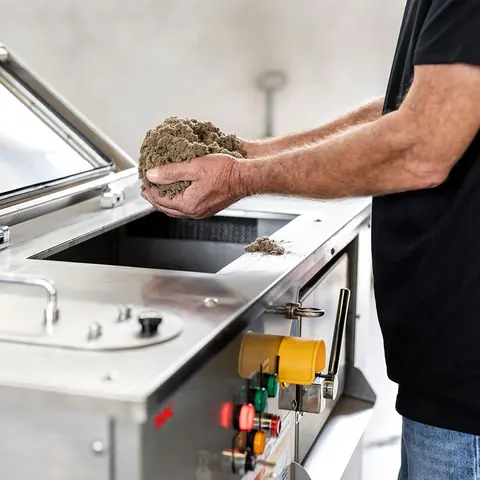
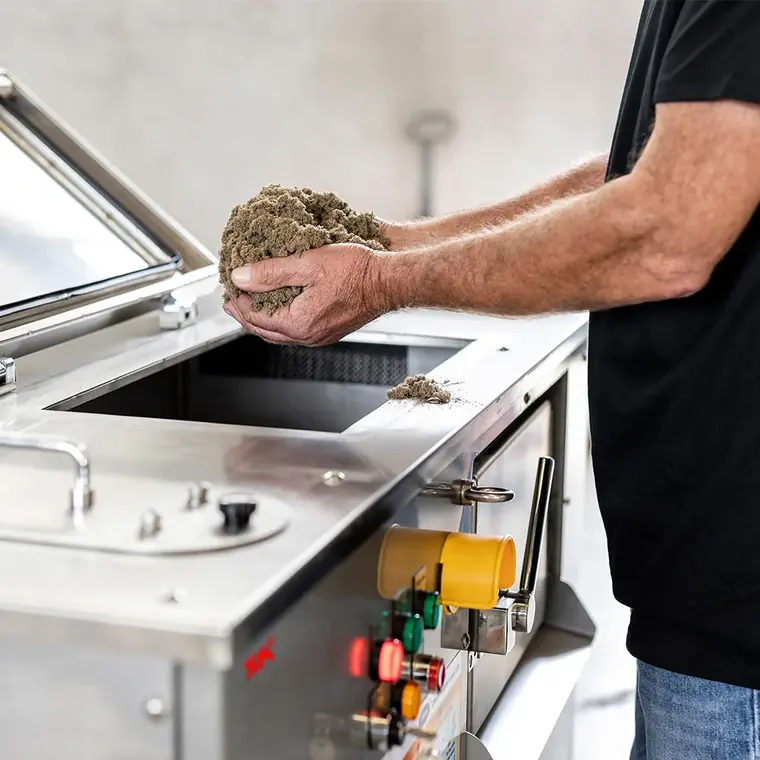
Heat drives off the 70 to 80 percent water in food waste while TMK microbes decompose the solids. What you harvest is pathogen free organic fertilizer, not ground up leftovers that mould in a week.
What We Make
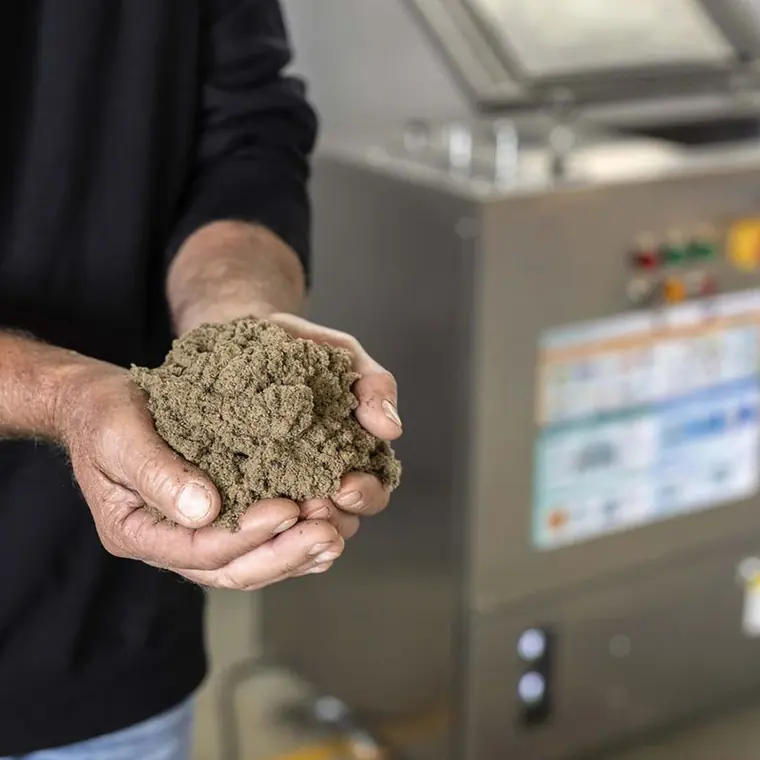
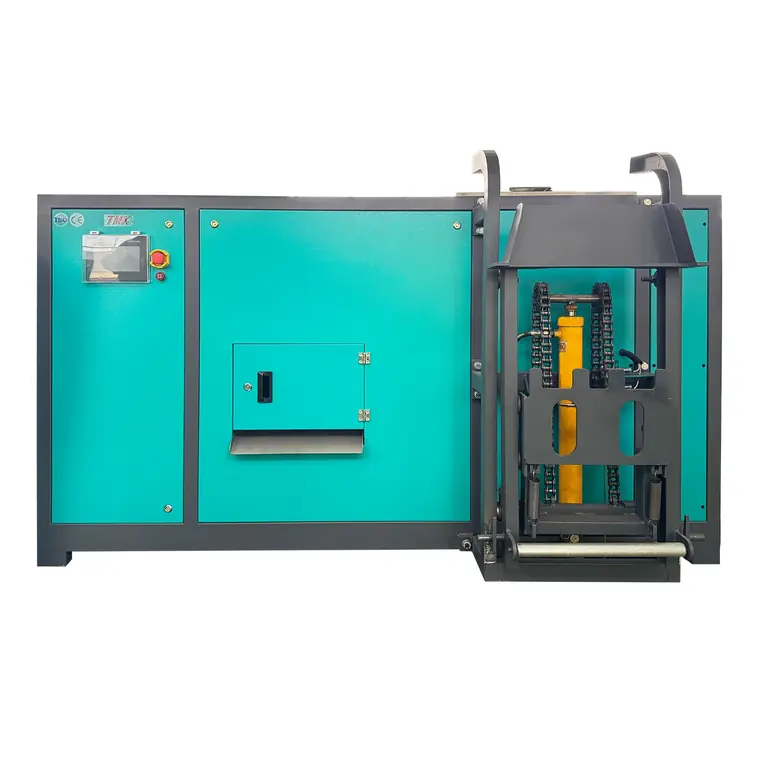
Electric aerobic composting machines that process organic waste where it is generated. Thirteen models cover 1 kg per day on a kitchen counter through 5000 kg per day on an industrial slab. Every model runs the same cycle: heat evaporates the water, TMK microbes decompose the solids, and dry organic fertilizer is discharged within 24 hours.
Who We Serve
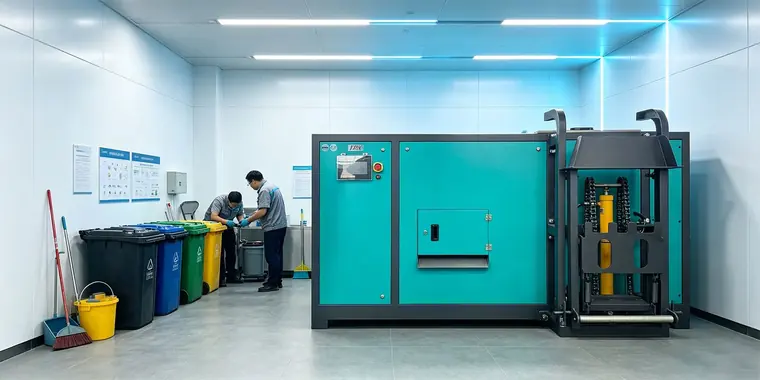
Restaurants, hotels and resorts, supermarkets, school and company canteens, hospitals, shopping centres, municipalities, residential complexes, food processing plants and households. The common thread is a site that pays to have wet organic waste carried away and would rather stop paying for the water in it.
What Problem We Solve
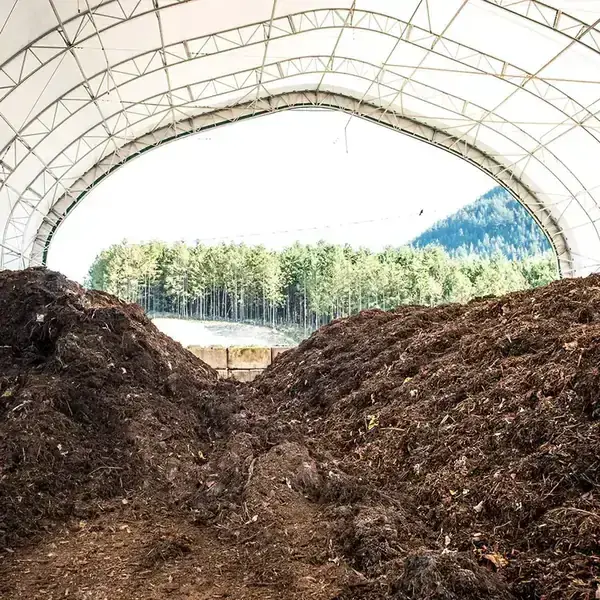
Food waste is 70 to 80 percent water, so most of what a hauling contract moves is water. Left in a bin it goes anaerobic, smells, attracts pests and produces methane in landfill. Traditional composting fixes the chemistry but needs months and open space that a commercial kitchen does not have.
Why Buy From TMK
A single supplier that designs and fabricates the machine, ships it, installs it and commissions it. Composting chamber, shaft and blades in SS-304 for durability. PLC control with HMI touch screen, overload protection and emergency stop on the commercial range. A 3 year factory warranty is stated for the commercial models.
Thirteen Models One Process
Every machine runs the same 24 hour aerobic cycle. What changes between them is throughput, power supply and footprint. Pick the one that matches your busiest day.
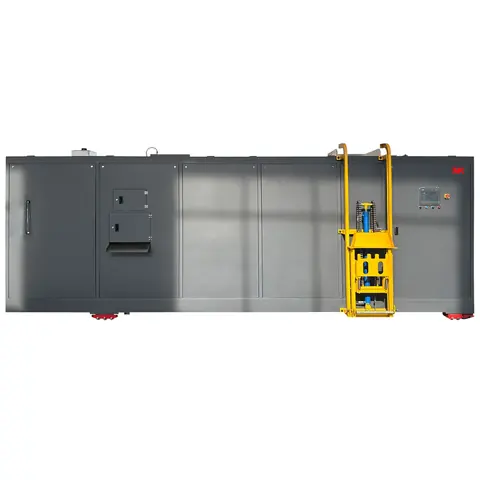
TMK-5000 Composter
5 Ton Per Day Industrial Organic Waste Composter
View specifications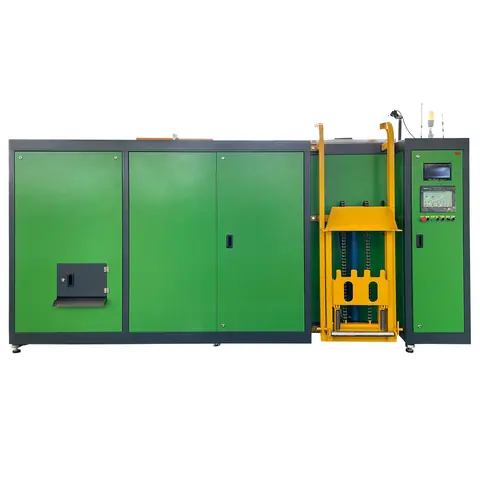
TMK-2000 Composter
2 Ton Per Day On-Site Food Waste Recycling System
View specifications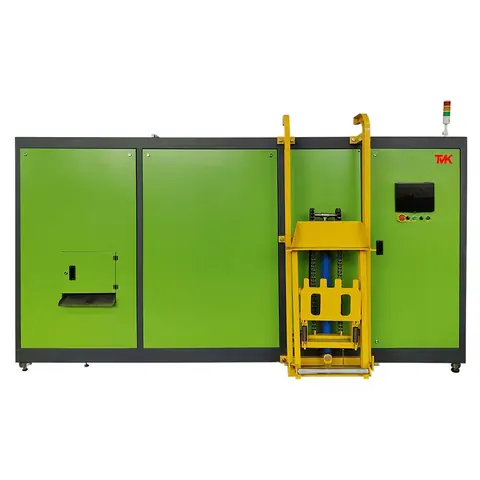
TMK-1000 Composter
1000 kg Per Day Industrial Composting Machine
View specifications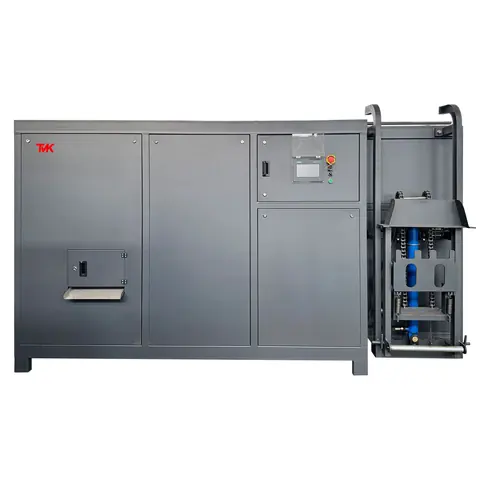
TMK-500 Composter
500 kg Per Day Organic Waste Composter With Built-In Bin Lifter
View specifications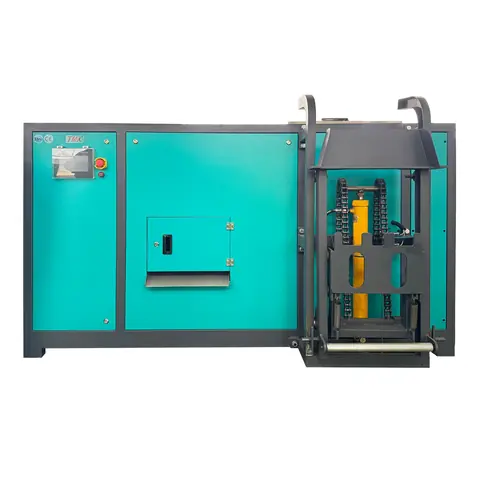
TMK-300 Composter
300 kg Per Day Waste Decomposer Machine for Commercial Sites
View specifications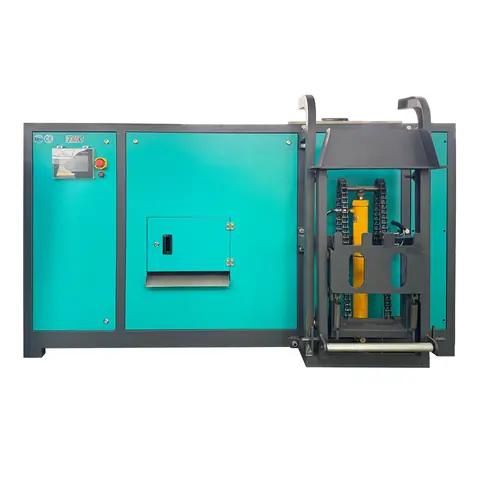
TMK-200 Composter
200 kg Per Day Kitchen Waste Composter for Commercial Kitchens
View specifications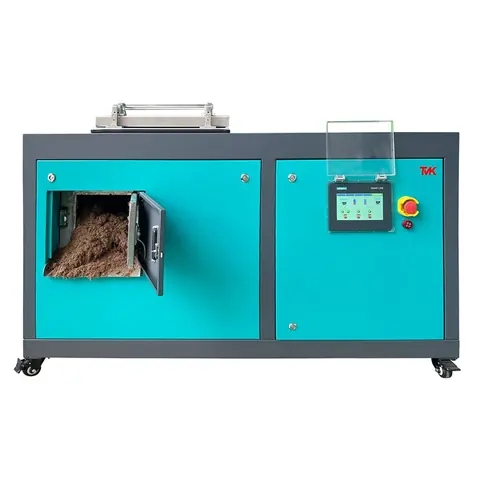
TMK-100 Composter
100 kg Per Day Electric Food Waste Composter
View specifications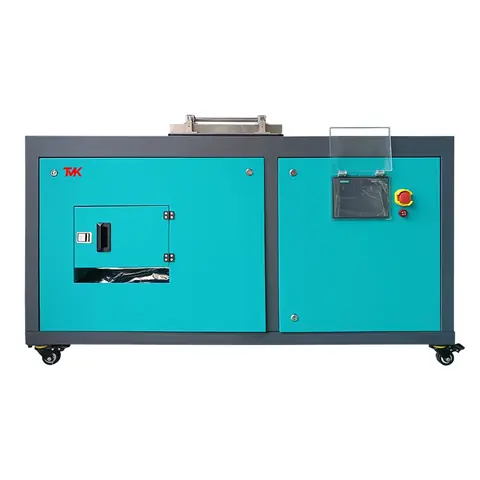
TMK-50 Composter
50 kg Per Day Kitchen Composter on Standard Single Phase Power
View specifications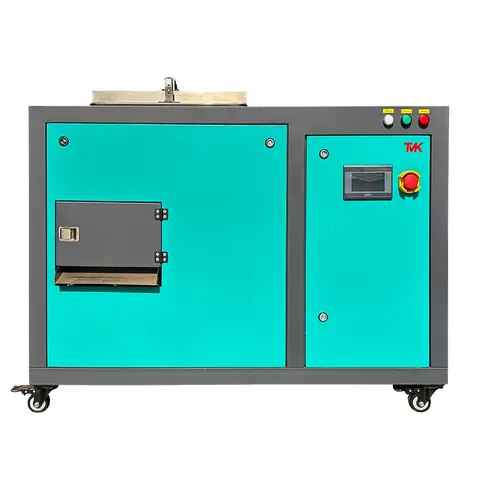
TMK-30 Composter
30 kg Per Day Commercial Food Composter for Small Kitchens
View specifications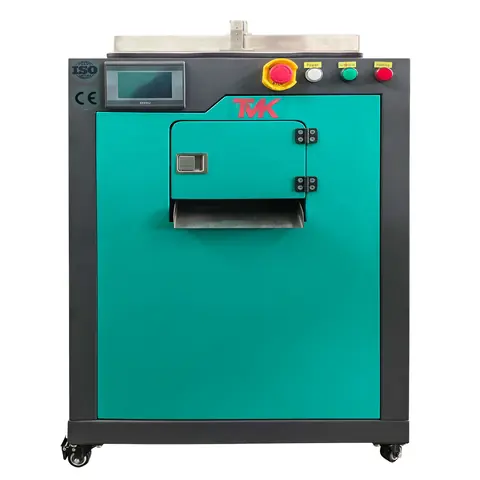
TMK-10 Composter
10 kg Per Day Compact Composter With Automatic Discharge
View specifications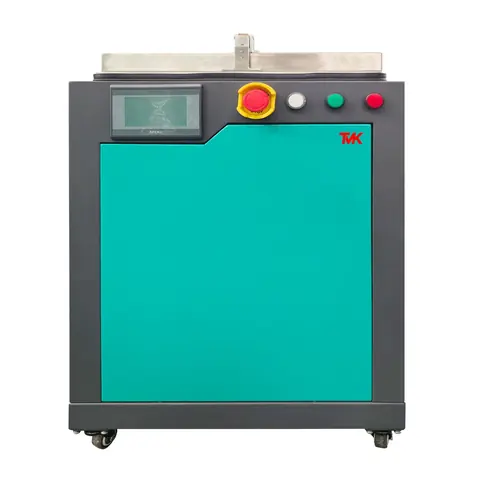
TMK-5 Composter
5 kg Per Day Indoor Composter for Kitchens Without a Garden
View specifications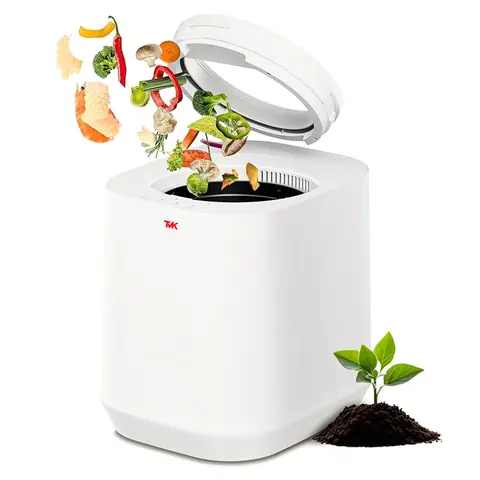
TMK-2 Composter
2 kg Per Day Home Composter Producing Garden Ready Compost
View specifications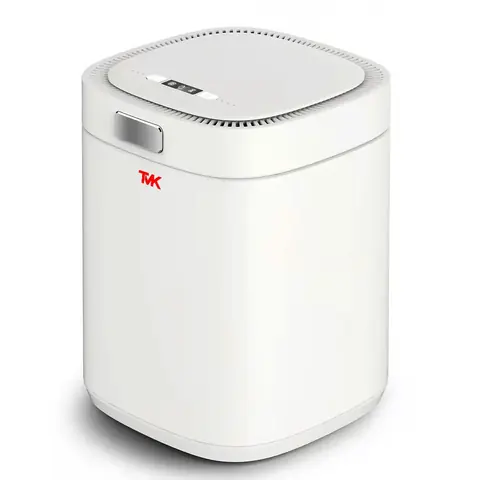
TMK-1 Composter
1 kg Per Day Countertop Electric Composter for Apartments
View specificationsSeven Places a Composting Machine Pays for Itself
The common thread is a site paying to move wet organic waste. The differences are volume, peak pattern and where the machine can physically go.
Restaurants and Catering
Over-ordering, spoilage and plate waste are persistent in commercial kitchens, and nearly one third of all food produced globally is wasted. In a rest...
See the fitHotels and Resorts
A hotel runs several kitchens, a banqueting operation and a landscaping team on the same site. That is an unusual position: the waste and the place it...
See the fitSchools and Canteens
A canteen is the easiest case to size, because the volume repeats. Meals are served on a timetable, plate waste lands in a window of about an hour, an...
See the fit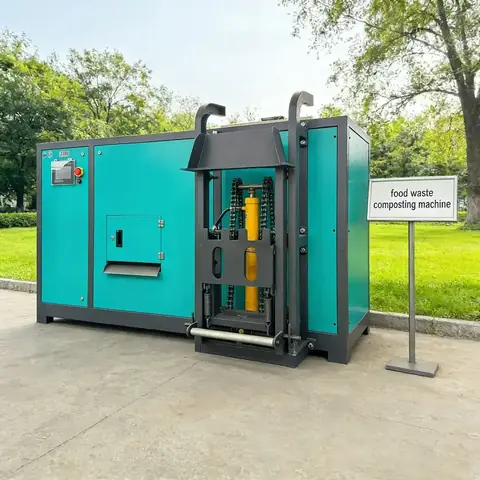
Hospitals and Healthcare
Hospital catering runs every day of the year and food waste cannot sit around. The reason an enclosed aerobic machine fits here is hygiene: the proces...
See the fitSupermarkets and Food Retail
Retail organic waste is different from restaurant waste. It is not plate scrapings, it is trim from the produce department and stock that came off the...
See the fitMunicipalities and Communities
Organics remain the largest single component of municipal solid waste. Handling them near where they are generated removes a transport leg, and transp...
See the fitFood Processing Industry
At plant scale the waste stream is consistent in composition and enormous in volume. That is the easiest case for a machine to handle and the most exp...
See the fitSix Things the Machine Controls So You Do Not Have To
Composting was never the hard part. Holding the conditions steady was.
Temperature control
The chamber is held in the band where aerobic microbes work fastest, which also drives pathogen elimination.
Moisture management
A humidity sensor triggers heating so water leaves as vapour rather than pooling and turning the mass anaerobic.
Aeration
Mechanical agitation keeps oxygen available throughout the chamber for the full cycle.
Mixing and homogenization
SS-304 shaft and blades keep the batch uniform so compost quality is consistent.
Deodorization
Fermentation and deodorization function, with a dedicated deodorization unit on the largest machines.
Overload protection
The overload function halts the machine to prevent spillage and operator risk.
From Waste Audit to Compost Offtake
On-Site Aerobic Composting
Composting is a natural process. A composting machine does not replace it, it removes the variables that make it slow. Five things decide how fast org...
Read the approachZero Waste Kitchen Programme
Buying a machine is the middle of the job, not the start of it. This is the sequence that gets a foodservice site from a hauling contract to a measure...
Read the approach
Choosing the Right Capacity
Thirteen models is a lot to read through. This page reduces the decision to three questions: how much separated organic waste per day, what power supp...
Read the approachWhere the Machines Are Made and What They Produce
TMK stands for MAXImize TONnage of Refuse Handling to reduce Carbon Footprint in the ecosystem.
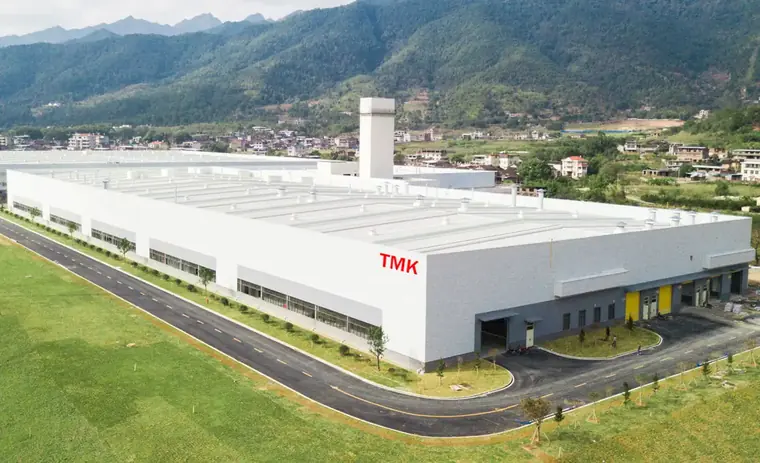
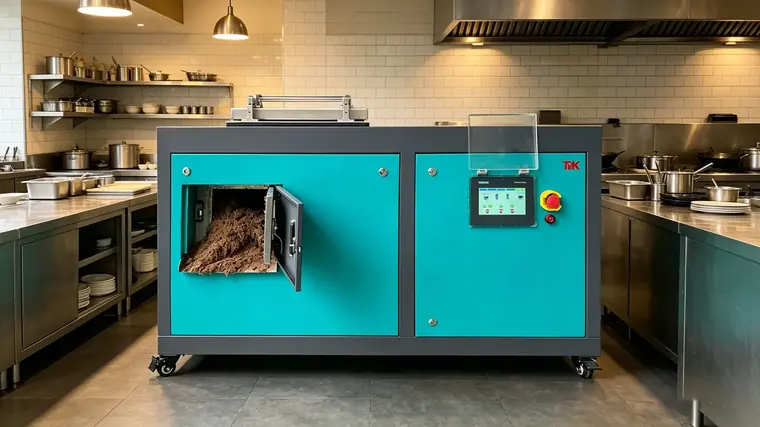
- In-house expertise for design, fabrication, supply, installation and commissioning
- Machine capacity from 1 kg to 5 tons per day across 13 models
- SS-304 composting chamber, shaft and blades on the TMK-1000
- Stainless steel tank with a stated lifespan of over 20 years
- PLC control with HMI touch screen, overload function and emergency stop
- 3 year factory warranty stated for the commercial range
Guides on Composting Equipment and Organic Waste
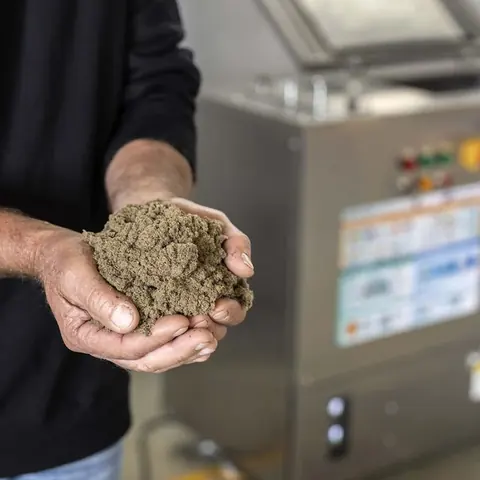
What Is a Composting Machine and How Does It Work
A composting machine speeds up aerobic decomposition of organic waste. Traditional methods take months. These machines handle food...
Read articleHow a TMK Food Composting Machine Works Step by Step
TMK manufactures, supplies and exports composting machines with capacity from 1 kg to 5 tons per day, with in-house expertise for ...
Read article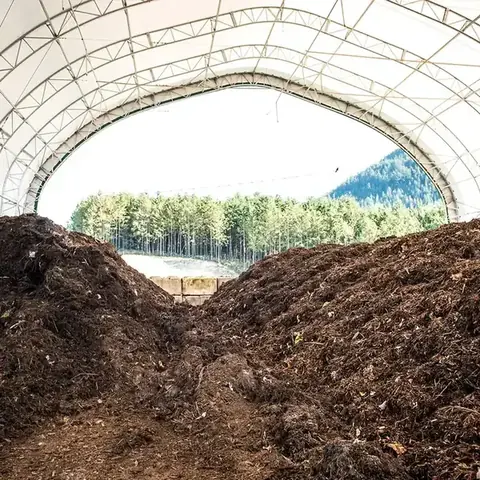
What Is Rapid Composting and Why It Replaces Stacking
Traditional composting needs to be stacked for more than 12 months. Rapid composting takes 21 to 24 hours, which is the whole argu...
Read articleQuestions Buyers Ask Before They Quote
What capacity range does TMK cover
1 kg to 5 tons per day across 13 models. The household range covers 1 to 5 kg per day and the commercial range runs from 10 kg to 5000 kg per day.
How long does the composting cycle take
Within 24 hours on every model, with 85 to 90 percent volume reduction.
Is this drying or real composting
Both happen. Heat evaporates the 70 to 80 percent water content while TMK microorganisms decompose the solids. The output is compost, not dried scraps.
What can go into the machine
Vegetable leaves, leftovers, vegetable peel, fish, meat, shrimp shells, crab shells, egg shells, small bones, bread, coffee grounds. Keep out: Plastic products, metals, ceramics, fuel oil, solvents, large wood, large animal bones, cloth, other domestic waste, hazardous waste.
Do I need to add sawdust or microbes with every load
No. TMK machines need no sawdust and no repeat microorganism dosing per load. Micro-organism is added every 3 to 6 months on the commercial range and about monthly on the TMK-1 and TMK-5.
Where are the machines made
In WuXi, Jiangsu, China. TMK has in-house expertise for the design, fabrication, supply, installation and commissioning of food waste composting machines.
How do I choose the right model
Weigh the separated organic waste your site produces on its busiest day and pick the model at or just above that figure. The capacity guide walks through every model and its power requirement.
Send Us Your Daily Organic Waste Figure
Tell us how many kilos of separated organic waste your site produces on a normal day and what power supply is available. We will come back with the model, the footprint and the lead time.