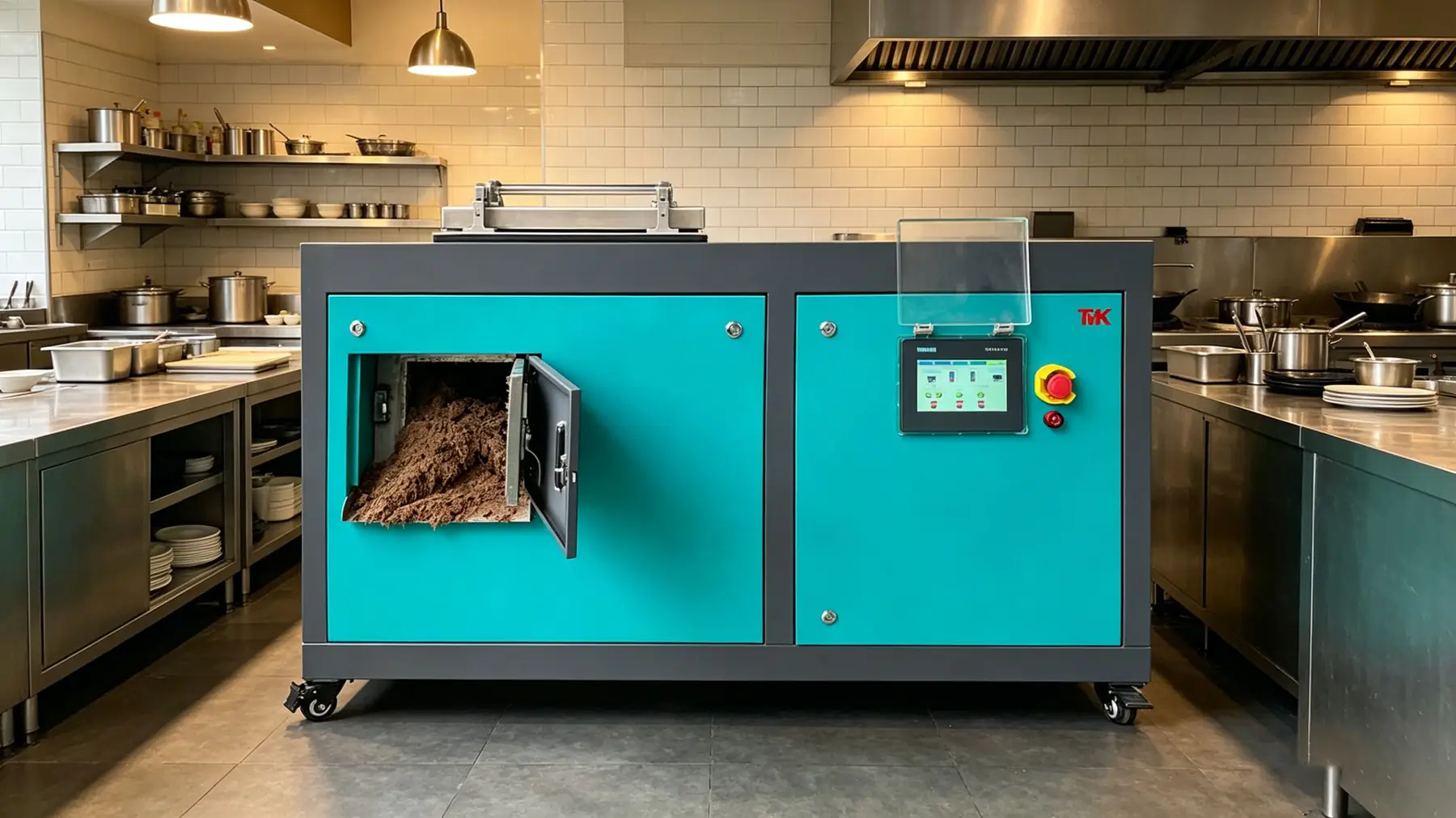
Zero Waste Kitchen Programme
Buying a machine is the middle of the job, not the start of it. This is the sequence that gets a foodservice site from a hauling contract to a measured diversion figure.
The Problem at Each Step and What Handles It
Stage 1 — Waste Audit
Most sites do not know how much organic waste they actually produce, only how many bins they pay for.
Weigh the separated organic stream for a full normal week, including the busiest day. That number, not bin count, decides the model.
Stage 2 — Source Separation
A mixed bin cannot be composted. Contamination with plastics, metals and glass impedes the process and degrades the product.
Set up separation at the point of scraping, with clear signage and a dedicated organics bin. Educating staff on segregation is the step that makes everything after it work.
Stage 3 — Model Selection
An undersized machine backs up and an oversized one is capital that is not working.
Size on the peak day. Thirteen models across 1 kg to 5000 kg per day mean the step between sizes is small enough to land close to the real number.
Stage 4 — Siting and Installation
Machines get specified before anyone checks power, ventilation and access.
Confirm floor space against the stated dimensions, power supply against the stated voltage and load, ventilation to the outside or a suitable waste pipe, and access for delivery. TMK handles installation and commissioning.
Stage 5 — Staff Operation
Kitchen staff turn over, and a machine that needs an expert stops being used.
One-touch automatic control senses composting status and manages the cycle without a preset timer or constant supervision. Loading and harvesting are the only routine tasks.
Stage 6 — Output Use
Compost with nowhere to go is just a smaller waste problem.
Decide the destination before commissioning: own landscaping, a local grower, an agricultural offtake, or sale. The output is 100 percent organic fertilizer and can be sold to farms.
Stage 7 — Measurement
A sustainability claim without a number does not survive an audit.
Record input weight and residual weight. The difference is the diverted tonnage, and it is the figure that supports both the cost case and the reporting.
The outcome is a site that pays for fewer collections, keeps wet waste out of the back of house, and has a measured diversion number rather than an intention.
Machines That Deliver This
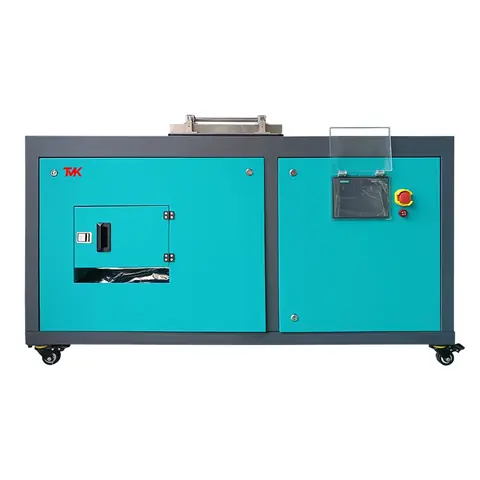
TMK-50 Composter
50 kg Per Day Kitchen Composter on Standard Single Phase Power
View specifications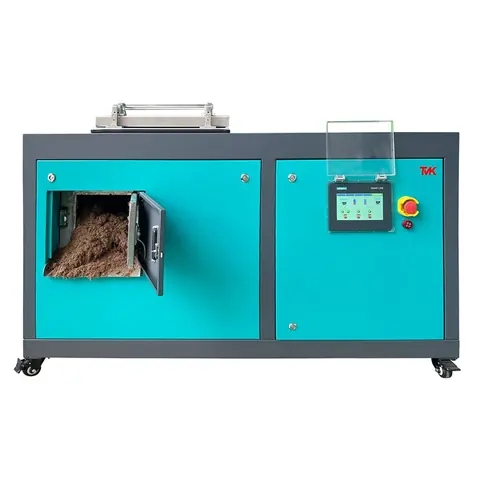
TMK-100 Composter
100 kg Per Day Electric Food Waste Composter
View specifications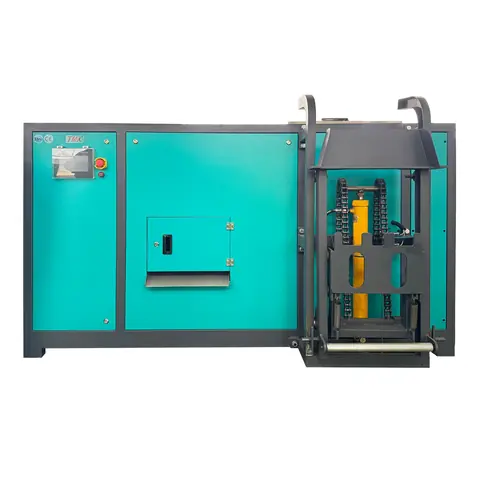
TMK-300 Composter
300 kg Per Day Waste Decomposer Machine for Commercial Sites
View specificationsQuestions About Zero Waste Kitchen Programme
How long does the whole programme take to stand up
The audit week and the separation setup are the parts you control. Lead time, delivery and commissioning depend on model and destination, so confirm both when you request a quote.
What is the single most common mistake
Skipping source separation. Contaminated feedstock impedes the composting process and degrades the quality of the final product, and no machine setting fixes that.
Can the compost be sold
The fertilizer produced is described as 100 percent organic fertilizer which can be sold to farms. Local regulations on selling soil amendments still apply.
What does the site actually save
Reduced waste disposal fees, reduced hauling frequency, and lower transport related CO2. The size of the saving depends on your current contract, so run the numbers against your own invoices.
Bring Us Your Site Details
Daily organic waste weight, power supply, available floor space and destination port. That is everything we need to come back with a configuration and a lead time.