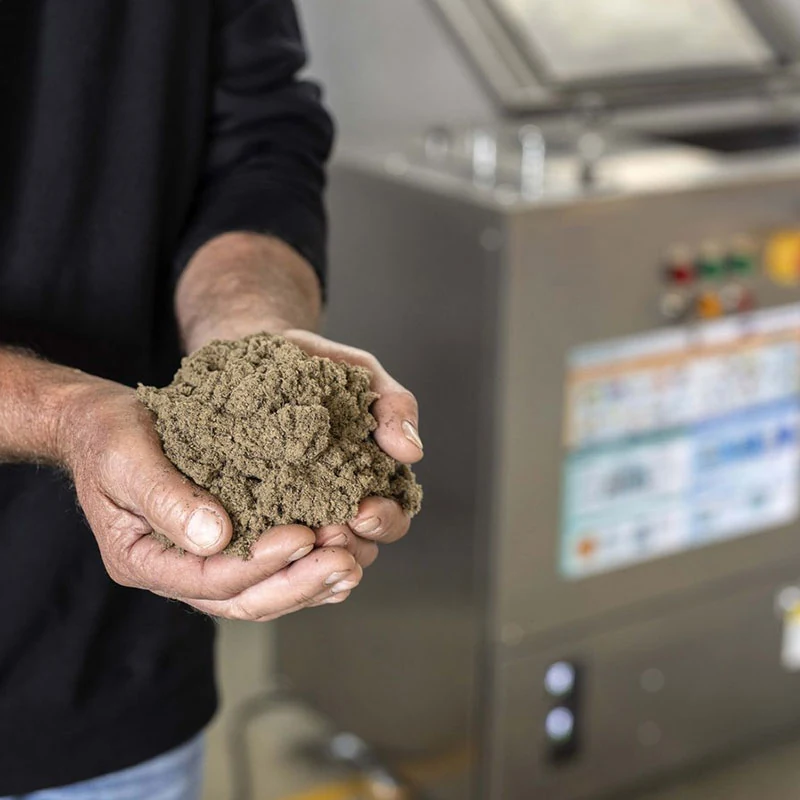
What Is a Composting Machine and How Does It Work
A composting machine speeds up aerobic decomposition of organic waste. Traditional methods take months. These machines handle food scraps, yard waste and more, in settings from residential complexes to large hospitality businesses.
What a Composting Machine Actually Is
A composting machine is a device that speeds up the aerobic decomposition of organic waste. Unlike traditional composting, which can take several months, a machine produces compost in a far shorter window. It is designed to handle various types of organic waste, including food scraps and yard waste, which makes it a versatile answer across very different settings, from residential complexes through to large hospitality businesses.
Waste Reduction Is the First Effect
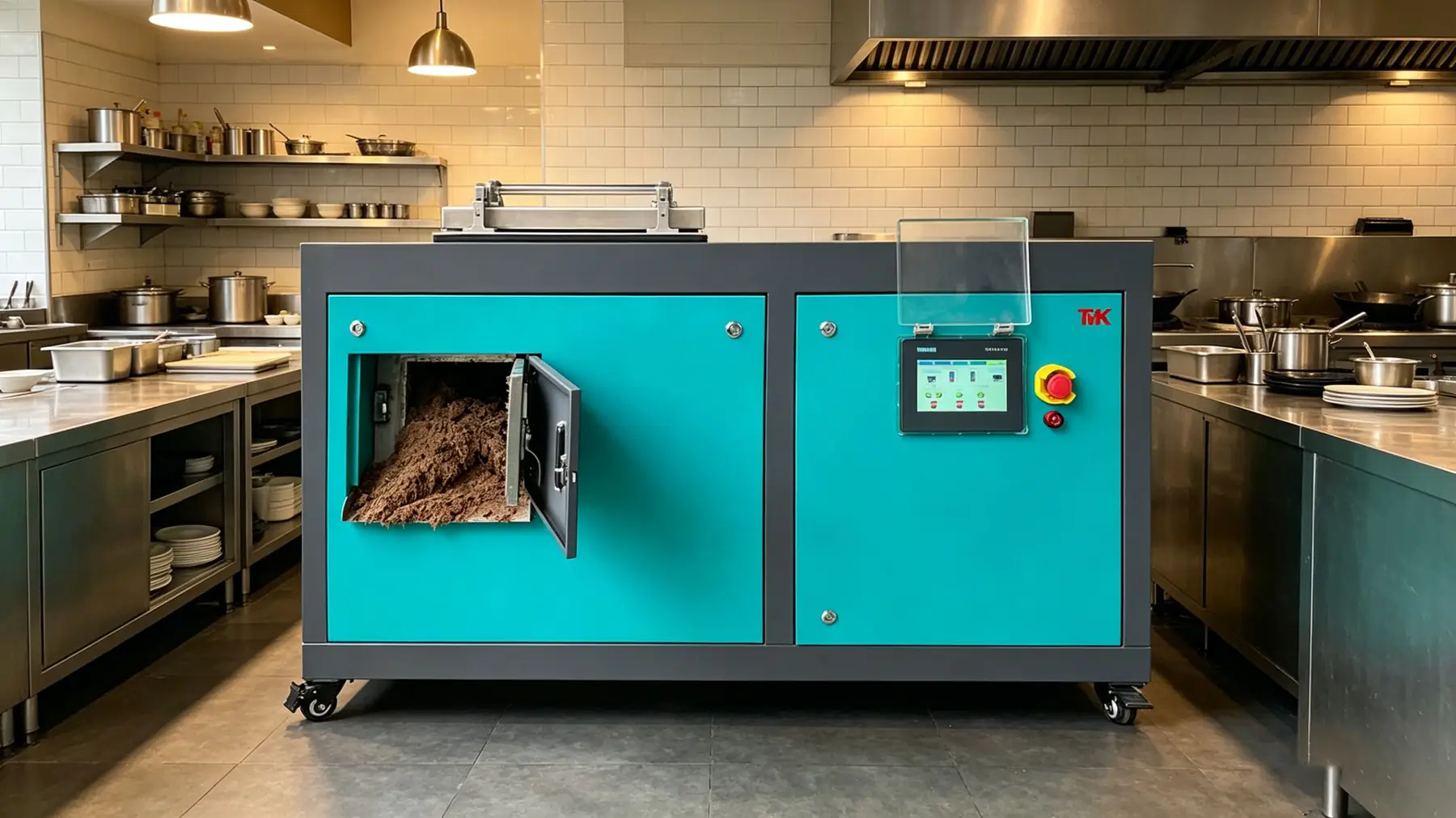
Composting machines significantly reduce the volume of waste that ends up in landfill. Converting organic waste into compost lowers the overall environmental impact of waste management, and it lowers the physical weight a site has to pay someone to move. The TMK range achieves 85 to 90 percent volume reduction within 24 hours.
Soil Enhancement Is the Second
The compost produced is rich in nutrients, which makes it a good amendment for soil health. Enriched soil supports plant growth without chemical fertilizers. This is why the output matters as much as the reduction figure: it has a destination and, in many cases, a value.
Greenhouse Gas and Cost
Organic waste in landfill decomposes anaerobically and produces methane, a potent greenhouse gas. Diverting that waste avoids the emission. For businesses, particularly in hospitality, waste disposal is a real operating cost. A composting machine reduces the frequency of collection needed, which lowers that cost directly.
Where It Fits
Implementing composting sends a clear signal about a commitment to sustainability, which matters to eco-conscious customers and to corporate reporting. TMK machines are built to be efficient across varying waste quantities, easy to operate with minimal maintenance, odour-free enough for indoor or outdoor use, and low footprint in operation.
Related machine: TMK-300 Composter — 300 kg Per Day Waste Decomposer Machine for Commercial Sites at 300 kg/day.
Machines Mentioned in This Guide
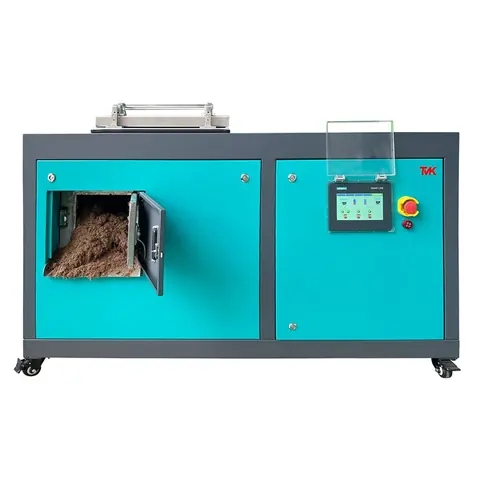
TMK-100 Composter
100 kg Per Day Electric Food Waste Composter
View specifications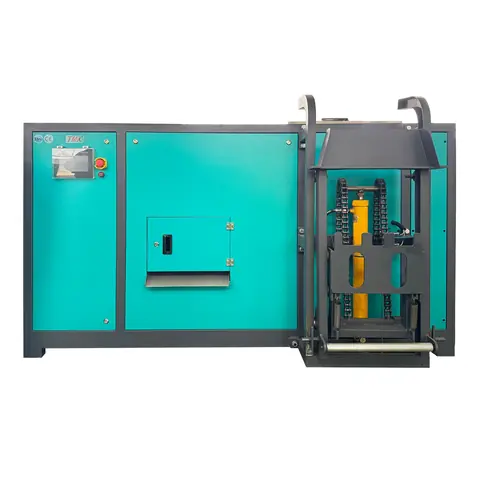
TMK-300 Composter
300 kg Per Day Waste Decomposer Machine for Commercial Sites
View specifications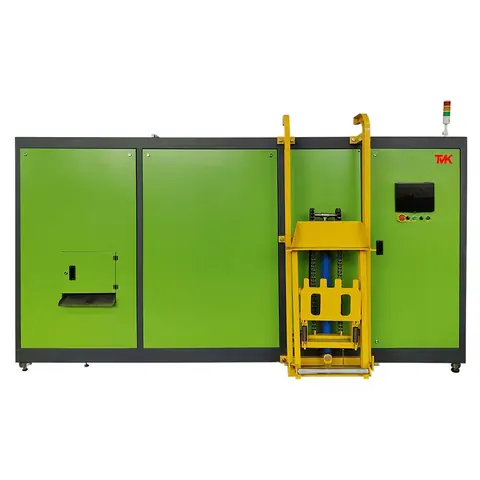
TMK-1000 Composter
1000 kg Per Day Industrial Composting Machine
View specificationsRelated Industries and Solutions
Questions From This Guide
How long does a machine take compared with a pile
A TMK machine completes a cycle within 24 hours. Traditional composting needs to be stacked for more than 12 months.
Can it take meat and bones
Yes within limits. Acceptable input includes fish, meat, shrimp and crab shells, egg shells and small bones. Large animal bones must stay out.
Does it need constant attention
No. The commercial models are fully automatic and no labor is required after feeding.
Have a Specific Site in Mind
Send your daily organic waste weight and your power supply. We will come back with the model, the footprint and the lead time.