Function And Purpose
The primary function is to maintain electrical isolation between different parts of the transformer, preventing current flowing from the high voltage windings to the lower voltage windings or to ground. This keeps the high voltage contained within the parts of the transformer intended to carry it, preventing damage to other components and removing the risk to personnel working on or near the equipment.
Materials And Design
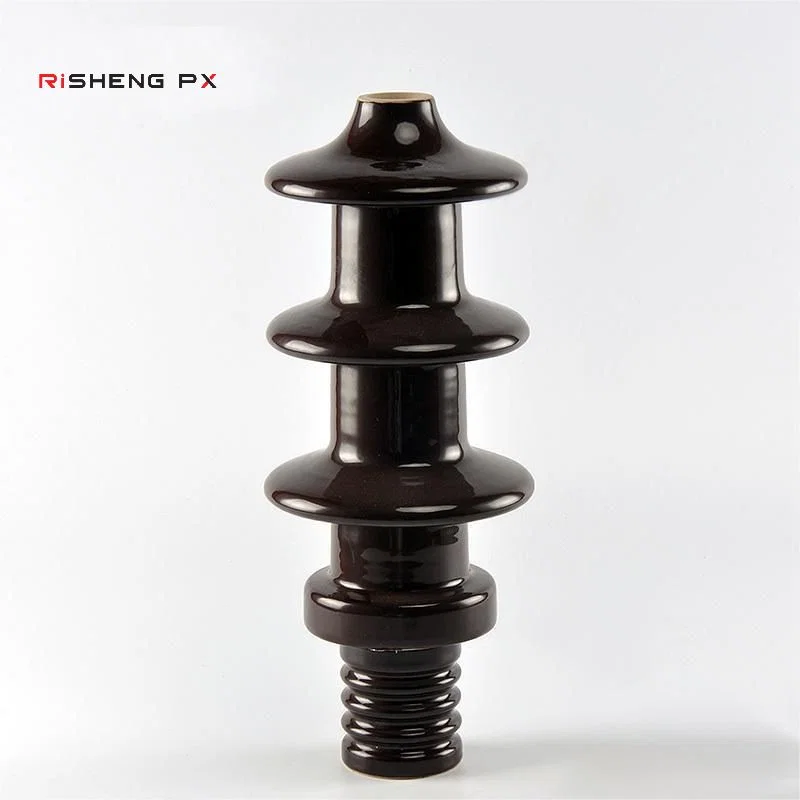
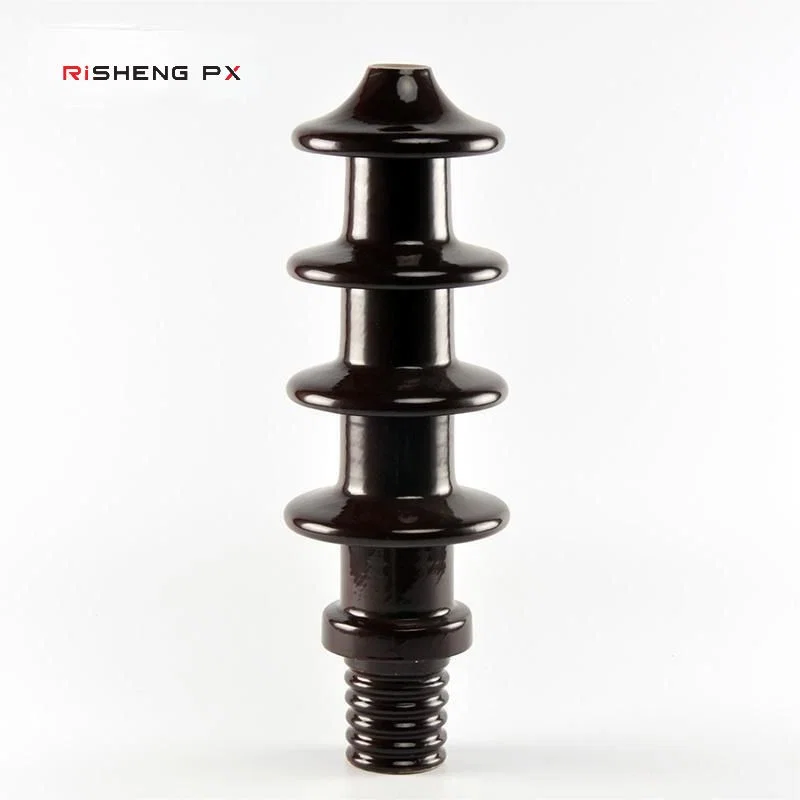
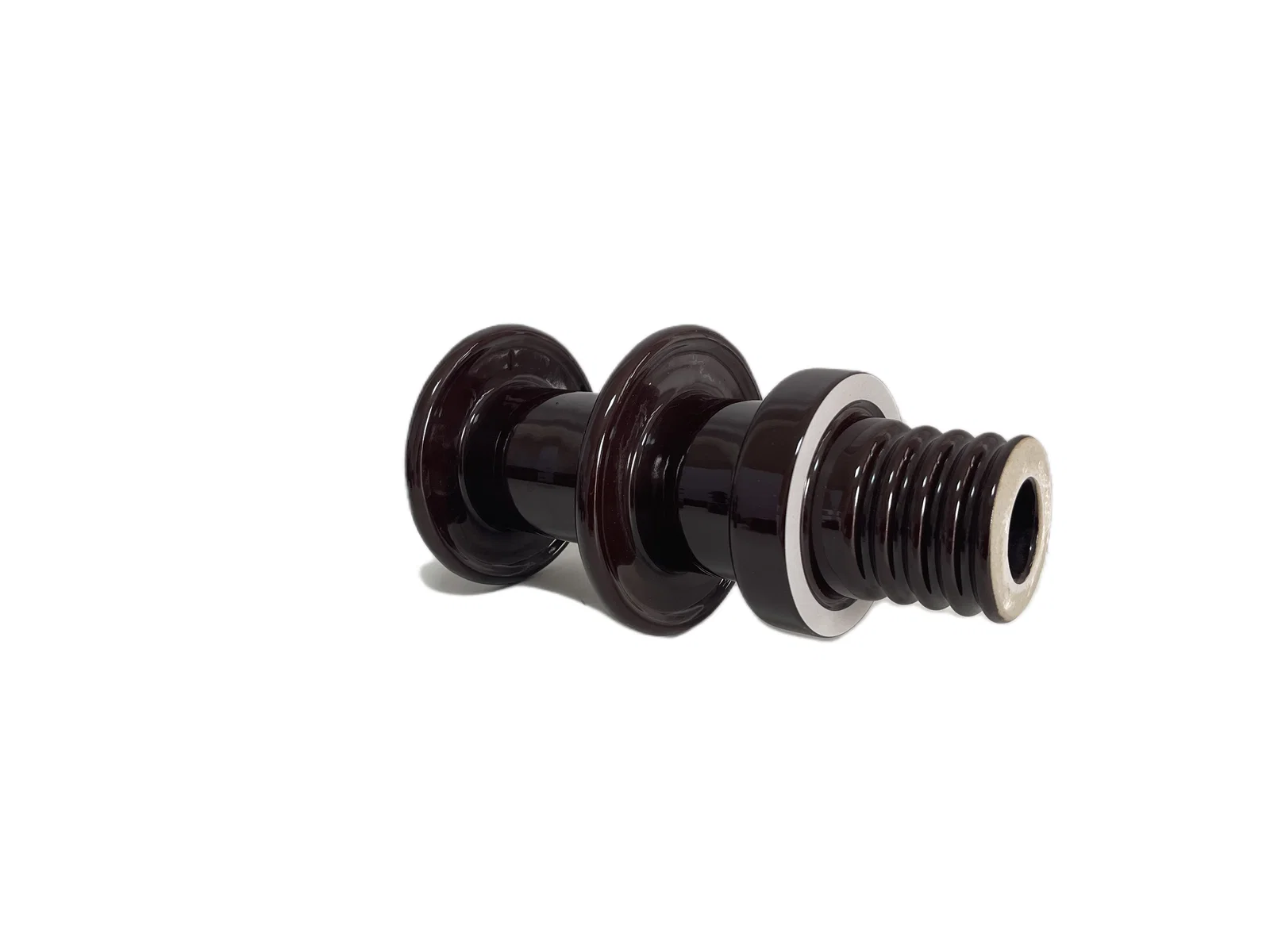
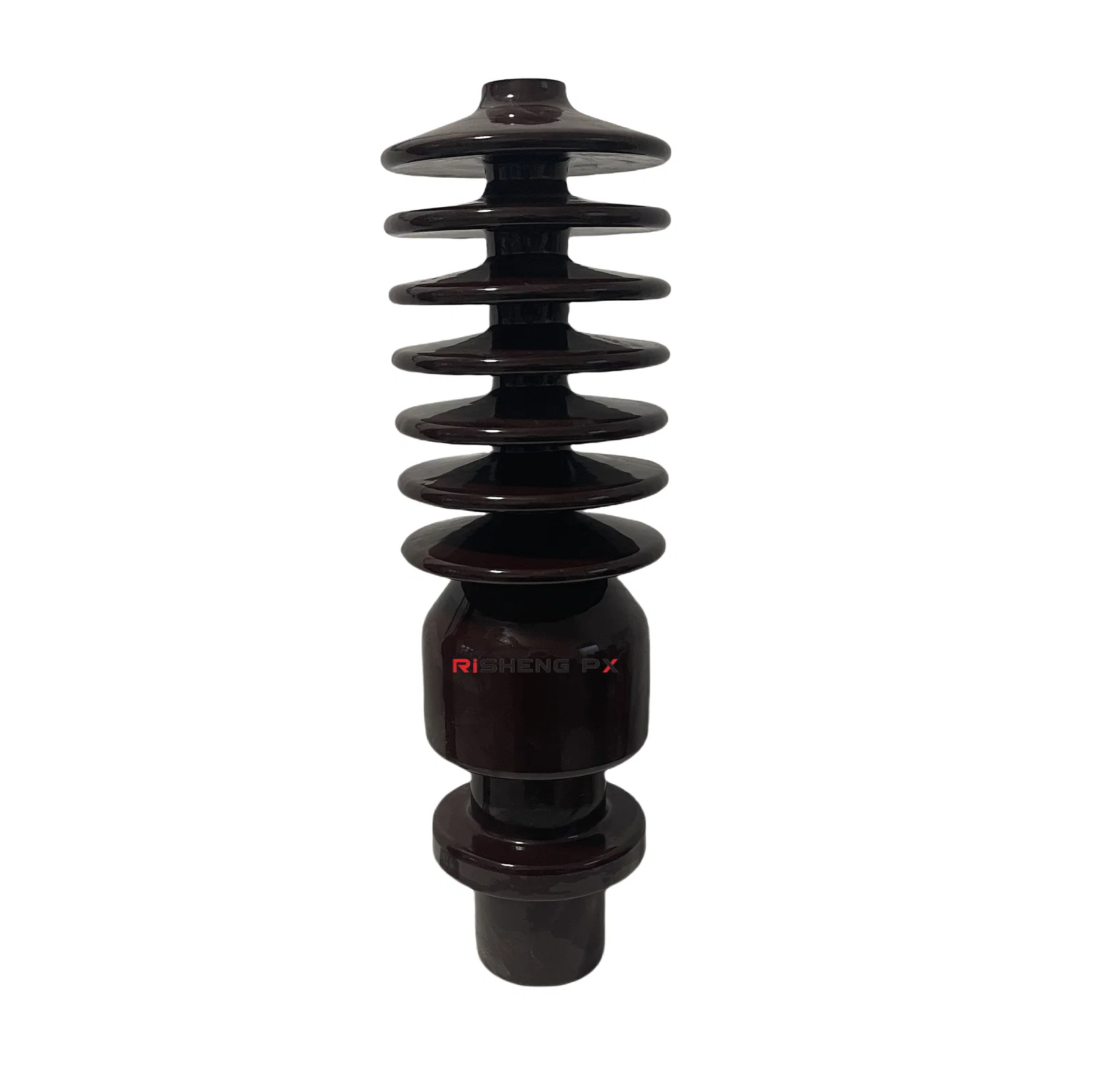
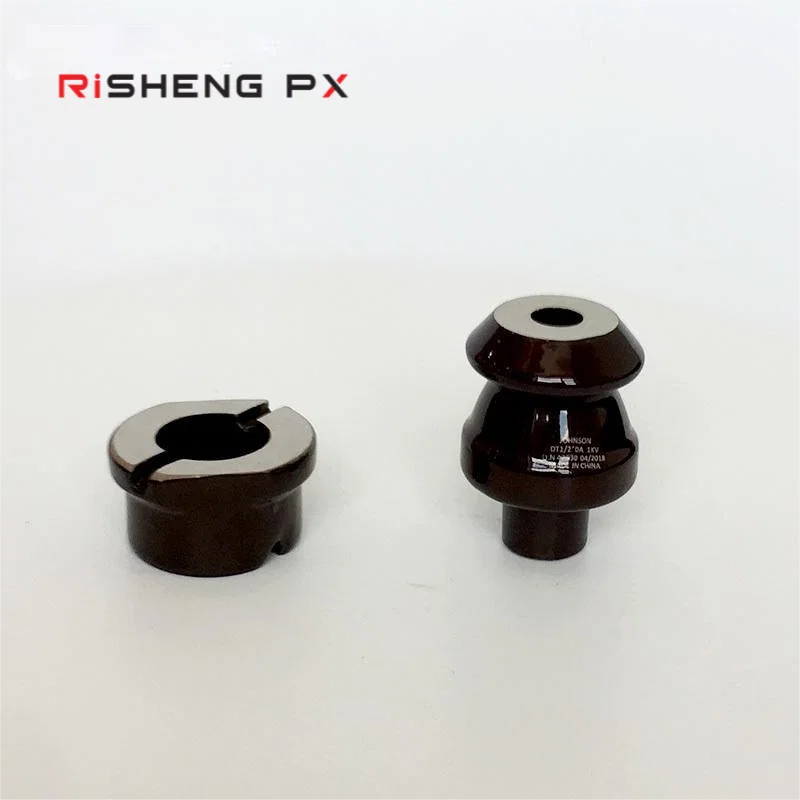
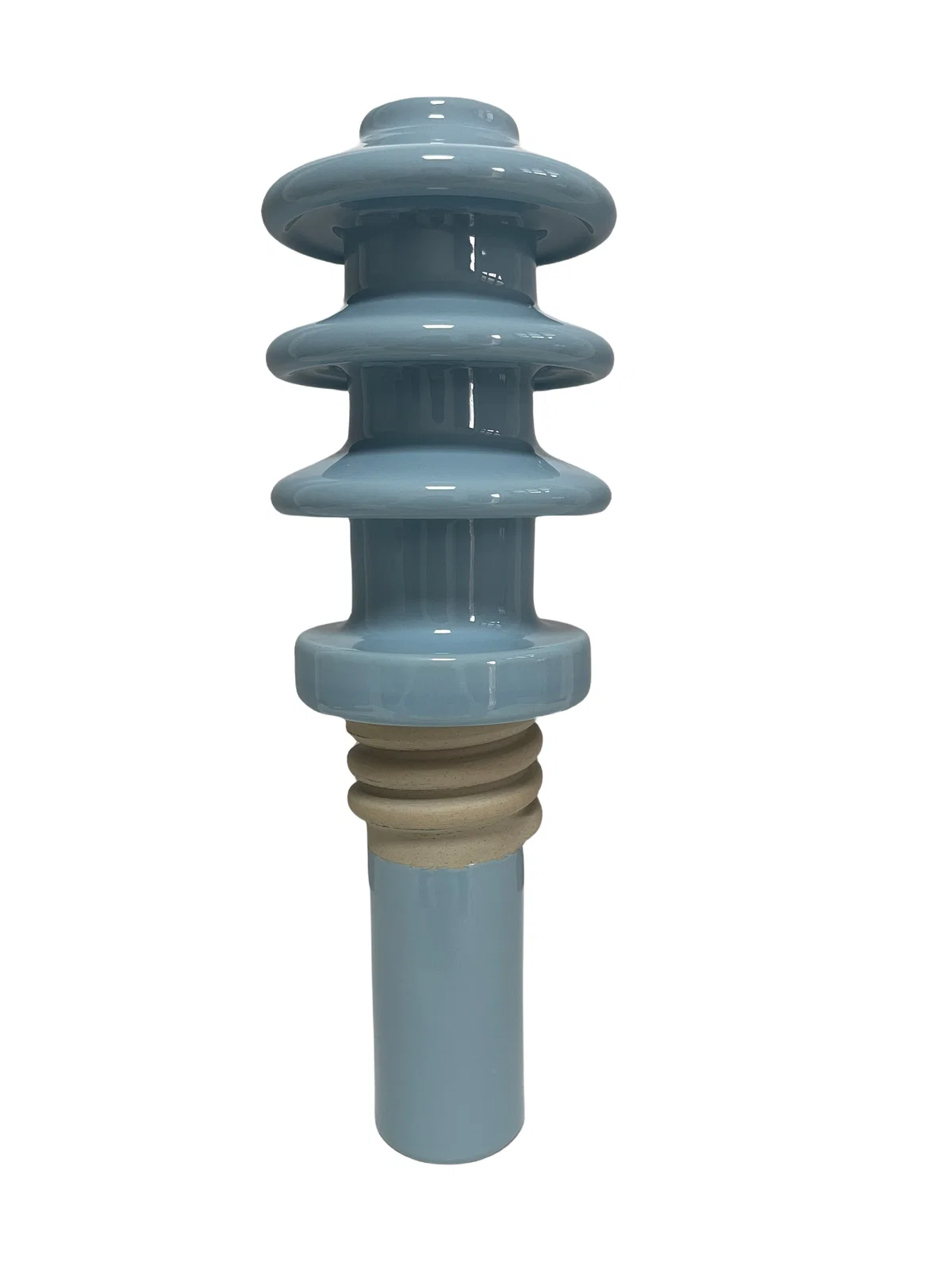
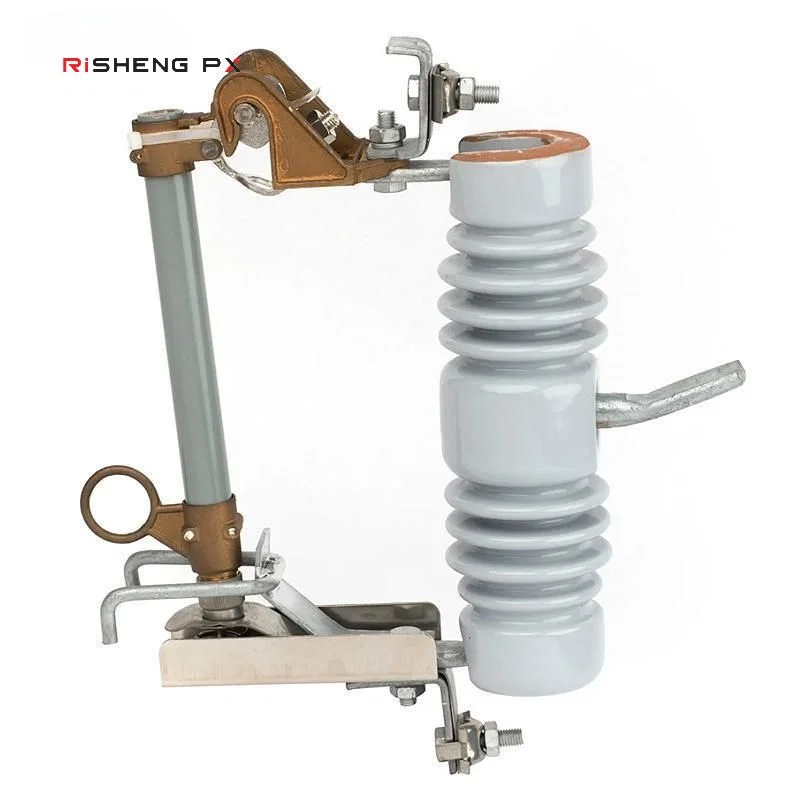
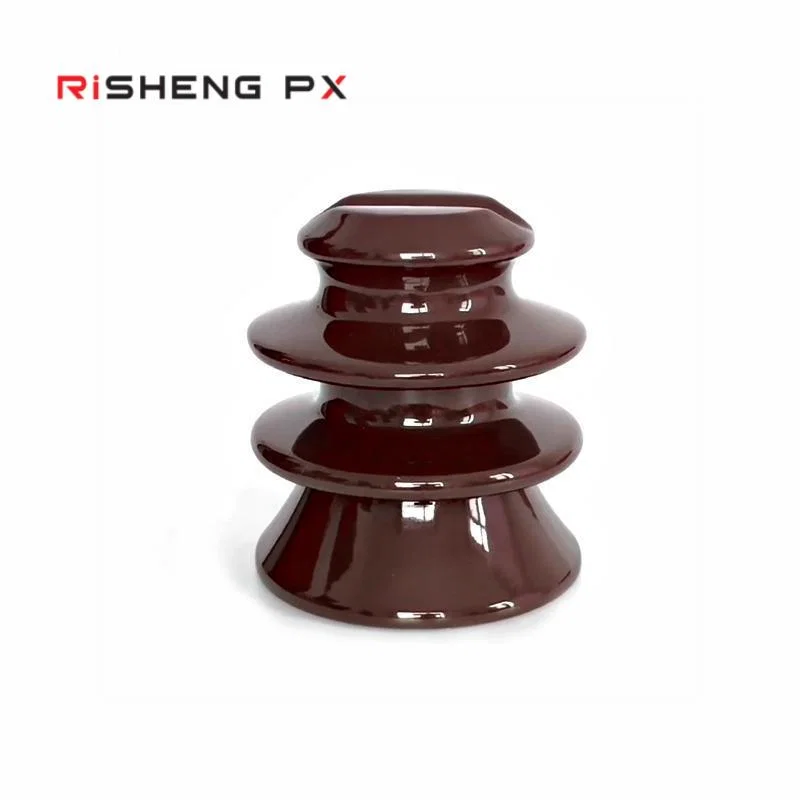
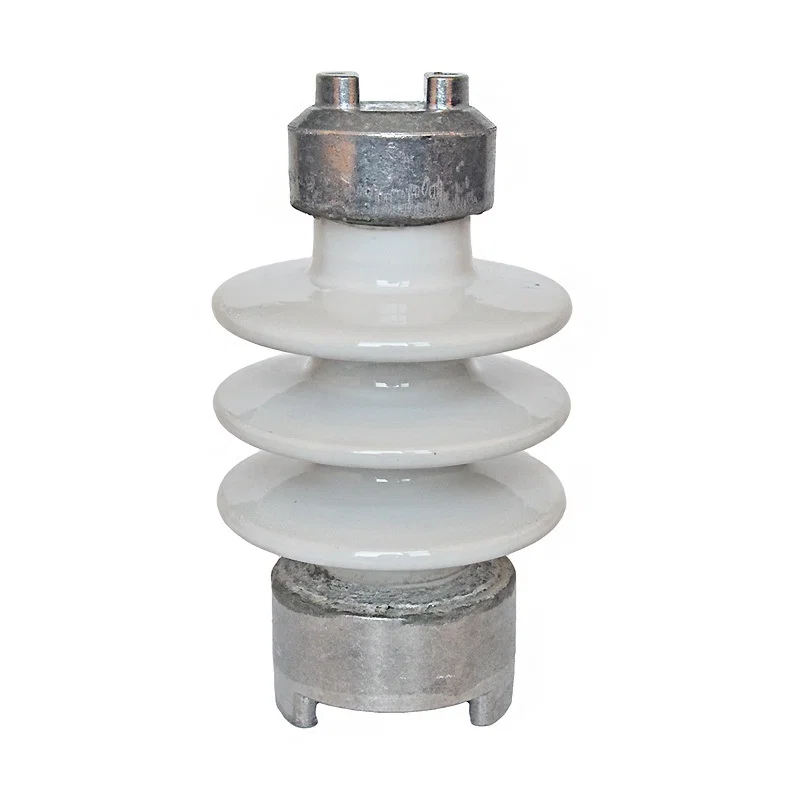
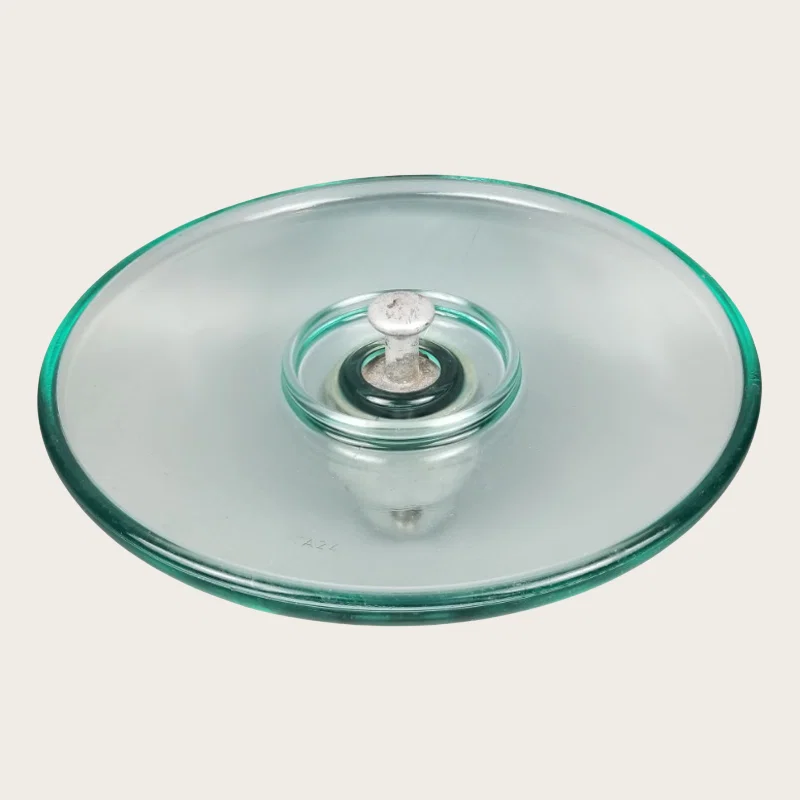
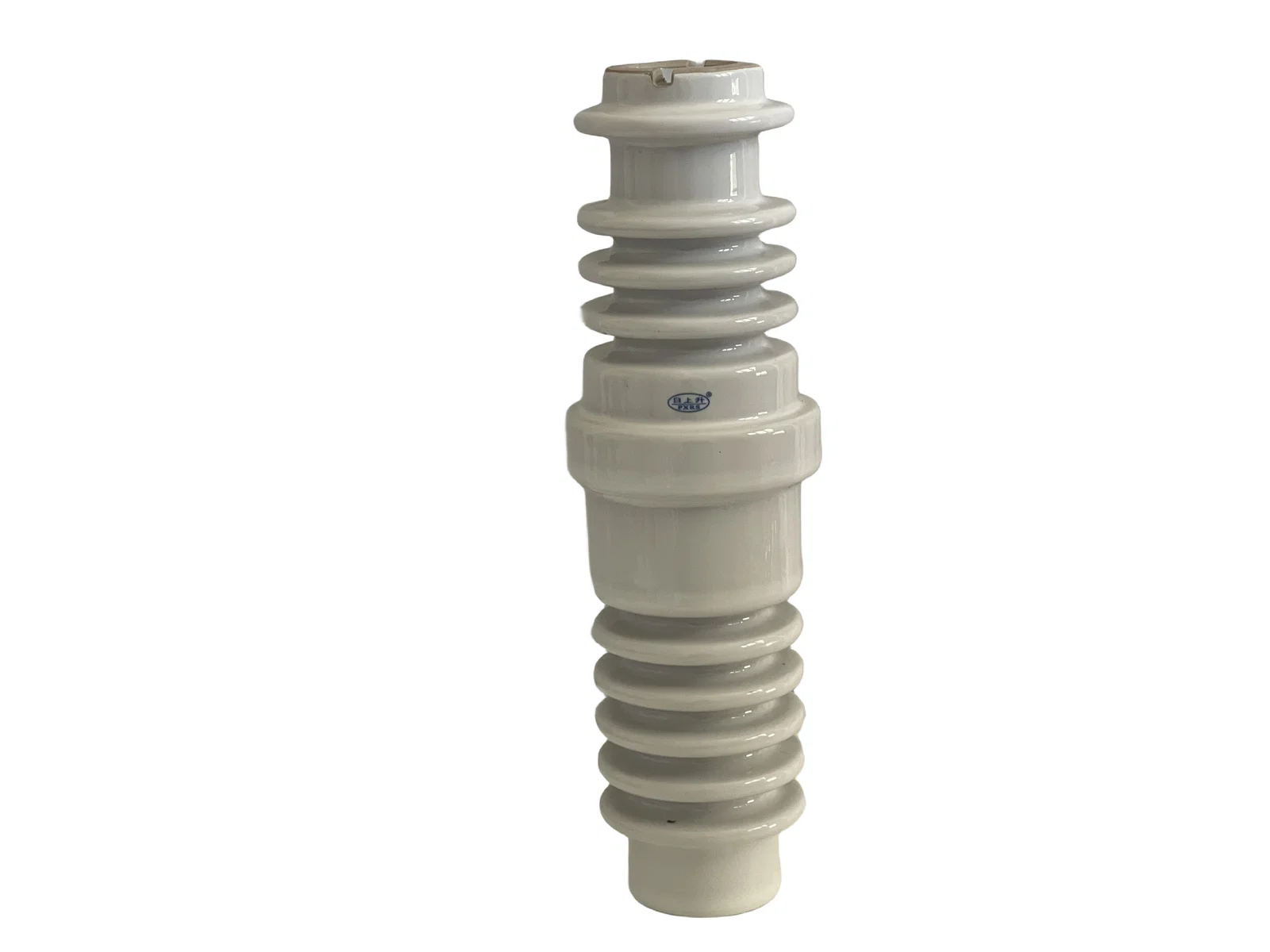
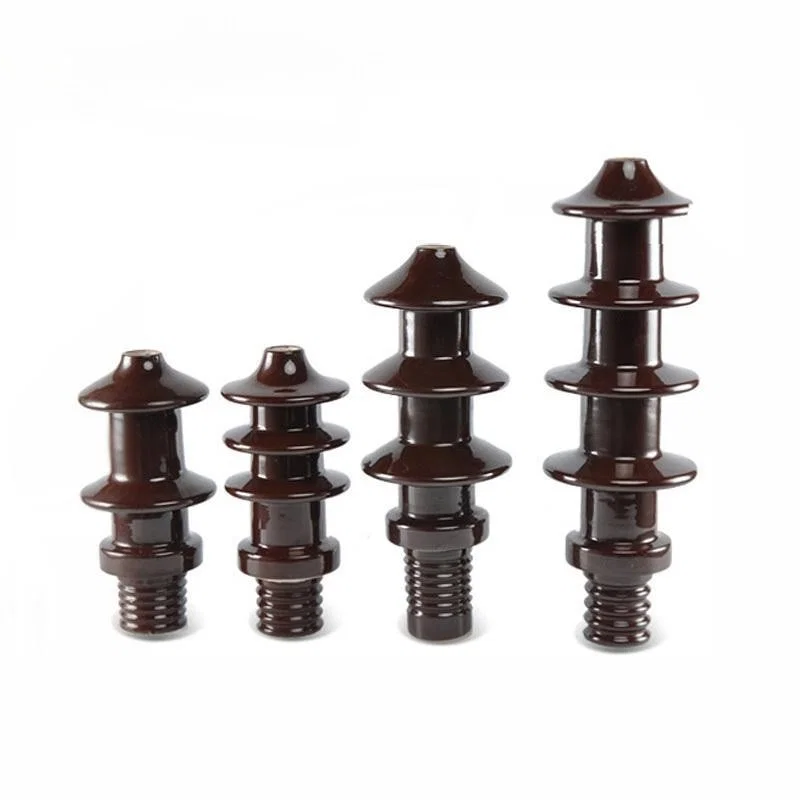
Insulators are made from materials with excellent dielectric properties: ceramic, glass or composite materials. They are designed to withstand high electrical stress while keeping a clean surface, which is what prevents arcing under severe conditions. The shape and size follow from the application and the voltage requirement, which is why a 1kV low voltage bushing and a 36kV high voltage bushing look nothing alike.
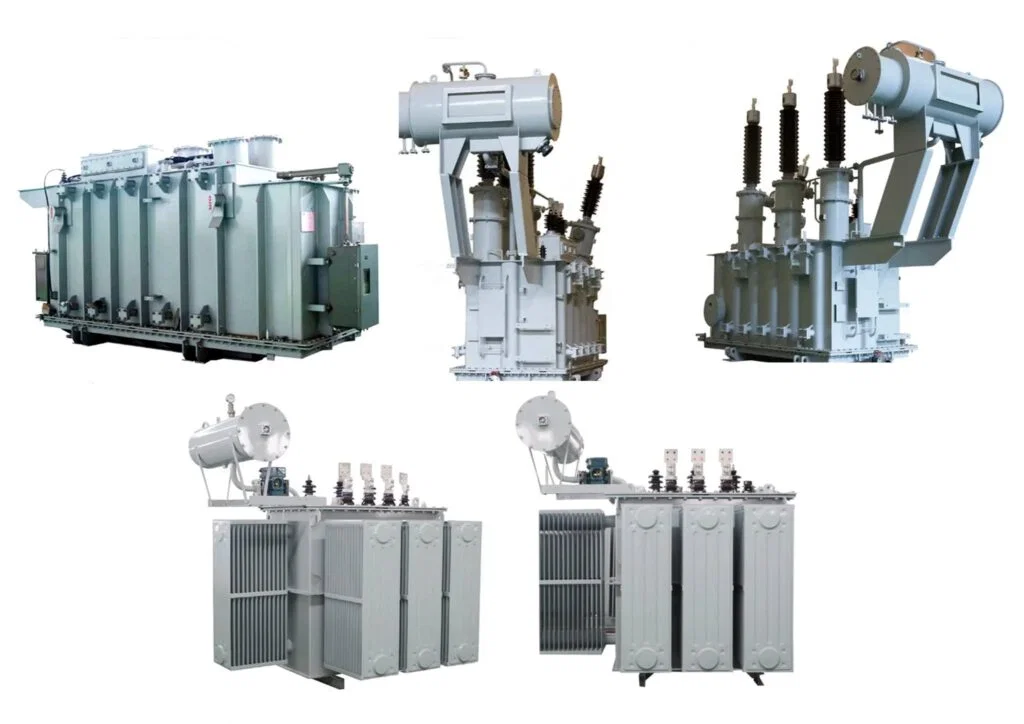
24kV To 36kV HV Porcelain Transformer Bushing
Durability And Reliability
Insulators have to withstand mechanical loads and thermal stress as well as electrical stress, and perform reliably across a wide range of temperatures and humidity. Regular inspection and maintenance is what keeps them intact and effective. A chipped shed or a crazed glaze shortens the creepage path long before it produces a visible fault.
Importance In Transformer Design
Insulator selection and design is a critical part of high voltage transformer design. It has to account for voltage rating, current carrying capacity, mechanical loads and environmental conditions together. The wrong choice of material or design can lead to equipment failure or personal injury, which makes the insulator one of the most important safety considerations in the whole design.