
Material Handling for Construction and Contracting
Ground that breaks equipment, routes too narrow for machines, and a fleet that has to be repairable on site.
On a building site the handling equipment is used by people who did not buy it, over ground that was not there last week. What survives is simple, repairable and standardised on one wheel size.
Renwei supplies the barrows, trucks and wheels that do this work, plus the replacement wheels that keep them out of the skip.
What Costs This Industry Money
Punctures stop the job
Nails, screws and glass are everywhere on a site. A pneumatic barrow wheel can be off the road for a day waiting for a tube.
Narrow and broken routes
Scaffold bays, trenches and door openings rule out anything with a fixed axle width.
Mixed fleets, no common spares
Barrows bought from three suppliers need three different wheels, so none are held and all of them wait.
Equipment used hard by many hands
Kit on hire or shared between trades gets loaded past its rating and dropped off tailgates.
Requirements That Follow From Those Problems
- Rated loads published per model so site handling limits can actually be checked
- Flat-free wheel options for ground full of fixings
- One wheel size across the barrow fleet so a single spare covers everything
- Heavy duty casters that survive yard and slab floors
Product Families That Answer Them
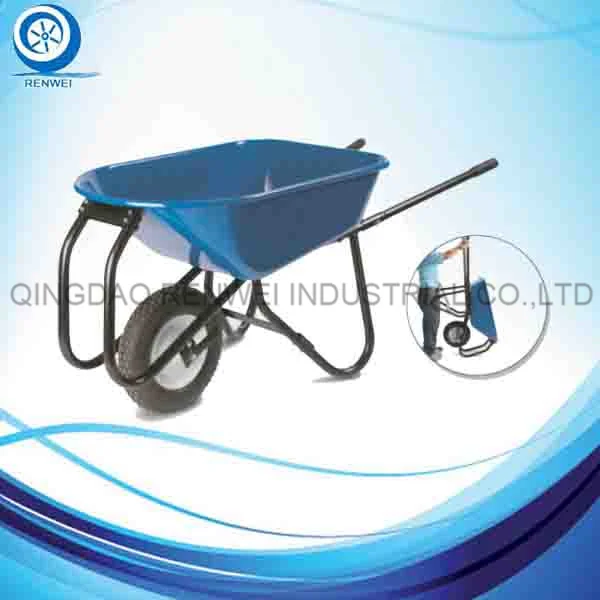
Wheelbarrow
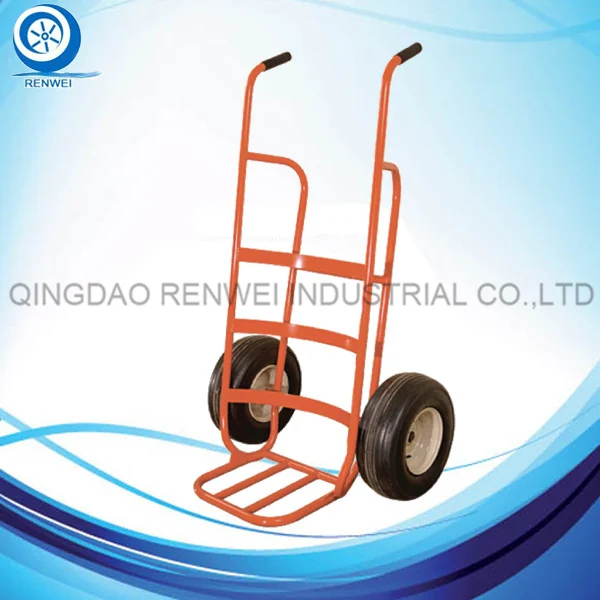
Hand Truck
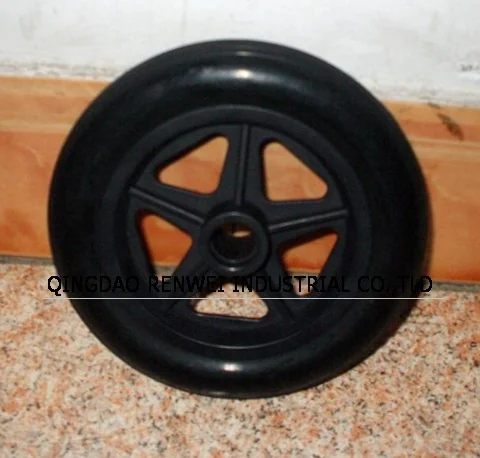
PU Wheel
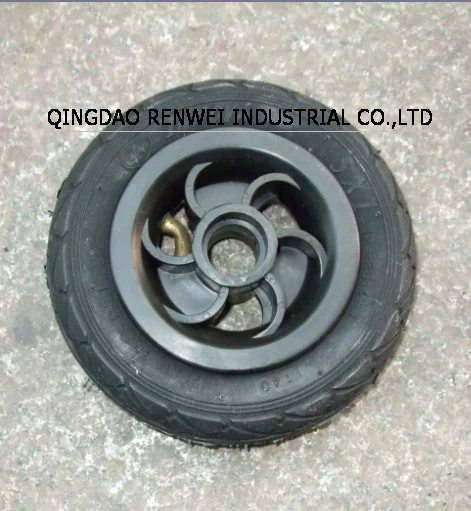
Rubber Wheel
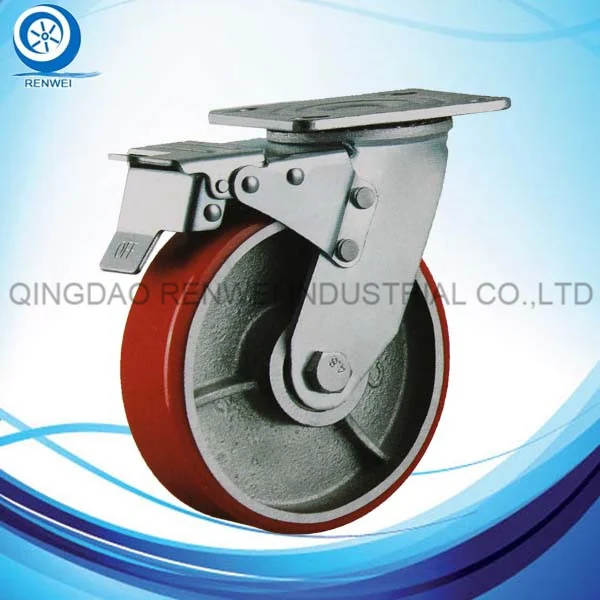
Big Heavy Caster
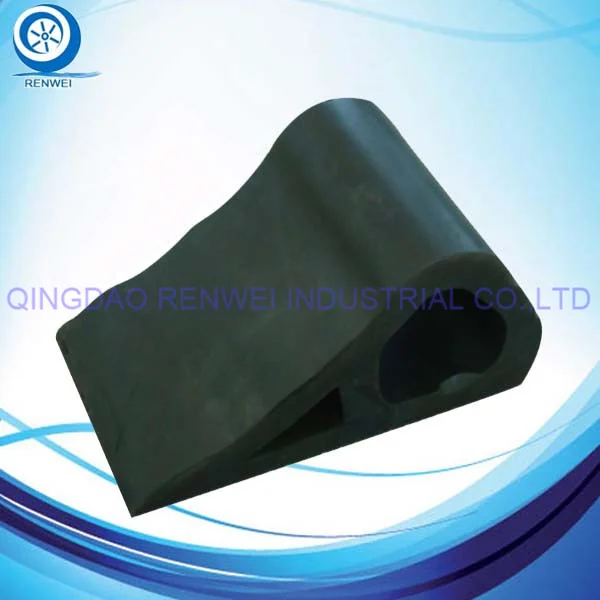
Rubber Wedge Chock / Rubber Cone Base
Where This Equipment Works
Concrete pours on restricted sites
Single-wheel barrows moving wet mix where a machine cannot reach.
Demolition and strip-out
Rubble carried out through door-width routes and down temporary ramps.
Fit-out and second fix
Platform trucks and sack trucks moving boards and boxed goods through finished corridors.
Site compound and yard
Heavy casters under stillages and tool stores that get dragged around the compound.
What Renwei Brings to This Industry
Claims about factory size, capacity, certification and lead time are not published by the company, so they are not made here. Everything below is checkable against the catalogue or the company's own statements.
- Wheels and carts from one supplier, so spares match the fleet
- Published load ratings per model rather than per series
- Flat-free PU foam alternatives in the same sizes as the pneumatic wheels
- Renwei states enquiries are answered within 12 hours
Solutions for This Industry
Wheel and Caster Matching
Spare Parts and After Sales
Container Load Planning
Technical Reading
Pneumatic vs Solid vs Foam Wheels
Wheelbarrow Tray Capacity and Load Guide
Caster Load Ratings Explained
Construction and Contracting Questions
How do we stop losing barrows to punctures on site?
Specify PU foam wheels in the same size as the pneumatic wheel the barrow was designed around. They cannot puncture and need no pressure checks. The PU wheel category lists the sizes that cross-reference to the air wheels.
Can we standardise one wheel across a mixed barrow fleet?
Usually yes, if the barrows share an axle diameter and hub width. Send the axle dimensions and the wheel size you want to standardise on and ask for confirmation against the model numbers.
What load ratings are published for site barrows?
Load is published per model. The WB86 series lists a rated load and own weight for every model, and the WB3800 additionally publishes tray thickness and container quantity.
Specify For Construction and Contracting
Send the application, the loads involved and the surfaces the equipment runs on, and the sales desk will come back with suitable model numbers.