What Alumina Purity Grades Actually Determine
Alumina ceramic plates vary in aluminium oxide content from 92% to 99.7%. This percentage directly shifts the physical baseline of the part: bulk density ranges from 3.0 to 3.96 g/cm3 and usable working temperature climbs from 1000°C up to 1800°C. Sourcing engineers should not default to the highest purity when a component needs standard wear resistance, because raising purity changes both raw material costs and firing behavior without delivering proportional value in moderate thermal duties.
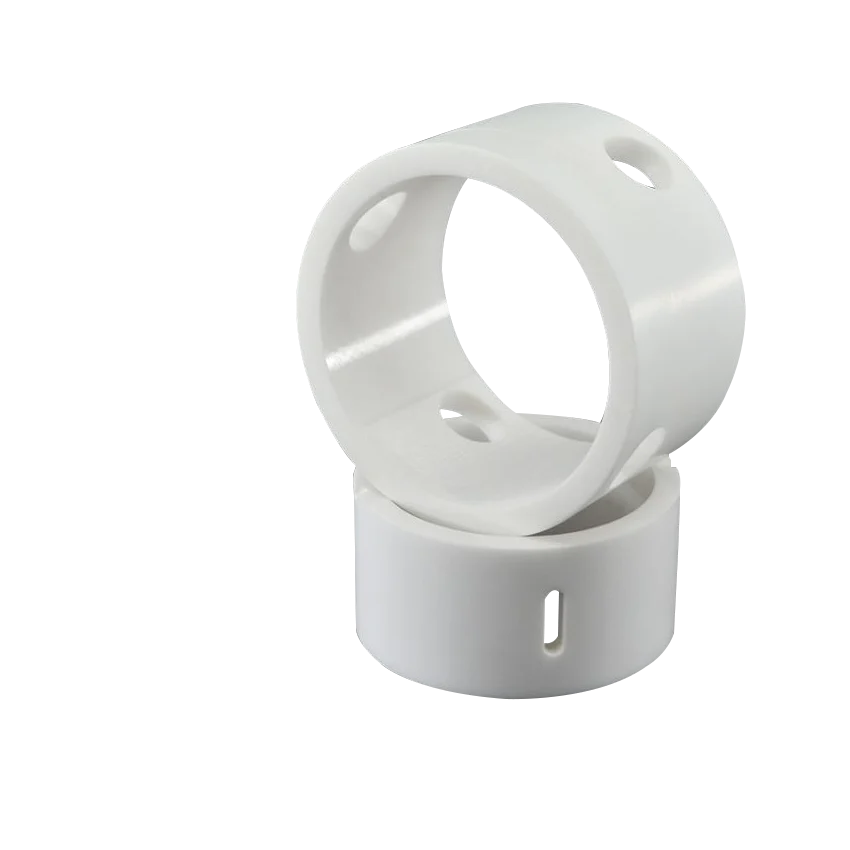
Alumina Ceramic specifications
Matching Operating Temperature to Density and Purity
At the 92% lower boundary, density sits near 3.0 g/cm3 with temperature resistance around 1000°C, which suits mechanical wear linings and basic electrical isolation. When thermal thresholds push toward 1800°C, high-purity 99.7% material provides the necessary softening point and structural stability. Higher purity brings a smaller thermal expansion coefficient and greater acid and alkali corrosion resistance, preventing spalling in continuous high-heat environments.
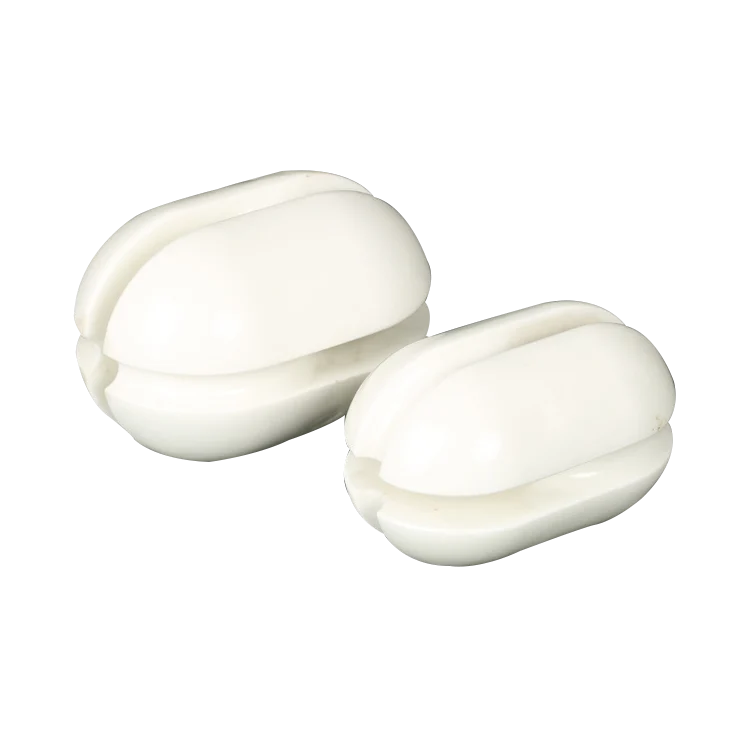
Ceramic insulator specifications
Sizing and Dimensional Scope for Custom Plates
Custom alumina ceramic plates are produced to drawing specifications with plate diameters ranging from 10 mm to 850 mm and thicknesses from 7 mm to 40 mm. These parts provide electrical insulation, mechanical strength and low thermal conductivity across both cold and hot cycles. For electronic sub-assemblies such as thick film integrated circuits, post-firing ultrasonic cleaning is implemented to remove processing residues before installation.
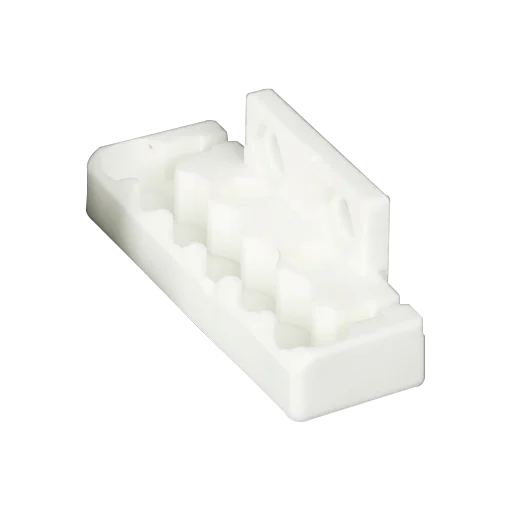
Ceremic terminal block specifications
Evaluating Steatite Alternatives for Electrical Terminal Blocks
Where parts serve purely as electrical terminal connectors rather than abrasive wear plates, high-frequency steatite ceramics provide an alternate path. NOWARUN supplies 2-way ceramic terminal blocks rated for 15A, 25A, 30A and 50A with electroplated copper connector hardware. Selecting steatite for wiring connectors in power distribution, transformers and instrumentation controls costs while meeting high-temperature test demands without requiring the density of pure alumina plates.