
How To Read An IES File And A Dialux Report
The two documents that turn a lighting proposal from an opinion into a calculation, and what to look for in each.
What An IES File Is
An IES file is the measured light distribution of one fixture, published in a standard format. It records how much light leaves the fitting in every direction. Without it, no designer can model your fixture, and any layout they produce is guesswork. We supply IES files for our fixtures on request.
What The Polar Curve Tells You
The polar plot in an IES viewer shows intensity against angle. A tall narrow curve is an accent fitting; a broad flat curve is a wash. Comparing the curve against the claimed beam angle is the quickest way to check whether a fitting really does what the datasheet says.
What A Dialux Report Should Contain
At minimum: the room geometry and reflectances used, the fixture and its IES source, a false-colour or isoline plot, average illuminance at the working plane, and uniformity. If a report gives you an average lux number with none of that context, it cannot be checked.
Uniformity Matters As Much As Average Lux
An average of 500 lux made up of bright pools and dark gaps reads worse than an even 400 lux. Look at the uniformity figure and the isoline plot together, and be suspicious of a layout that hits its target only directly under the fittings.
Use It Before The Order, Not After
The point of the calculation is to settle fixture count, beam angle and spacing while they are still free to change. Send us the reflected ceiling plan with ceiling heights and the target level, and we will run the calculation and return the fixture schedule.
Fixtures Mentioned In This Guide
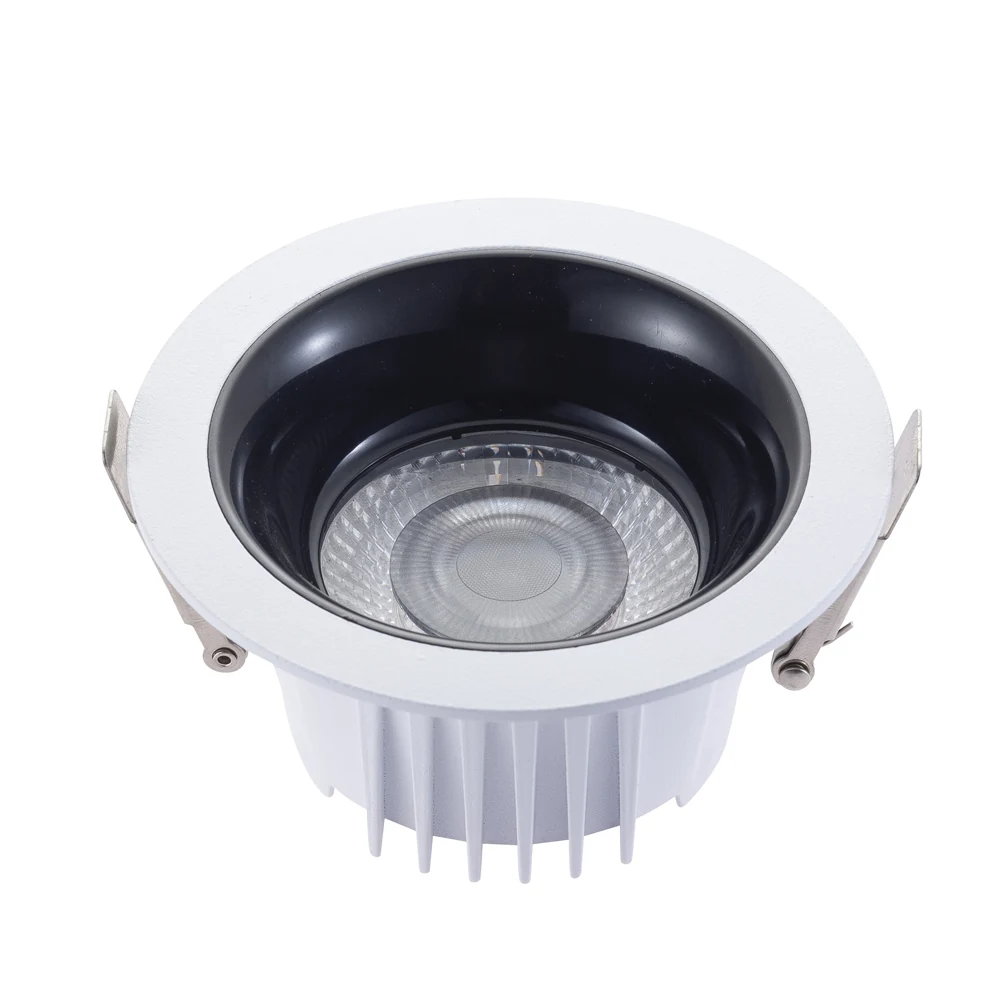
COB Recessed LED Downlight
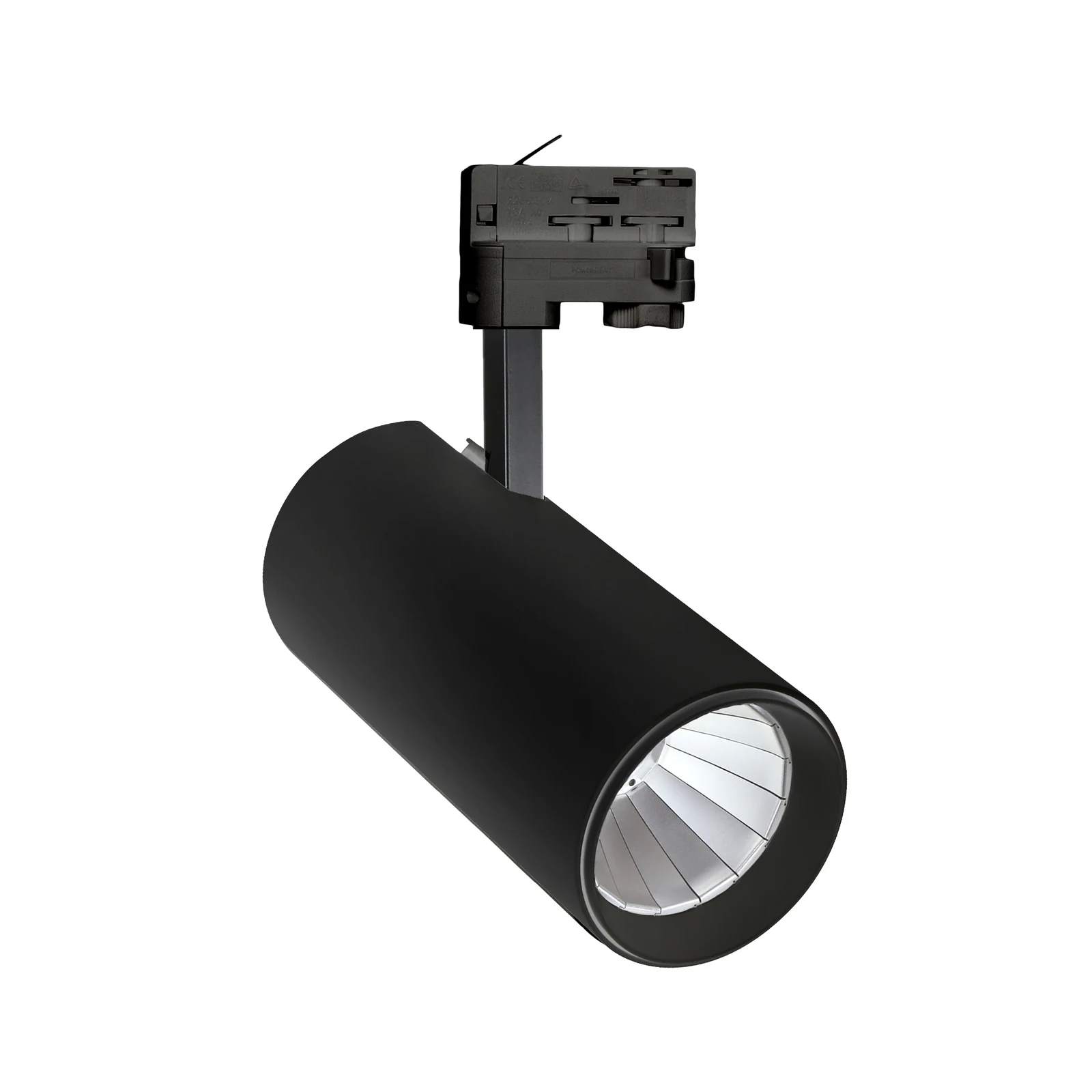
4 Wire 40W LED Track Light
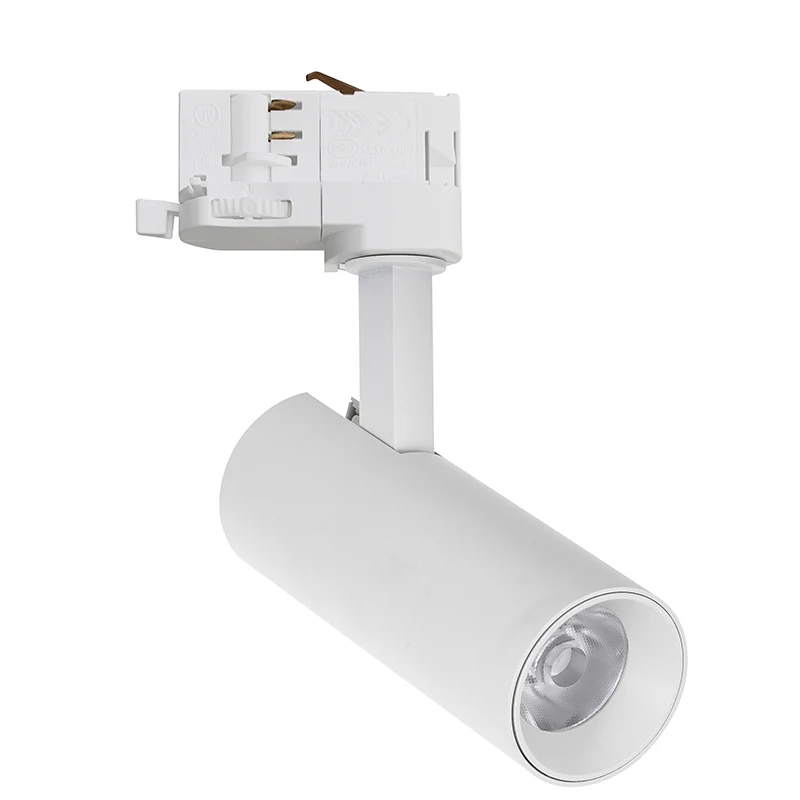
30W 3900lm LED Track Light
Industries And Solutions
Supermarket Lighting
High-output track heads and recessed downlights for fresh food, aisles and back of house on separate switched circuits.
Showroom And Gallery Lighting
Zoomable and fixed-beam track heads with CRI above 90 for spaces where the display changes and the colour has to be right.
Lighting Design And Photometric Support
IES files and Dialux calculations before you commit to a head count, so the layout is proved on paper first.
Frequently Asked Questions
Do you supply IES files?
Yes, for our fixtures. Ask on WhatsApp with the model you are specifying.
Can you run a Dialux calculation for my project?
Yes. Send the reflected ceiling plan, the ceiling heights and the target lux level.
What should I check first in a Dialux report?
The room reflectances used, the average illuminance at the working plane and the uniformity figure. All three have to be reasonable for the average to mean anything.
Does an IES file tell me the CRI?
No. An IES file describes light distribution only. CRI and colour temperature come from the fixture specification.
Send Us The Project And We Will Check The Specification
Ceiling plan, ceiling height, target lux level and what is on display. We will return a fixture schedule with beam angles.