Syringe filters, chromatography vials, SPE and biotechnology products are produced according to the ISO 9001 standard system. [email protected] +86-15306778688
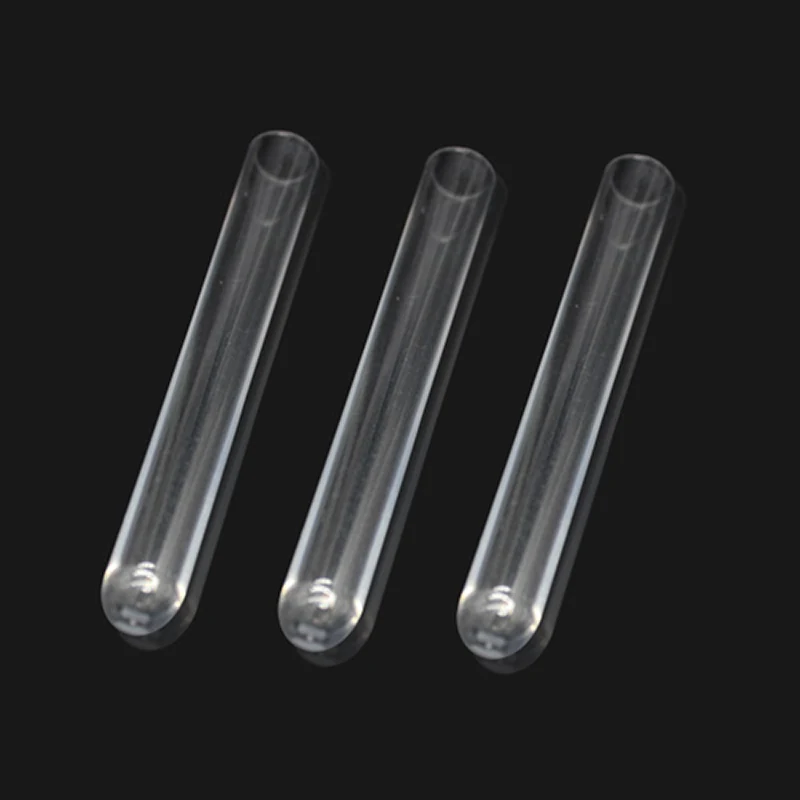
Test Tubes product photo 1
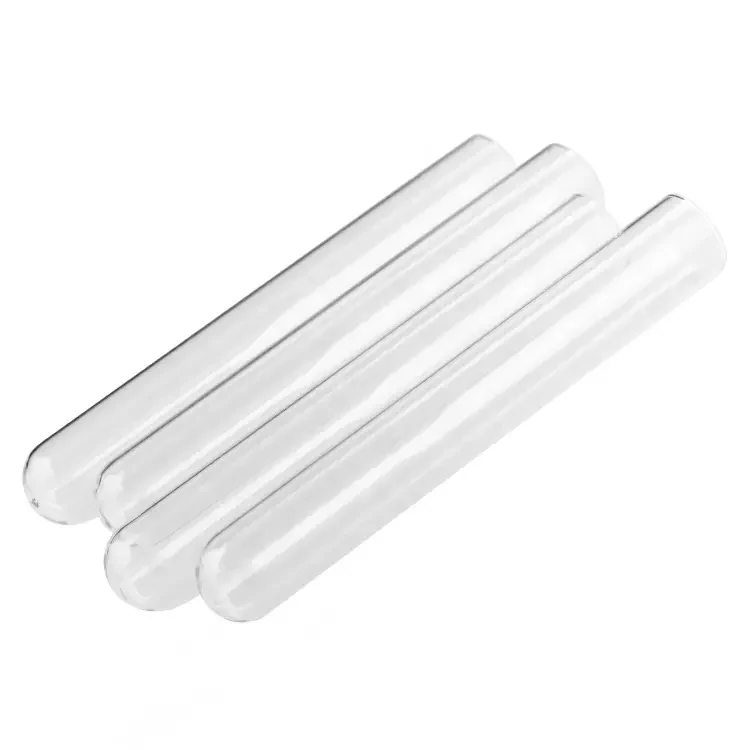
Test Tubes product photo 2Test Tubes product photo 3
Labware Products

Test Tubes

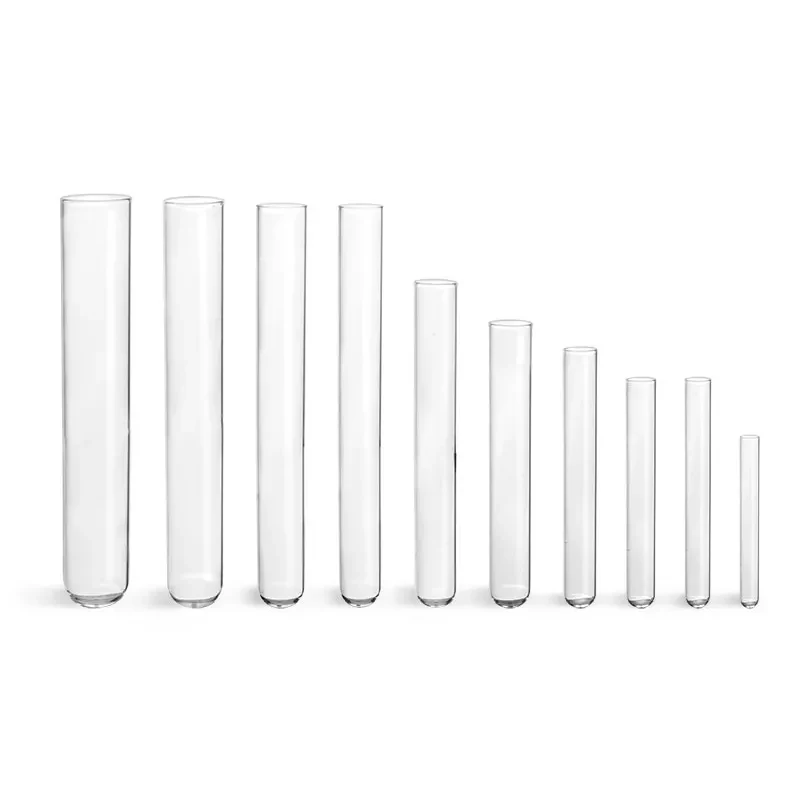
Test tubes are standard laboratory vessels for sample storage, mixing, and basic analysis in QC and R&D environments. They are available in round bottom, conical bottom, and cell test tube configurations with dimensions ranging from 12*60 mm to 22*120 mm. Made from PS, PP, or LDPE, they suit aqueous, organic, and biological samples. The tubes are supplied in bulk packaging with consistent geometry and sealing, enabling reliable handling in high-throughput workflows.

  • Available in multiple sizes and materials to match sample type and handling requirements
  • Round bottom and conical bottom designs support even mixing and stable placement in racks
  • Cell test tube variants are designed for cell culture applications with compatible dimensions
  • LDPE stoppers provide a secure seal for sample containment during transport or storage
Key Benefits

What This Product Gives You

  • Available in multiple sizes and materials to match sample type and handling requirements
  • Round bottom and conical bottom designs support even mixing and stable placement in racks
  • Cell test tube variants are designed for cell culture applications with compatible dimensions
  • LDPE stoppers provide a secure seal for sample containment during transport or storage
  • Bulk packaging reduces handling and packing time per unit, improving lab efficiency
  • Available in round bottom, conical bottom, and cell test tube configurations
  • Dimensions range from 12*60 mm to 22*120 mm with 13 mm, 15 mm, 16 mm, and 20 mm diameters
  • Tube stoppers available in Φ12, Φ13, Φ15, and Φ16 mm sizes for secure sealing
  • Part numbers follow a consistent format: TTR + size + material code (S=PS, P=PP, P=PP)
  • Designed for manual and automated handling with stable base and consistent wall thickness
Where It Is Used

Applications And Buyers

Application Scenarios

  • Storing biological samples such as cell cultures or serum in a controlled environment
  • Mixing reagents or diluting samples in a controlled volume range
  • Performing basic chemical reactions or precipitation tests in a small-scale setup
  • Transporting samples between lab stations without leakage or contamination
  • Using in automated systems where consistent tube geometry ensures proper fit in racks and holders

Who It Is For

  • Pharmaceutical and biotech R&D labs handling cell culture or small-volume sample processing
  • Environmental and food testing labs requiring consistent sample vessels for routine analysis
  • Clinical and diagnostic labs using standardized tubes for sample pre-processing
  • Lab distributors sourcing bulk labware with consistent packaging and part numbering
  • OEM partners needing custom labware with private-label packaging and material options

Problems It Solves

  • Inconsistent tube geometry causing misalignment in racks or automated systems
  • Leakage during transport due to poor sealing or incompatible stopper fit
  • Material incompatibility with aggressive solvents or biological samples leading to leaching
  • High consumable cost from sourcing multiple tube types from different suppliers
  • Lack of clear part numbering or identification leading to mislabeling or cross-contamination
Data

Specifications

MaterialPS, PP, LDPE
TypeRound Bottom, Conical Bottom, Cell Test Tube, Tube Stopper
Size12*60, 12*75, 13*75, 13*78, 13*100, 15*100, 16*100, 16*102, 22*120, 20*153 mm
Diameter12 mm, 13 mm, 15 mm, 16 mm, 20 mm, 22 mm
Length60 mm, 75 mm, 78 mm, 100 mm, 102 mm, 120 mm, 153 mm
Stopper SizeΦ12 mm, Φ13 mm, Φ15 mm, Φ16 mm
Package6000 pcs, 5000 pcs, 4000 pcs, 3000 pcs, 2500 pcs, 1200 pcs per carton
Part Number FormatTTR + Size + Material Code (S=PS, P=PP)

Customization Options

  • OEM private-label printing available on tubes and stoppers
  • Custom packaging quantities and carton configurations for bulk orders
  • Material selection tailored to specific sample compatibility needs
  • Custom part numbering system for integration into lab inventory systems
  • OEM contract manufacturing for labware with private branding
How It Is Made

Manufacturing And Quality Control

Manufacturing Process

  • Material selection based on part number and application requirements
  • Part number and size printed on each tube or stopper for traceability
  • Bulk packing according to specified carton quantities
  • Quality inspection of dimensions and wall consistency before packaging

Quality Control

  • Dimensional inspection of each tube and stopper against specified size ranges
  • Visual inspection for defects such as cracks, warping, or flash
  • Sealing integrity test for stoppers to ensure no leakage under normal handling
  • Part number verification against the order specification
  • Consistency check of material type and wall thickness across batches
Comparison

Compared With The Alternatives

Versus Generic labware from unbranded suppliers

Microlab test tubes have consistent part numbering, material coding, and packaging, reducing misordering and traceability issues

Versus Glass test tubes

Plastic tubes are lighter, shatterproof, and suitable for single-use applications, reducing breakage and disposal risks

Versus Non-standardized tube sizes

All Microlab tubes follow a defined size and part number system, ensuring compatibility with racks and automated systems

Versus Non-sealing stoppers

LDPE stoppers provide a secure seal, preventing evaporation and contamination during storage or transport
Use Guide

How To Use It

  • Select PS for clear visibility and general use, PP for chemical resistance, LDPE for sealing
  • Use round bottom tubes for mixing and stable placement; conical bottom for sediment collection
  • Match stopper size to tube diameter to ensure a secure fit and prevent leakage
  • Do not exceed recommended temperature limits for material type (e.g., PS may degrade above 60 C)
  • Store tubes in dry, clean conditions to prevent contamination or deformation
  • Use in automated systems only if tube geometry and dimensions are verified for compatibility
Photos

Product Gallery

Also In This Category

Related Products

Read Next

Related Industries And Guides

FAQ

Questions Buyers Ask

What material should I use for cell culture applications?

PP or PS are suitable for cell culture. PP offers better chemical resistance, while PS provides better clarity for visual inspection.

What is the difference between round bottom and conical bottom tubes?

Round bottom tubes are ideal for mixing and stable placement. Conical bottom tubes are designed to collect precipitates or sediments at the tip.

How are the tubes packaged?

Tubes are packed in cartons with quantities ranging from 1200 to 6000 pieces per carton, depending on size and material.

Can I get these tubes with my company's logo?

Yes. The OEM division offers private-label printing and custom packaging for bulk orders.

Are these tubes compatible with standard lab racks?

Yes. All tubes follow standard dimensions and are designed to fit common lab racks and holders.

Get A Quote For Test Tubes

Tell us the membrane, pore size, diameter and quantity you need, or describe the sample and we will specify it.