Syringe filters, chromatography vials, SPE and biotechnology products are produced according to the ISO 9001 standard system. [email protected] +86-15306778688
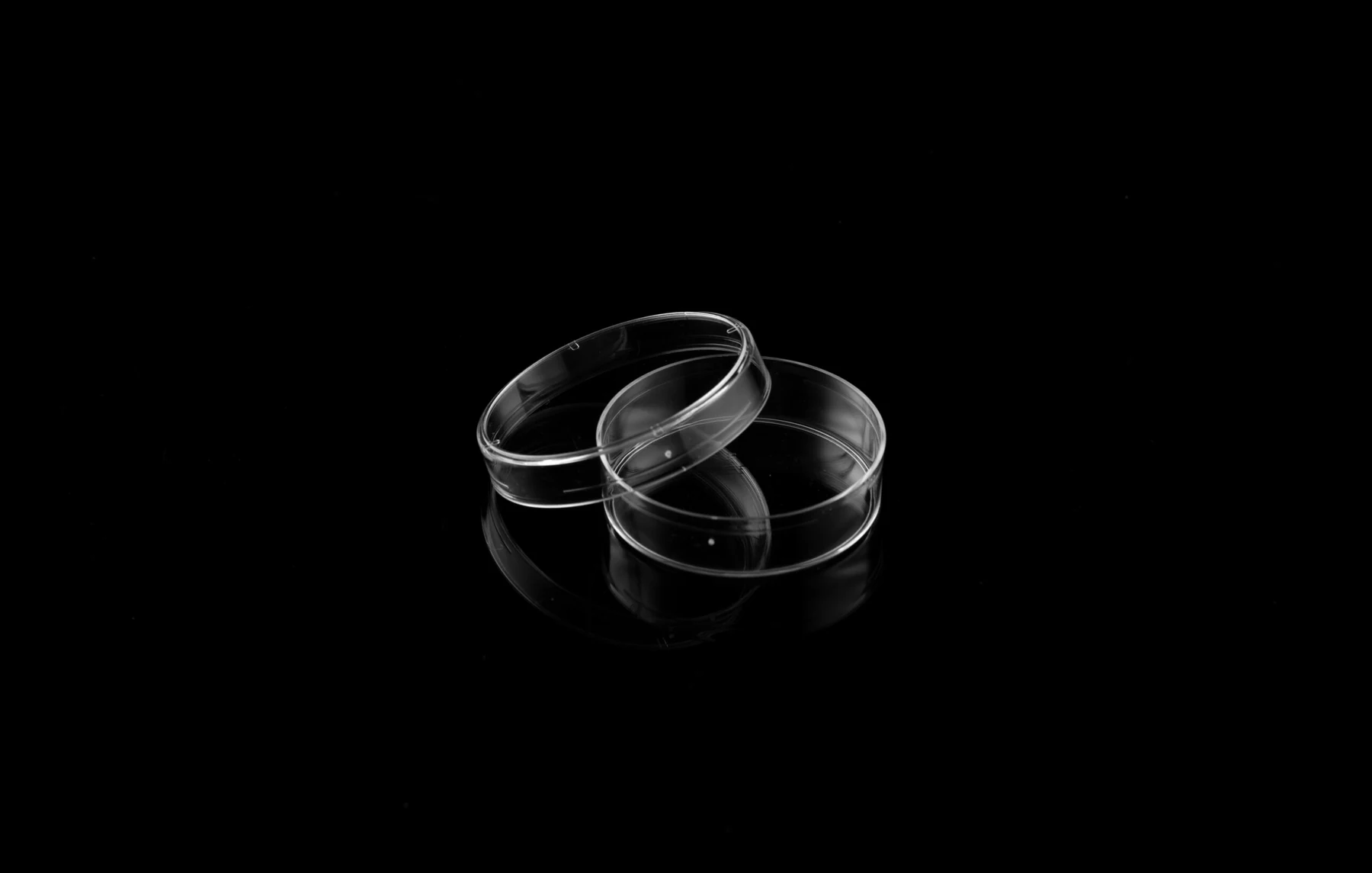
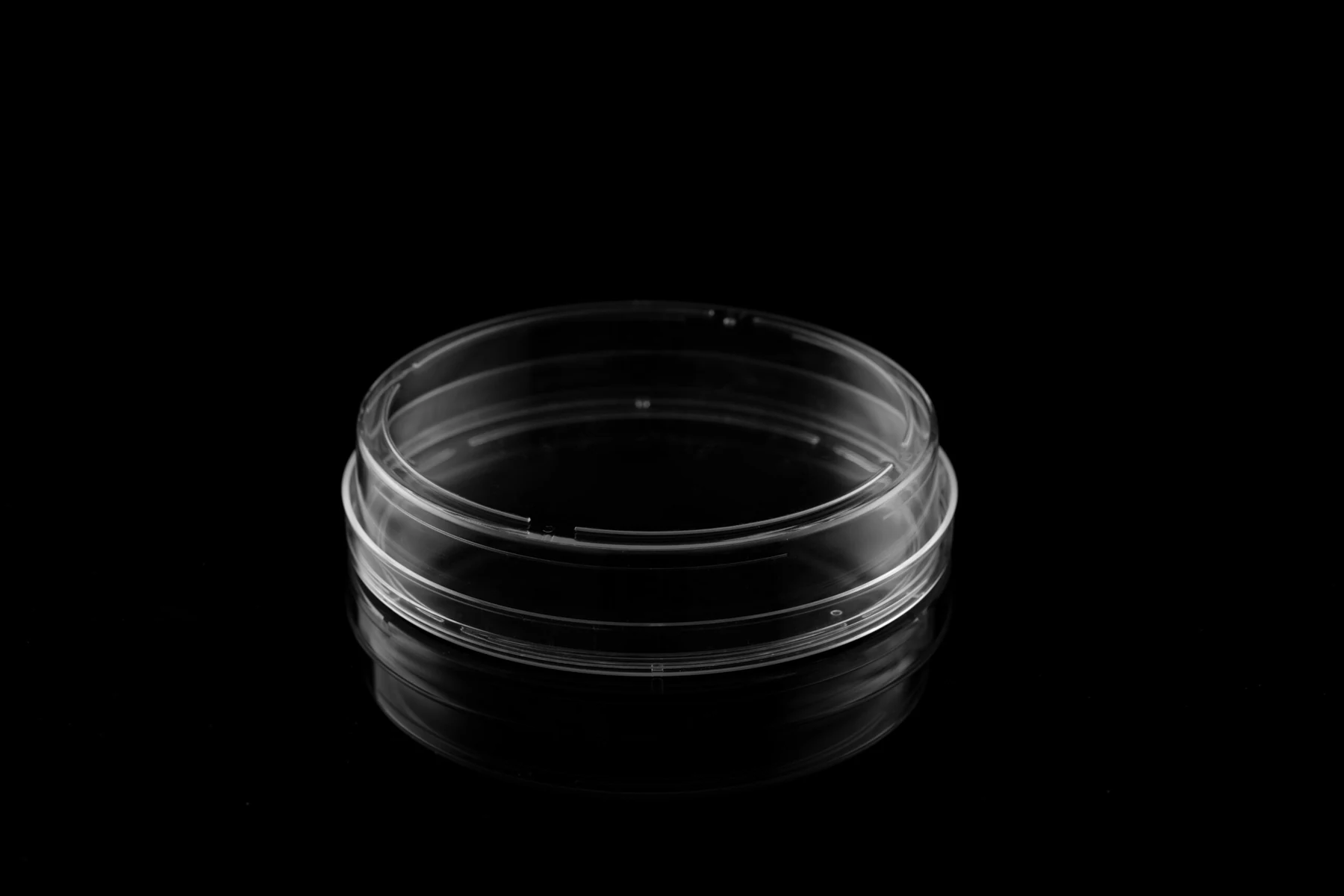
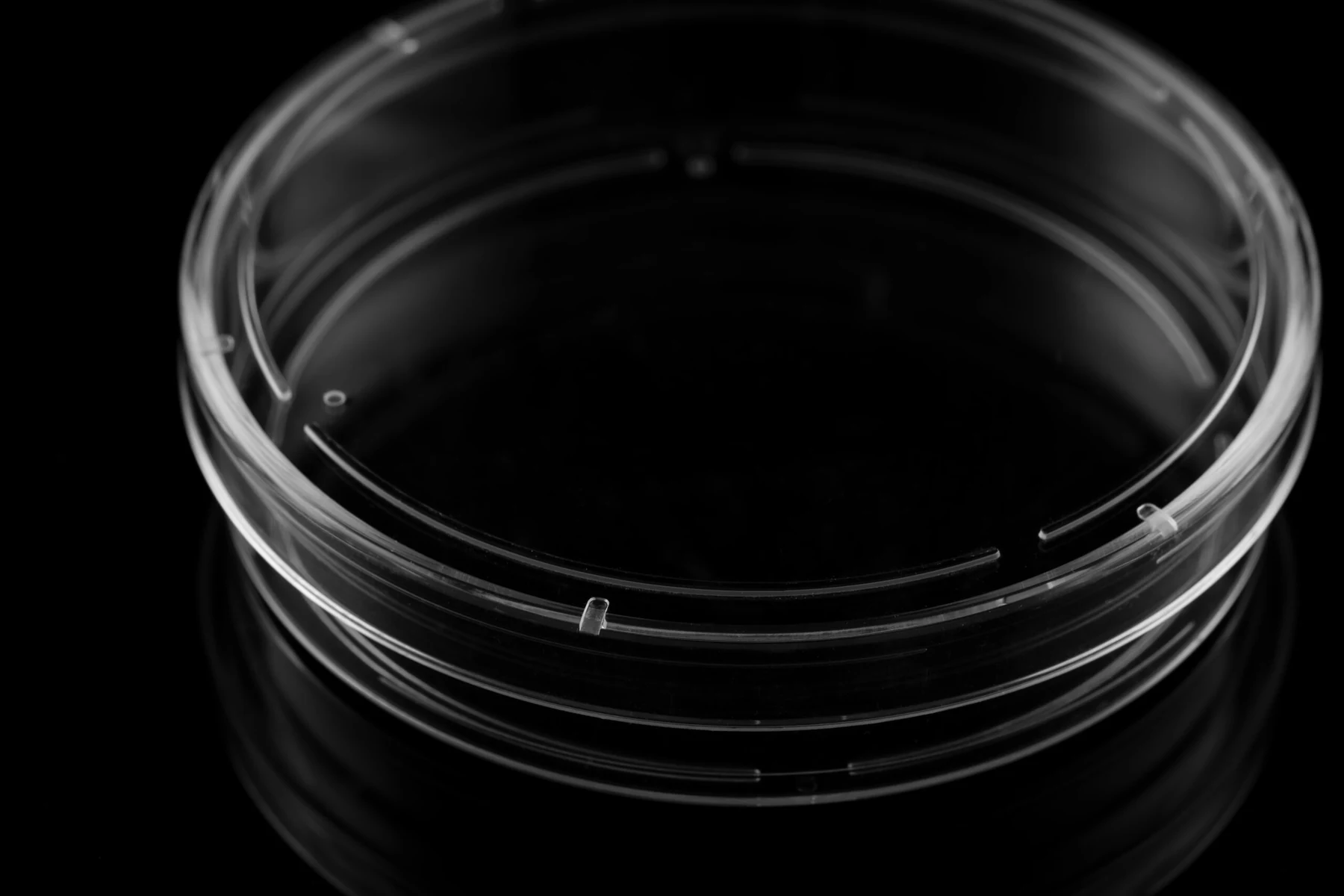
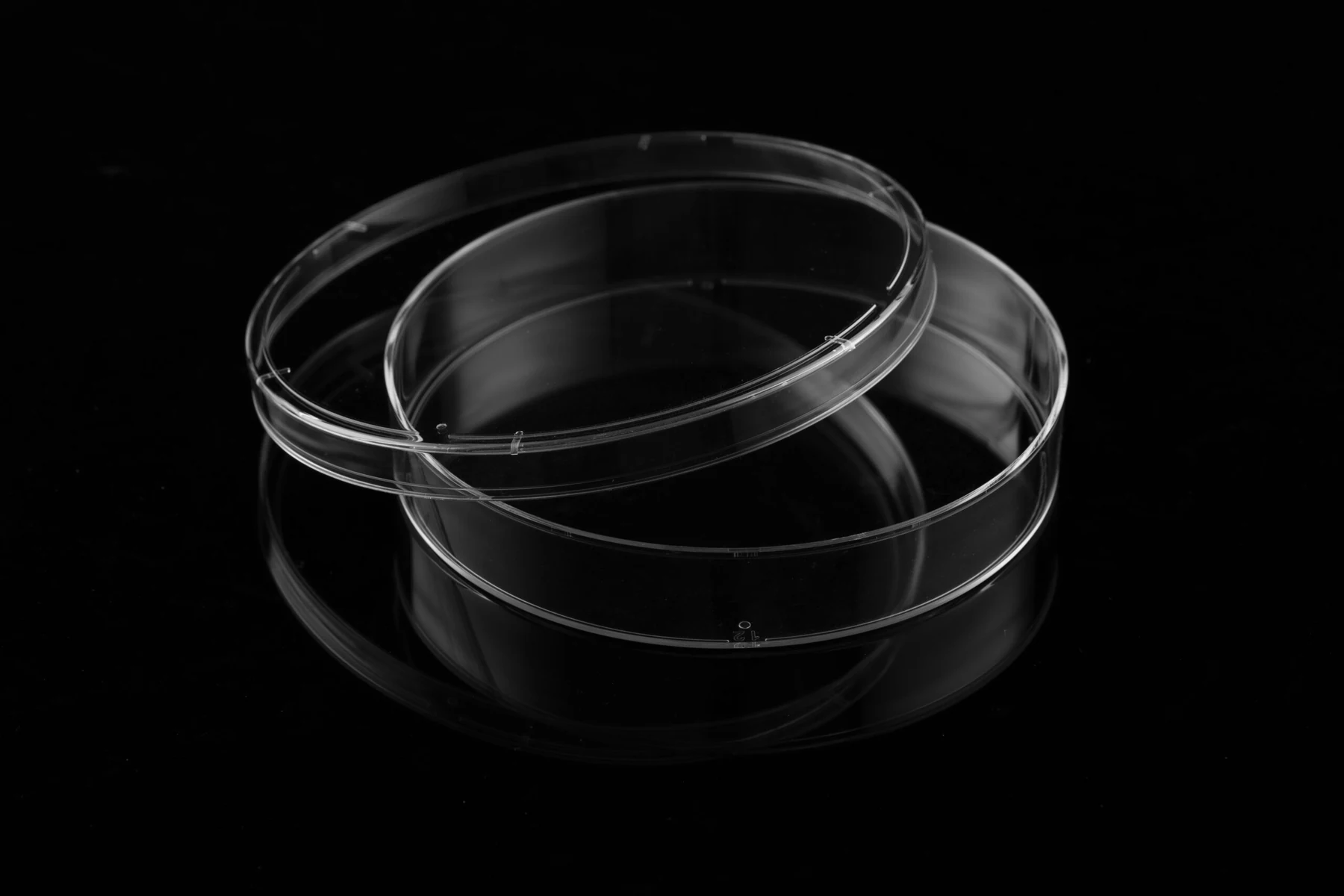
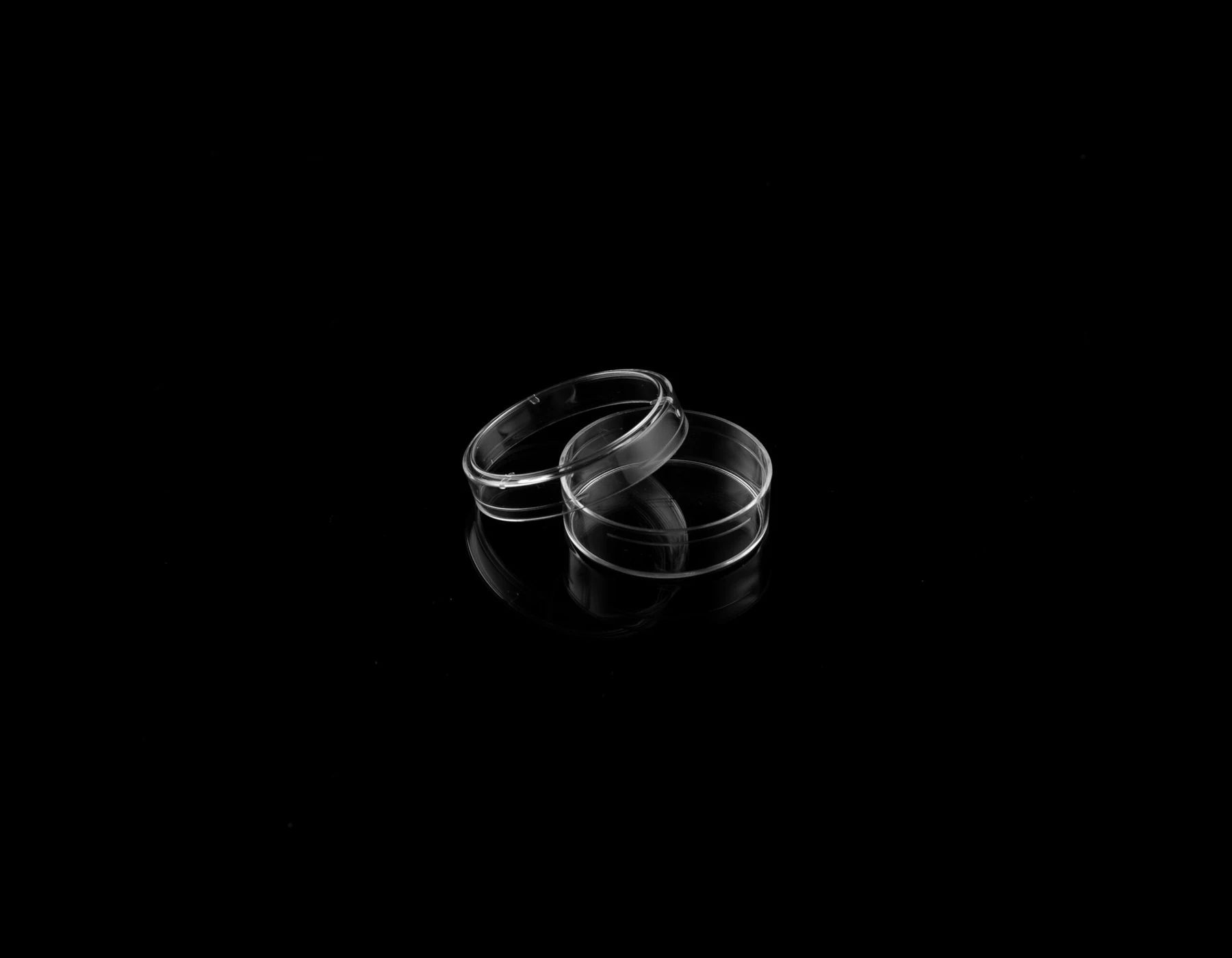
Cell Culture Dish product photo 1
Cell Culture Dish product photo 2Cell Culture Dish product photo 3Cell Culture Dish product photo 4Cell Culture Dish product photo 5Cell Culture Dish product photo 6
Labware Products

Cell Culture Dish

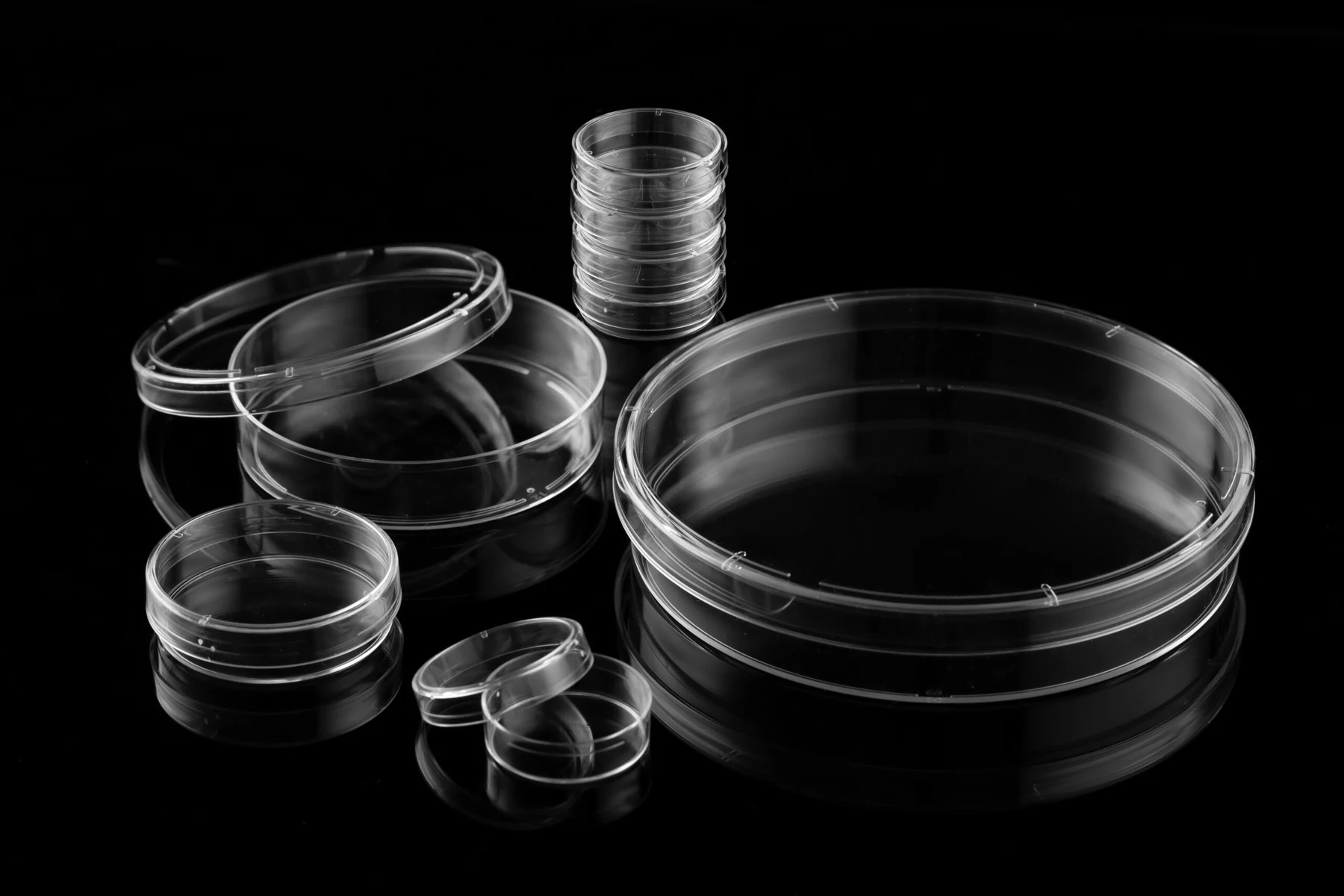
Cell Culture Dishes are designed for either adherent or suspension cell culture with two distinct surface treatments. Non-treated dishes resist cell attachment, ideal for suspension cultures where cell loss or damage must be minimised. Treated dishes feature a hydrophilic surface to promote initial cell adherence and proliferation for adherent cell lines. Available in four diameters from 35 mm to 150 mm, each with a defined growth area and consistent depth, these dishes support scalable cell culture workflows in R&D and process development.

  • Two surface types: non-treated for suspension cultures, tissue-culture-treated for adherent cultures
  • Non-pyrogenic, DNase/Rnase free to prevent contamination in sensitive cell cultures
  • Gamma radiation sterilised for immediate use in sterile environments
  • Consistent growth area from 8.5 cm² to 150 cm² across four standard diameters
Key Benefits

What This Product Gives You

  • Two surface types: non-treated for suspension cultures, tissue-culture-treated for adherent cultures
  • Non-pyrogenic, DNase/Rnase free to prevent contamination in sensitive cell cultures
  • Gamma radiation sterilised for immediate use in sterile environments
  • Consistent growth area from 8.5 cm² to 150 cm² across four standard diameters
  • Dust-free manufacturing environment ensures low particulate levels in the final product
  • Available in four diameters: 35 mm, 60 mm, 100 mm, and 150 mm
  • Heights: 12 mm, 15 mm, 20 mm, and 25 mm respectively
  • Cell growth areas: 8.5 cm², 22 cm², 60 cm², and 150 cm²
  • Non-treated surface for suspension cell culture
  • Tissue-culture-treated surface for adherent cell culture
  • Gamma radiation sterilised
  • Non-pyrogenic, DNase/Rnase free
  • Manufactured in a dust-free environment
Where It Is Used

Applications And Buyers

Application Scenarios

  • Growing suspension cell lines such as hybridomas or insect cells without cell adhesion or shear damage
  • Supporting adherent cell lines like fibroblasts or epithelial cells requiring strong initial attachment
  • Scaling up cell culture from 35 mm to 150 mm dishes within the same workflow
  • Conducting cell viability assays where extractables or nucleases could interfere
  • Preparing samples for downstream analysis such as flow cytometry or protein expression

Who It Is For

  • Life-science R&D laboratories developing cell-based assays and biologics
  • Biopharmaceutical process development teams scaling up cell culture processes
  • Academic and contract research organisations running multiple cell culture types
  • Laboratory distributors sourcing consistent, sterile labware with defined surface properties
  • OEM partners requiring private-label cell culture dishes with custom packaging

Problems It Solves

  • Cell loss or damage during suspension culture due to unintended adhesion to the dish surface
  • Poor cell attachment and low proliferation in adherent cultures caused by inadequate surface treatment
  • Contamination risk from pyrogens, DNase, or RNase in culture media or dishes
  • Inconsistent growth area across different dish sizes leading to variable cell yield
  • Need for post-manufacture sterilisation or cleaning before use, increasing workflow time
Data

Specifications

Diameter35 mm, 60 mm, 100 mm, 150 mm
Height12 mm, 15 mm, 20 mm, 25 mm
Cell Growth Area8.5 cm², 22 cm², 60 cm², 150 cm²
Surface TreatmentNon-treated, Tissue-culture-treated
SterilisationGamma radiation
Pyrogen StatusNon-pyrogenic
Nuclease StatusDNase/Rnase free
Manufacturing EnvironmentDust-free
Quantity per Pack10 or 5 pieces
Packs per Case100 or 300 pieces

Materials

  • Medical grade USP CLASS VI polystyrene
  • Surface treatment: hydrophilic for tissue-culture-treated dishes, non-adherent for non-treated dishes

Customization Options

  • OEM private-label printing available through the Microlab OEM division
  • Custom packaging configurations for bulk orders
  • Private-label packing options for distributor and OEM partners
  • Custom part numbers and labels for branded labware
How It Is Made

Manufacturing And Quality Control

Manufacturing Process

  • Surface treatment application for adherent culture dishes
  • Gamma radiation sterilisation
  • Inspection for particulates and surface integrity
  • Packing in specified quantities per pack and case

Quality Control

  • Visual inspection of each dish for defects and surface uniformity
  • Verification of surface treatment type via batch testing
  • Sterility confirmation through gamma radiation dose validation
  • Non-pyrogenic testing performed on batches
  • DNase and RNase activity tested to confirm absence
Comparison

Compared With The Alternatives

Versus Standard polystyrene dishes without surface treatment

The tissue-culture-treated version ensures reliable cell attachment and growth, while the non-treated version prevents unwanted adhesion in suspension cultures.

Versus Dishes from non-dust-free environments

The dust-free manufacturing site reduces particulate contamination, which can interfere with cell growth or imaging.

Versus Reusable glass culture dishes

Single-use plastic dishes eliminate cleaning and sterilisation steps, reduce cross-contamination risk, and maintain consistent surface properties across batches.
Use Guide

How To Use It

  • Select non-treated dishes for suspension cell culture to prevent cell adhesion
  • Choose tissue-culture-treated dishes for adherent cell lines requiring strong initial attachment
  • Use gamma radiation sterilised dishes directly from the package for sterile workflows
  • Avoid exposing dishes to UV light or harsh solvents that may degrade the surface
  • Store in a clean, dry environment to prevent contamination before use
  • Discard any dish showing visible defects, cloudiness, or particulates
Photos

Product Gallery

Also In This Category

Related Products

Read Next

Related Industries And Guides

FAQ

Questions Buyers Ask

What is the difference between non-treated and tissue-culture-treated dishes?

Non-treated dishes resist cell adhesion, suitable for suspension cultures. Tissue-culture-treated dishes have a hydrophilic surface to promote cell attachment and growth for adherent cultures.

Are these dishes sterile?

Yes. Each dish is gamma radiation sterilised and non-pyrogenic, so it is ready for use in sterile cell culture workflows.

Can I use these dishes for sensitive cell lines?

Yes. The dishes are DNase/Rnase free and non-pyrogenic, which reduces the risk of contamination or interference in sensitive cell cultures.

What is the growth area for the 100 mm dish?

The 100 mm dish has a cell growth area of 60 cm², suitable for larger-scale culture or high cell density experiments.

How are the dishes packed?

The 35 mm and 60 mm dishes come in packs of 10, 100 per case. The 100 mm dish comes in packs of 10, 300 per case. The 150 mm dish comes in packs of 5, 100 per case.

Can you supply these under our own brand?

Yes. The Microlab OEM division offers private-label printing and custom packing for distributor and OEM partners.

Get A Quote For Cell Culture Dish

Tell us the membrane, pore size, diameter and quantity you need, or describe the sample and we will specify it.