Syringe filters, chromatography vials, SPE and biotechnology products are produced according to the ISO 9001 standard system. [email protected] +86-15306778688
SPE Vacuum Manifold System product photo 1
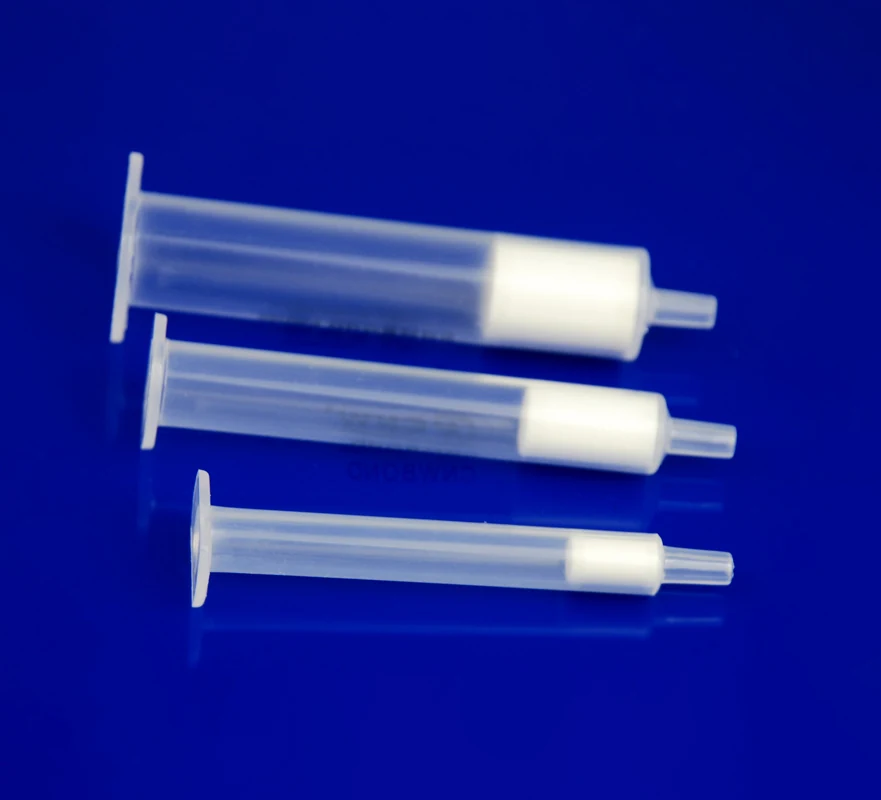
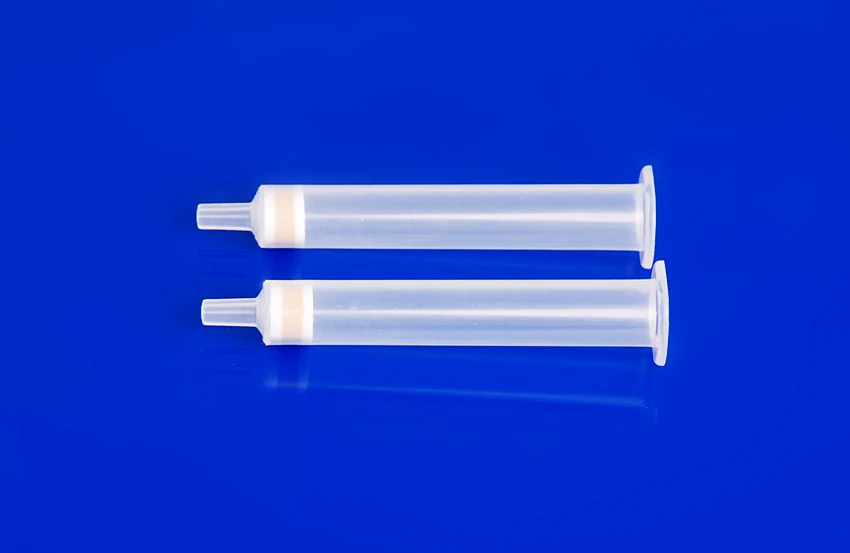
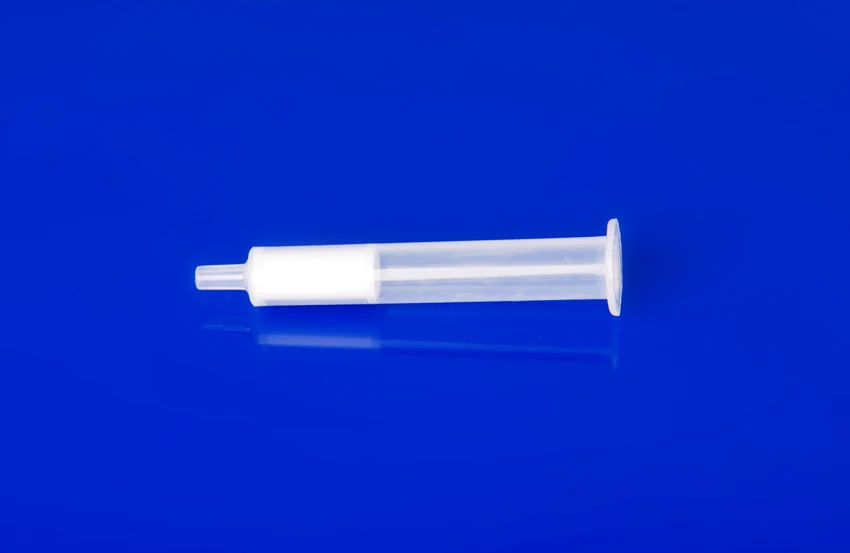
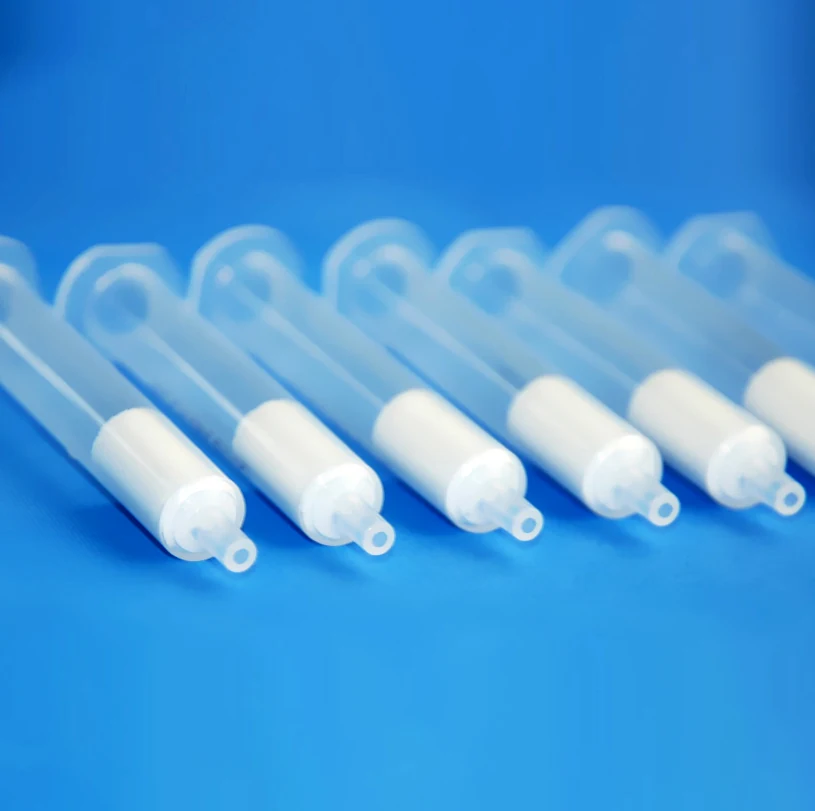
SPE Column

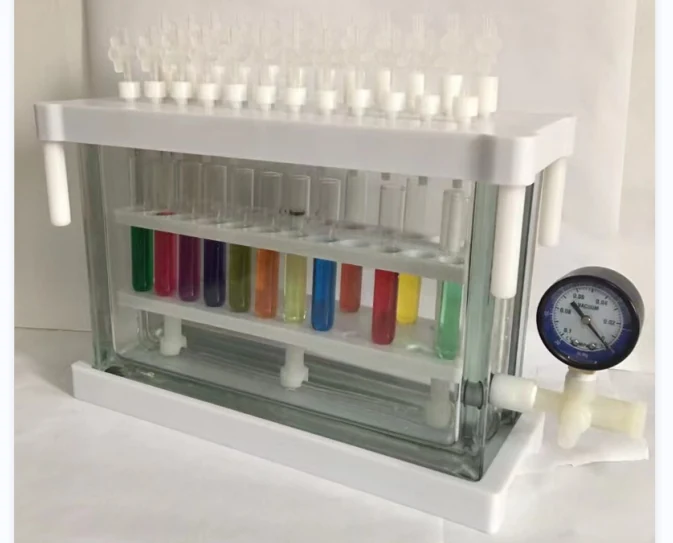
SPE Vacuum Manifold System

The SPE Vacuum Manifold System enables simultaneous processing of up to 24 samples during solid-phase extraction, reducing hands-on time and improving consistency across runs. Each sample is isolated through individual flow control stopcocks and guide needles, preventing cross-contamination. The system uses a glass chamber with a vacuum gauge to monitor extraction pressure and includes a 12 or 24 position cover with luer fittings, retaining clips, gaskets, and supports for stable operation. It is designed for use with SPE columns in analytical laboratories requiring high throughput and reproducible results.

  • Processes up to 24 samples at once, reducing time per sample batch in high-throughput labs
  • Individual flow control stopcocks prevent cross-contamination between samples
  • Glass chamber allows visual monitoring of extraction progress and vacuum level
  • Guide needles ensure consistent column alignment and reduce column damage during setup
Key Benefits

What This Product Gives You

  • Processes up to 24 samples at once, reducing time per sample batch in high-throughput labs
  • Individual flow control stopcocks prevent cross-contamination between samples
  • Glass chamber allows visual monitoring of extraction progress and vacuum level
  • Guide needles ensure consistent column alignment and reduce column damage during setup
  • Modular design with interchangeable 12 or 24 position covers supports flexible sample throughput
  • Available in 12 or 24 position configurations for flexible sample throughput
  • Glass chamber with integrated vacuum gauge for real-time pressure monitoring
  • 12 or 24 individual flow control stopcocks with luer fittings for each sample
  • Guide needles ensure proper alignment of SPE columns during installation
  • Retaining clips and gaskets maintain a sealed connection between cover and chamber
  • Four supports and three posts provide stable base and structural integrity
  • Valve assembly with 6 shelves allows organized column storage and access
  • Luer plugs and position covers are included for system closure and storage
Where It Is Used

Applications And Buyers

Application Scenarios

  • Processing multiple environmental water samples for pesticide residue analysis
  • Preparing pharmaceutical bulk drug substances for purity testing using SPE
  • Handling high-volume food and beverage samples for contaminant screening
  • Supporting routine QC testing in chemical and life-science labs with repetitive SPE workflows
  • Enabling consistent sample preparation across multiple analysts in a shared lab environment

Who It Is For

  • Pharmaceutical and biotech labs conducting high-throughput sample preparation for stability and impurity testing
  • Environmental testing labs processing large numbers of soil, water, and air samples
  • Food and beverage labs requiring reproducible extraction for pesticide, heavy metal, and additive analysis
  • Contract testing labs that need to standardise SPE workflows across multiple clients
  • Lab managers seeking to reduce manual handling and improve consistency in SPE procedures

Problems It Solves

  • Manual SPE processing of multiple samples leads to inconsistent extraction times and variable recovery
  • Cross-contamination between samples due to shared manifolds or shared stopcocks
  • Inadequate vacuum control causing uneven flow rates and poor extraction efficiency
  • Column misalignment during setup leading to leaks or damaged SPE cartridges
  • Lack of visual feedback on vacuum pressure during extraction, making process control difficult
Data

Specifications

Position Count12, 24
Chamber MaterialGlass
Vacuum GaugeIntegrated
Flow ControlIndividual stopcocks per position
Guide Needles12 or 24, depending on model
Retaining Clips12 or 24
GasketIncluded
Supports4
Posts3
Valve AssemblyIncluded
Shelves6
Luer Plugs3
Cover12 or 24 position with luer fittings

Materials

  • Glass chamber
  • Metal stopcocks and fittings
  • Rubber gasket
  • Plastic retaining clips and luer fittings
  • Guide needles (metal or plastic, not specified)

Customization Options

  • Available in 12 or 24 position configurations
  • OEM contract manufacturing and private-label packaging available through the Microlab OEM division
  • Custom component configurations can be discussed for high-volume lab needs
How It Is Made

Manufacturing And Quality Control

Manufacturing Process

  • Glass chamber fabrication and vacuum gauge integration
  • Machining of stopcock fittings and valve assembly
  • Die-cutting of gaskets and retention components
  • Assembly of guide needles and position covers
  • Final inspection and packaging with all components included

Quality Control

  • Vacuum integrity tested on the chamber and gasket interface
  • Stopcocks checked for smooth operation and leak tightness
  • Guide needles verified for alignment and fit with standard SPE columns
  • All components matched to the correct position count (12 or 24)
  • Final system tested with a vacuum source to confirm consistent pressure across all positions
Comparison

Compared With The Alternatives

Versus Single-sample SPE manifolds

The 12 or 24 position system reduces processing time per batch and improves consistency across multiple samples, whereas single-sample setups require sequential handling and increase operator error risk.

Versus Manifolds with shared stopcocks

Individual stopcocks per position eliminate cross-contamination between samples, which is not possible when stopcocks are shared across multiple columns.

Versus Plastic manifolds

The glass chamber allows visual monitoring of extraction and is chemically inert to most solvents, unlike plastic manifolds that may leach or degrade under aggressive eluents.

Versus Manual vacuum extraction

The integrated vacuum gauge and sealed system provide consistent pressure control, whereas manual vacuum methods rely on operator judgment and are prone to pressure fluctuations.
Use Guide

How To Use It

  • Select the 12 or 24 position system based on sample batch size and workflow volume
  • Attach SPE columns to guide needles and secure with retaining clips
  • Ensure the gasket is properly seated before placing the cover on the chamber
  • Open all stopcocks and apply vacuum using a compatible vacuum source
  • Monitor the vacuum gauge to maintain consistent pressure across all positions
  • Close stopcocks individually after extraction to prevent backflow
  • Remove columns carefully and store or dispose of them as required
Also In This Category

Related Products

Read Next

Related Industries And Guides

FAQ

Questions Buyers Ask

What is the difference between the 12 and 24 position systems?

The 12 position system handles up to 12 samples at once, while the 24 position system supports up to 24 samples. The 24 position model has fewer shelves and a different cover design.

Can I use this system with standard SPE columns?

Yes. The guide needles are designed to fit standard SPE columns. The system is compatible with common column sizes used in analytical labs.

Is the glass chamber resistant to solvents?

The glass chamber is suitable for most common SPE solvents. It is chemically inert and does not leach into the sample stream.

How do I prevent cross-contamination between samples?

Each sample has its own individual stopcock and guide needle. Closing stopcocks after use ensures no fluid transfer between columns.

Do you offer OEM or private-label versions?

Yes. The Microlab OEM division provides OEM contract manufacturing, private-label packaging, and custom component configurations.

What is included in the system?

Each system includes the glass chamber, vacuum gauge, 12 or 24 position cover with luer fittings, 12 or 24 retaining clips, gasket, 4 supports, 12 or 24 stopcocks, 3 luer plugs, 3 posts, valve assembly, 6 shelves, and 12 or 24 guide needles.

Get A Quote For SPE Vacuum Manifold System

Tell us the membrane, pore size, diameter and quantity you need, or describe the sample and we will specify it.